
Albenga on the Corniche (Costal) Road — History & Facts
In the tranquil embrace of solitude, silence becomes a canvas where beauty and sorrow intertwine, echoing the complexity of the human experience. Look to the left at the vibrant strokes that outline the coastal landscape, where the warm hues of ochre and gold mingle with the deep blues of the sea. Notice how the light dances across the canvas, highlighting the contours of the land and water, inviting you to traverse the path along the road. Each brushstroke conveys movement, yet the stillness of the scene suggests a moment frozen in time, as if the landscape breathes quietly, holding secrets within its folds. Delve deeper into the juxtaposition of color and form, where the harmonious palette reveals an underlying tension.
The gentle curves of the road suggest a journey, while the looming cliffs hint at the obstacles that lie ahead. This contrast between the inviting scenery and the potential for danger mirrors the often tumultuous nature of life itself. The clarity of the air and the serene sea may mask deeper emotional undercurrents, reminding us that beauty can coexist with hidden struggles. In 1841, Elizabeth Murray painted this work during a period of personal introspection, nestled in the evolving tides of Romanticism.
At the time, she was exploring her identity as an artist in a predominantly male-dominated field, and her focus on landscapes reflected a desire to capture not just the physical world, but also the emotional landscapes within her. The painting stands as a testament to her resilience and the quiet power of her vision amidst societal challenges.
More Artworks by Elizabeth Murray
Browse all →
Scarborough
Elizabeth Murray

From Barnard’s Book on Coloring
Elizabeth Murray

Cows in Landscape
Elizabeth Murray

Winchelsea Church
Elizabeth Murray

Caernarvon Castle
Elizabeth Murray

Val of Shanganagh, Dún Laoghaire, with Boats
Elizabeth Murray

Scarborough Castle
Elizabeth Murray
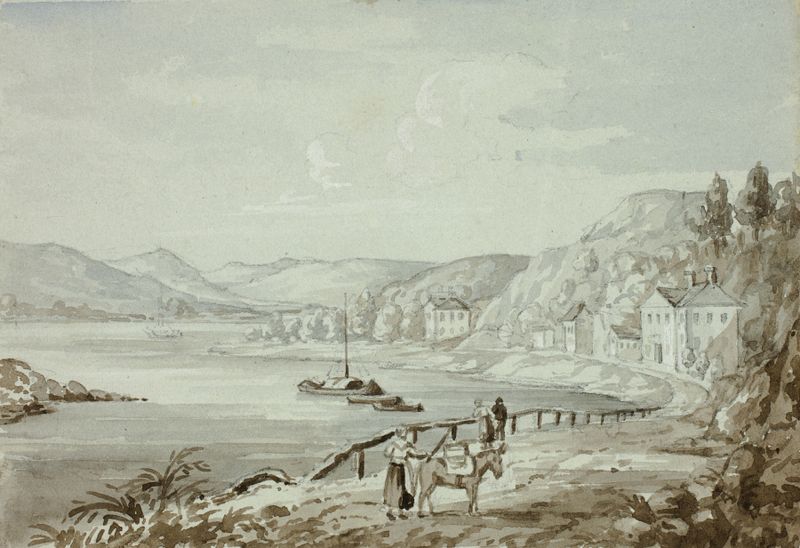
On the Rhine
Elizabeth Murray
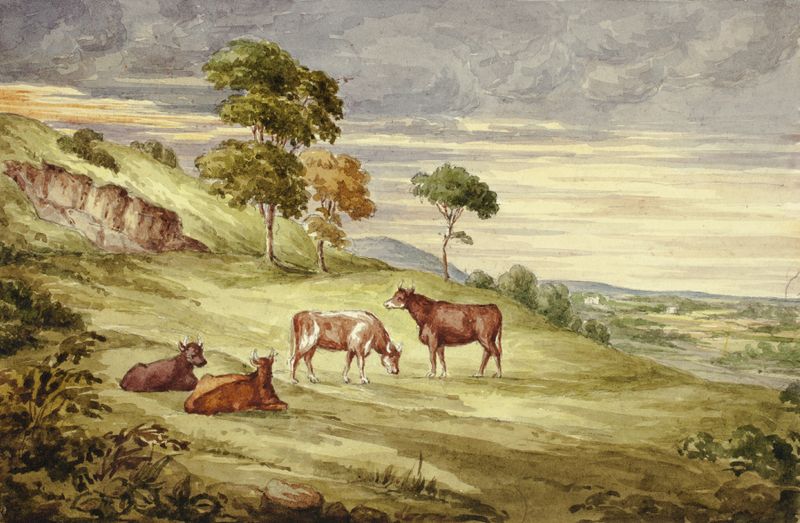
Deer Park, possibly Kilkenny
Elizabeth Murray
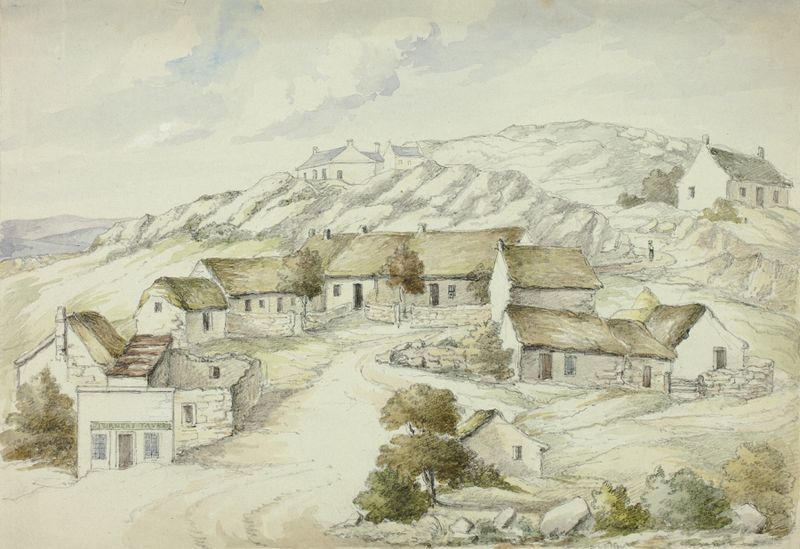
Kilkenny Village from the Rocks
Elizabeth Murray





