
Albrecht de Gelukkige (Albrecht III de Kloekmoedige, hertog van Saksen?) — History & Facts
Did the painter know this moment would outlive them? In Albrecht de Gelukkige, Albrecht Dürer captures not just a man, but an essence—an innocence poised at the crossroads of wisdom and youth. Look to the left at the figure's serene expression, a gentle smile that hints at unspoken thoughts. Notice how the light bathes his face in a soft glow, defining his delicate features and creating a warmth that seems to transcend time. The rich, earthy color palette of greens and browns provides a grounding backdrop, enhancing the richness of the subject’s attire—the fine embroidery and luxurious fabrics drawing the viewer’s eye to his noble status.
The meticulous detail in the texture invites one to linger, as if each stitch tells a story of heritage and legacy. Yet, lurking beneath this surface beauty lies a poignant tension. The contrast between the subject’s innocence and the weight of his royal lineage evokes a sense of impending responsibility. His gaze, though gentle, suggests the burdens of leadership yet to come, a fleeting moment captured before the storm of duty descends.
The delicate interplay of light and shadow not only serves to highlight his features but also symbolizes the dual nature of existence—a reminder that innocence can often be overshadowed by the harsh realities of life. Dürer painted this work in 1515 during a period of burgeoning artistic achievement in Northern Europe. As he navigated his career in Nuremberg, the Renaissance was reshaping the art world, with a focus on realism and human emotion. This was a time when artists were beginning to assert their individual identities, and Dürer, known for his technical mastery and innovative approaches, was at the forefront of this transformation, forever influencing the future of portraiture.
More Artworks by Albrecht Dürer
Browse all →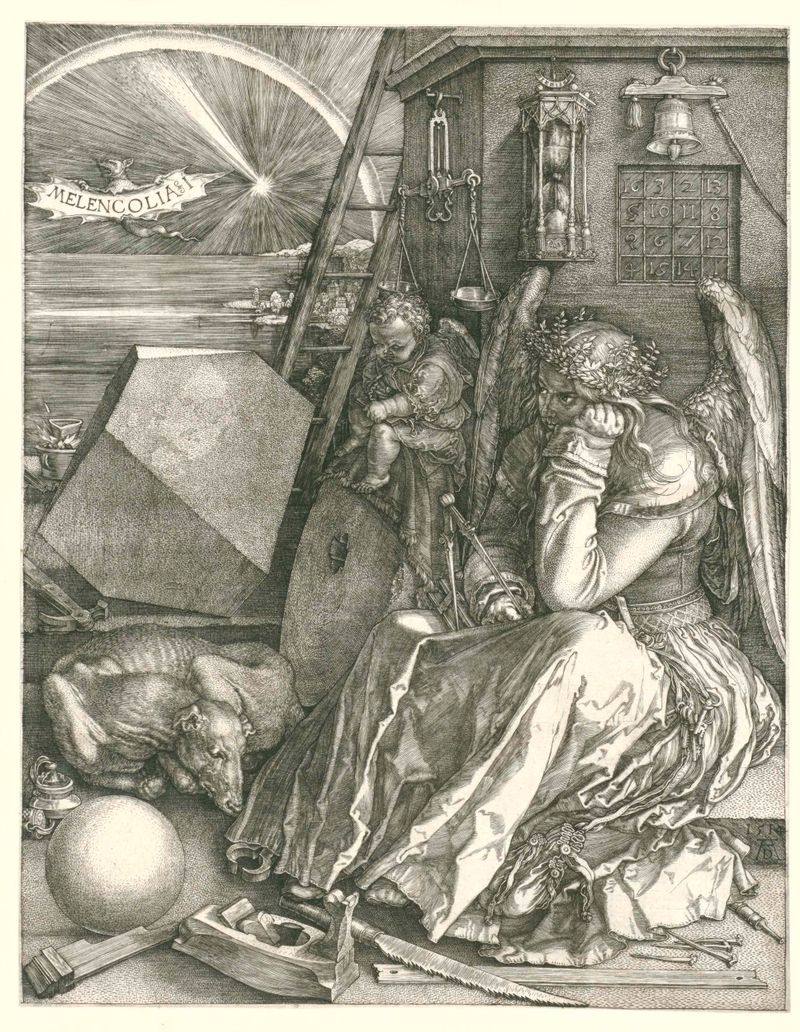
Melancholia
Albrecht Dürer
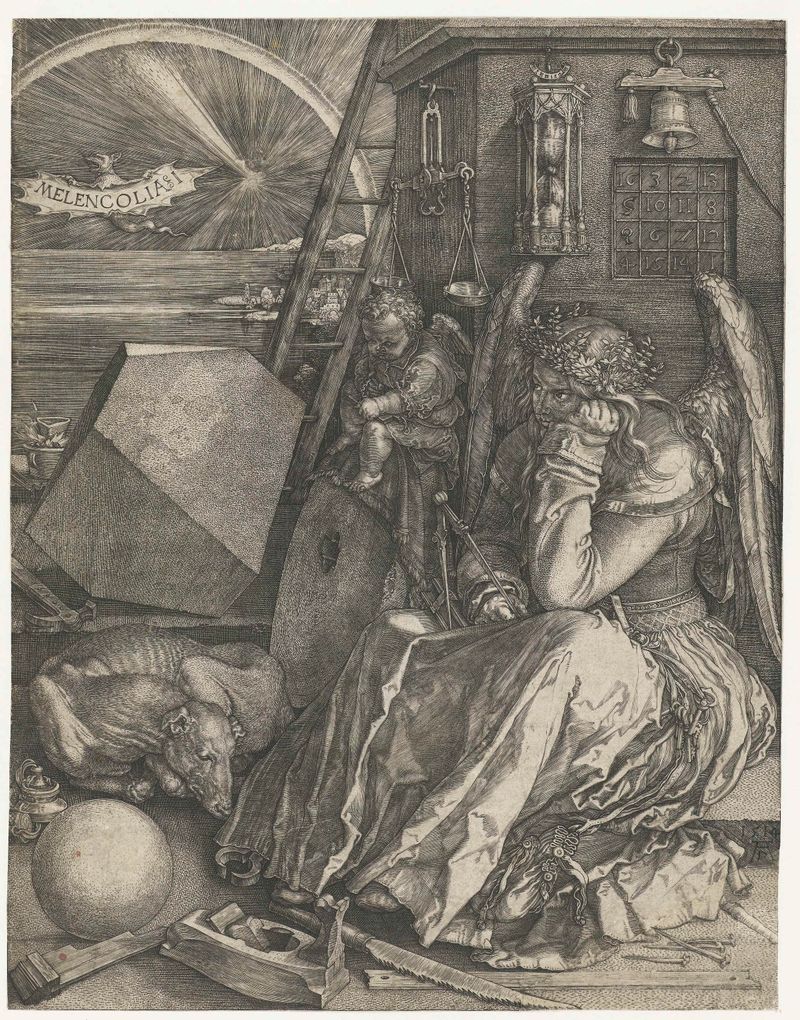
Melancholie
Albrecht Dürer
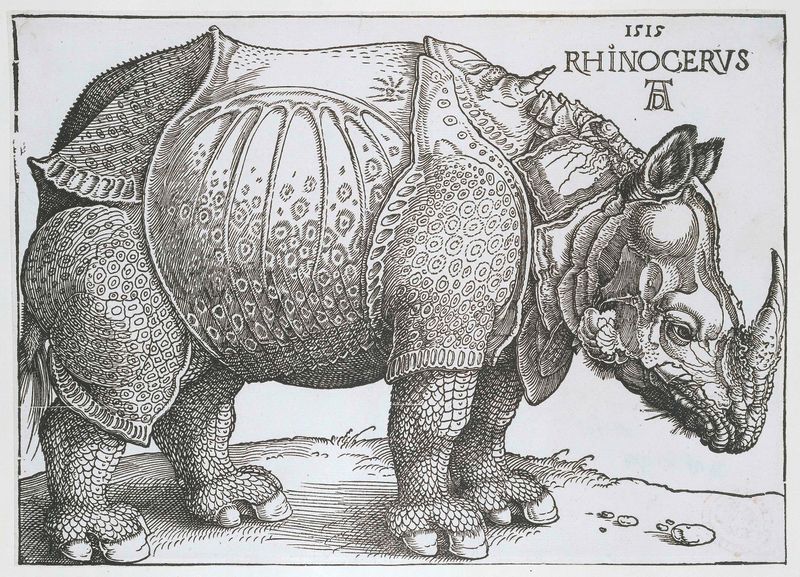
Neushoorn
Albrecht Dürer
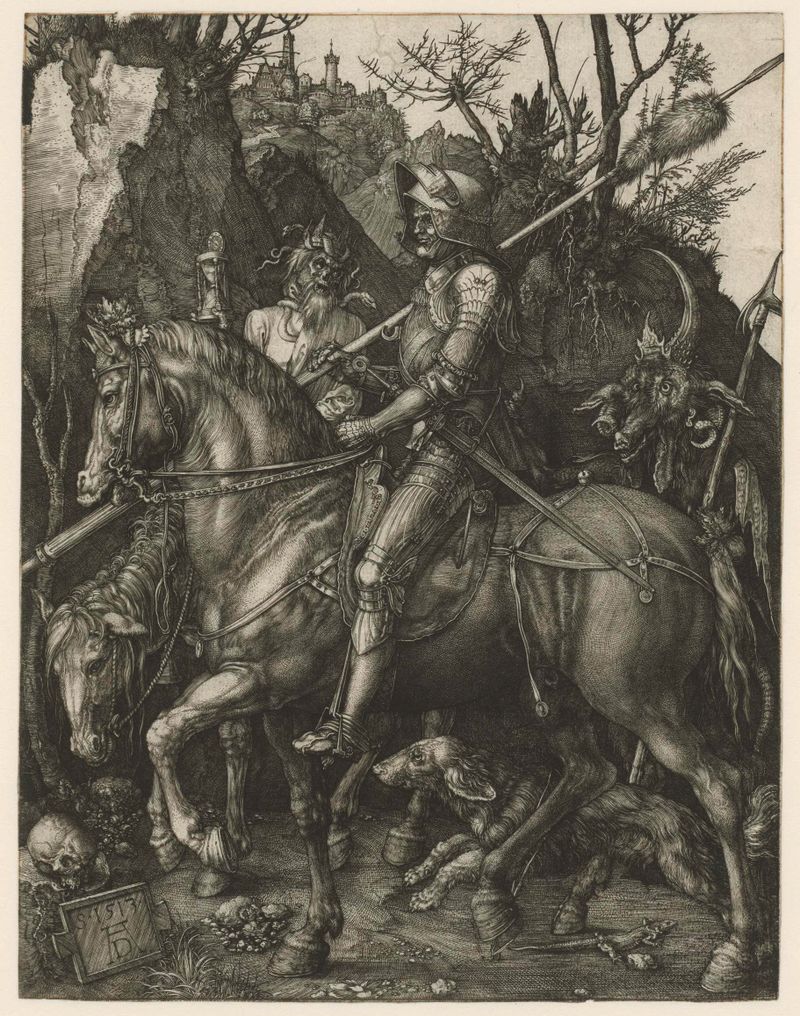
Knight, Death, and the Devil
Albrecht Dürer

De vier ruiters van de apocalyps
Albrecht Dürer

De vier ruiters van de apocalyps
Albrecht Dürer
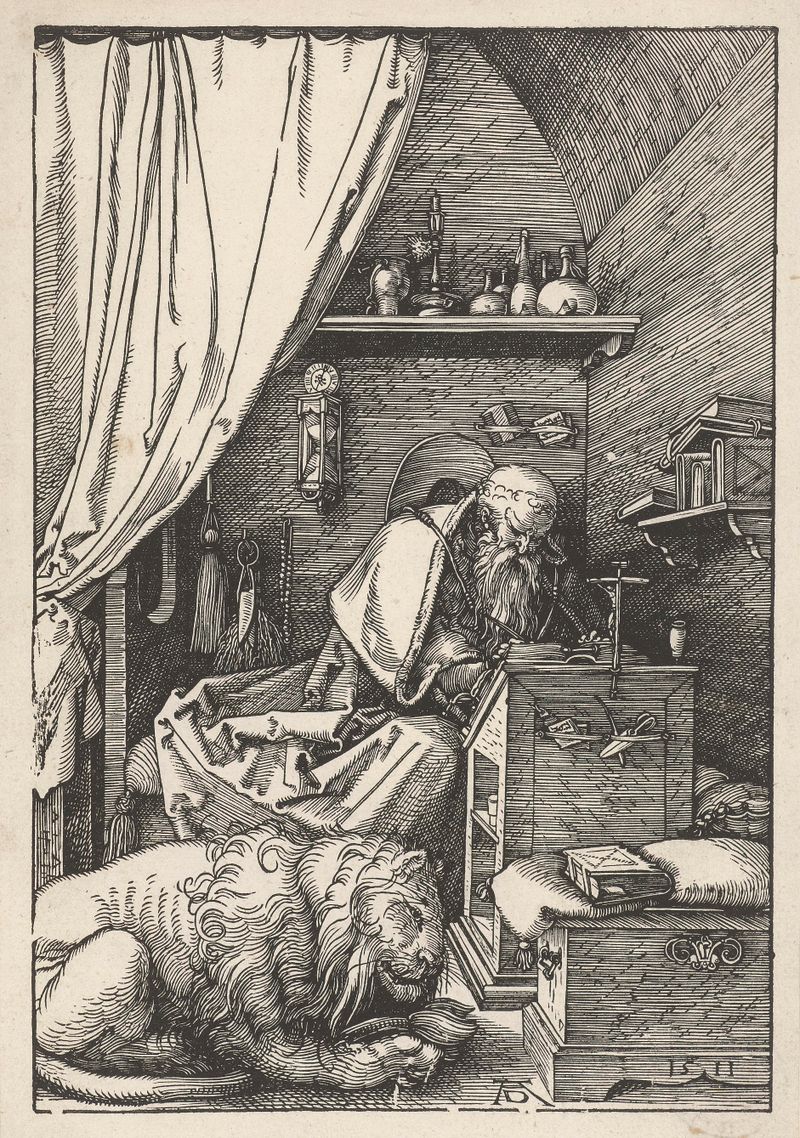
De Heilige Hiëronymus in zijn studeervertrek
Albrecht Dürer
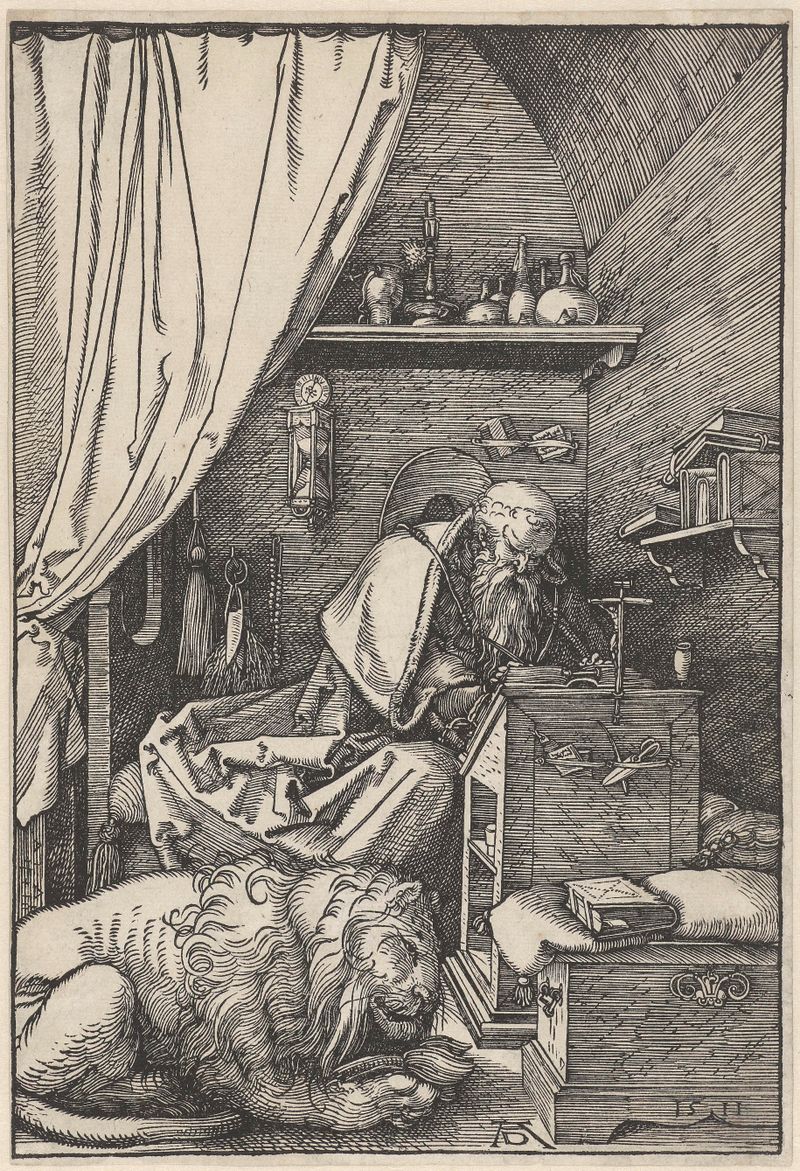
De Heilige Hiëronymus in zijn studeervertrek
Albrecht Dürer
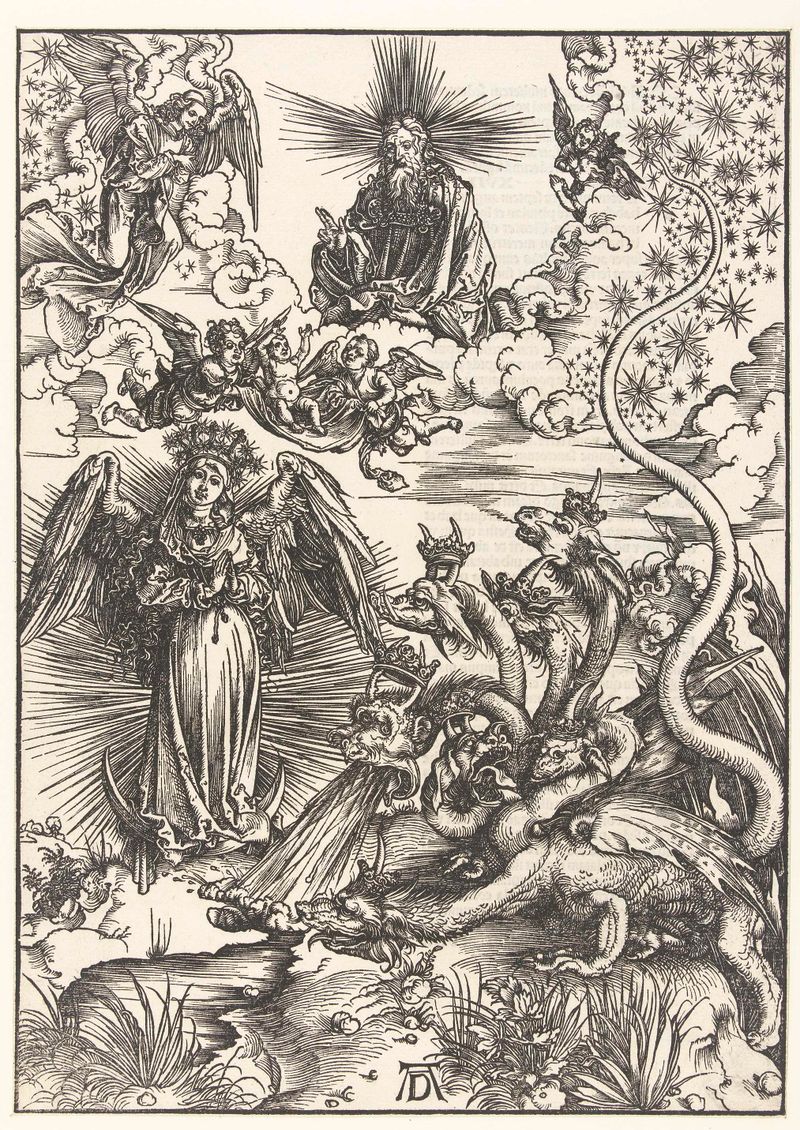
De apocalyptische vrouw en de zevenkoppige draak
Albrecht Dürer
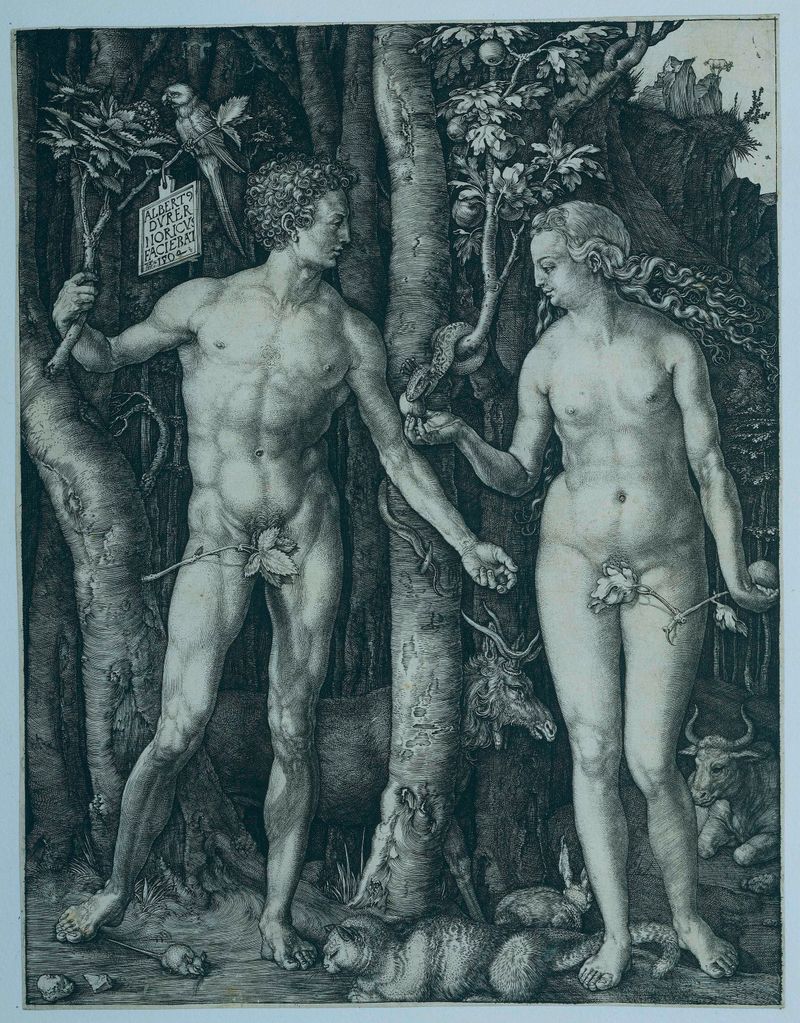
Adam en Eva
Albrecht Dürer
More Portrait Art
Browse all →
Las meninas
Diego Velázquez

Self-portrait with a Bandaged Ear and Pipe
Unidentified artist

Girl with a Pearl Earring
Johannes Vermeer

The Sampling Officials of the Amsterdam Drapers’ Guild, Known as ‘The Syndics’
Rembrandt van Rijn

The Hundred Guilder Print: the man seen on the back in the lower left corner
Rembrandt van Rijn

Portrait of Dr Gachet
Vincent van Gogh