
Alexander de Grote met zijn paard Bucephalus — History & Facts
Could beauty survive in a century of chaos? In Alexander de Grote met zijn paard Bucephalus, the answer resonates through the mastery of form and emotion captured on the canvas. Look to the center where the powerful figures of Alexander and his horse Bucephalus are poised in dynamic harmony, exuding strength and determination. The artist employs rich, earthy tones interspersed with vibrant highlights that draw attention to the tense muscles of the horse and the regal posture of the rider. Notice how the intricate details of the armor and the flowing mane create a visual rhythm, leading the eye around the painting and echoing the energy of the moment captured. Amidst this portrayal of strength, there exists a subtle tension between the ferocity of the steed and the calm resolve of its rider.
The contrasting expressions—one of fierce loyalty and the other of strategic foresight—invite deeper contemplation on the relationship between man and beast, conquest and companionship. The background, muted and abstract, amplifies the figures’ prominence, suggesting a world filled with chaos yet dominated by their presence, hinting at the fragility of beauty amid turmoil. Hans Sebald Beham painted this work between 1510 and 1550, a time characterized by increasing political strife and a shifting cultural landscape in Europe. Emerging from the Northern Renaissance, Beham sat at the intersection of humanist thought and burgeoning artistic innovation, reflecting a complex world that both inspired and challenged the pursuit of beauty, making his portrayal of these iconic figures resonate deeply within the historical context of their era.
More Artworks by Hans Sebald Beham
Browse all →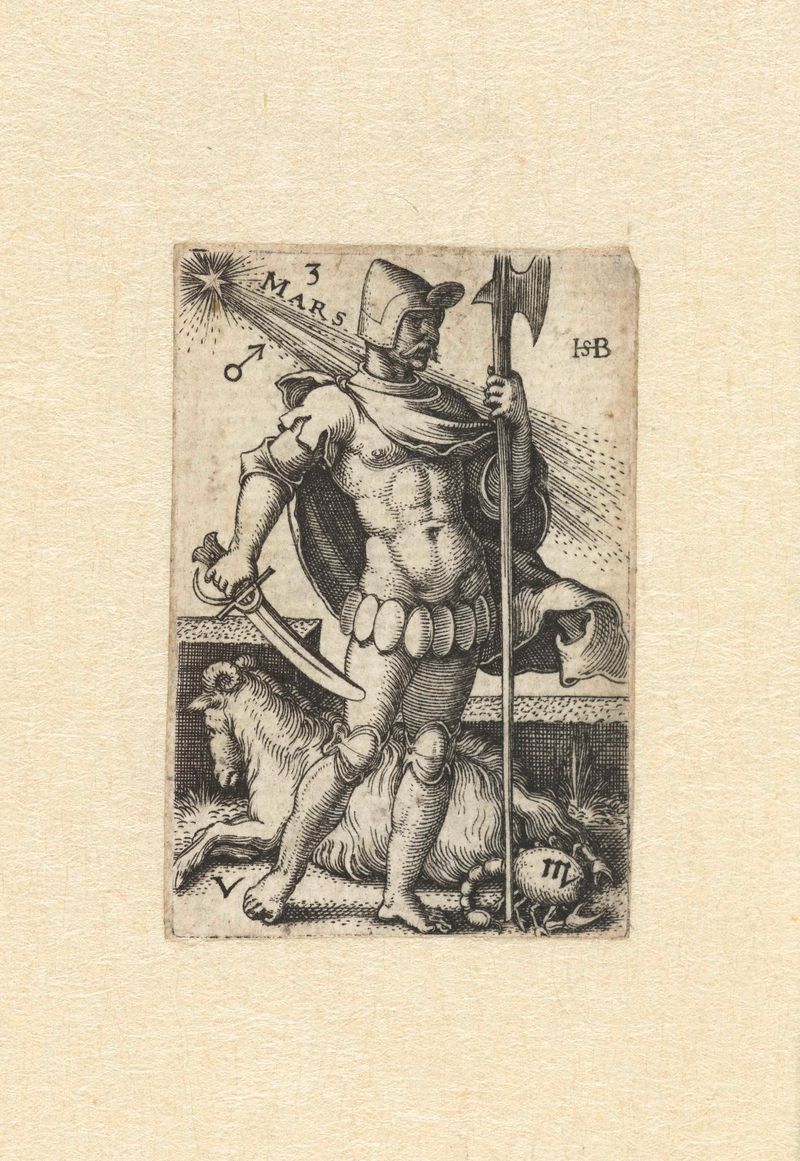
Mars met sterrenbeelden Ram en Schorpioen
Hans Sebald Beham

Achilles in gevecht met Hector
Hans Sebald Beham
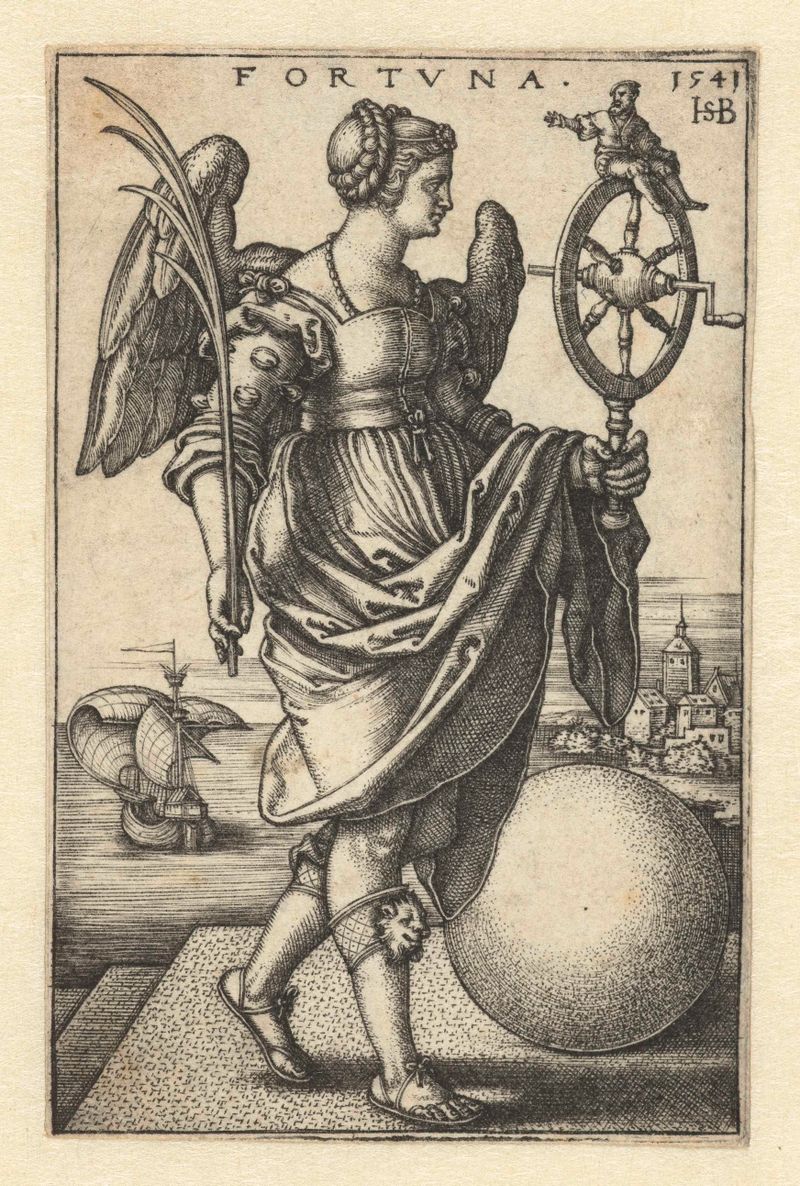
Fortuna
Hans Sebald Beham

Hercules worstelt met Antaeus
Hans Sebald Beham

Twee muzikanten met schalmey en doedelzak
Hans Sebald Beham

Voorzichtigheid (Prudentia)
Hans Sebald Beham

Hercules in gevecht met de Trojanen
Hans Sebald Beham
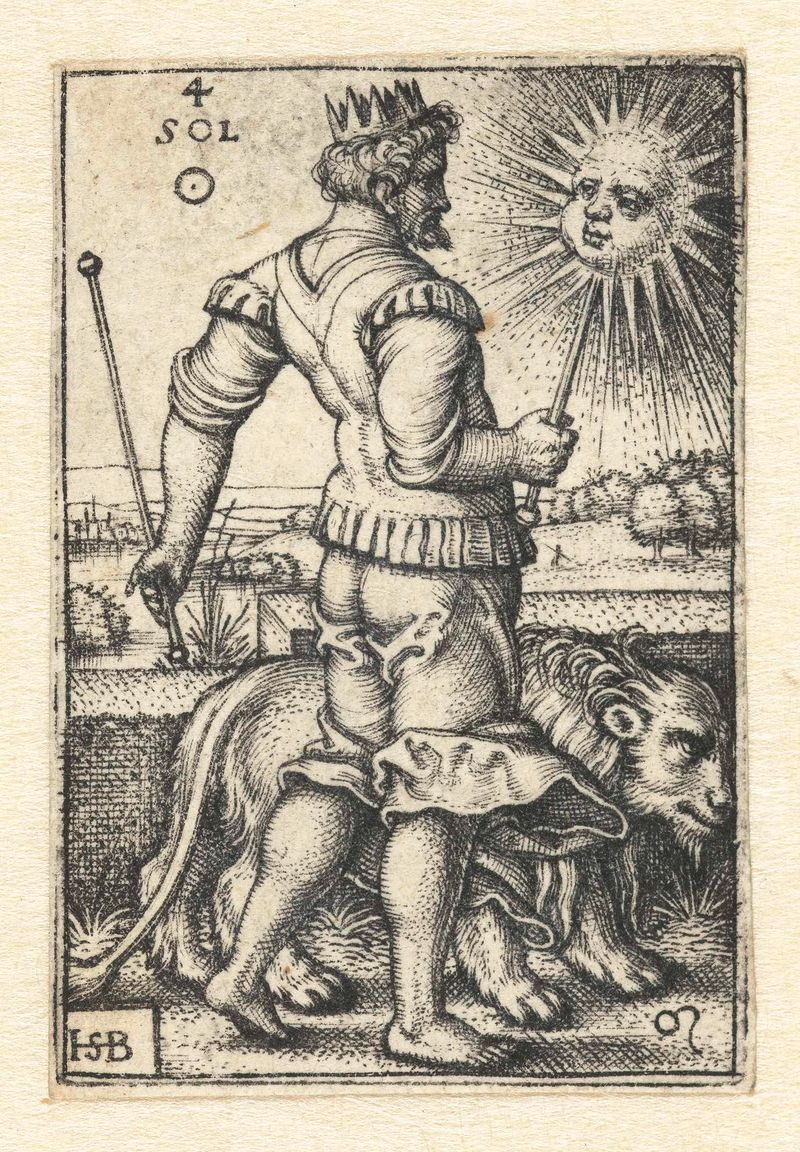
Apollo (Sol) met sterrenbeeld Leeuw
Hans Sebald Beham
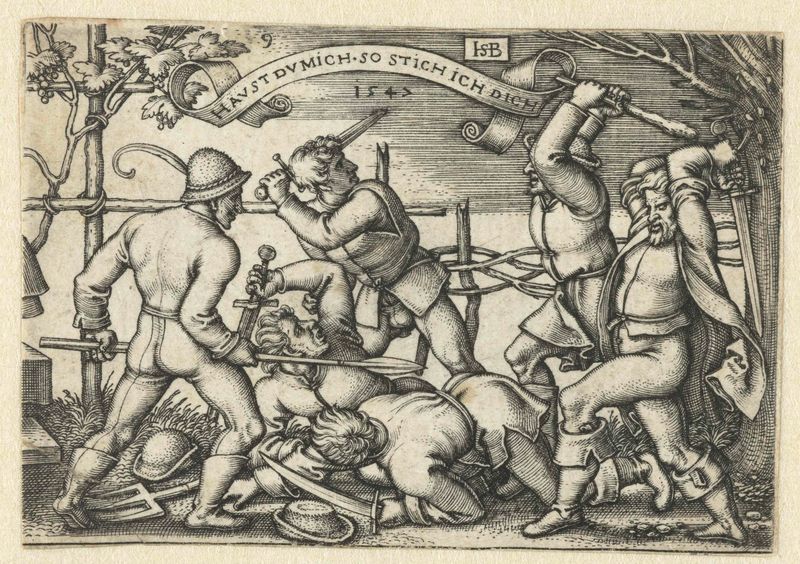
Vechtende boeren met zwaarden
Hans Sebald Beham
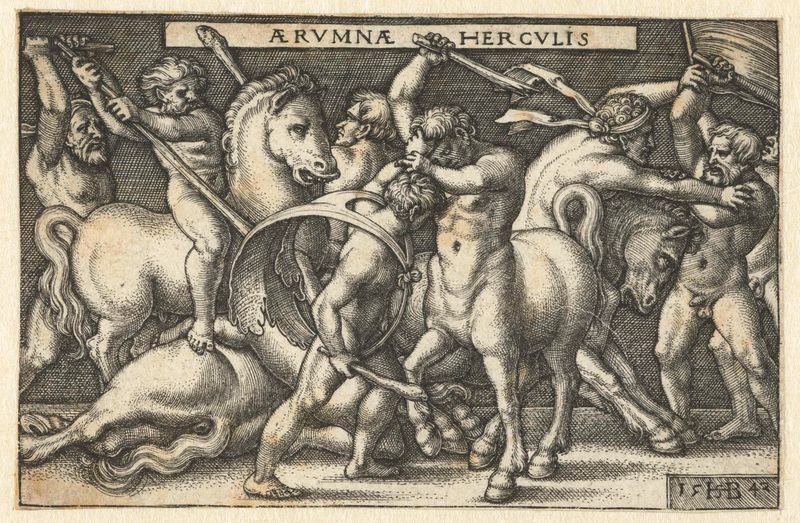
Hercules in gevecht met centaurs
Hans Sebald Beham
More Historical Art
Browse all →
The Night Watch Militia Company of District II under the Command of Captain Frans Banninck Cocq
Rembrandt van Rijn

Lincoln Memorial
Henry Bacon

The Third of May 1808
Francisco de Goya

Isaac and Rebecca, Known as ‘The Jewish Bride’
Rembrandt van Rijn

The Charge of the Mamelukes (1814)
Francisco de Goya

De vier ruiters van de apocalyps
Albrecht Dürer