
Alhambra, Spain — History & Facts
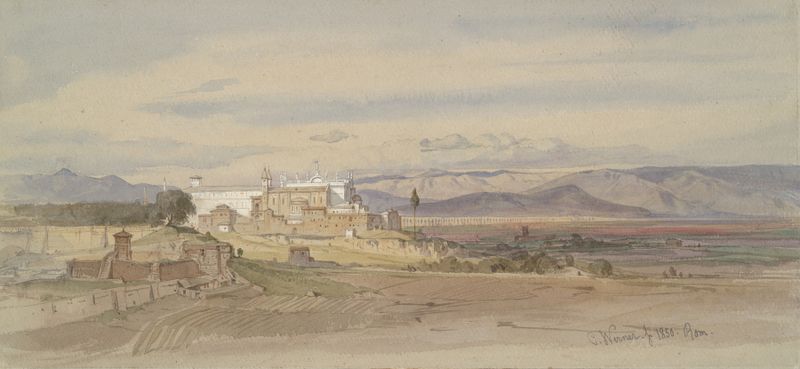
When did color learn to lie? This question lingers in the air, echoing through time and space, as we confront the picturesque splendor of a world long past. Look to the left, where the gentle curves of Alhambra rise against a soft cerulean sky. The walls, drenched in warm ochres and rich terracottas, reflect the golden sunlight, evoking a warm nostalgia that beckons us closer. Notice the delicate interplay of shadow and light skimming the ornate arches, revealing intricate tile patterns that invite a closer examination.
Each brushstroke meticulously captures the intricate details, from the lush gardens to the fortress's storied façade, enveloping the viewer in a serene embrace of history. Yet, beyond the aesthetic allure lies a deeper narrative. The artist’s choice of colors embodies a longing for a bygone era, suggesting both beauty and decay. The vibrant flora juxtaposed with the stoic architecture hints at the duality of time — the vibrancy of life fleeting against the permanence of stone.
In this moment, we witness not just a landscape, but an echo of the transient nature of existence, where every hue tells a story of what once was and what remains. In 1856, as he painted this exquisite scene, Carl Friedrich Heinrich Werner resided in Germany, deeply influenced by the Romantic movement that embraced emotion and nature. The world around him was a tapestry of change, marked by heightened interest in the exotic and historic, as Europe looked toward the past for inspiration. Werner's work exemplifies this shift, merging vivid representational art with a sense of nostalgia, capturing not just a place but a feeling that resonates through the ages.
More Artworks by Carl Friedrich Heinrich Werner
Browse all →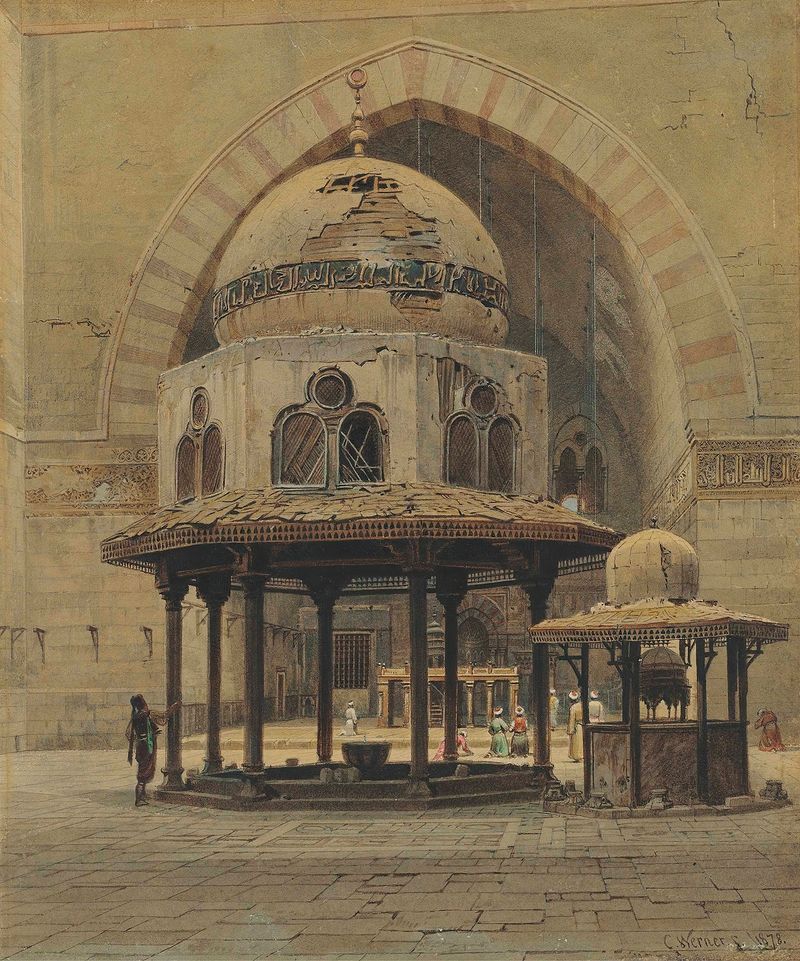
Mosque of Sultan Hassan, Cairo
Carl Friedrich Heinrich Werner
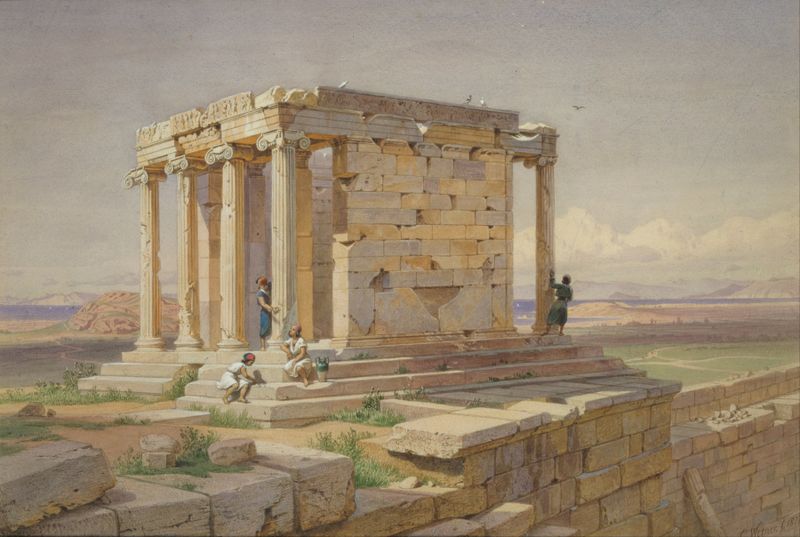
The Temple of Athena Nike. View from the North-East
Carl Friedrich Heinrich Werner
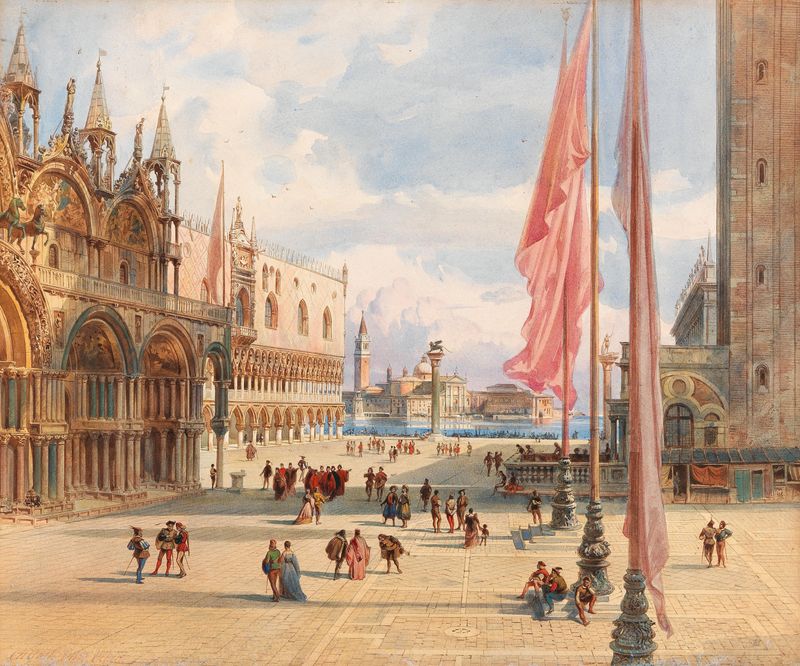
Marcus Square In Venice
Carl Friedrich Heinrich Werner

Canal Grande and Rialto Bridge
Carl Friedrich Heinrich Werner
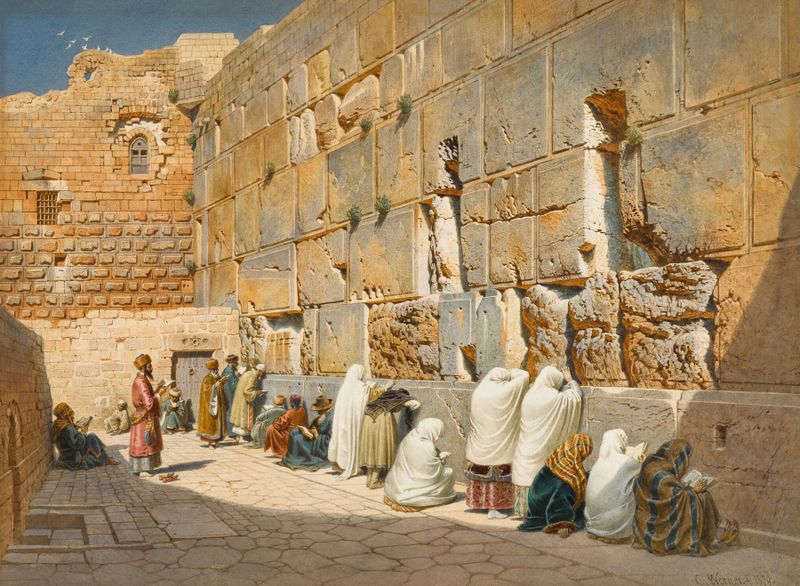
The Wailing Wall, Jerusalem
Carl Friedrich Heinrich Werner
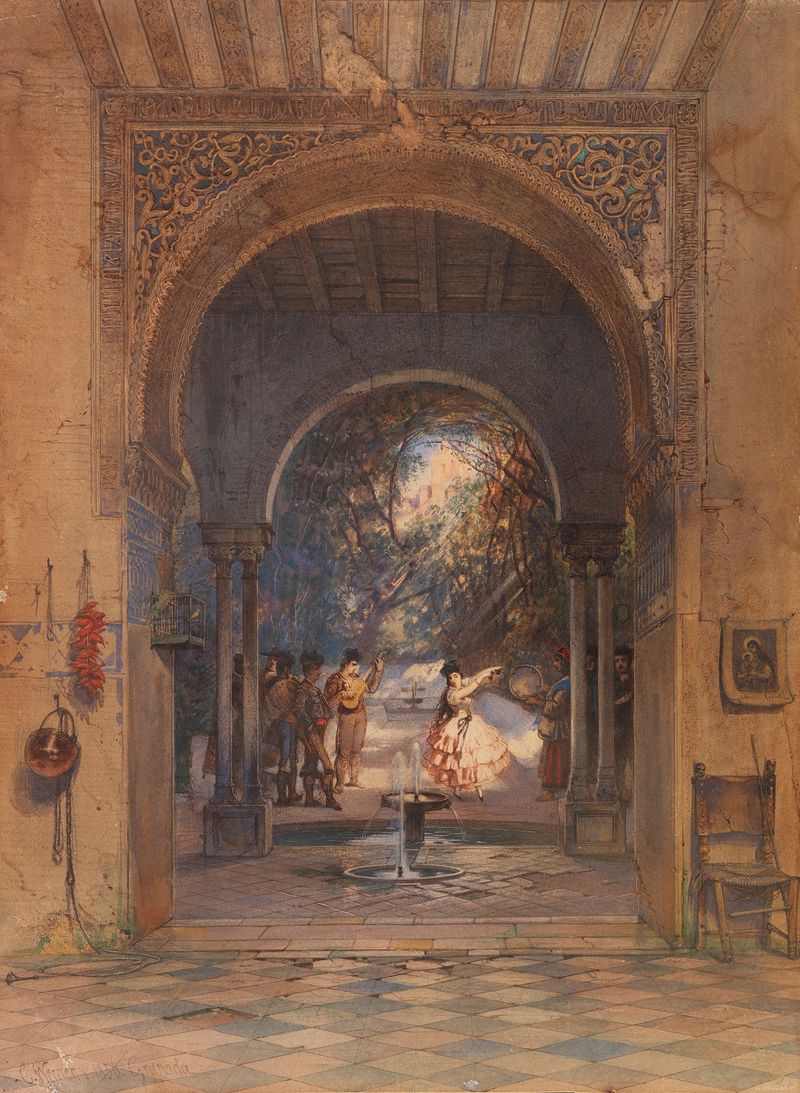
Kastagnettentänzerin in der Alhambra in Granada
Carl Friedrich Heinrich Werner
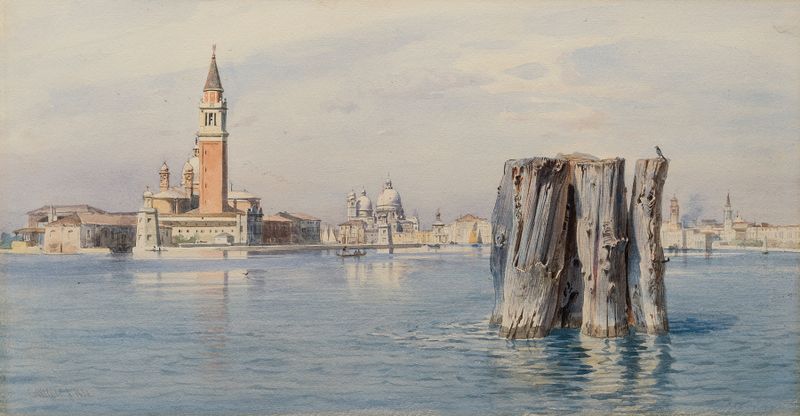
Ansicht von San Giorgio Maggiore und Santa Maria della Salute in Venedig
Carl Friedrich Heinrich Werner
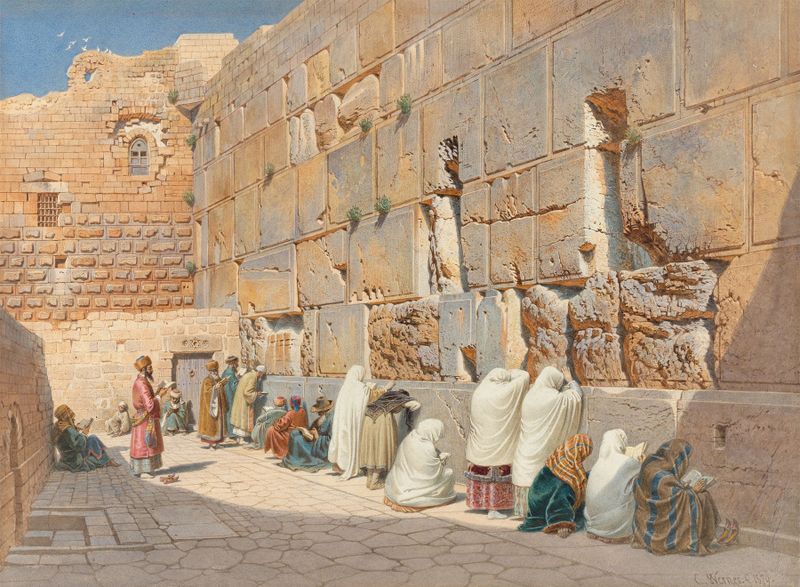
The Wailing Wall in Jerusalem
Carl Friedrich Heinrich Werner
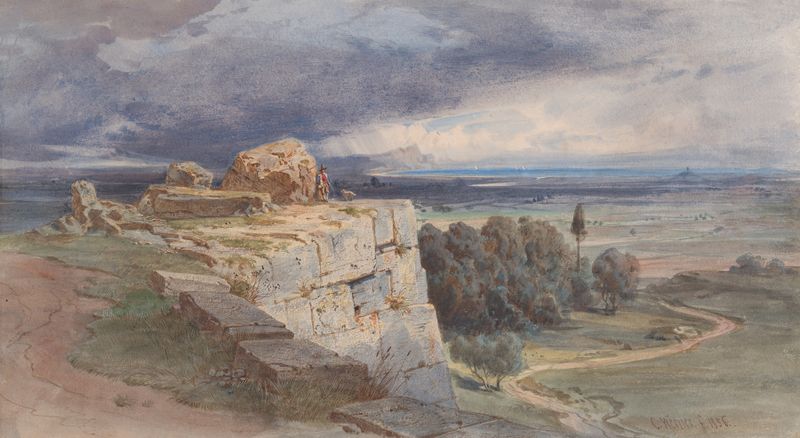
View of Norba from the North, towards San Felice Circeo
Carl Friedrich Heinrich Werner
Roman Landscape with San Giovanni in Laterano
Carl Friedrich Heinrich Werner





