Discover insights about this artwork
Allá vá eso. (There it goes.) — History & Facts
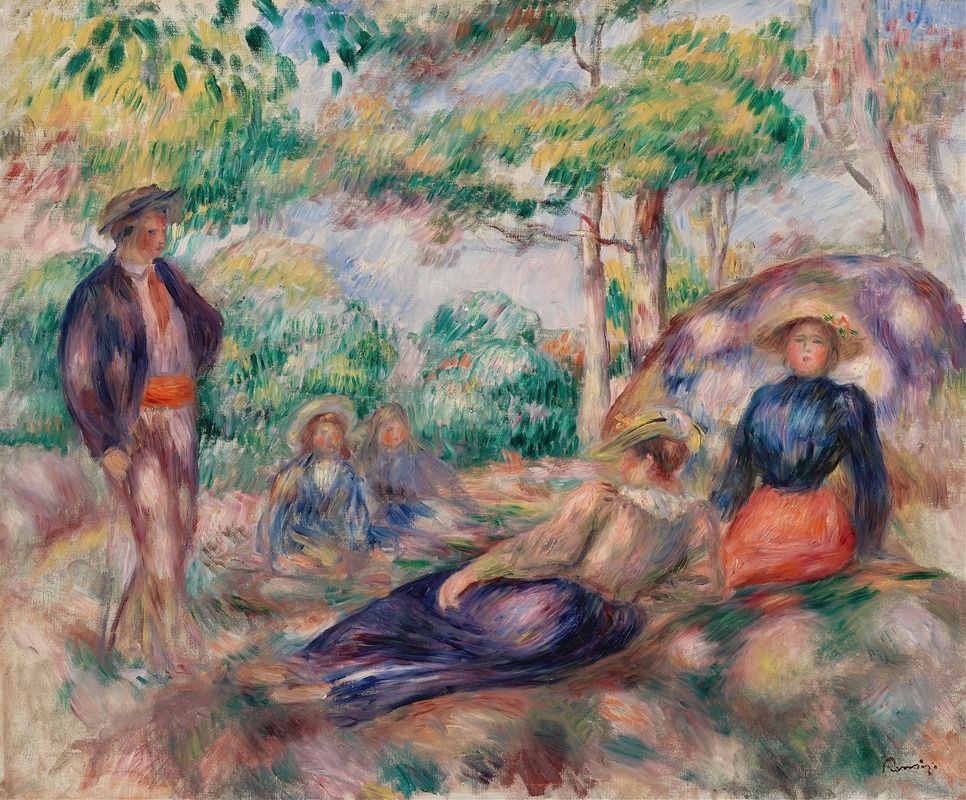
Allá vá eso. (There it goes.) features a lively scene with several peasants gathered together in a rural setting. The figures are animated, suggesting a conversation or storytelling among them.
The colors are earthy, with browns and greens dominating the palette, reflecting the agricultural environment. The expressions on their faces convey a sense of camaraderie and joy in their simple lives. Look closely at the details of their clothing, which is typical of the rural working class in Spain during Goya's time. Each figure has a unique outfit, showcasing a variety of textures and colors that bring the scene to life.
The background is softly painted, allowing the figures to stand out against the landscape. The overall composition draws the viewer into the moment, making you feel part of their gathering. Francisco de Goya was a prominent Spanish painter known for his ability to capture the essence of human emotion. He created this work during the late 18th century, a time when Spain was experiencing significant social changes.
Goya often depicted the lives of ordinary people, bringing attention to their struggles and joys. An interesting fact about him is that he was the first court painter to the Spanish crown, influencing many artists after him.
More Artworks by Francisco de Goya
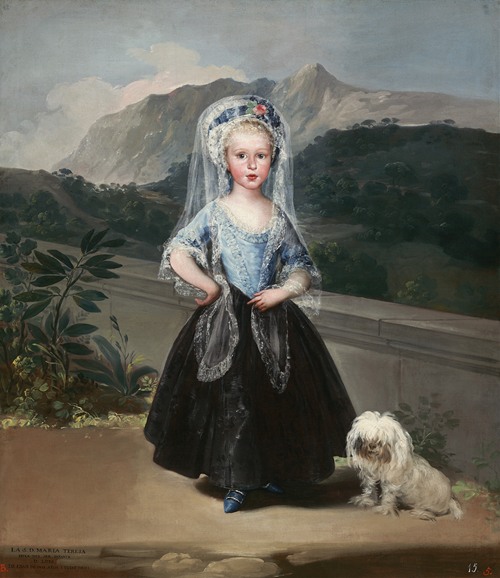
María Teresa de Borbón y Vallabriga,later Condesa de Chinchón
Francisco de Goya
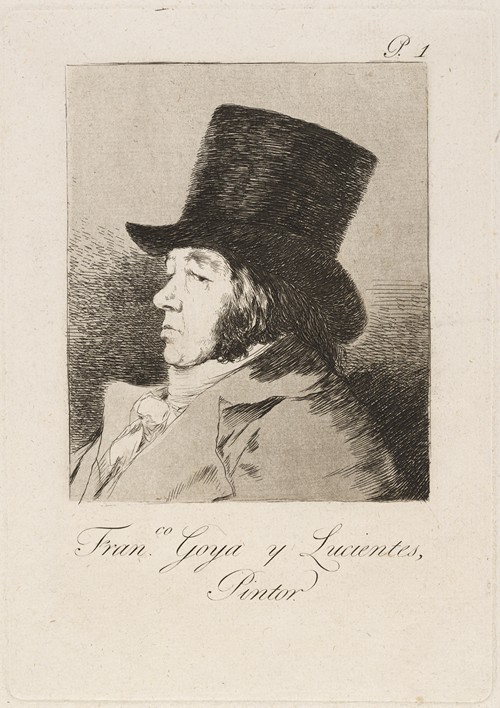
Francisco Goya y Lucientes, Pintor (Francisco Goya y Lucientes, painter)
Francisco de Goya
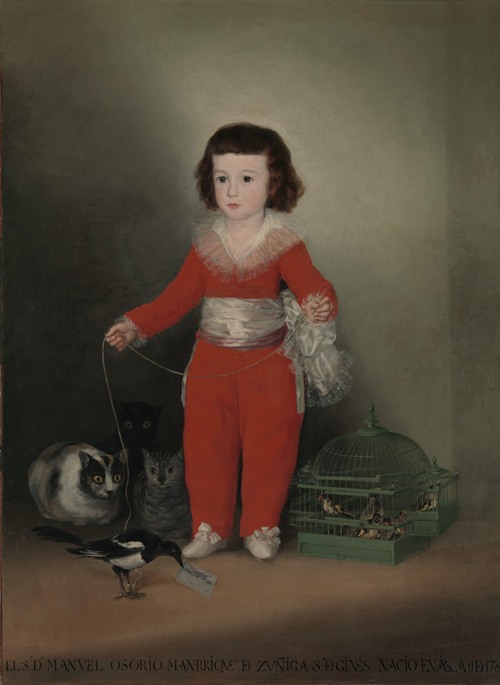
Manuel Osorio Manrique de Zuñiga (1784–1792)
Francisco de Goya
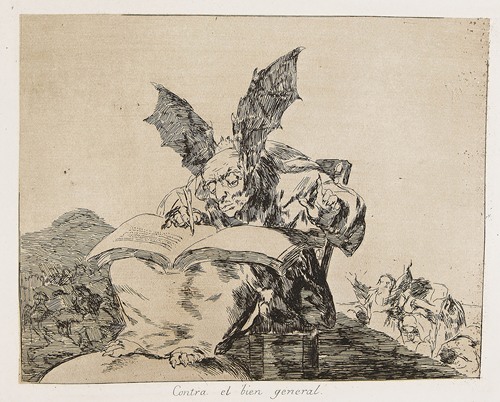
Los desastres de la guerra
Francisco de Goya
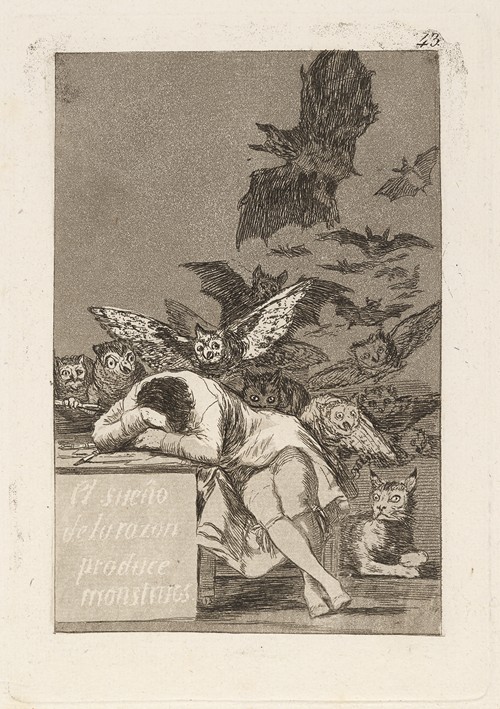
El sueño de la razon produce monstruos. (The sleep of reason produces monsters.)
Francisco de Goya
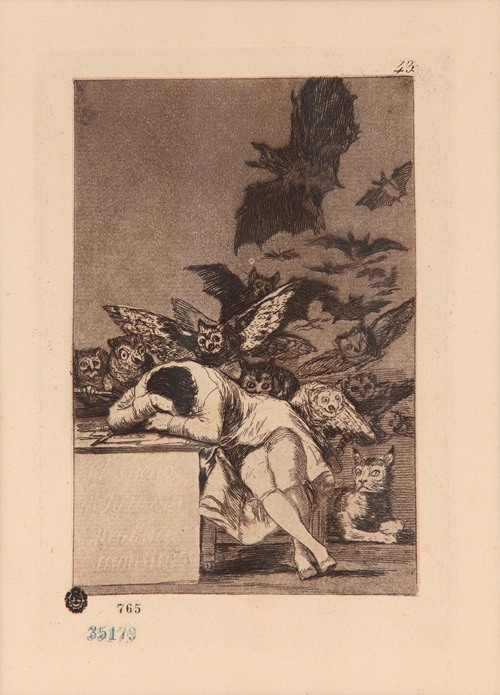
El sueño de la razon produce moustruos (Serie Caprichos)
Francisco de Goya
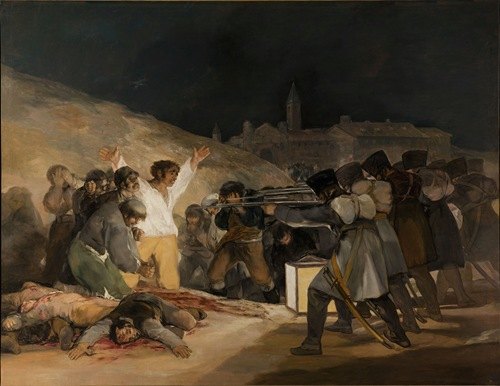
The Third of May
Francisco de Goya
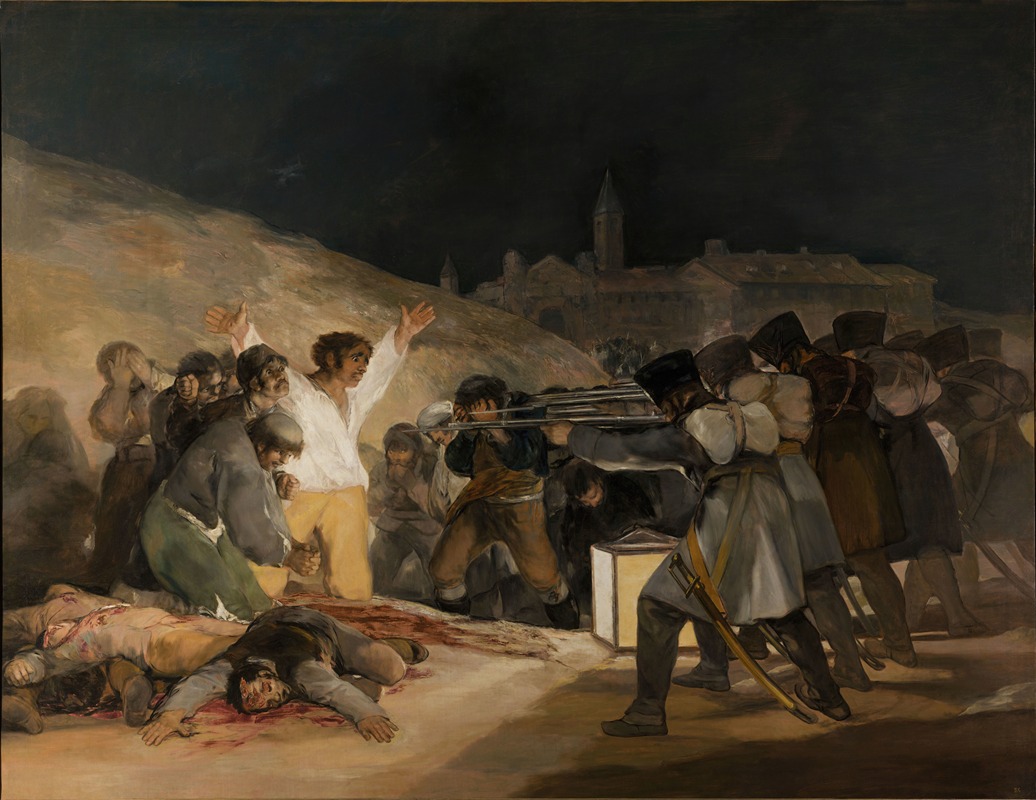
The Third of May 1808
Francisco de Goya
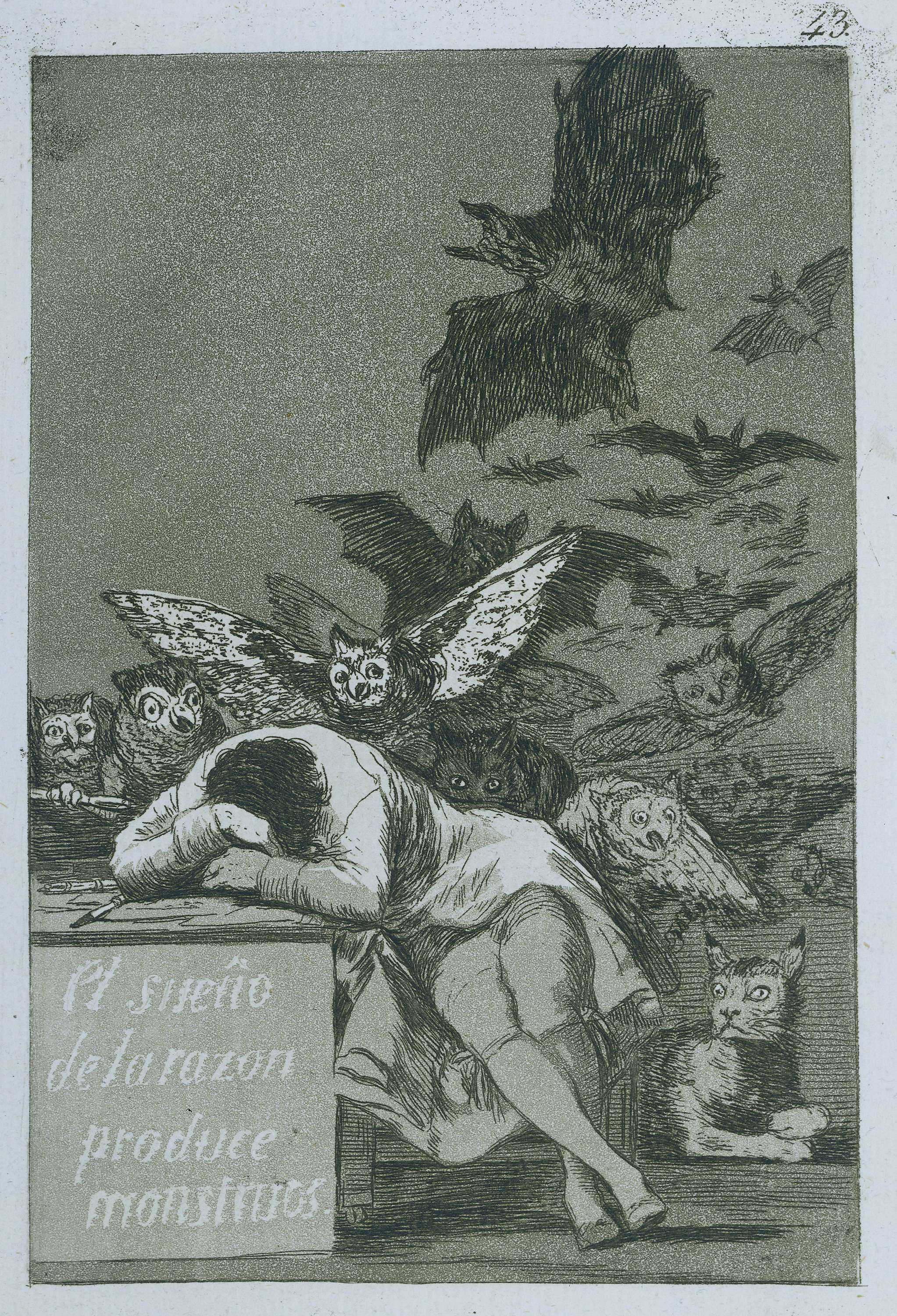
De slaap van de rede brengt monsters voort
Francisco de Goya
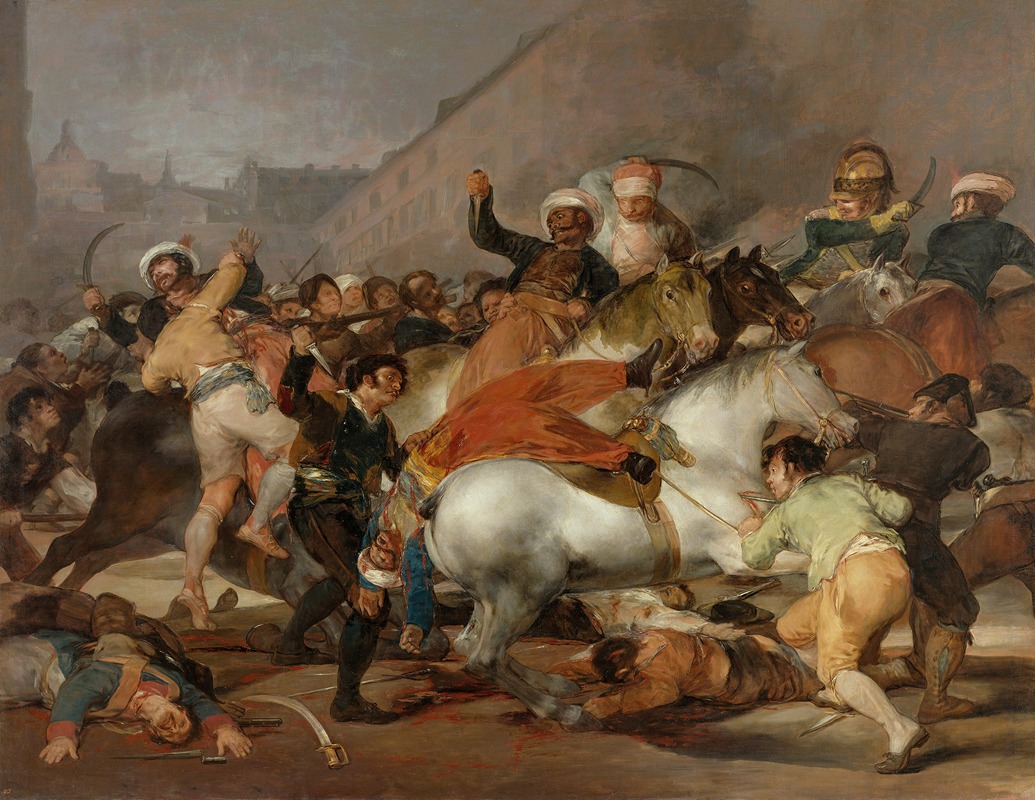
The Charge of the Mamelukes (1814)
Francisco de Goya