
Allan Ramsay, 1713 - 1784. Artist (Self-portrait) — History & Facts
A face emerges from the darkness, framed by a soft oval that draws the eye to a gaze both direct and reserved. The sitter, caught in a moment of poised self-awareness, meets us with a calm that feels almost like a challenge. There is no clutter, no backdrop of books or brushes—only the play of light across the brow, the crisp white of a neckcloth, and the rich, warm folds of a cloak.
The artist has chosen to let the features do the talking: the careful arch of an eyebrow, the slight parting of lips, the suggestion of a question left unasked. Every brushstroke is designed to hold our attention on the face, to invite us to wonder what thoughts lie behind those steady eyes. Painted in 1781, this portrait belongs to a world where the self-portrait was both a calling card and a declaration of artistic identity. In late eighteenth-century Britain, artists often painted themselves to assert their place in a rapidly changing society—one where the status of the painter was rising, and the art market was becoming ever more competitive.
This work, now in the National Galleries Scotland, stands as a testament to that era’s fascination with character and reputation. History has kept few traces of the exact moment or purpose behind this painting, but the clarity of its vision remains: a reminder that, in the age of Enlightenment, to paint oneself was an act of ambition as much as introspection. The sitter’s gaze still asks us to look again, and to look closely.
More Artworks by Alexander Nasmyth

View of the City of Edinburgh
Alexander Nasmyth
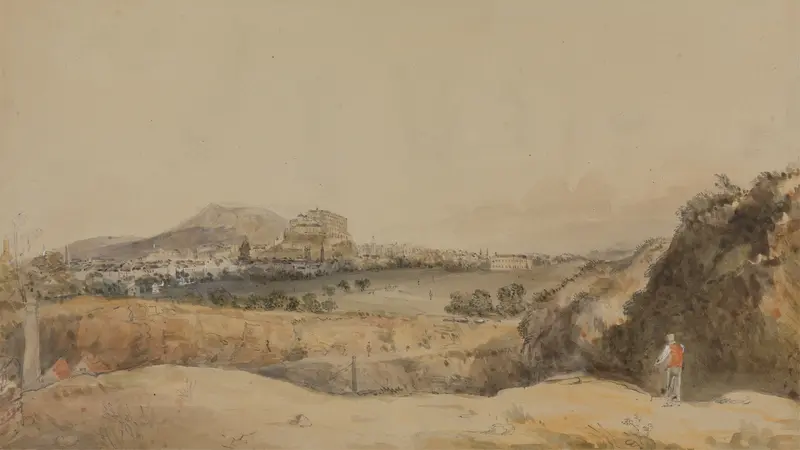
A View of Edinburgh
Alexander Nasmyth

A View Of Edinburgh From Corstophine Hill
Alexander Nasmyth
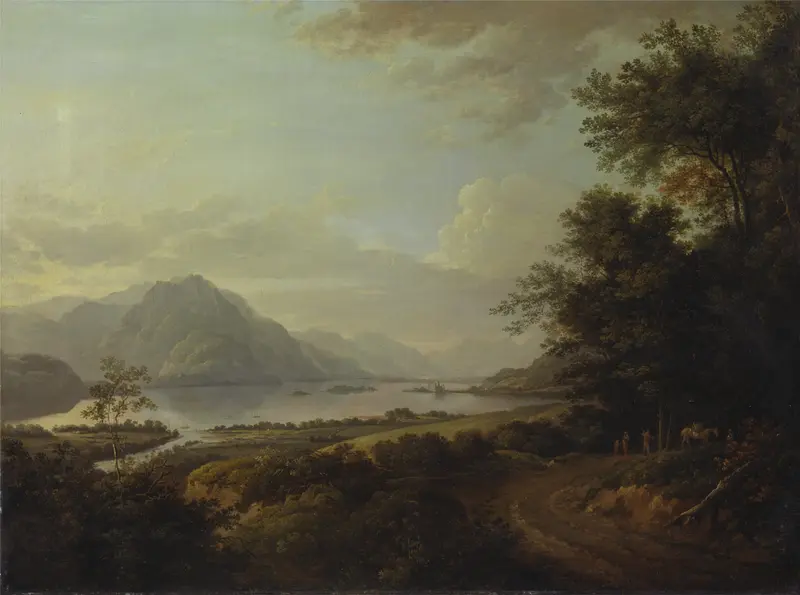
Loch Awe, Argyllshire
Alexander Nasmyth
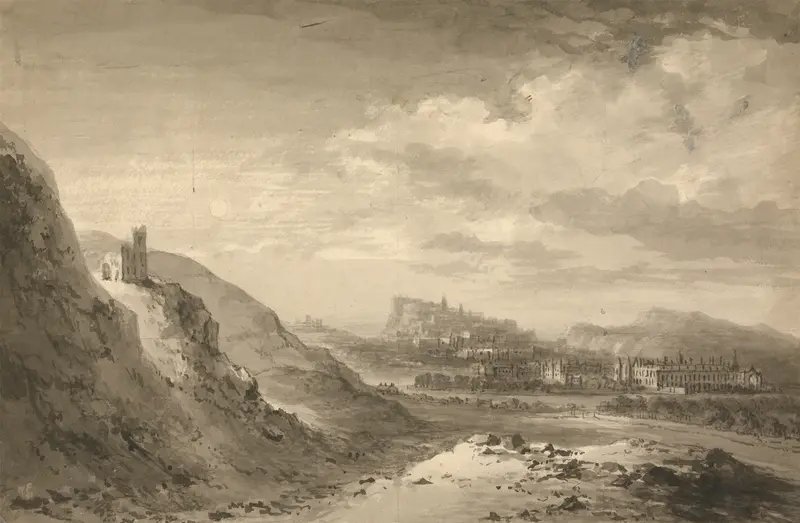
Edinburgh
Alexander Nasmyth
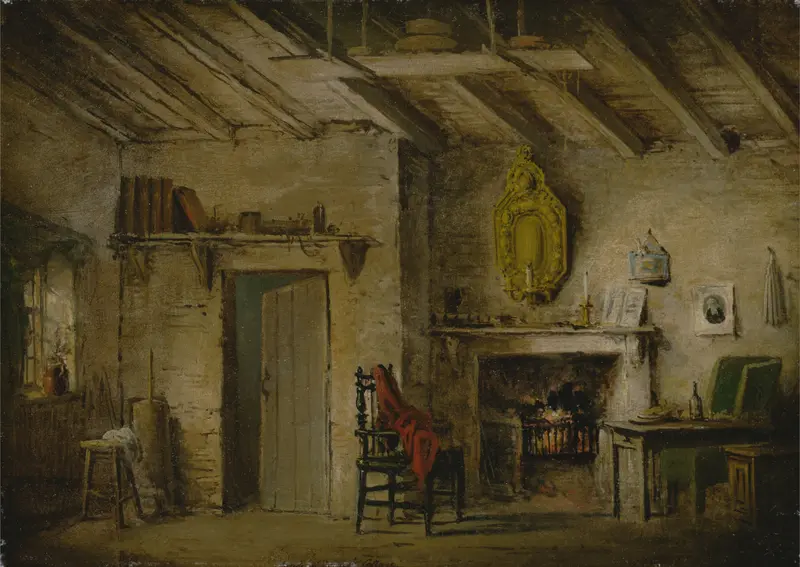
Stage Design for Heart of Midlothian; Deans' Cottage
Alexander Nasmyth
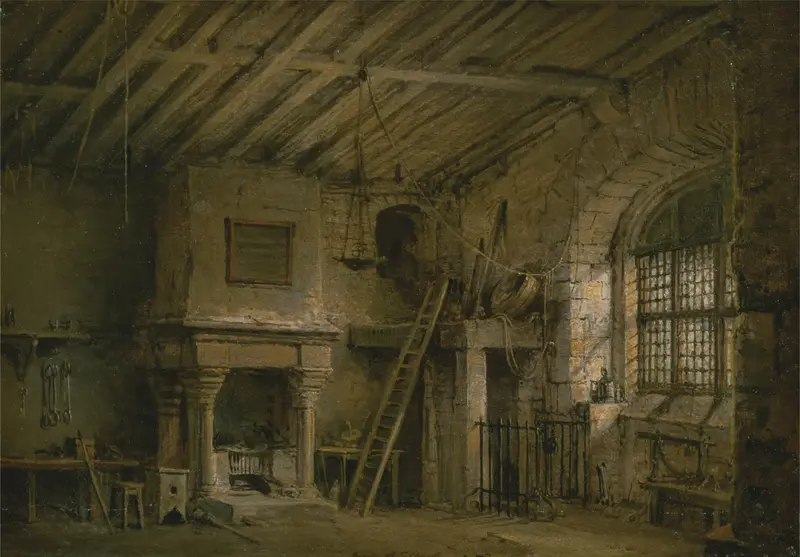
Stage Design for Heart of Midlothian; The Tolbooth
Alexander Nasmyth
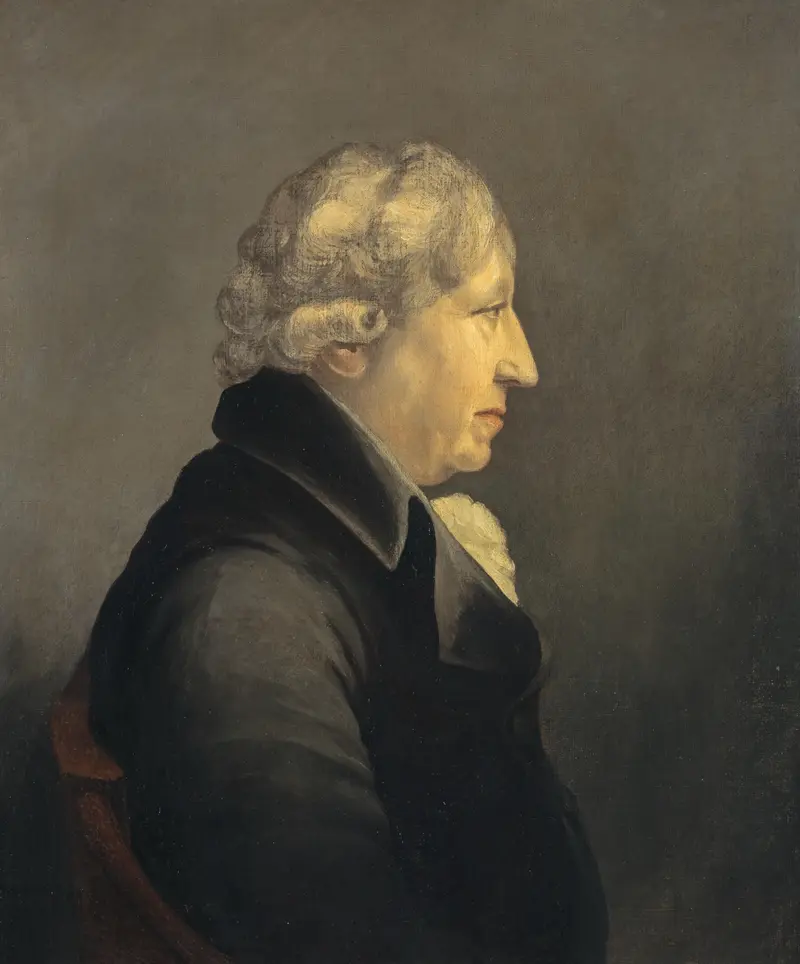
Patrick Miller of Dalswinton, 1731 - 1815. Pioneer of steam navigation
Alexander Nasmyth
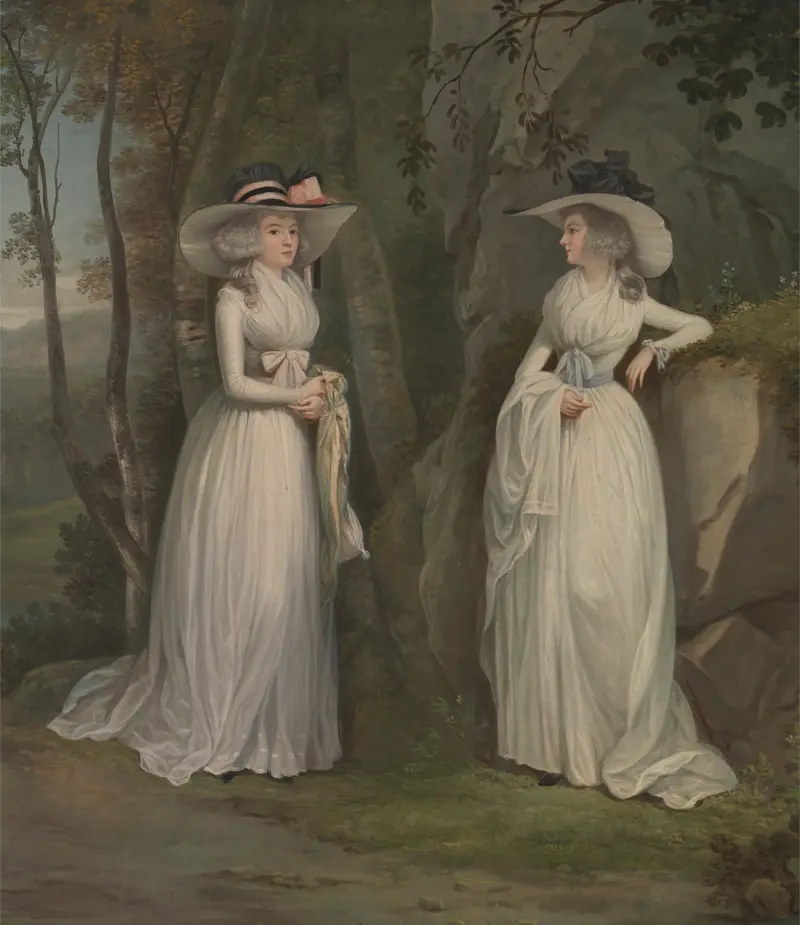
Eleanor and Margaret Ro
Alexander Nasmyth
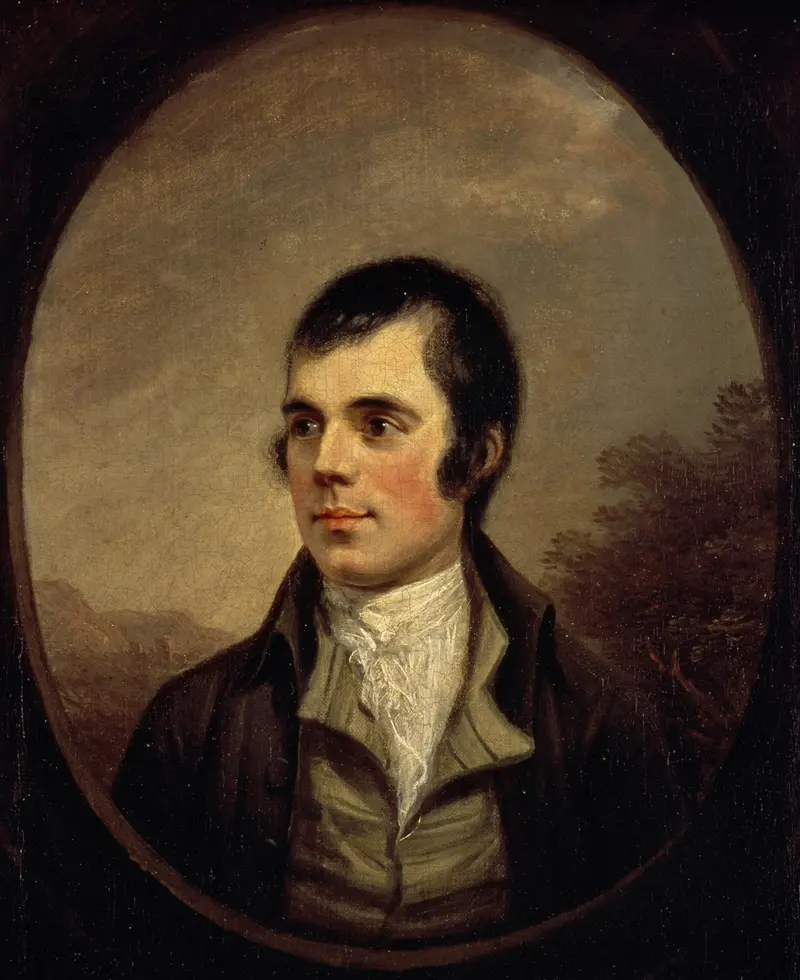
Robert Burns, 1759 - 1796. Poet
Alexander Nasmyth





