
Stage Design for Heart of Midlothian; Deans' Cottage — History & Facts
The first thing that draws the eye in Stage Design for Heart of Midlothian; Deans' Cottage is the way light quietly pools across the rough interior, catching on the battered chair and the scarlet cloth draped over it. The scene is all anticipation: a door left ajar, a fire that is more embers than blaze, and a shelf of books that lean as if waiting for a hand to reach up. Every object feels chosen for its story—an empty bottle, a single candlestick, a portrait tucked on the wall—each one a silent witness to the lives that pass through this humble room.
The golden frame above the hearth, ornate and oddly grand for such a modest setting, hints at pride or memory, a relic from another life. This work, dated circa 1819, belongs to a world where stage design was itself a kind of storytelling, conjuring entire novels or histories in a single glance. In the early nineteenth century, artists like Alexander Nasmyth were often called upon to create such settings for the theatre, translating the growing appetite for literary adaptations into painted backdrops that could transport audiences to distant cottages or stormy moors. The careful attention to domestic detail here is typical of the period’s fascination with the everyday, a counterpoint to the grand gestures of history painting.
Though little is recorded about this specific piece, its presence in the Google Cultural Institute collection ensures that the quiet drama of Deans' Cottage continues to invite new viewers to step inside and imagine the stories that might unfold.
More Artworks by Alexander Nasmyth

View of the City of Edinburgh
Alexander Nasmyth
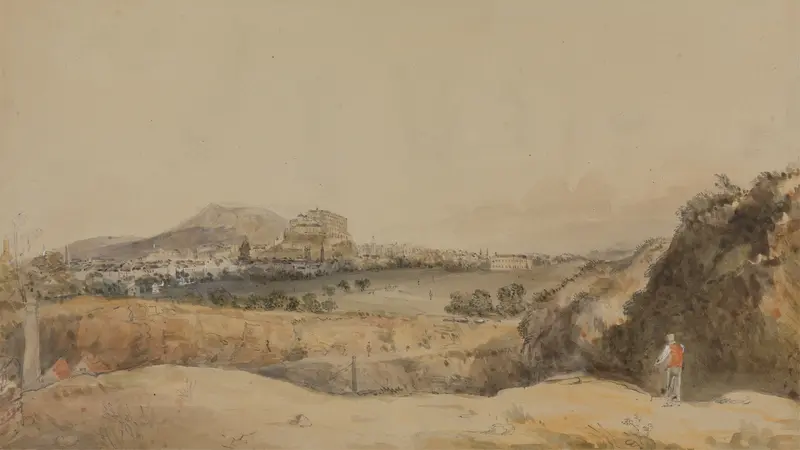
A View of Edinburgh
Alexander Nasmyth

A View Of Edinburgh From Corstophine Hill
Alexander Nasmyth
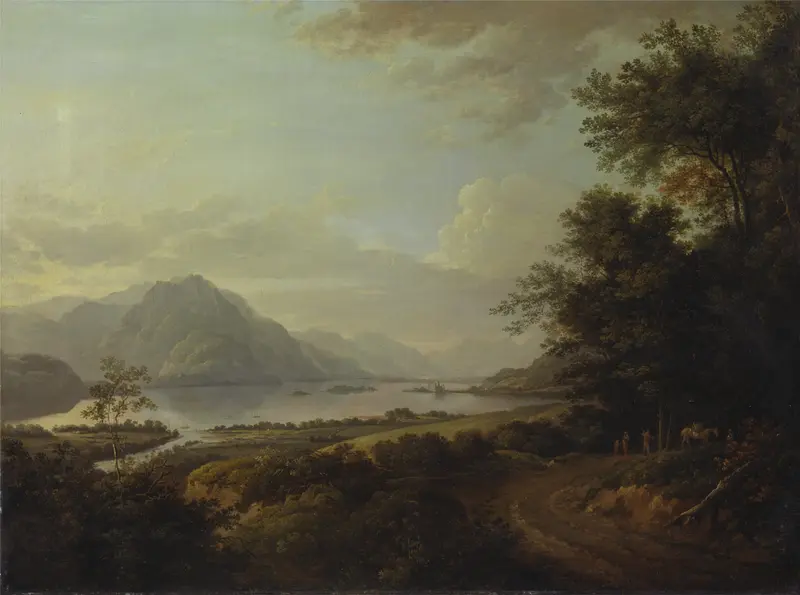
Loch Awe, Argyllshire
Alexander Nasmyth
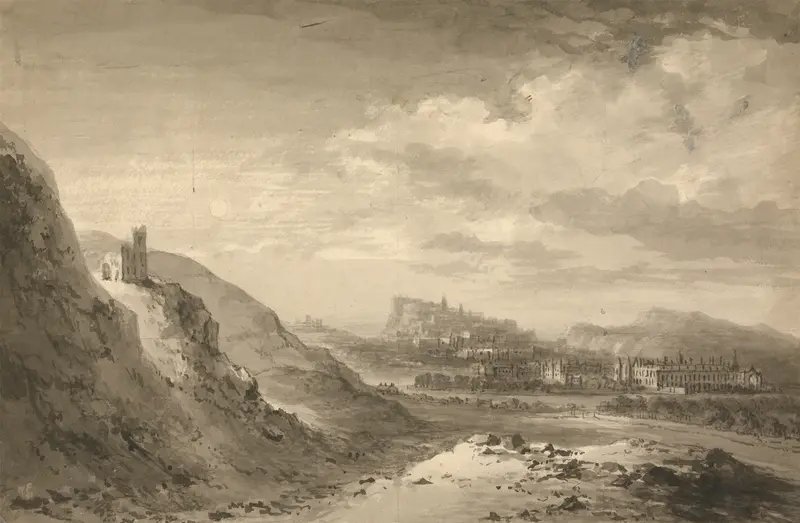
Edinburgh
Alexander Nasmyth
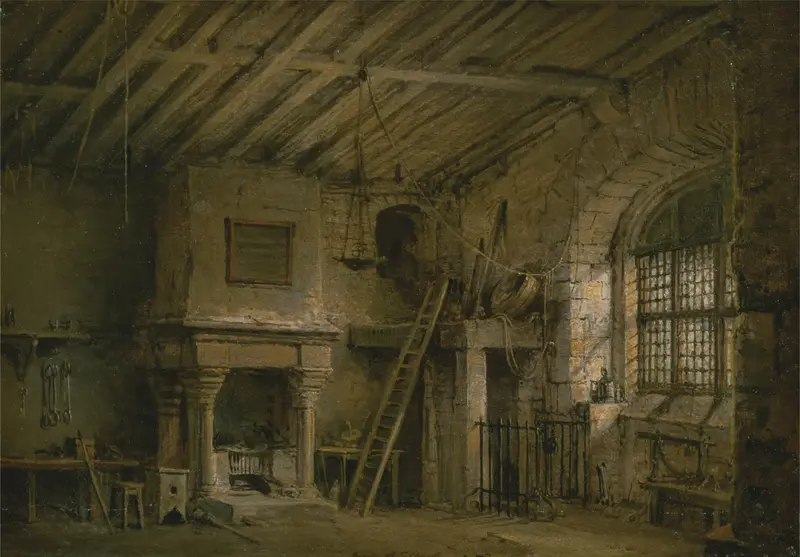
Stage Design for Heart of Midlothian; The Tolbooth
Alexander Nasmyth
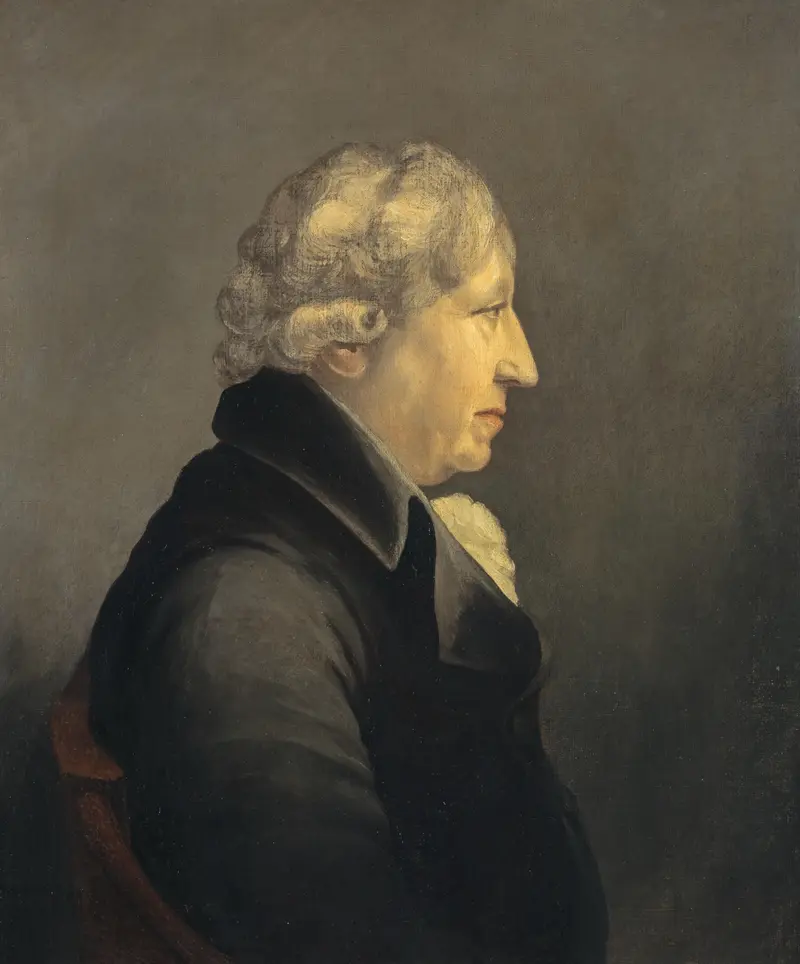
Patrick Miller of Dalswinton, 1731 - 1815. Pioneer of steam navigation
Alexander Nasmyth
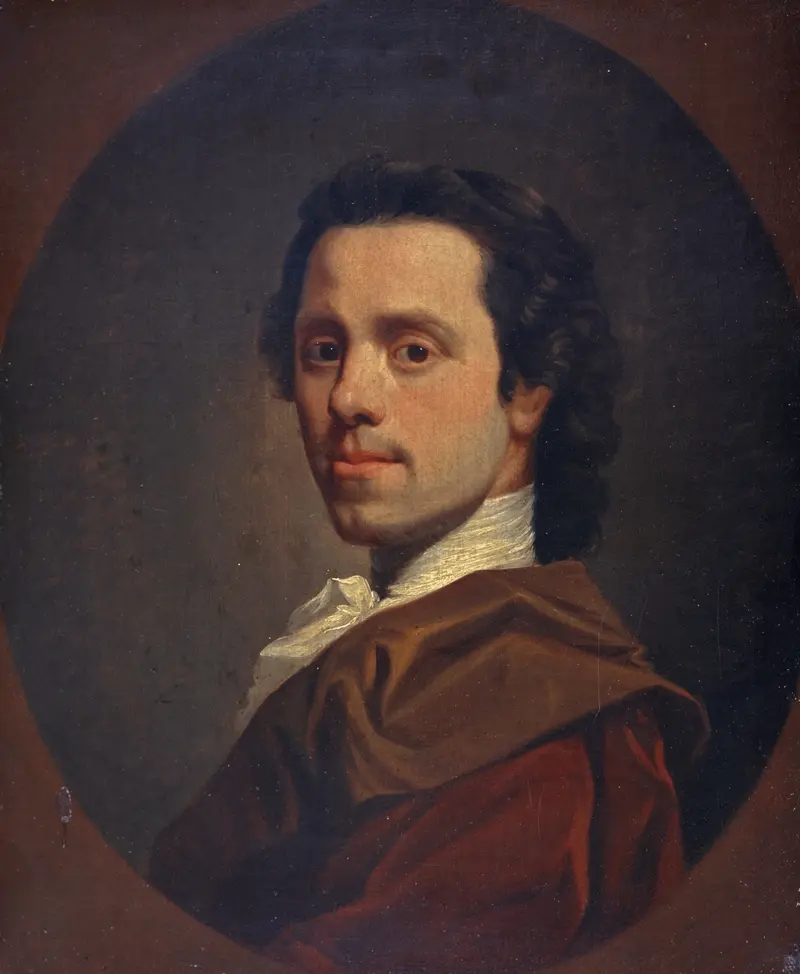
Allan Ramsay, 1713 - 1784. Artist (Self-portrait)
Alexander Nasmyth
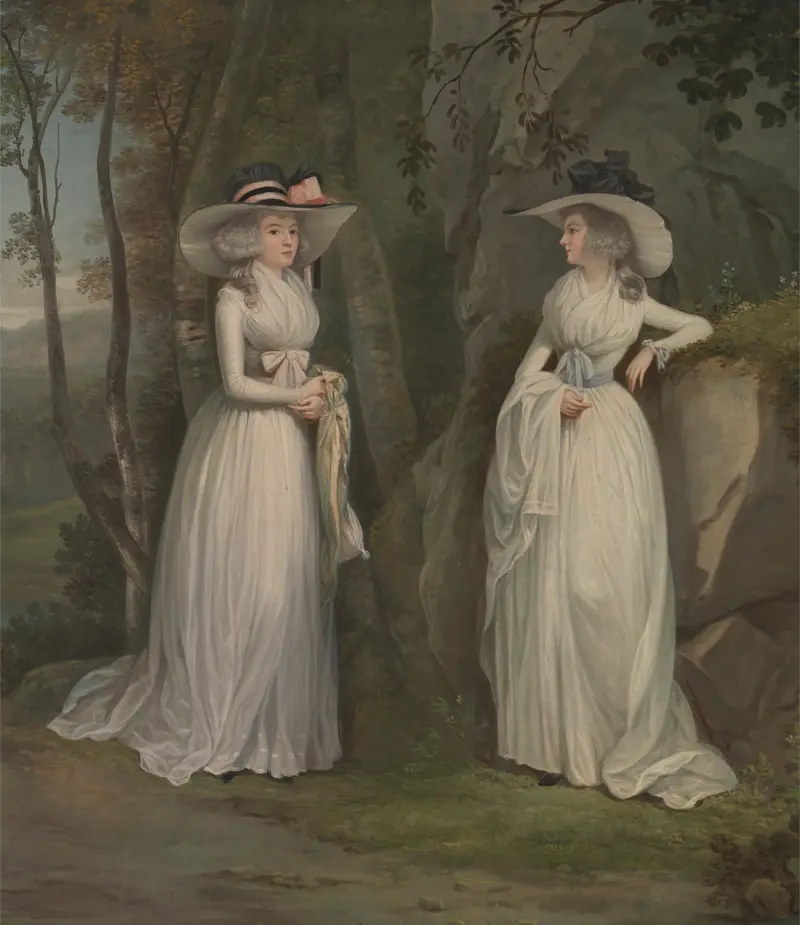
Eleanor and Margaret Ro
Alexander Nasmyth
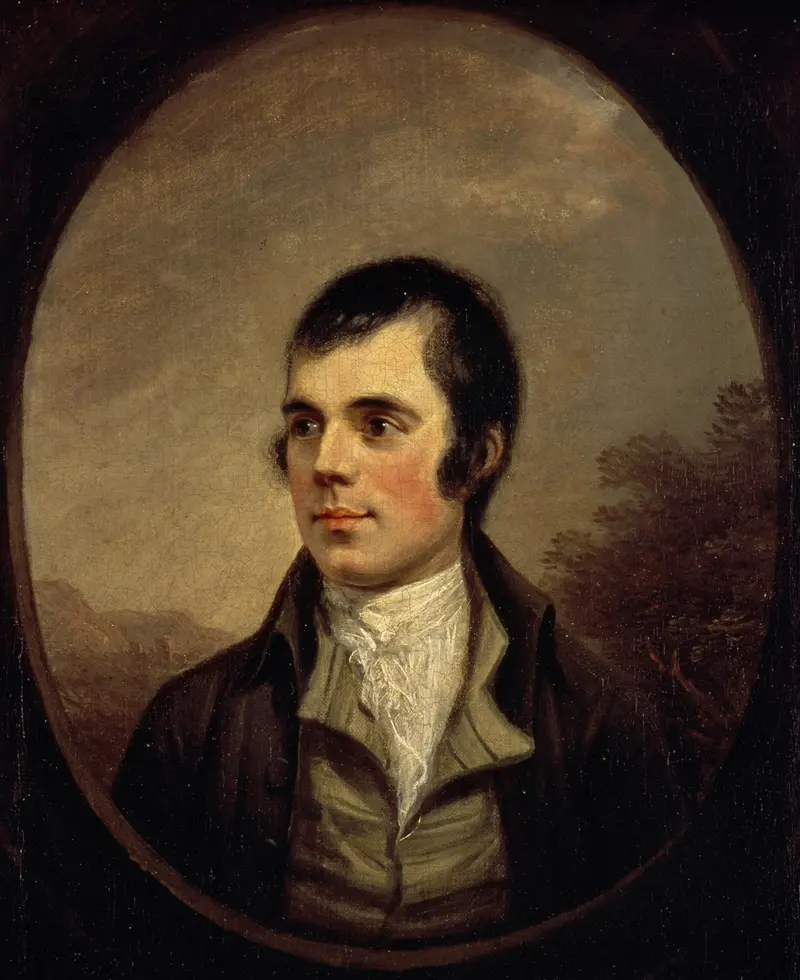
Robert Burns, 1759 - 1796. Poet
Alexander Nasmyth





