
Stage Design for Heart of Midlothian; The Tolbooth — History & Facts
A shaft of pale light slices through the heavy gloom, catching on the iron bars of a window and illuminating the rough-hewn stone of a forbidding chamber. The eye is drawn not to drama or figures, but to the silent architecture of confinement: ladders leaning against soot-blackened walls, ropes dangling from the rafters, and the cold geometry of a barred gate. Every object here serves a purpose—restraint, division, the slow passage of time.
The angled beams and deep shadows create a sense of weight pressing down, while the single window hints at a world just out of reach, its promise of freedom filtered through a lattice of iron. Works like this, created in the early nineteenth century, often served as stage designs or visual aids for theatrical productions, immersing audiences in the atmosphere of stories both real and imagined. Around 1819, when Alexander Nasmyth painted this scene, the fascination with historical novels and the gothic revival was at its height, and artists were called upon to conjure the settings of famous tales—here, the notorious Tolbooth prison from Heart of Midlothian. Such designs were rarely preserved, and history has kept few traces of their creators’ intentions or the precise uses of each work.
Yet the mood and meticulous detail in this piece invite viewers to linger, piecing together the lives and stories that might have unfolded within these walls.
More Artworks by Alexander Nasmyth

View of the City of Edinburgh
Alexander Nasmyth
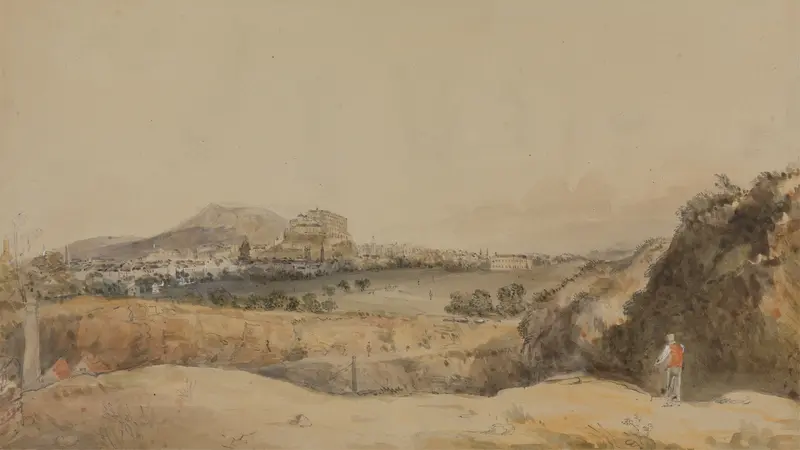
A View of Edinburgh
Alexander Nasmyth

A View Of Edinburgh From Corstophine Hill
Alexander Nasmyth
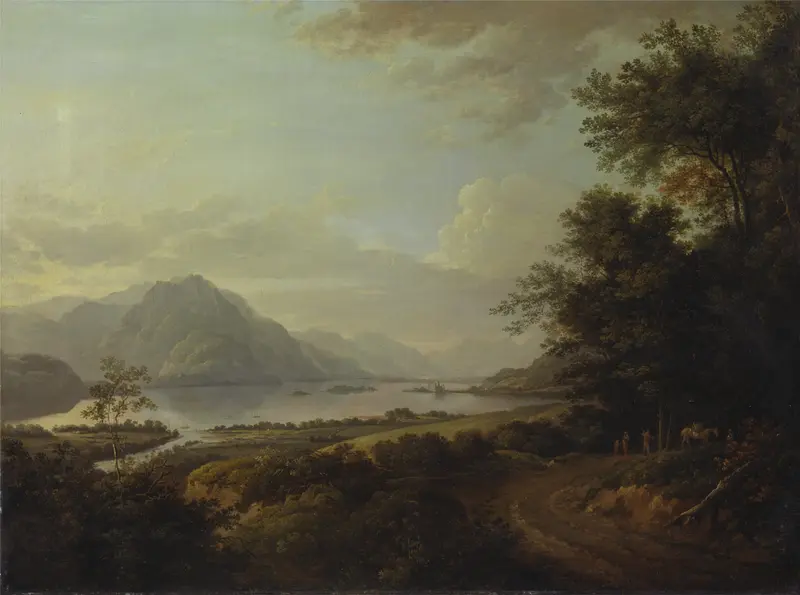
Loch Awe, Argyllshire
Alexander Nasmyth
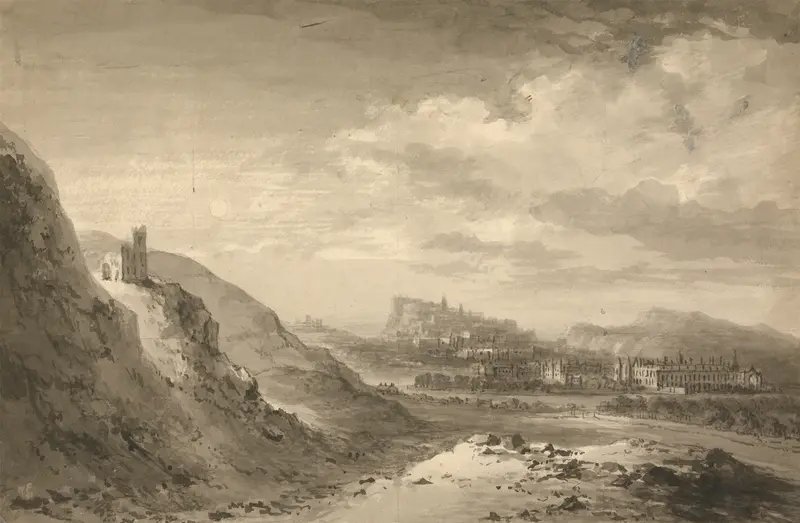
Edinburgh
Alexander Nasmyth
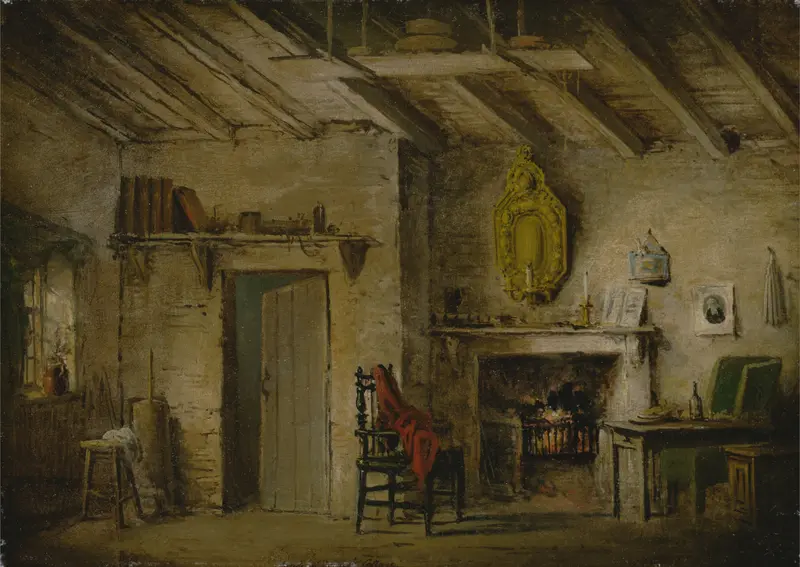
Stage Design for Heart of Midlothian; Deans' Cottage
Alexander Nasmyth
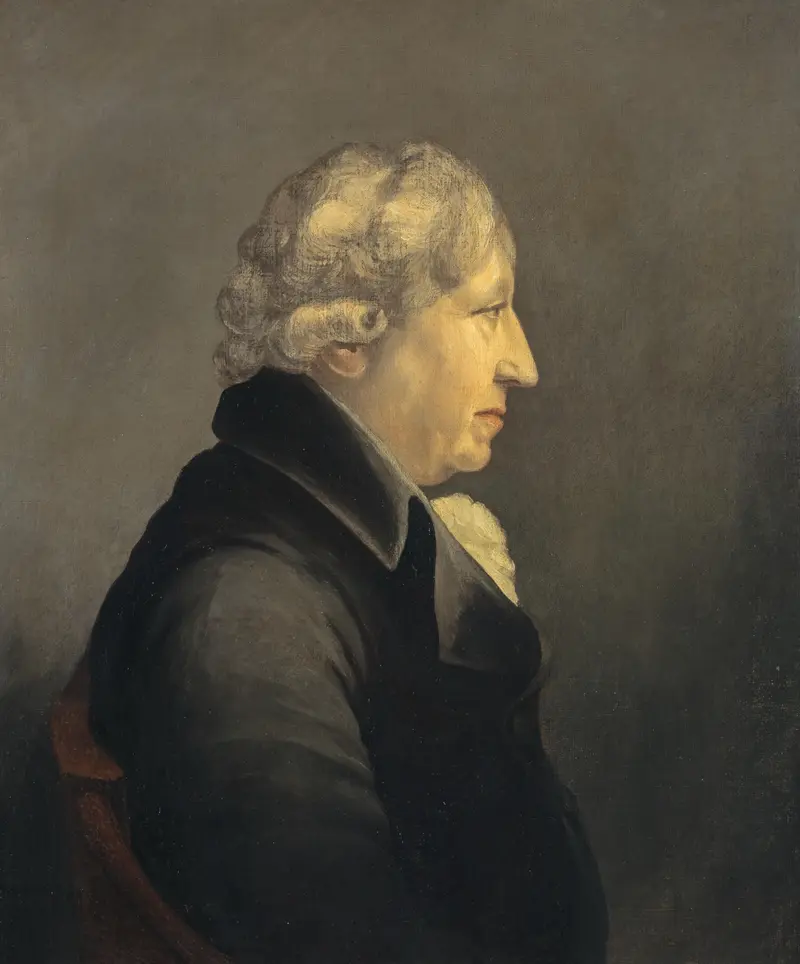
Patrick Miller of Dalswinton, 1731 - 1815. Pioneer of steam navigation
Alexander Nasmyth
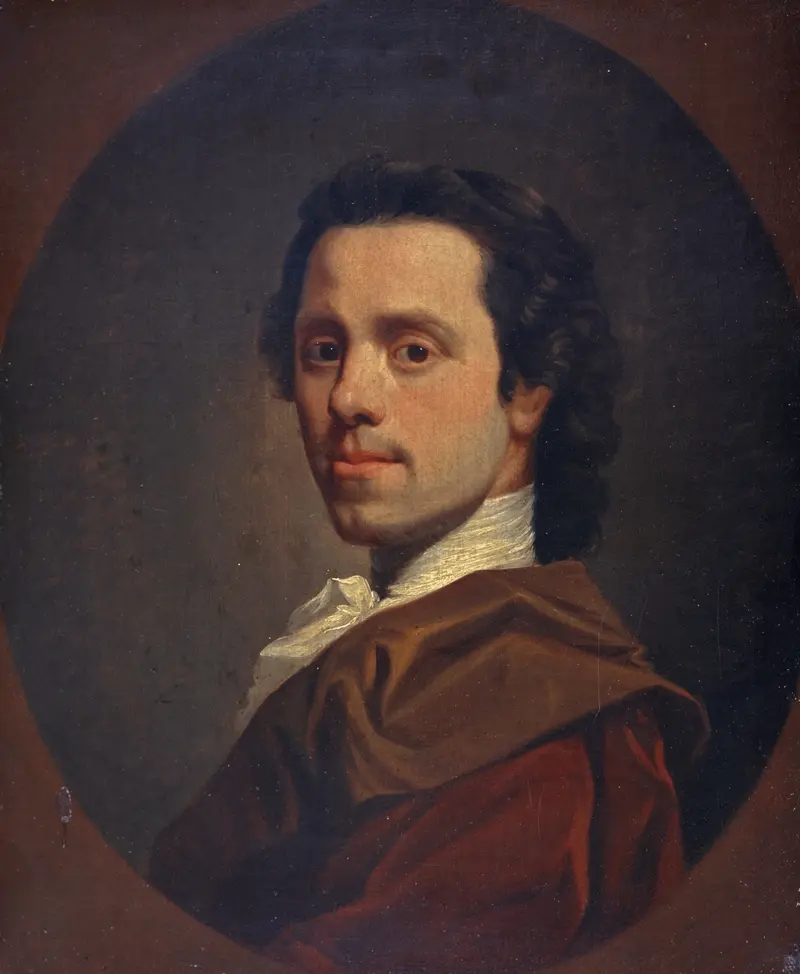
Allan Ramsay, 1713 - 1784. Artist (Self-portrait)
Alexander Nasmyth
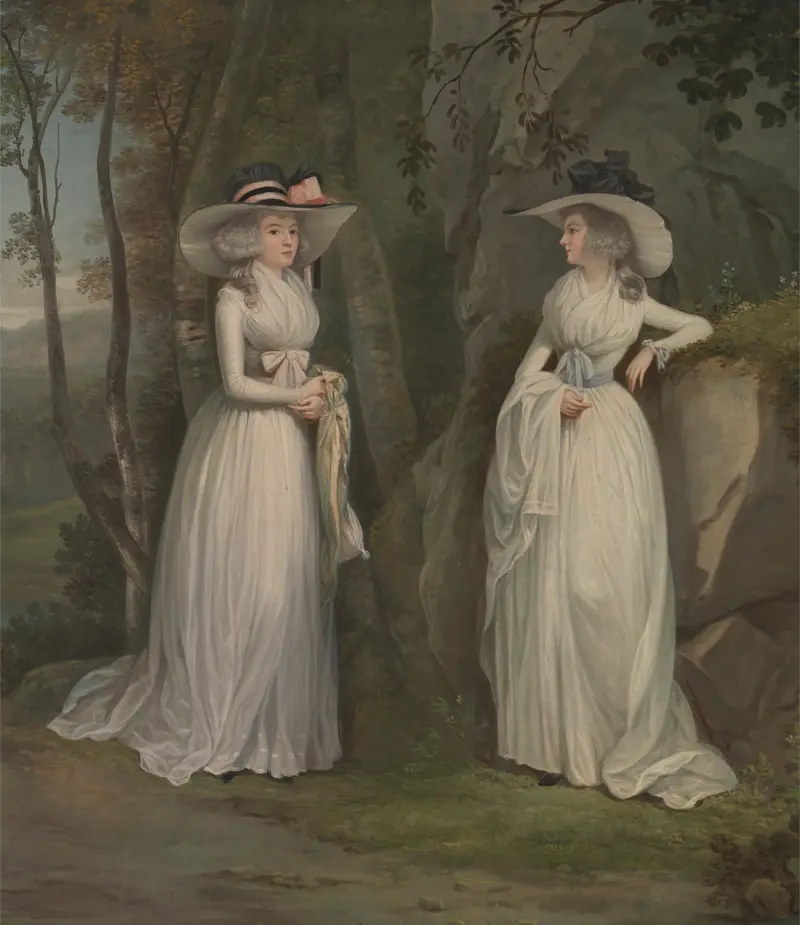
Eleanor and Margaret Ro
Alexander Nasmyth
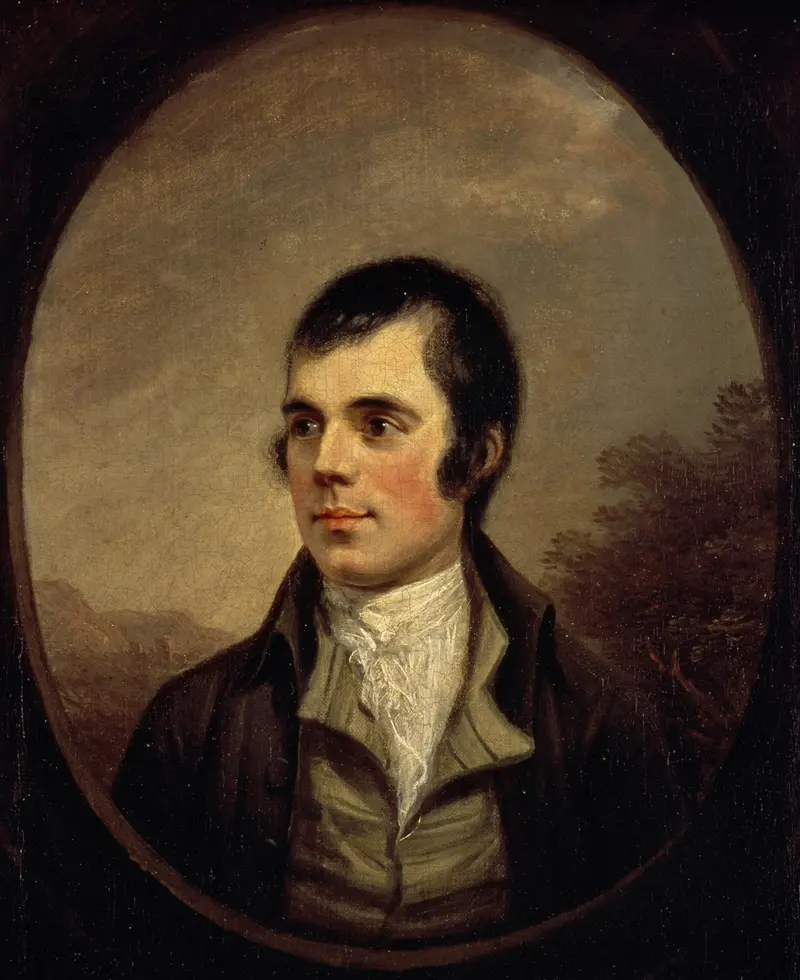
Robert Burns, 1759 - 1796. Poet
Alexander Nasmyth





