
Allée d’arbres — History & Facts
Can beauty exist without sorrow? It lingers in the air, like a whisper of memories long past, inviting us to reflect on the ephemeral nature of existence. Look to the left at the vibrant trees arching gracefully, their leaves a tapestry of greens and golds, inviting a sense of calm. The path meanders through the scene, leading the eye deeper into the tranquility of nature. Notice how dappled light filters through the branches, casting playful shadows on the ground—a delicate dance between light and dark that evokes nostalgia.
The brushwork is loose yet intentional, creating a sense of movement that suggests the rustle of leaves in the gentle breeze. Deeper within the foliage, emotional tensions arise—a juxtaposition of serenity with the lurking specter of time. The trees stand as silent witnesses to countless seasons, embodying both the beauty of life and the inevitability of change. The shimmering colors evoke warmth, yet there’s an underlying melancholy, a reminder that every moment is fleeting and that beauty often coexists with loss. In 1908, while living in France, Valtat was immersed in the Post-Impressionist movement, surrounded by vibrant artistic dialogues and an evolving appreciation for color and emotion.
This period of his life was marked by a deep connection to nature, as he sought to capture its essence through a lens of modernity. The world was in flux, but Valtat found solace and inspiration in the landscapes that enveloped him, which he rendered with a unique sensitivity to atmosphere and feeling in works like this.
More Artworks by Louis Valtat
Browse all →
Bord de rivière aux arbres
Louis Valtat

Normandie
Louis Valtat

Paysage du Midi
Louis Valtat
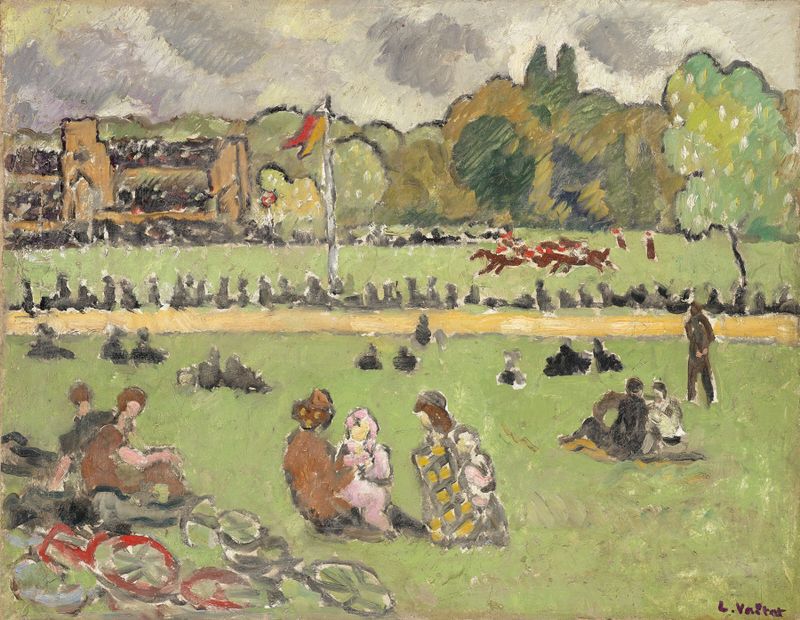
Les Courses
Louis Valtat
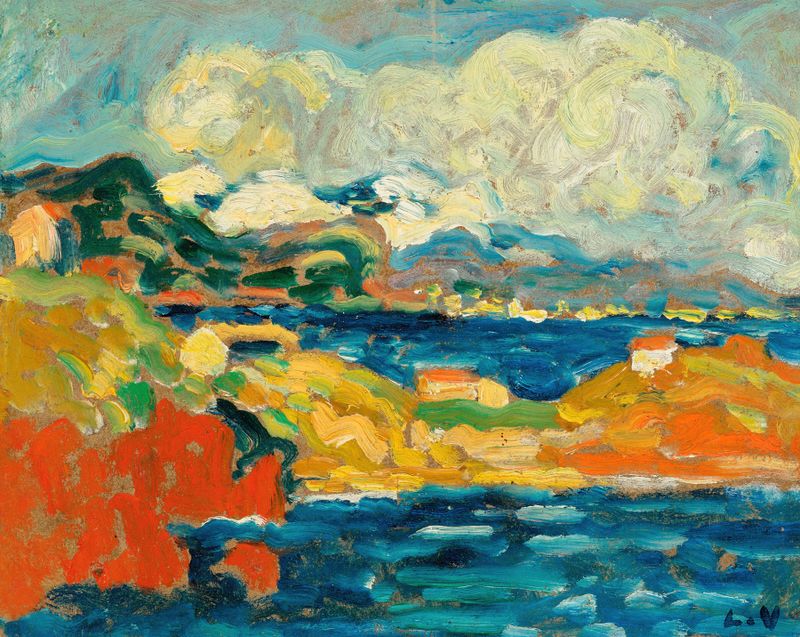
La baie à Anthéor
Louis Valtat

Femme assise au bord de la mer
Louis Valtat
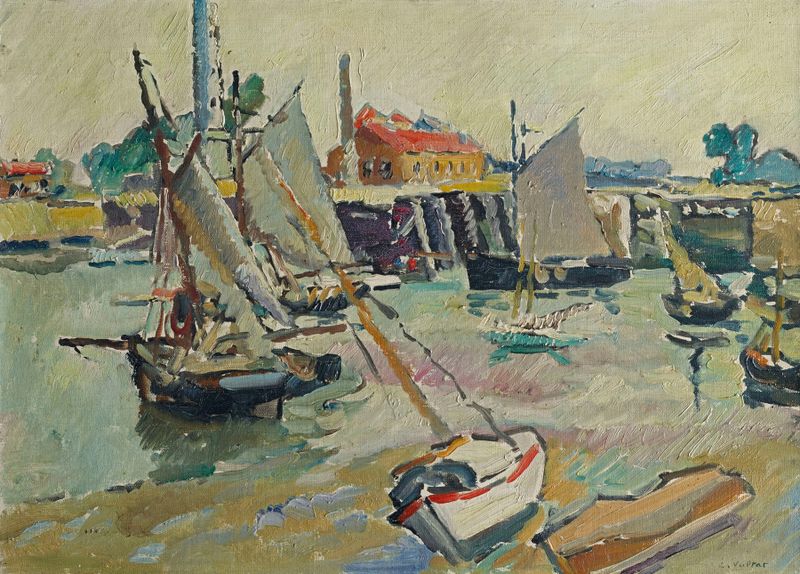
Voiliers au port à marée basse, Ouistreham
Louis Valtat

La maison au bord de la route en Normandie
Louis Valtat

La maison dans le jardin fleuri
Louis Valtat

Le jardin de la maison au toit rouge
Louis Valtat





