
Discover insights about this artwork
Allegory of August — History & Facts
Allegory of August presents a figure personifying the month of August, adorned with a crown of flowers and fruits. The figure stands gracefully amidst lush greenery, symbolizing the abundance of summer. Rich hues of green, yellow, and gold dominate the palette, evoking a sense of warmth and vitality.
Surrounding the figure are various seasonal elements, such as ripe fruits and blooming flowers, enhancing the theme of harvest and growth. Notice the intricate details in the flowers and fruits, which are painted with care to highlight their textures and colors. The soft brushwork creates a sense of movement in the leaves, as if they are gently swaying in a summer breeze. Each element in the painting contributes to the overall theme of nature's bounty during August.
The figure's expression is serene, inviting viewers to reflect on the beauty of the season. Hans Thoma was a German painter known for his Symbolist style, which often included themes of nature and mythology. He created this work during a time when artists were exploring the relationship between humanity and the natural world. Thoma was influenced by the Romantic movement, which emphasized emotion and the beauty of nature.
An interesting fact about him is that he was also a teacher and influenced many young artists during his lifetime.
More Artworks by Hans Thoma
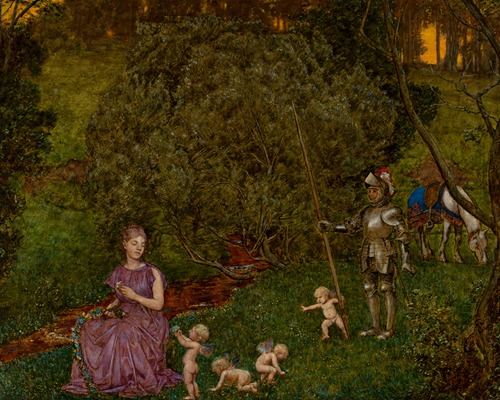
Fable – Knight
Hans Thoma
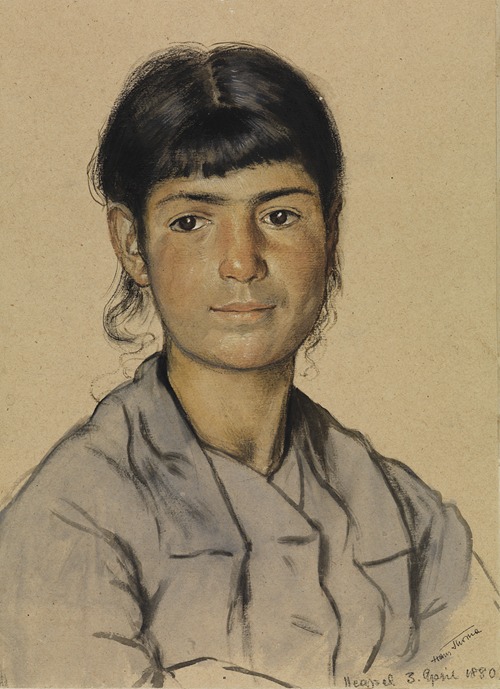
Portrait of a young Neapolitan woman
Hans Thoma
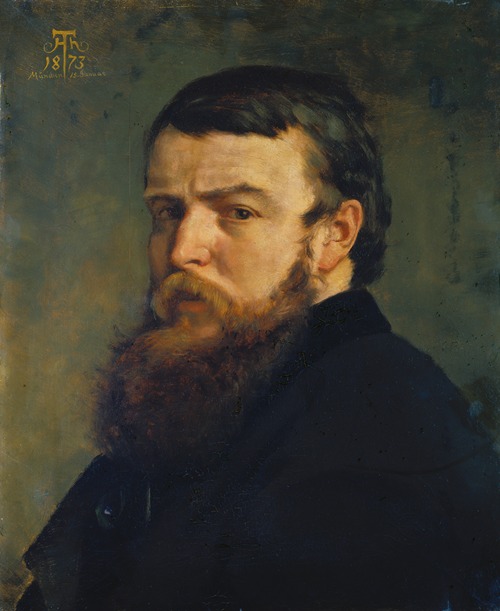
Self-Portrait from Munich
Hans Thoma
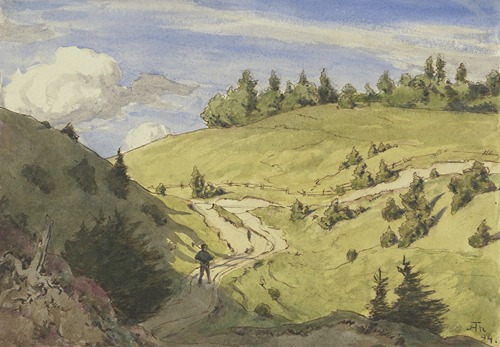
Landscape in the Black Forest
Hans Thoma
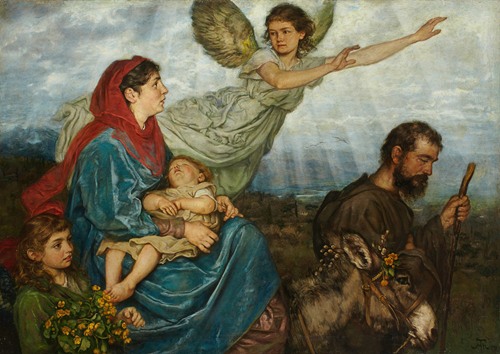
The Flight into Egypt
Hans Thoma
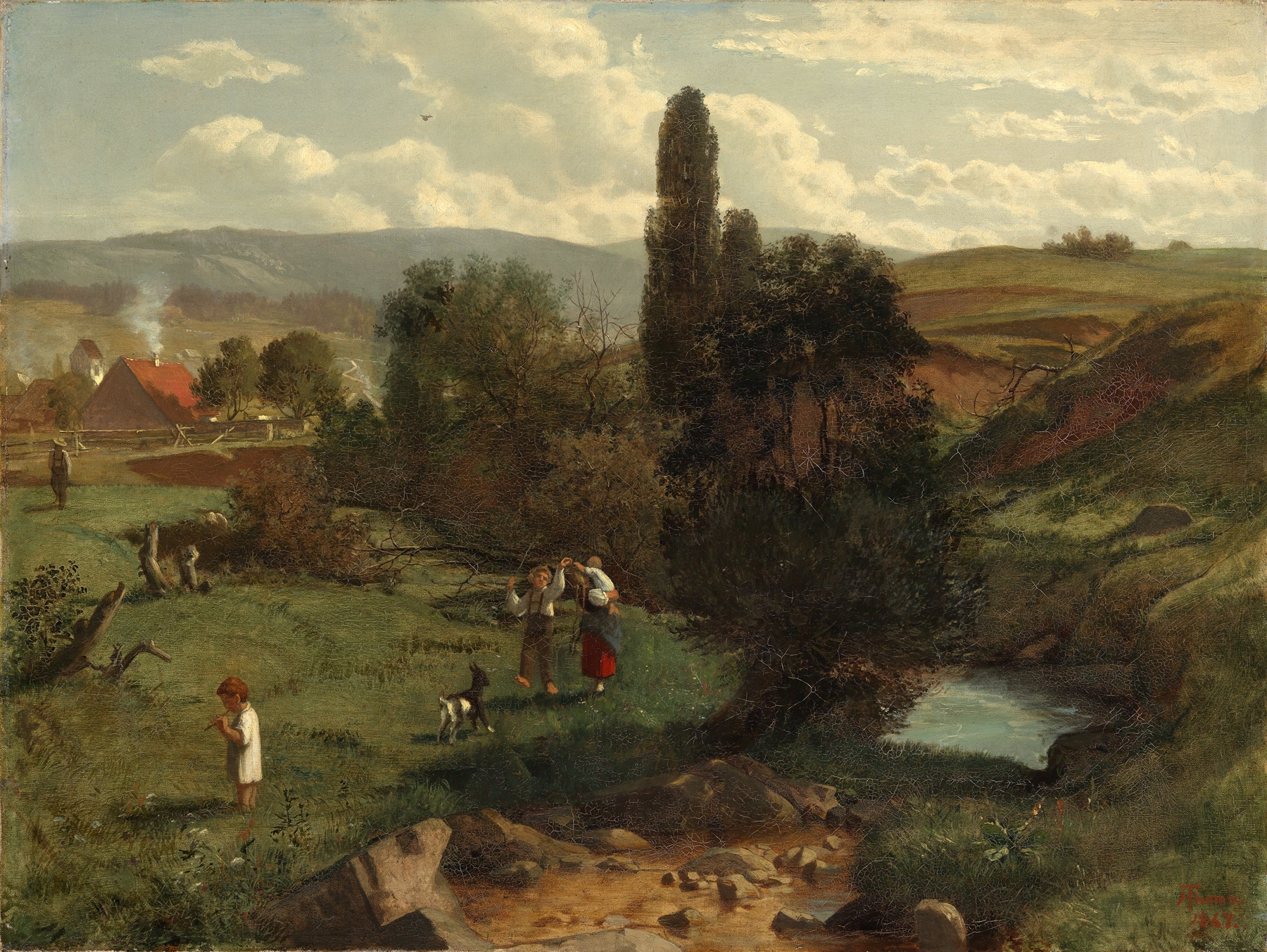
Schwarzwaldlandschaft
Hans Thoma
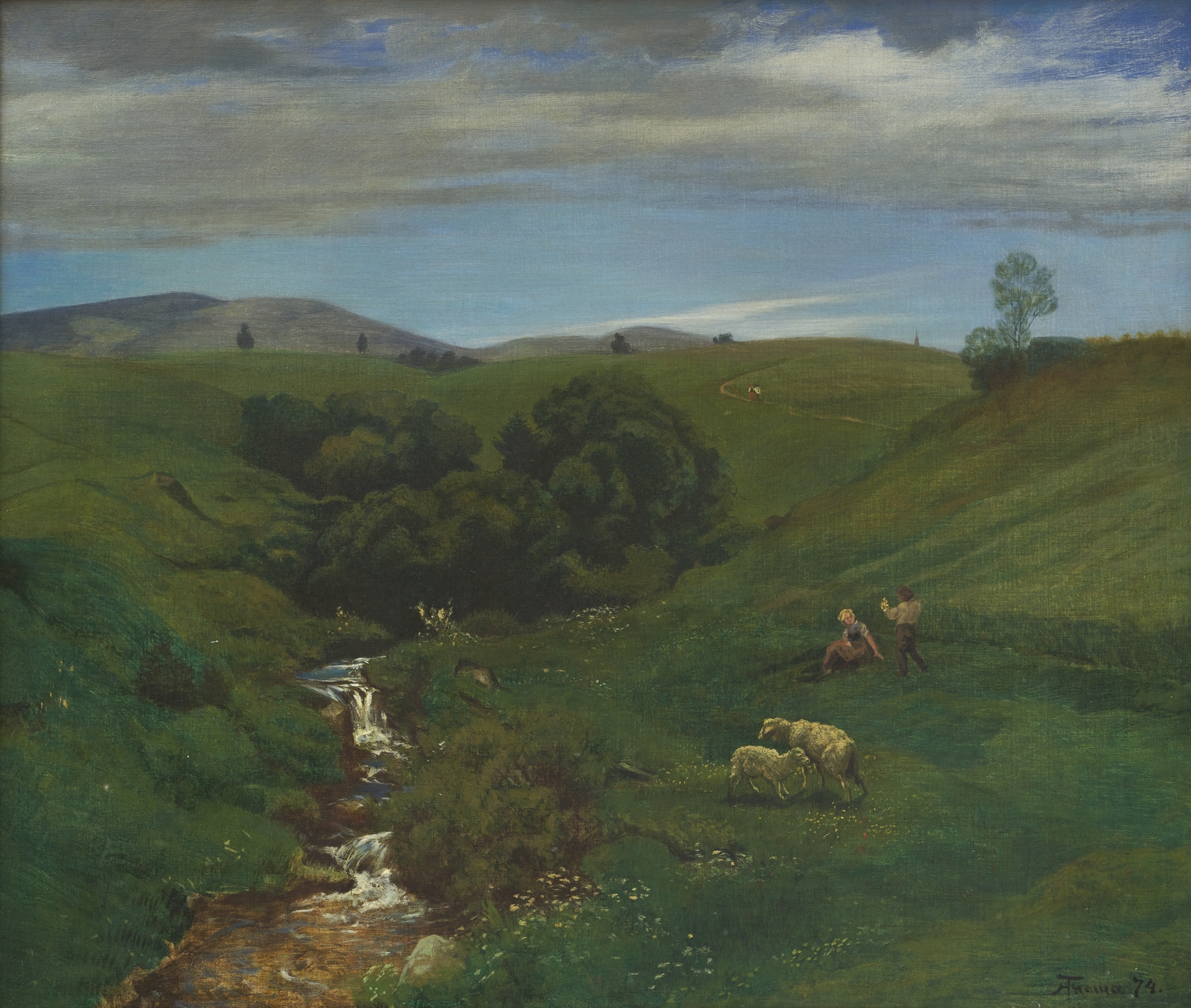
Black Forest Meadow near Bernau
Hans Thoma
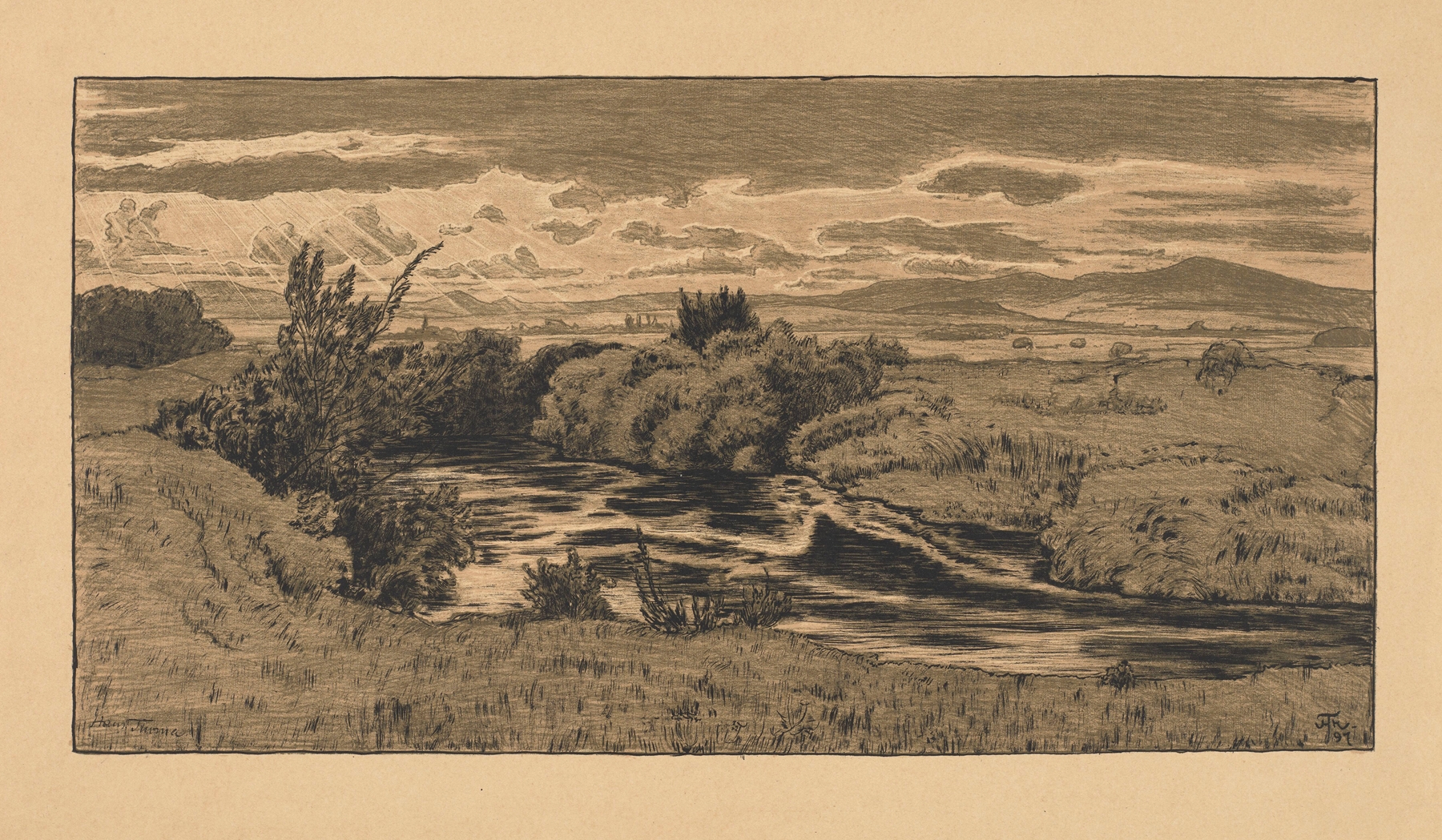
Evening by the Nidda River
Hans Thoma
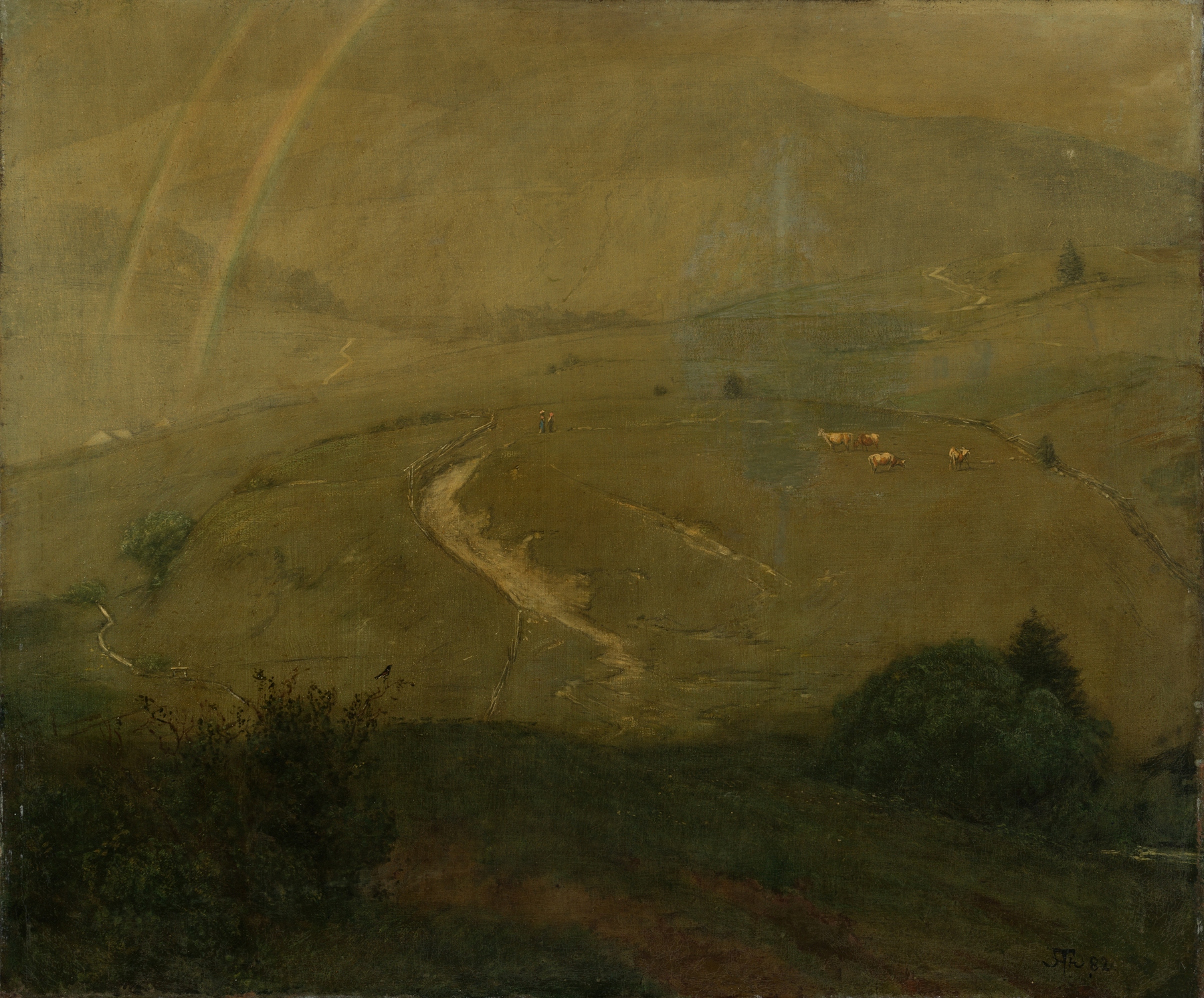
Regen im Schwarzwald
Hans Thoma
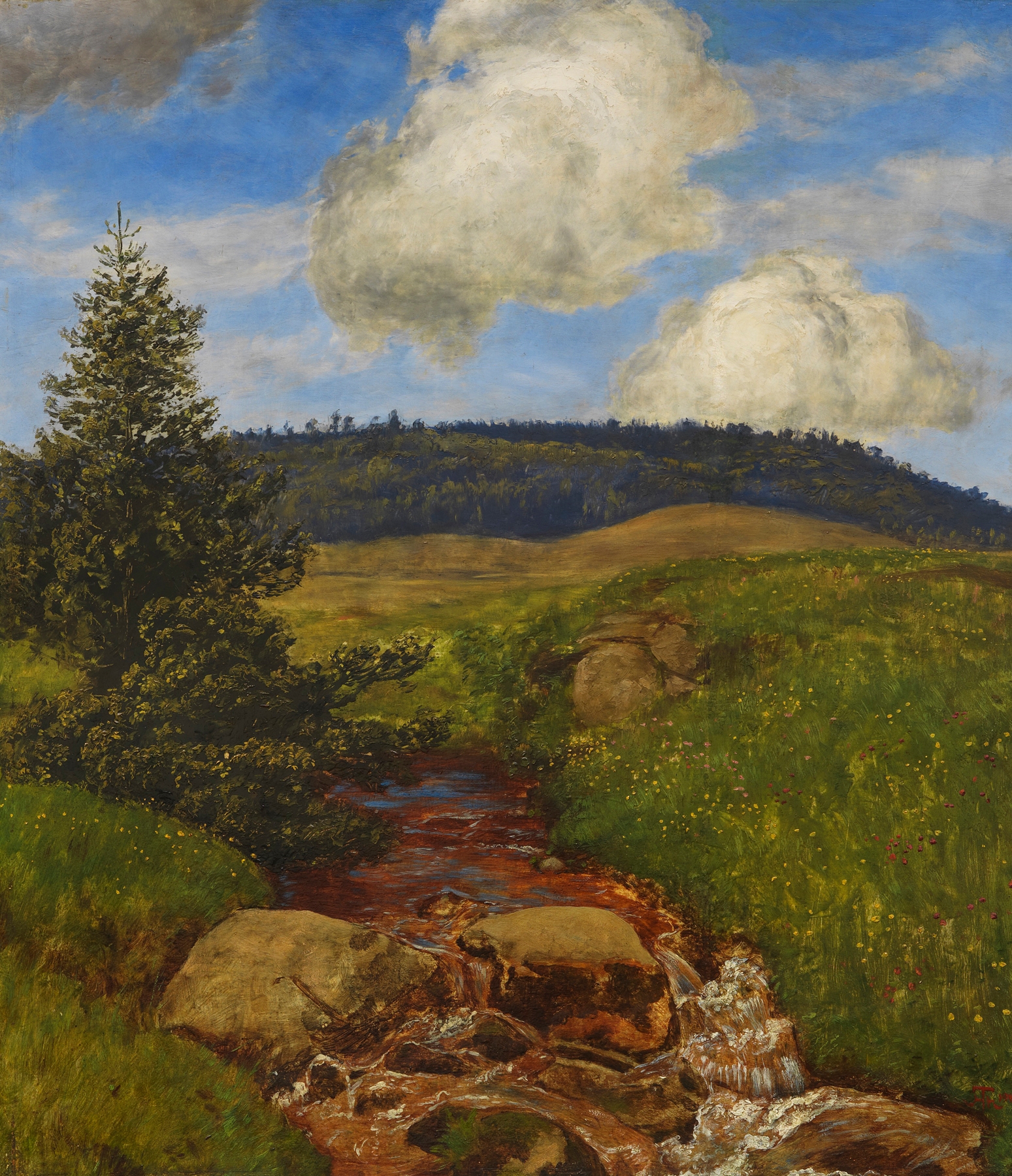
Schwarzwaldbach
Hans Thoma
More Allegory Art
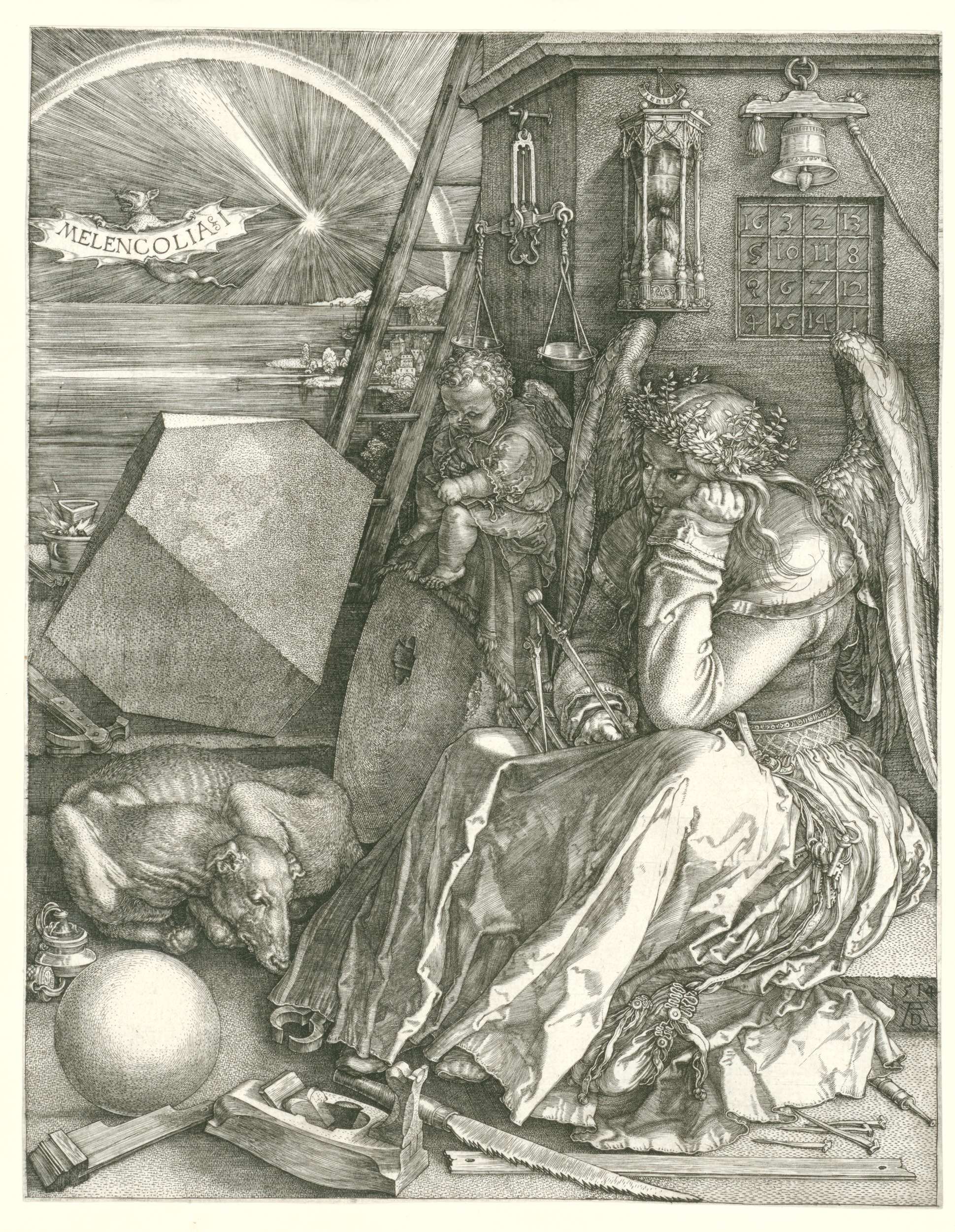
Melancholia
Albrecht Dürer
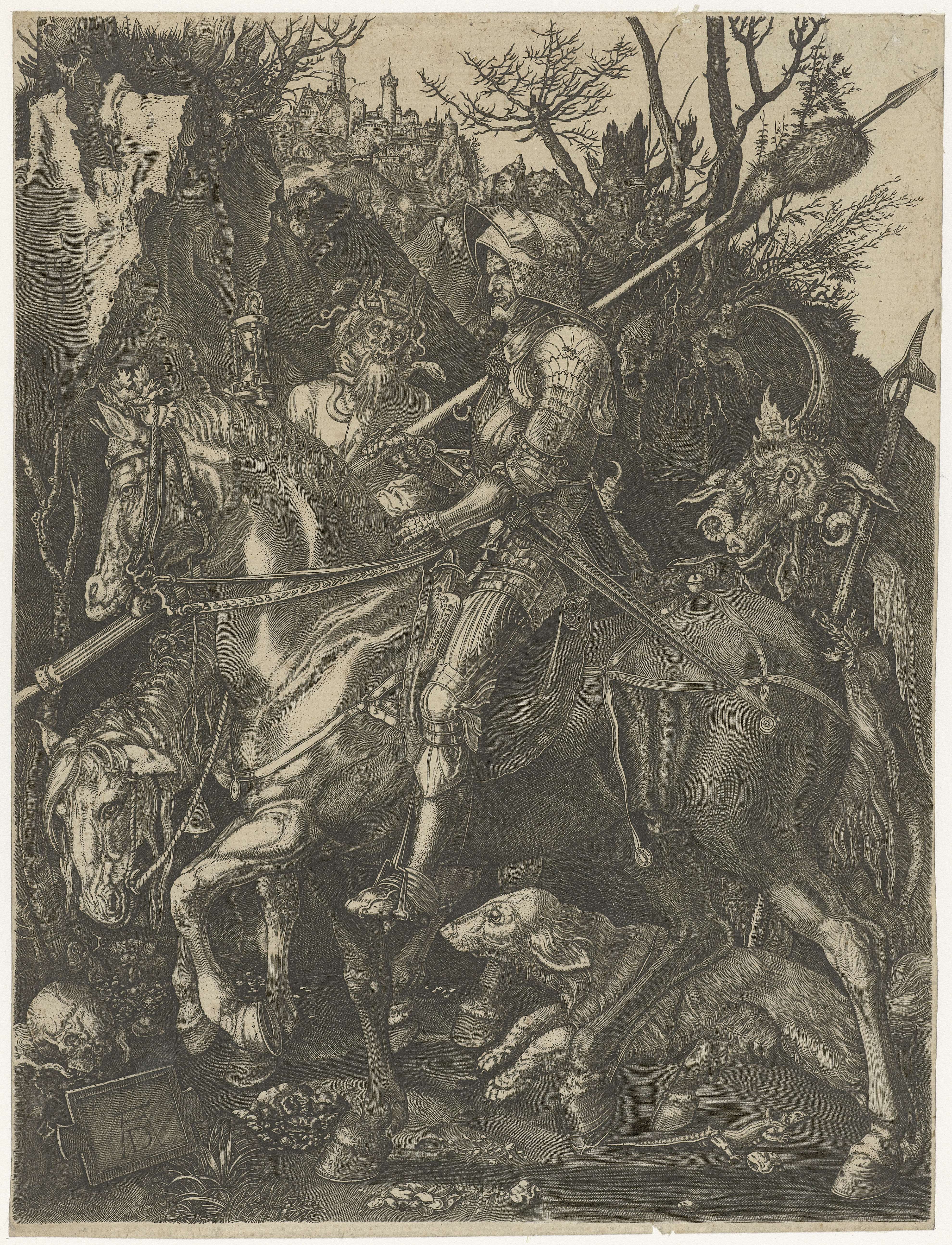
Ridder, Dood en Duivel
Unknown Artist
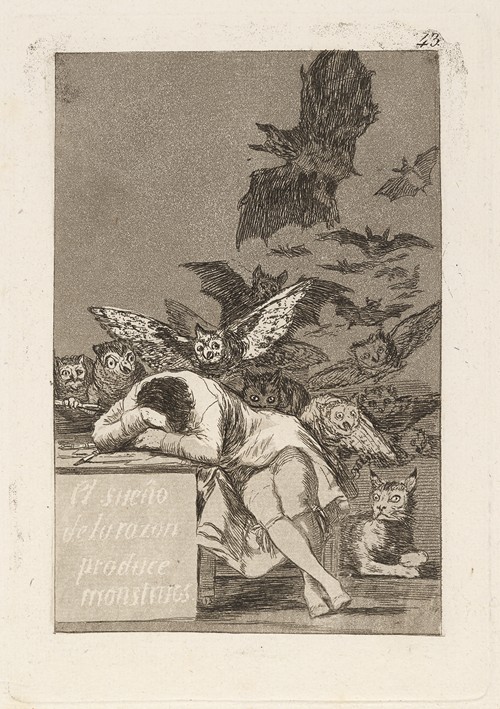
El sueño de la razon produce monstruos. (The sleep of reason produces monsters.)
Francisco de Goya
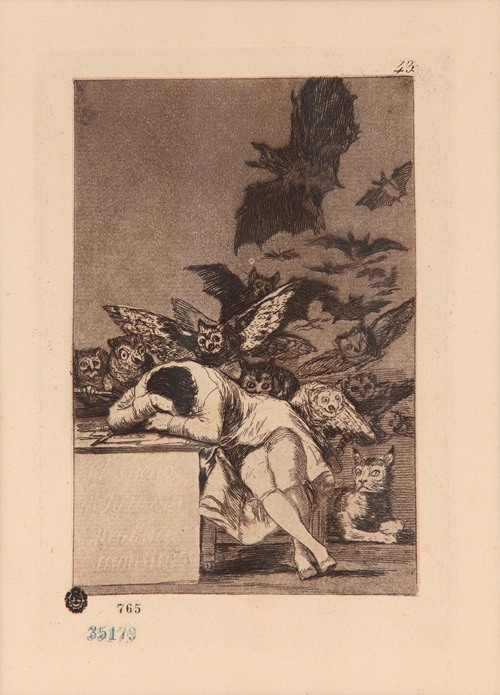
El sueño de la razon produce moustruos (Serie Caprichos)
Francisco de Goya
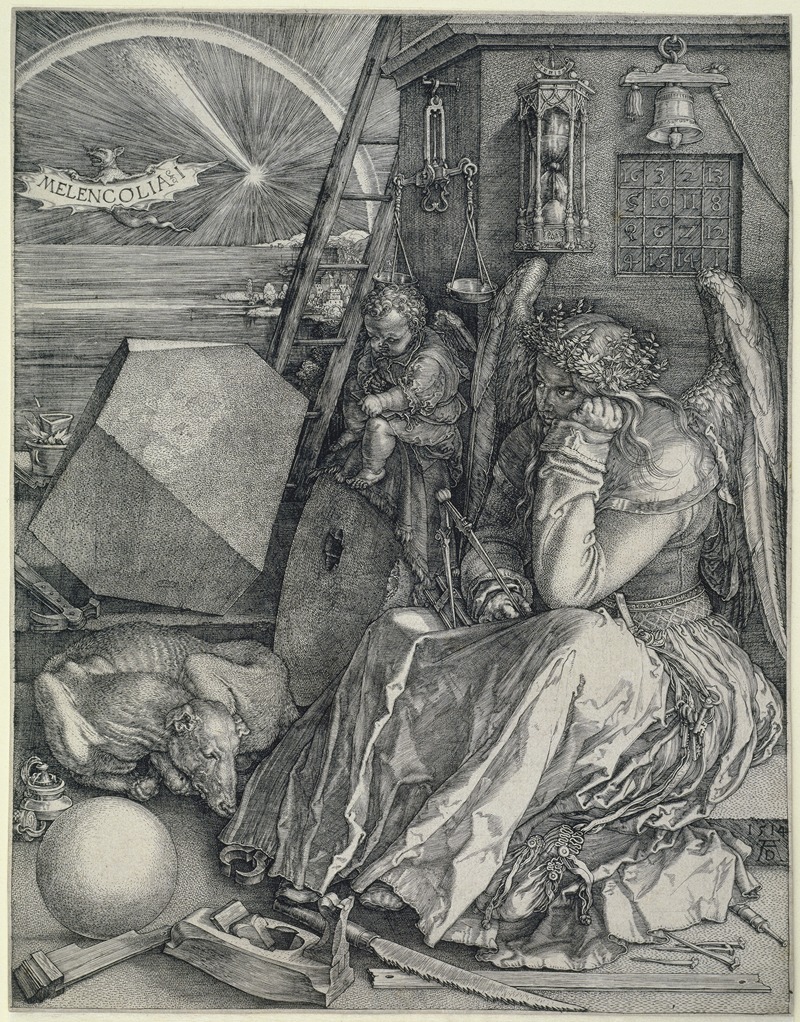
Melencolia I (The Melancholy)
Albrecht Dürer
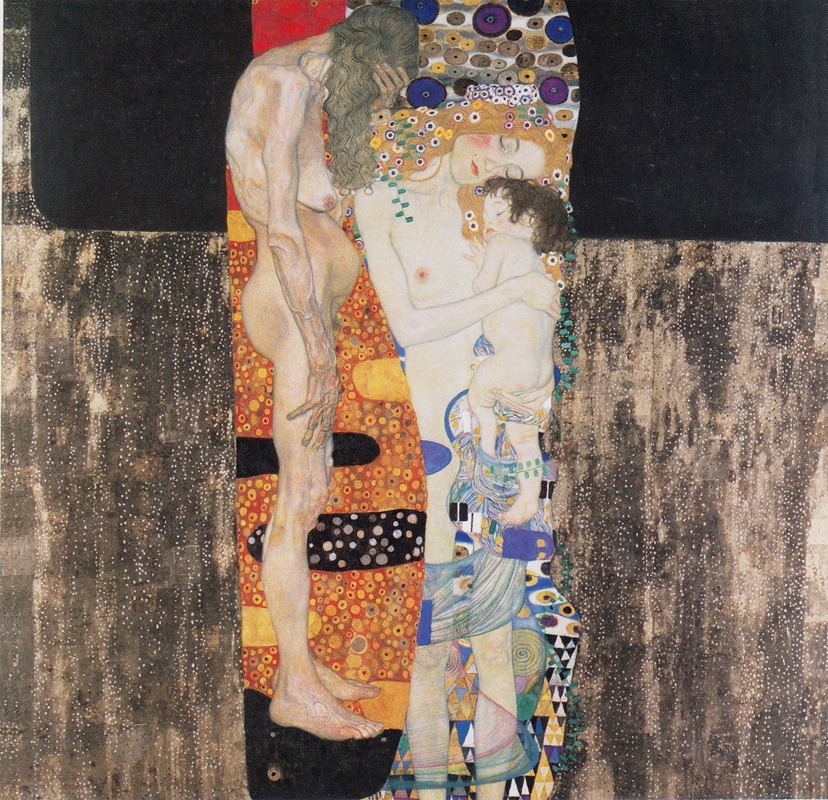
The Three Ages of the Woman
Gustav Klimt