
Allegory of Autumn — History & Facts
In Allegory of Autumn, Luca Giordano presents a vibrant scene filled with rich autumnal colors. The painting features figures representing the season, adorned with leaves and fruits. The background is a lush landscape, suggesting the bounty of nature during this time.
The overall composition is dynamic, drawing the viewer's eye across the canvas. The painting is executed in oil on canvas, a common medium for the Baroque period. Giordano's brushwork is fluid and expressive, enhancing the lively atmosphere of the scene. The use of light and shadow adds depth, making the figures appear almost three-dimensional.
The dimensions are approximately 150 x 200 cm, giving it a significant presence. Luca Giordano, an influential Baroque painter, was known for his ability to convey movement and emotion in his works. This painting, created in the 1670s, reflects the artist's mastery of color and form. An interesting fact about this work is that it was likely commissioned for a seasonal celebration, emphasizing the importance of autumn in the cultural context of the time.
Giordano's works often celebrate nature and the changing seasons, making this piece a fitting example of his style.
More Artworks by Luca Giordano

The Well of Bethesda
Luca Giordano

The Lamentation over the Dead Christ
Luca Giordano
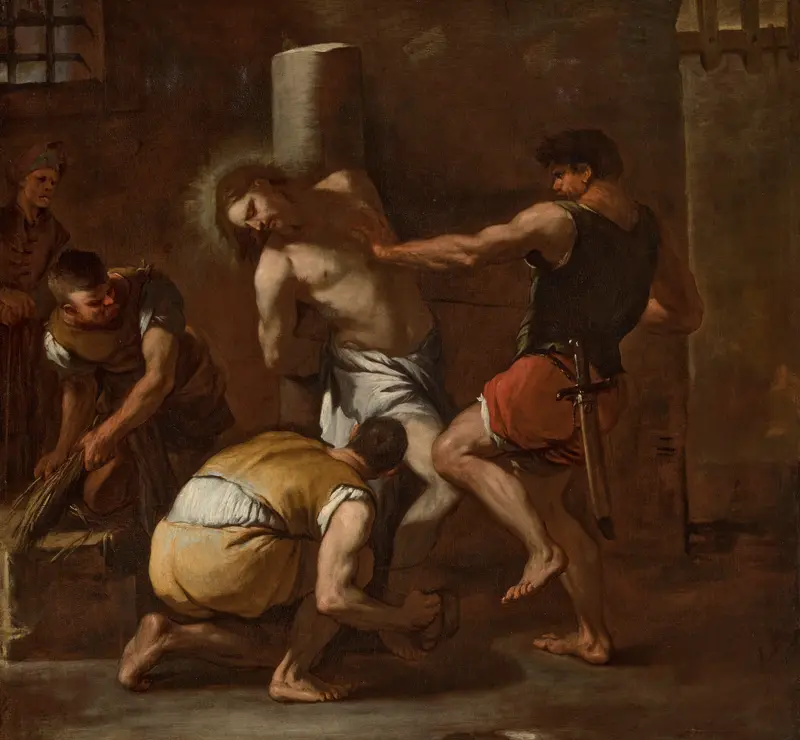
The Flagellation
Luca Giordano
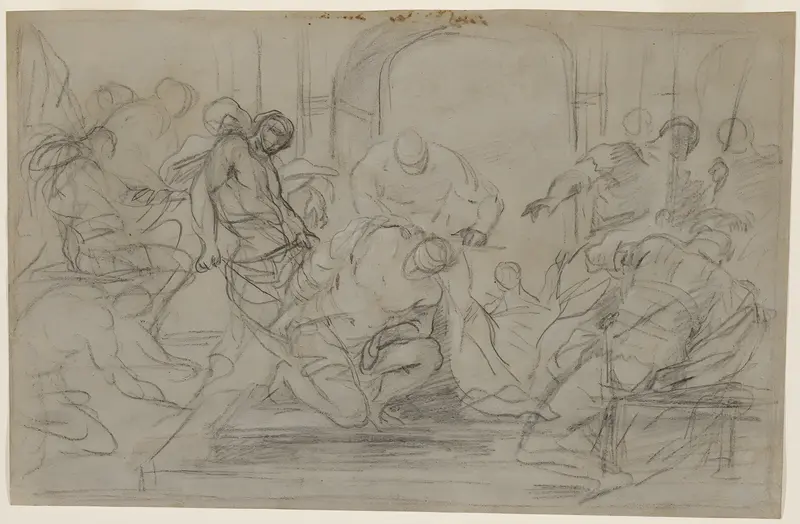
The Mocking of Christ
Luca Giordano
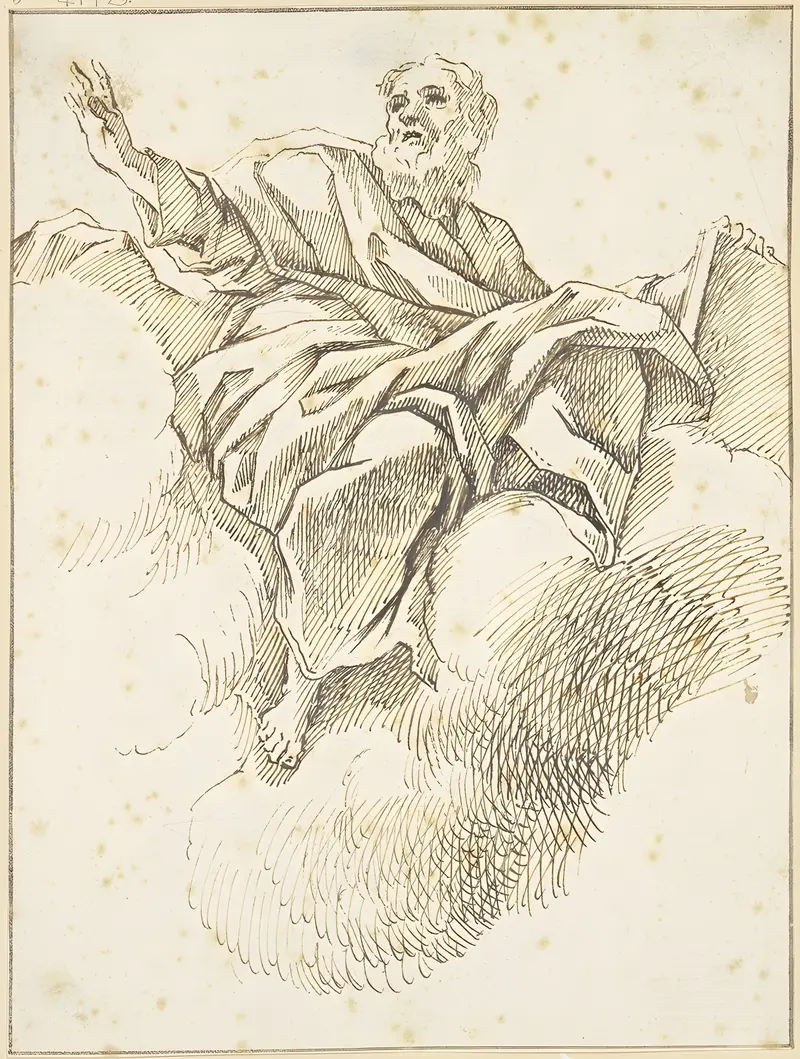
Prophet mit Buch auf Wolken schwebend
Luca Giordano

The Abduction of Proserpina
Luca Giordano
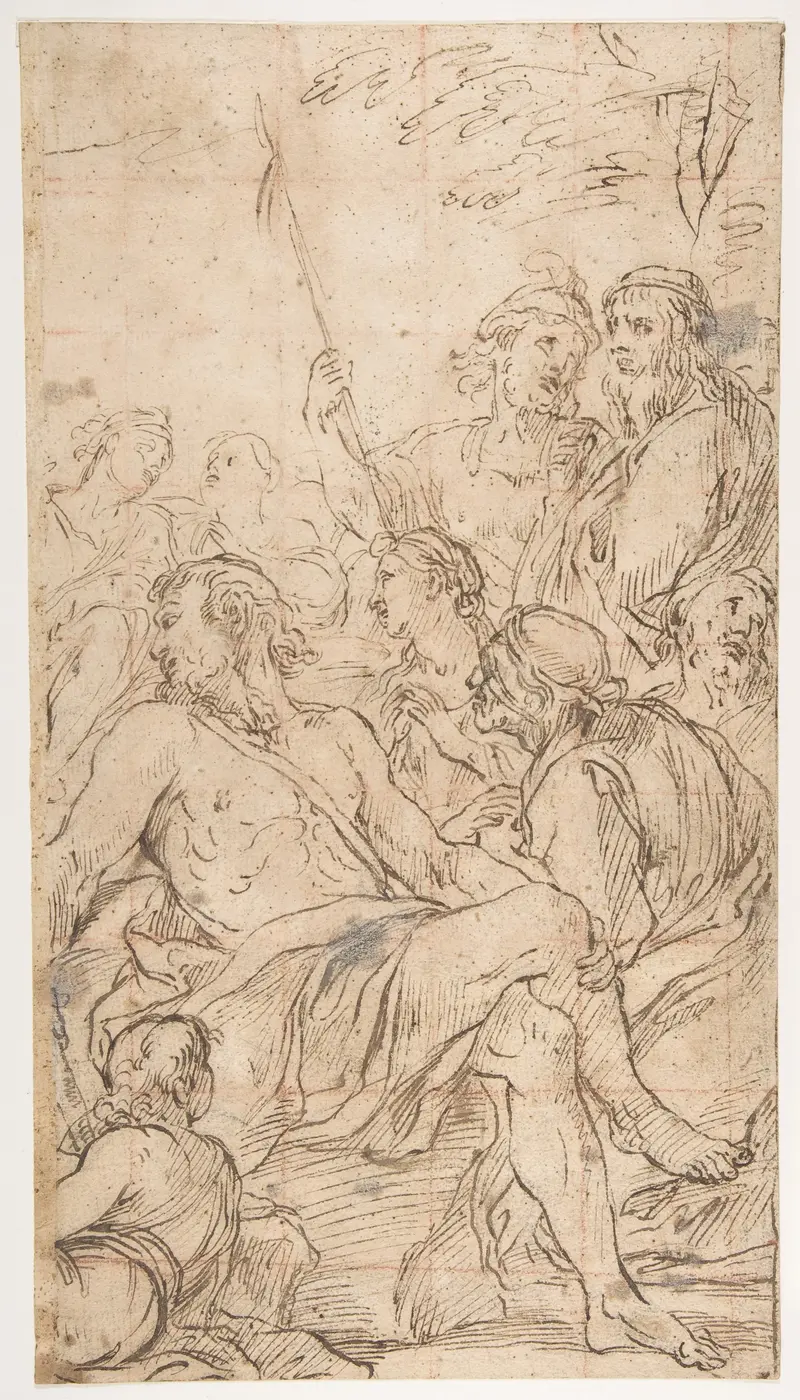
Fragment of a Composition with a Reclining Semi-Nude Man Surrounded by Soldiers and Other Onlookers in a Landscape
Luca Giordano

Democratus
Luca Giordano
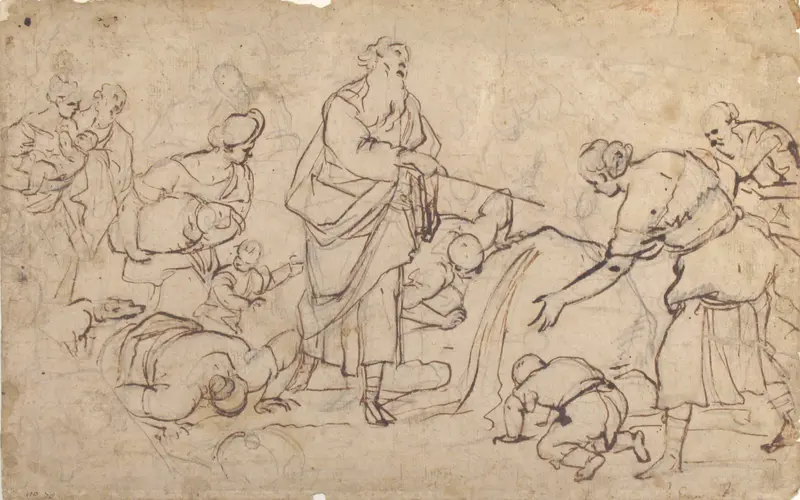
Moses Striking the Rock
Luca Giordano
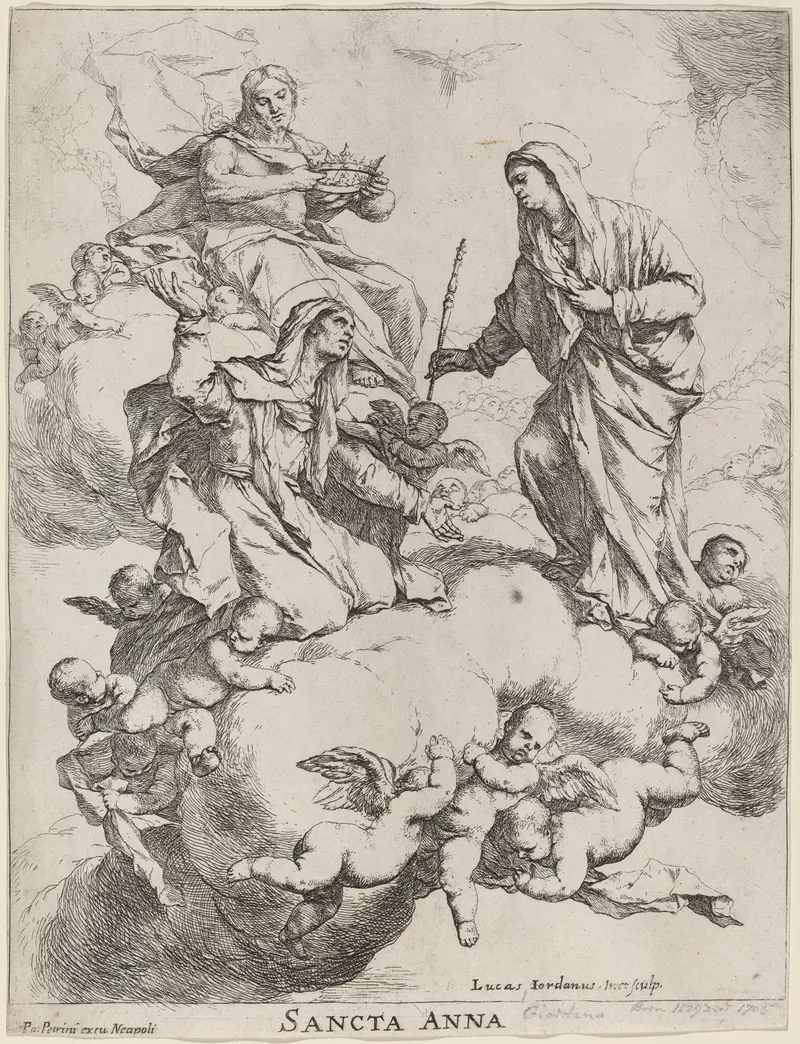
Saint Anne Received by the Virgin and Christ
Luca Giordano





