
Discover insights about this artwork
Allegory of December — History & Facts
Allegory of December features a central figure draped in white and blue, symbolizing the cold winter month. The figure is surrounded by elements of nature, including bare trees and snowflakes, which emphasize the season. The colors are cool and muted, creating a serene yet stark atmosphere.
The composition invites viewers to reflect on the beauty and stillness of wintertime. Notice how the figure's flowing garments contrast with the sharp lines of the trees in the background. The details of the snowflakes are delicately painted, giving a sense of lightness and fragility. The use of white and blue hues enhances the feeling of coldness and tranquility.
You can also see the subtle textures in the fabric, showcasing the artist's attention to detail. Hans Thoma was a German painter associated with the Symbolism movement, known for his romanticized depictions of nature and allegorical themes. He created this work during a time when artists were exploring deeper meanings in their art, often connecting nature with human emotions. An interesting fact is that Thoma was influenced by both the Romantic and Impressionist movements, blending their techniques in his own unique style.
His works are celebrated for their dreamlike quality and connection to the natural world.
More Artworks by Hans Thoma
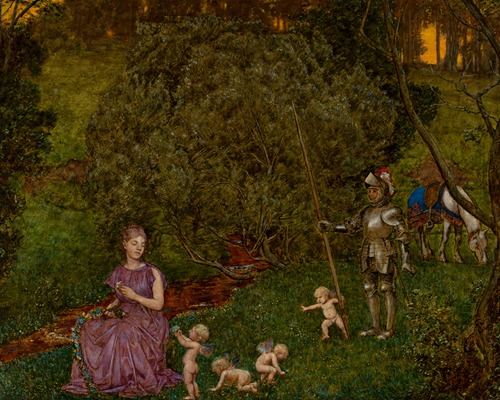
Fable – Knight
Hans Thoma
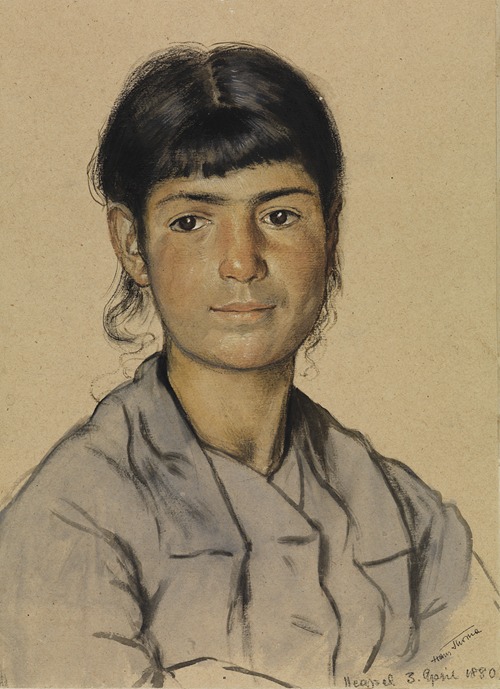
Portrait of a young Neapolitan woman
Hans Thoma
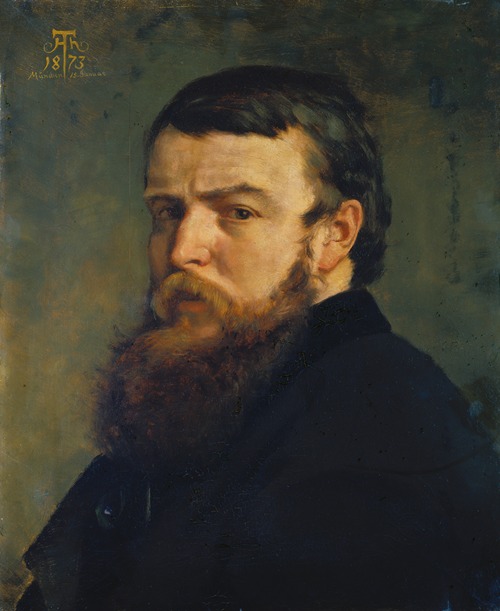
Self-Portrait from Munich
Hans Thoma
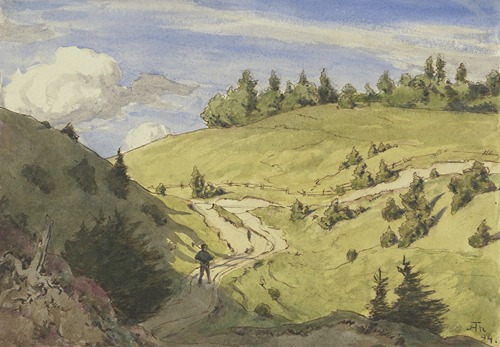
Landscape in the Black Forest
Hans Thoma
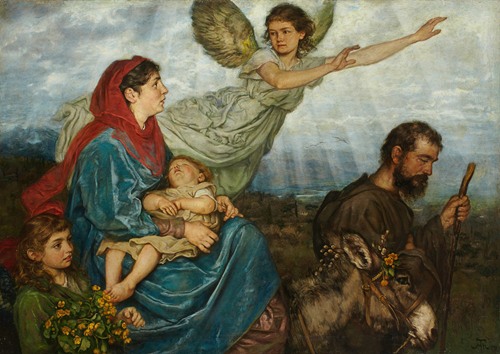
The Flight into Egypt
Hans Thoma
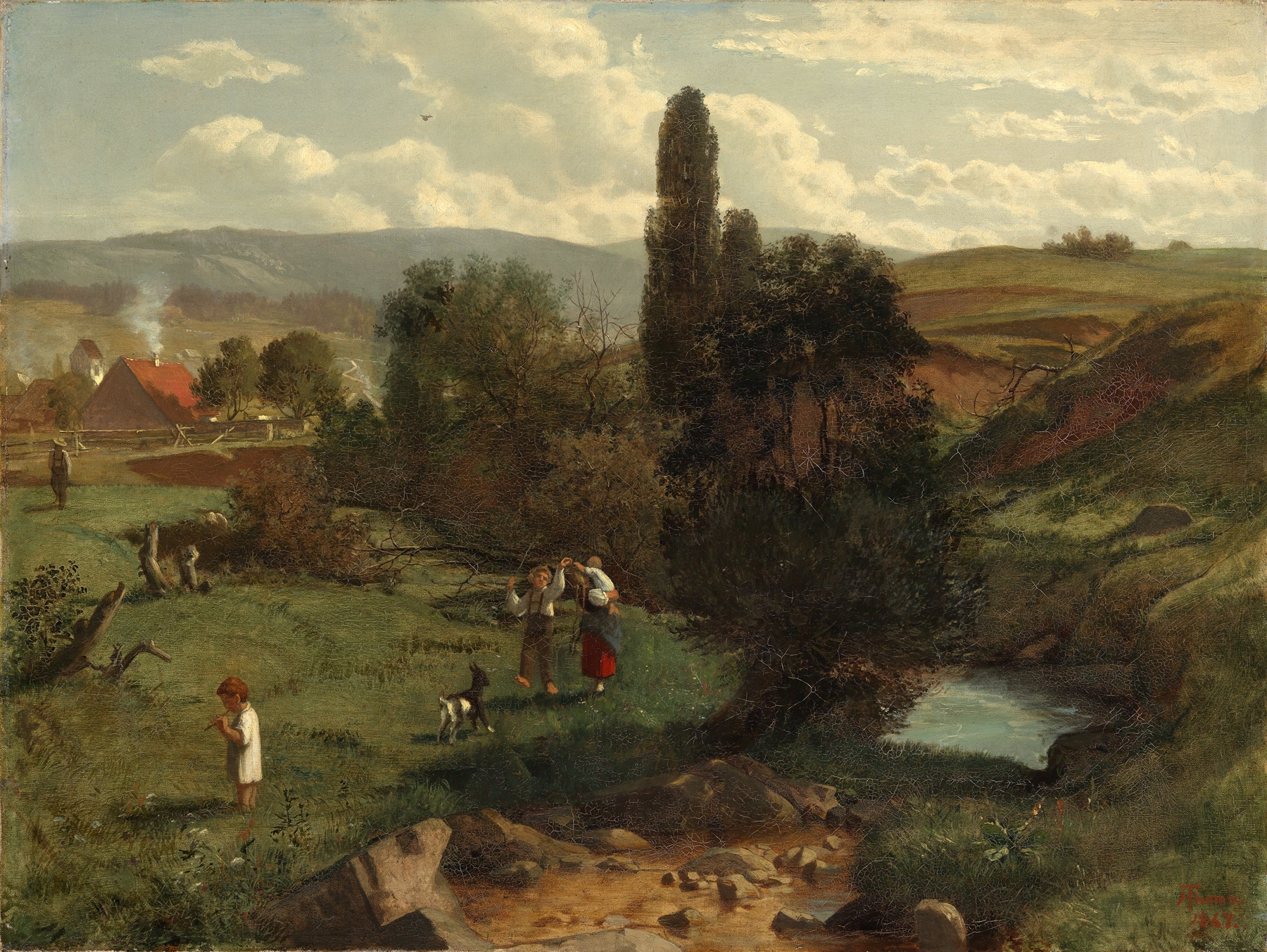
Schwarzwaldlandschaft
Hans Thoma
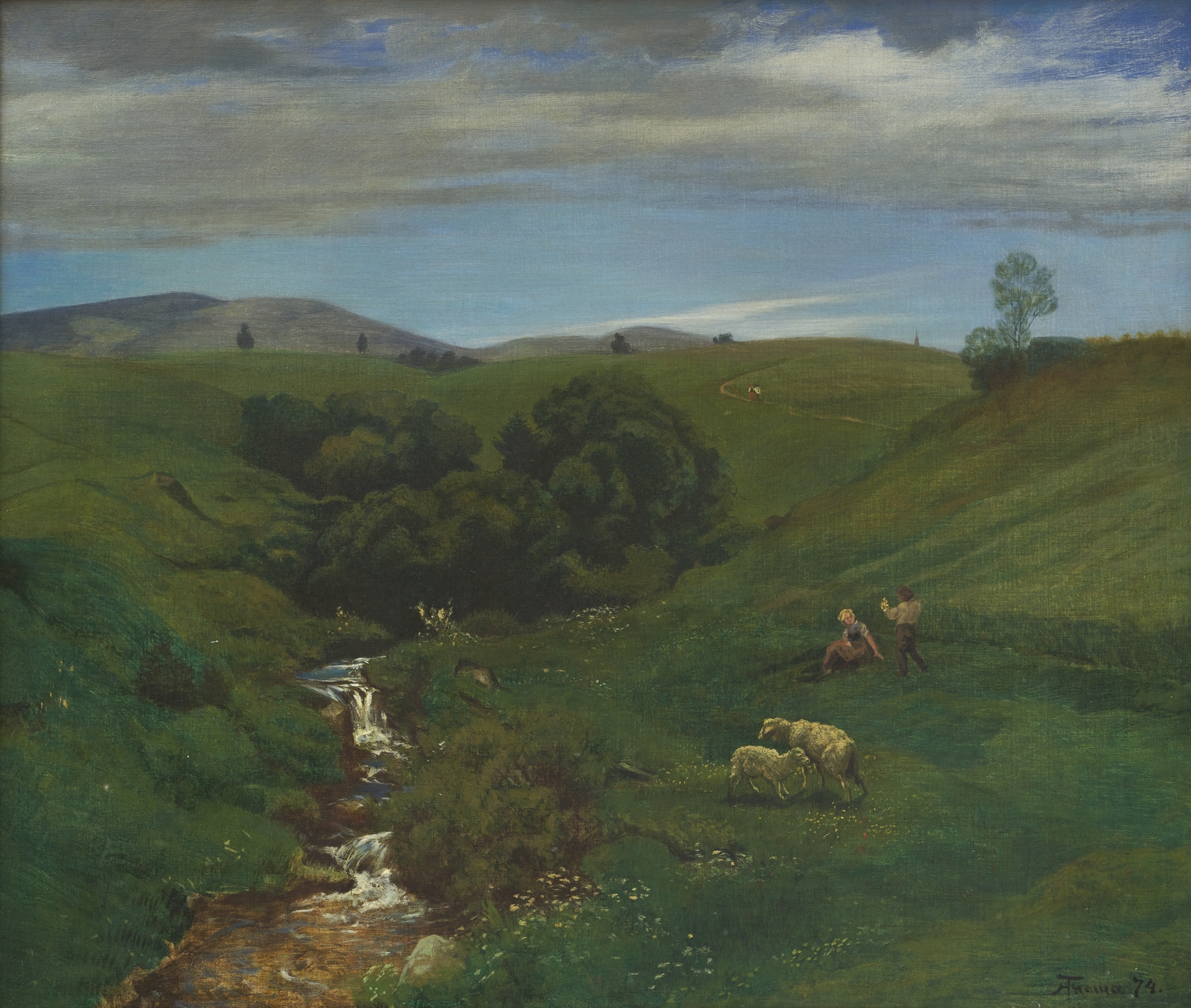
Black Forest Meadow near Bernau
Hans Thoma
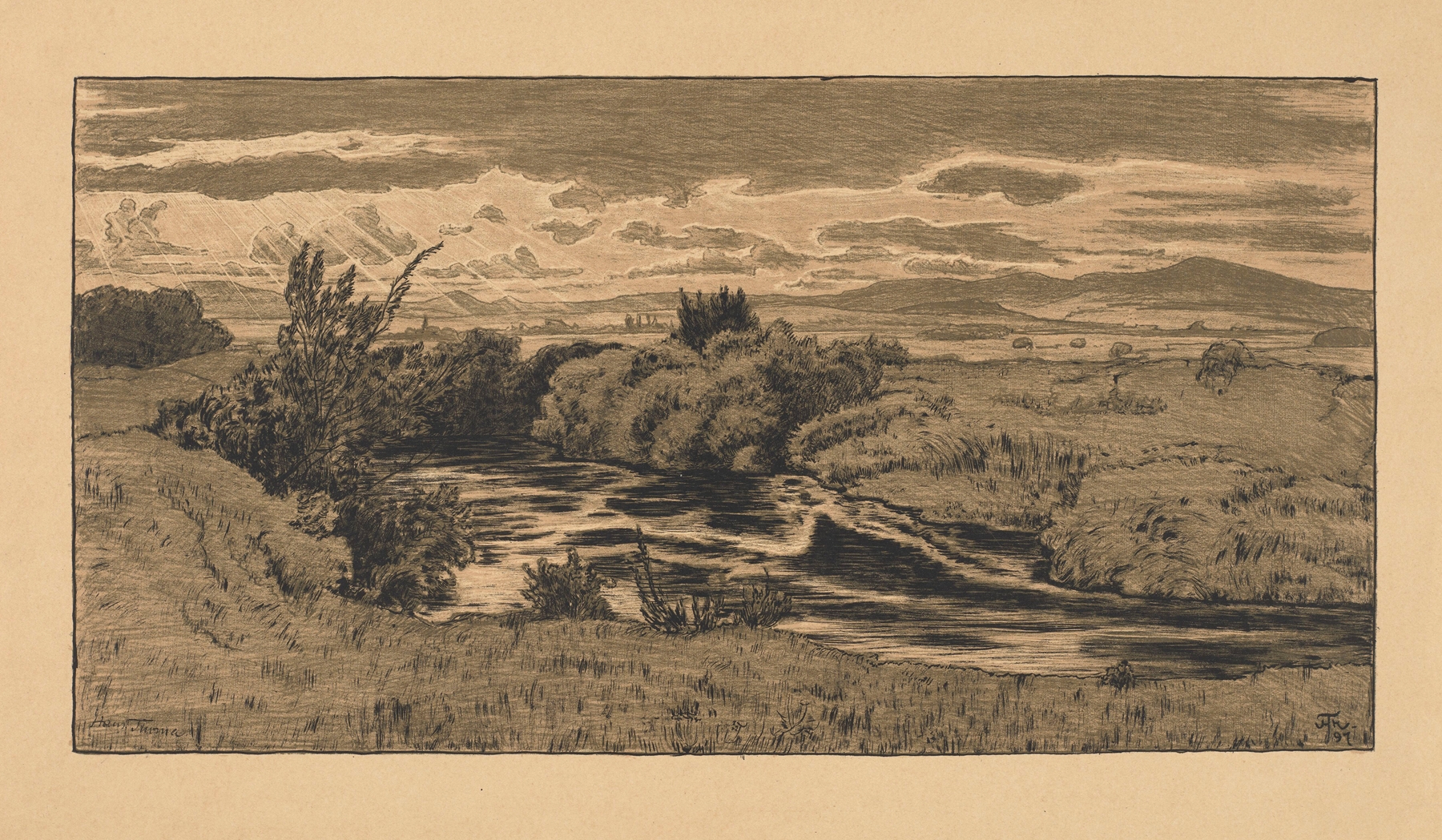
Evening by the Nidda River
Hans Thoma
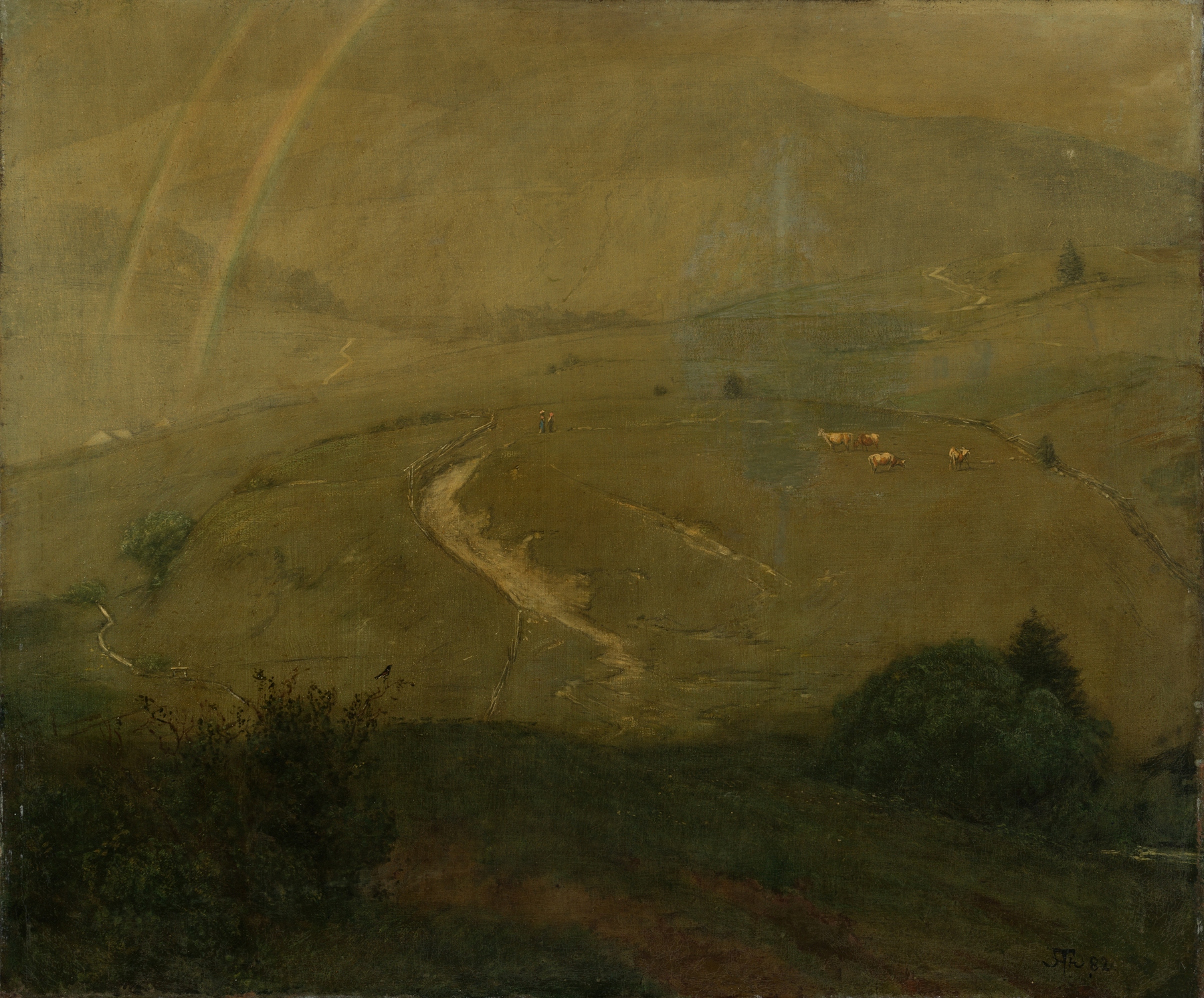
Regen im Schwarzwald
Hans Thoma
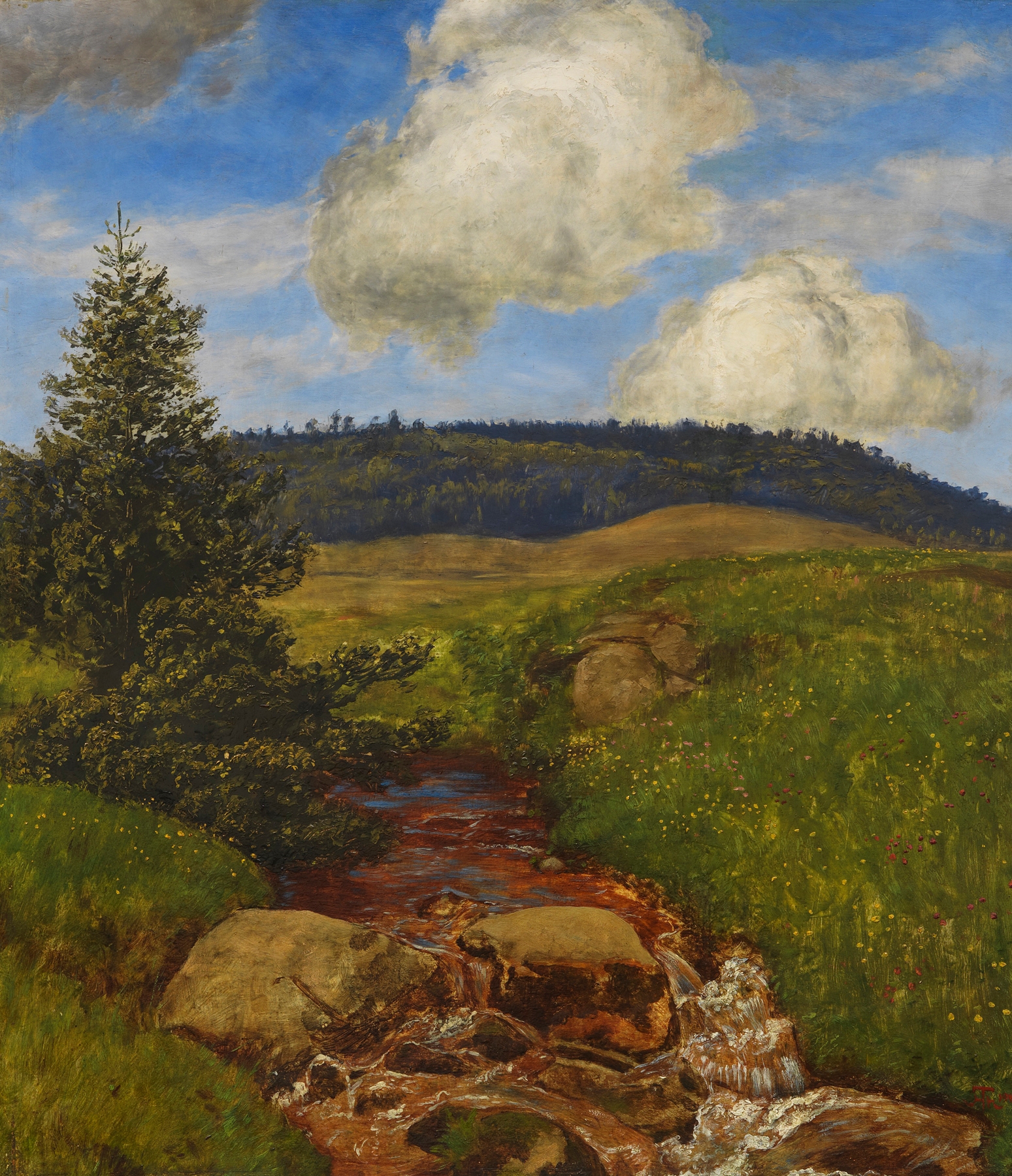
Schwarzwaldbach
Hans Thoma
More Allegory Art
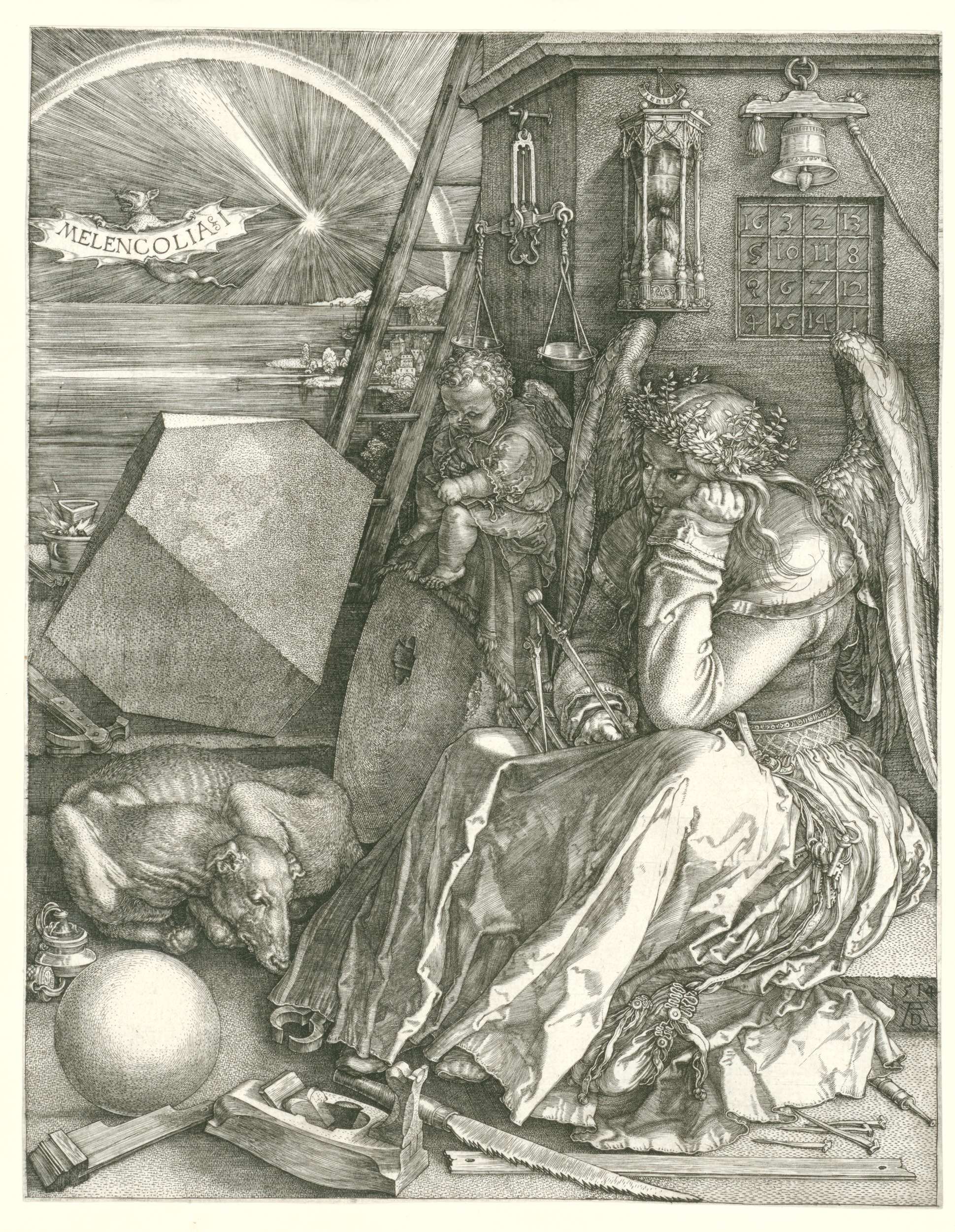
Melancholia
Albrecht Dürer
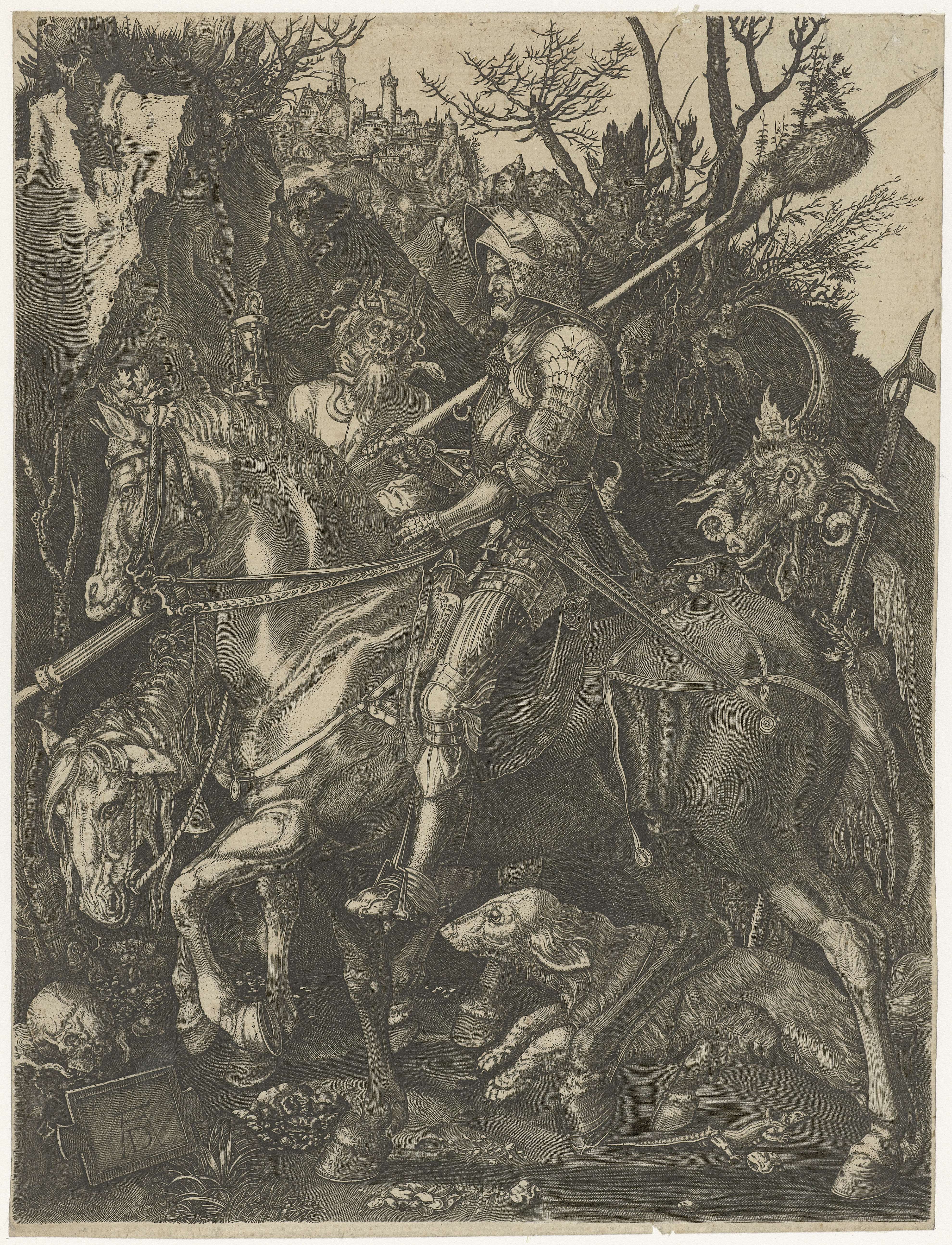
Ridder, Dood en Duivel
Unknown Artist
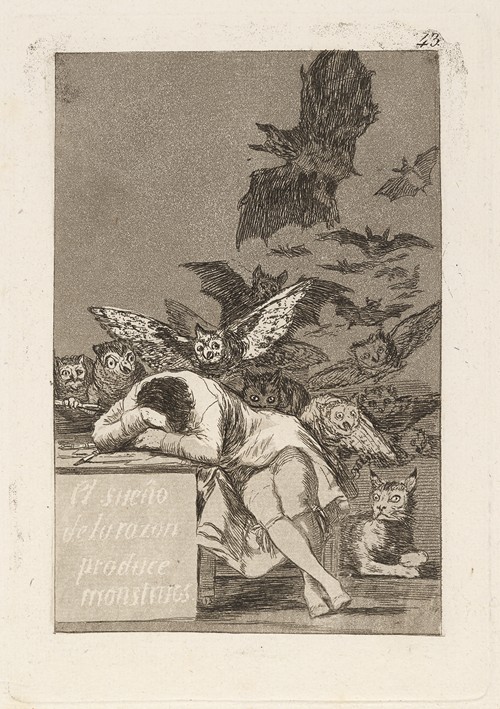
El sueño de la razon produce monstruos. (The sleep of reason produces monsters.)
Francisco de Goya
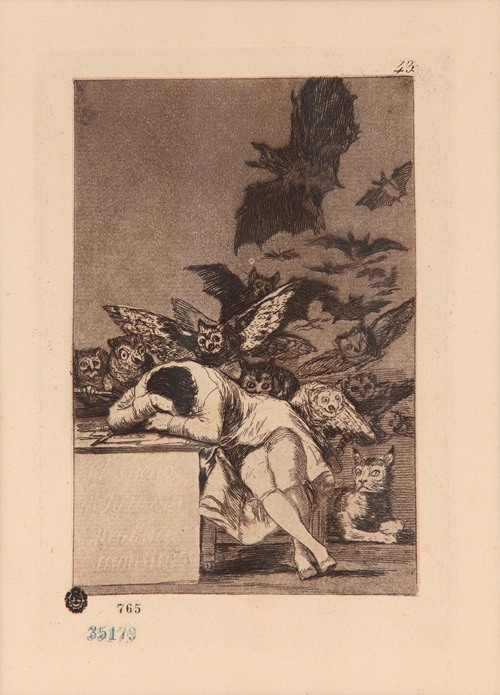
El sueño de la razon produce moustruos (Serie Caprichos)
Francisco de Goya
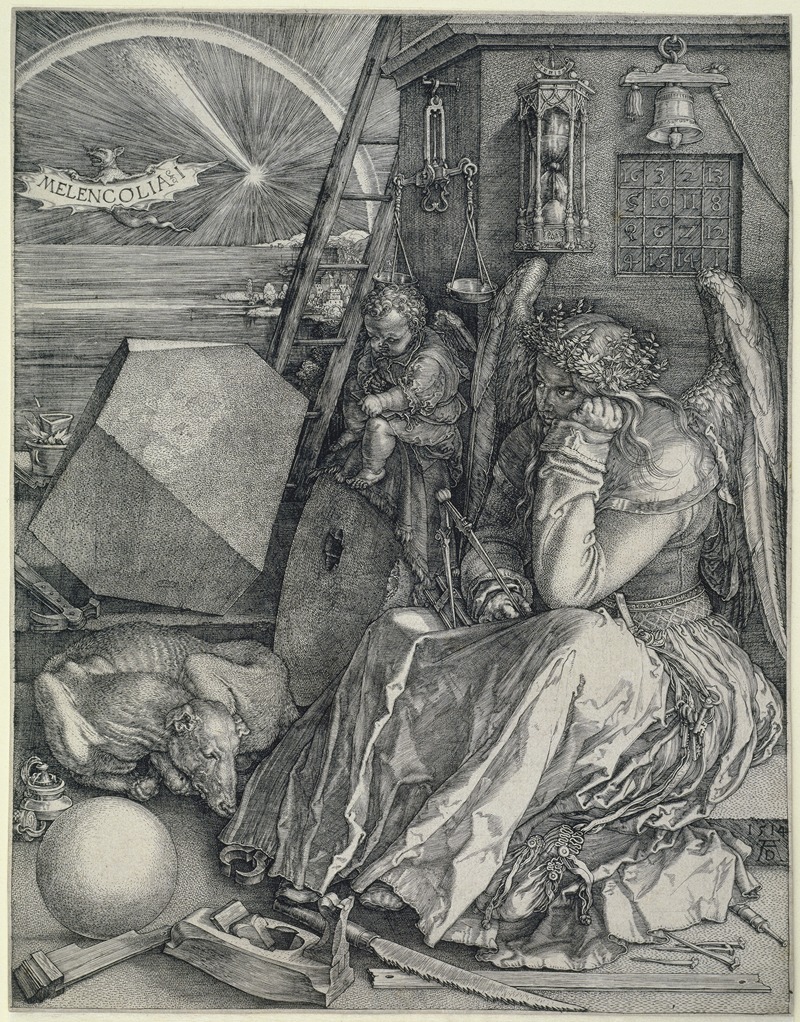
Melencolia I (The Melancholy)
Albrecht Dürer
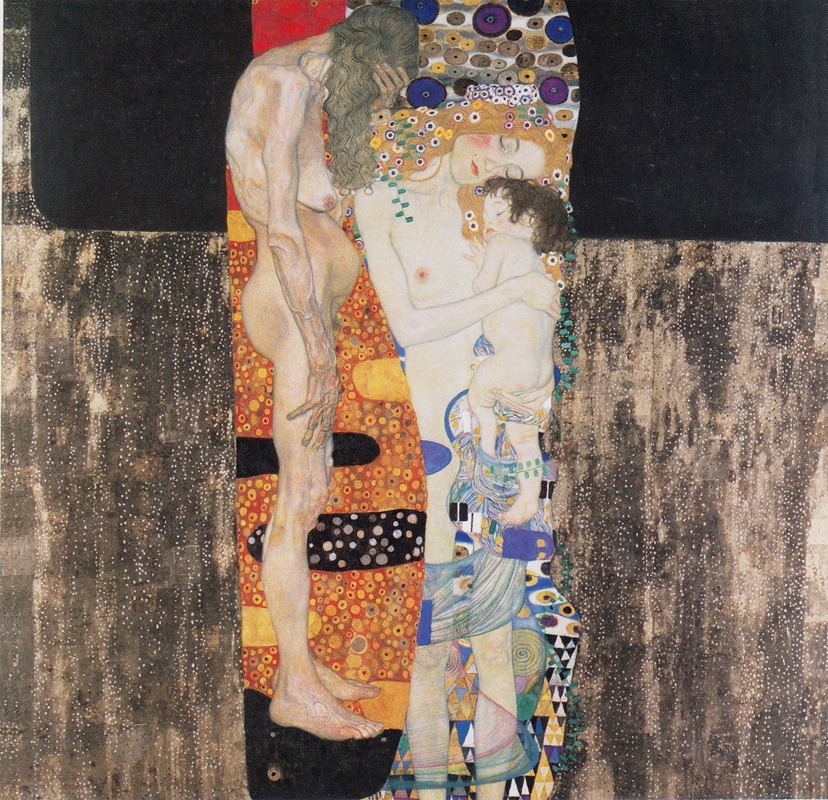
The Three Ages of the Woman
Gustav Klimt