
Discover insights about this artwork
Allegory of February — History & Facts
Allegory of February features a figure representing February, surrounded by winter imagery. The central figure is adorned in flowing robes, with icy blue and white tones reflecting the coldness of the month. Snowflakes and frost delicately frame the scene, adding to the winter atmosphere.
The background is filled with barren trees and a soft, muted sky that suggests a chilly day. Take a closer look at the details of the figure's attire, which showcases intricate patterns that resemble snowflakes. The artist has carefully painted the textures to make the robes appear soft and flowing. Notice how the light interacts with the icy elements, creating a shimmering effect that draws the eye.
This balance of color and texture helps to convey the essence of February as a month of cold and stillness. Hans Thoma was a German painter associated with the Symbolism movement, known for his interest in allegorical themes. He often combined elements of nature with human figures to express deeper meanings. Thoma was influenced by the Romantic movement, which is evident in his focus on emotion and the beauty of nature.
An interesting fact about him is that he was also a prominent art educator and played a role in shaping modern German art.
More Artworks by Hans Thoma
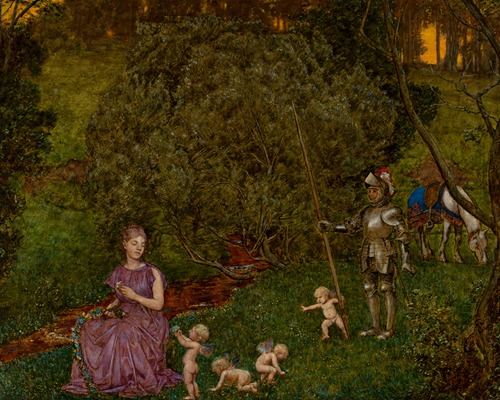
Fable – Knight
Hans Thoma
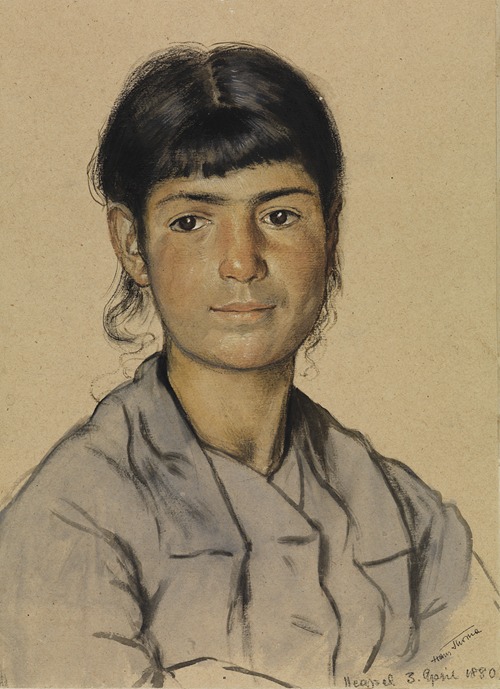
Portrait of a young Neapolitan woman
Hans Thoma
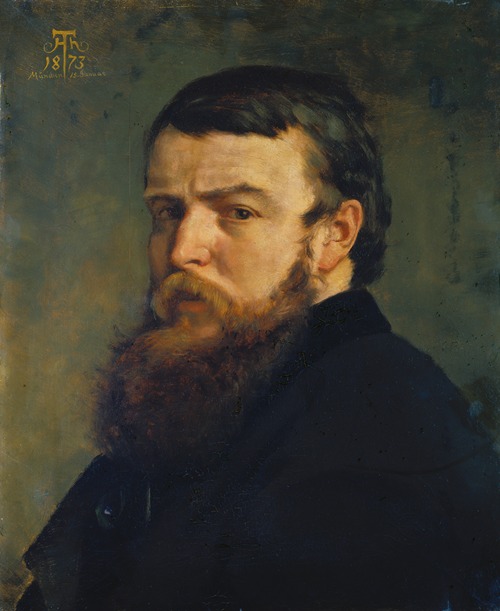
Self-Portrait from Munich
Hans Thoma
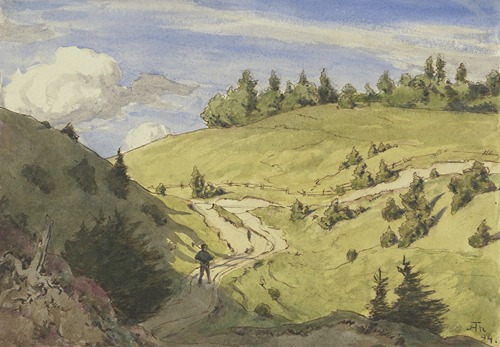
Landscape in the Black Forest
Hans Thoma
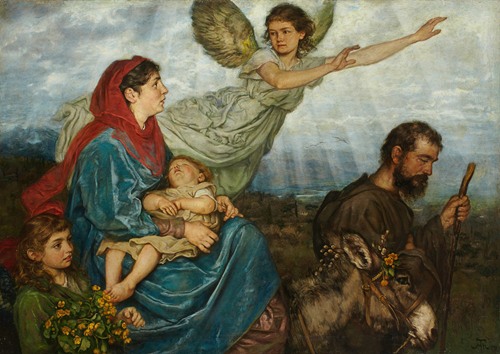
The Flight into Egypt
Hans Thoma
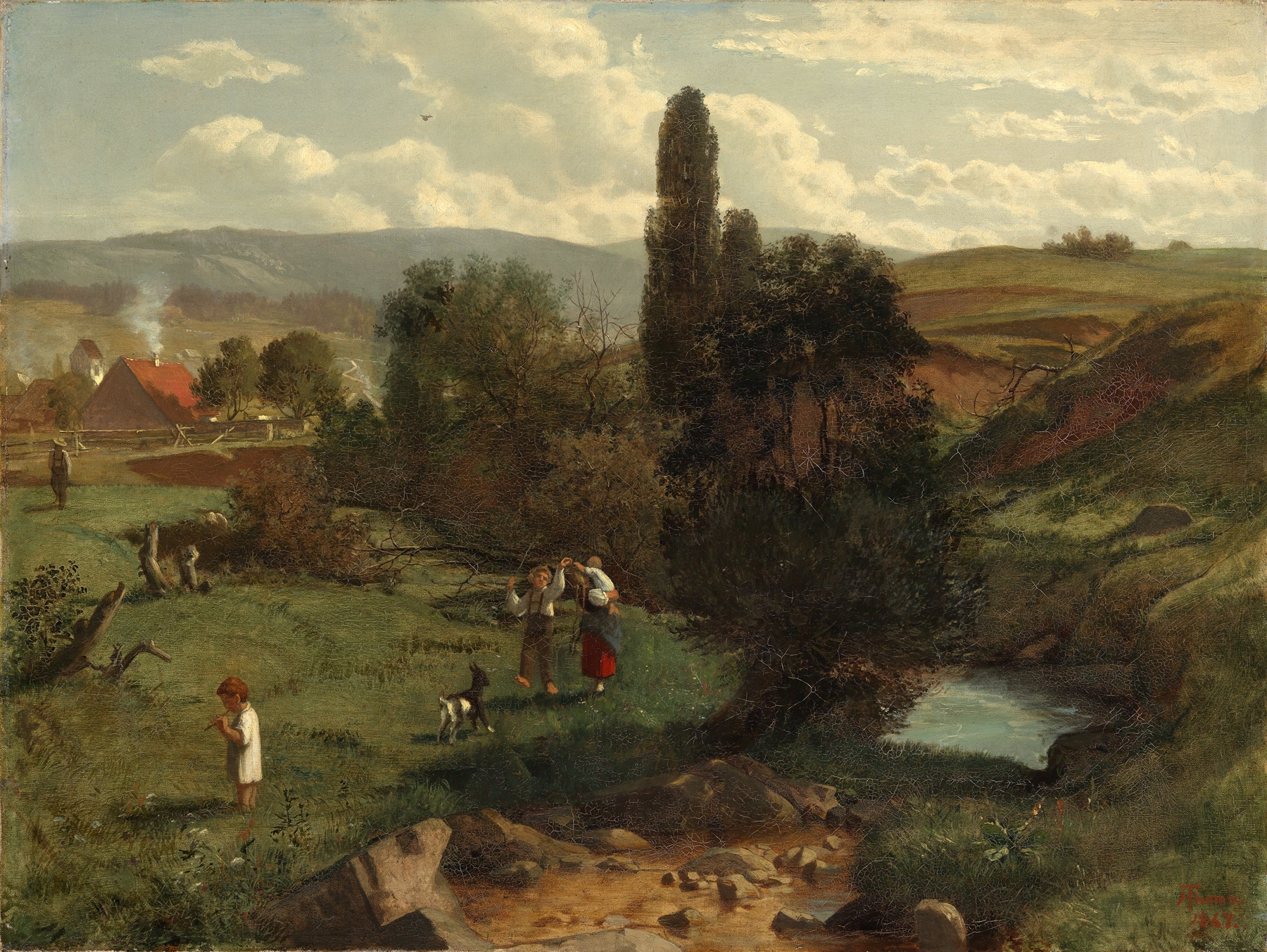
Schwarzwaldlandschaft
Hans Thoma
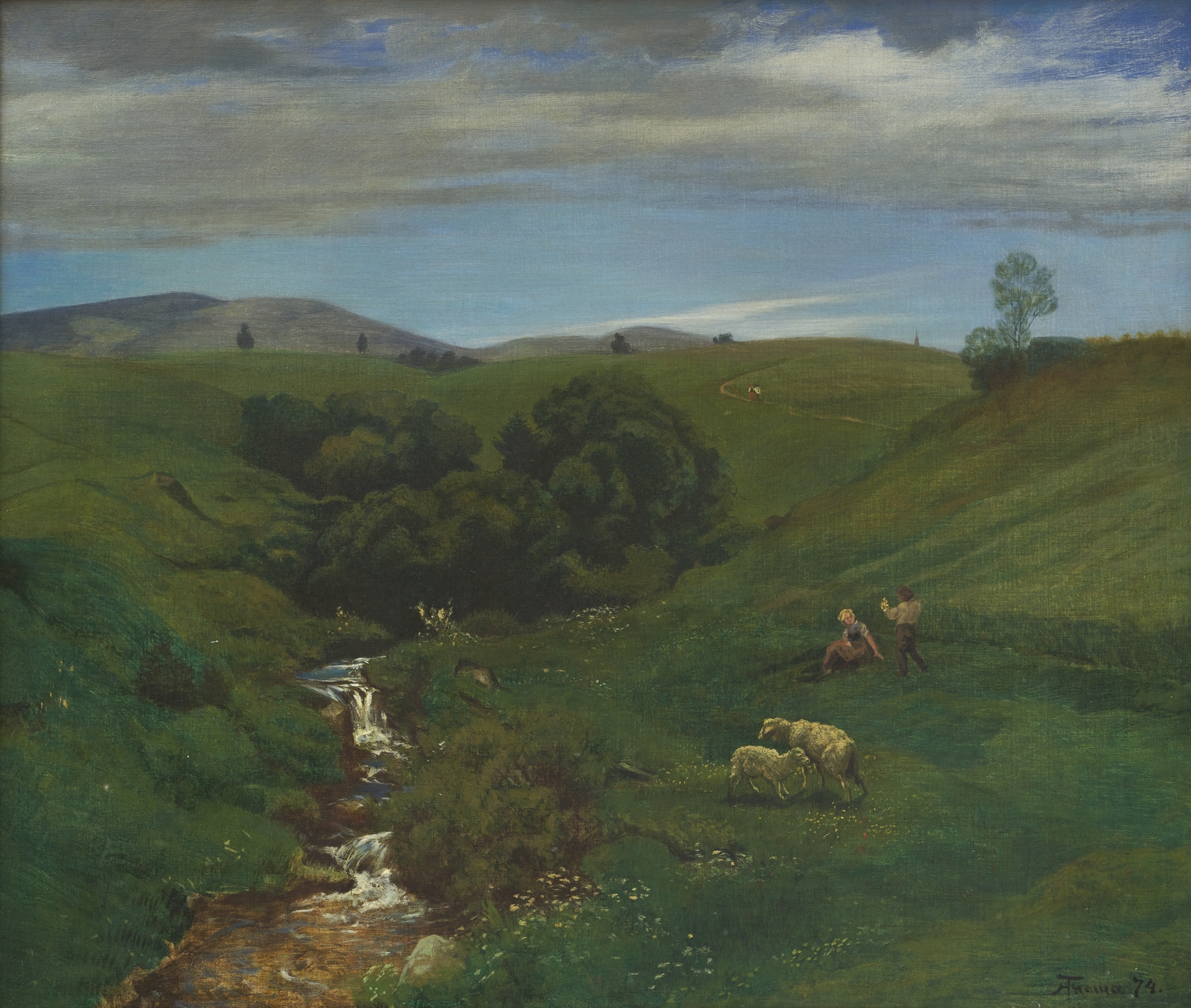
Black Forest Meadow near Bernau
Hans Thoma
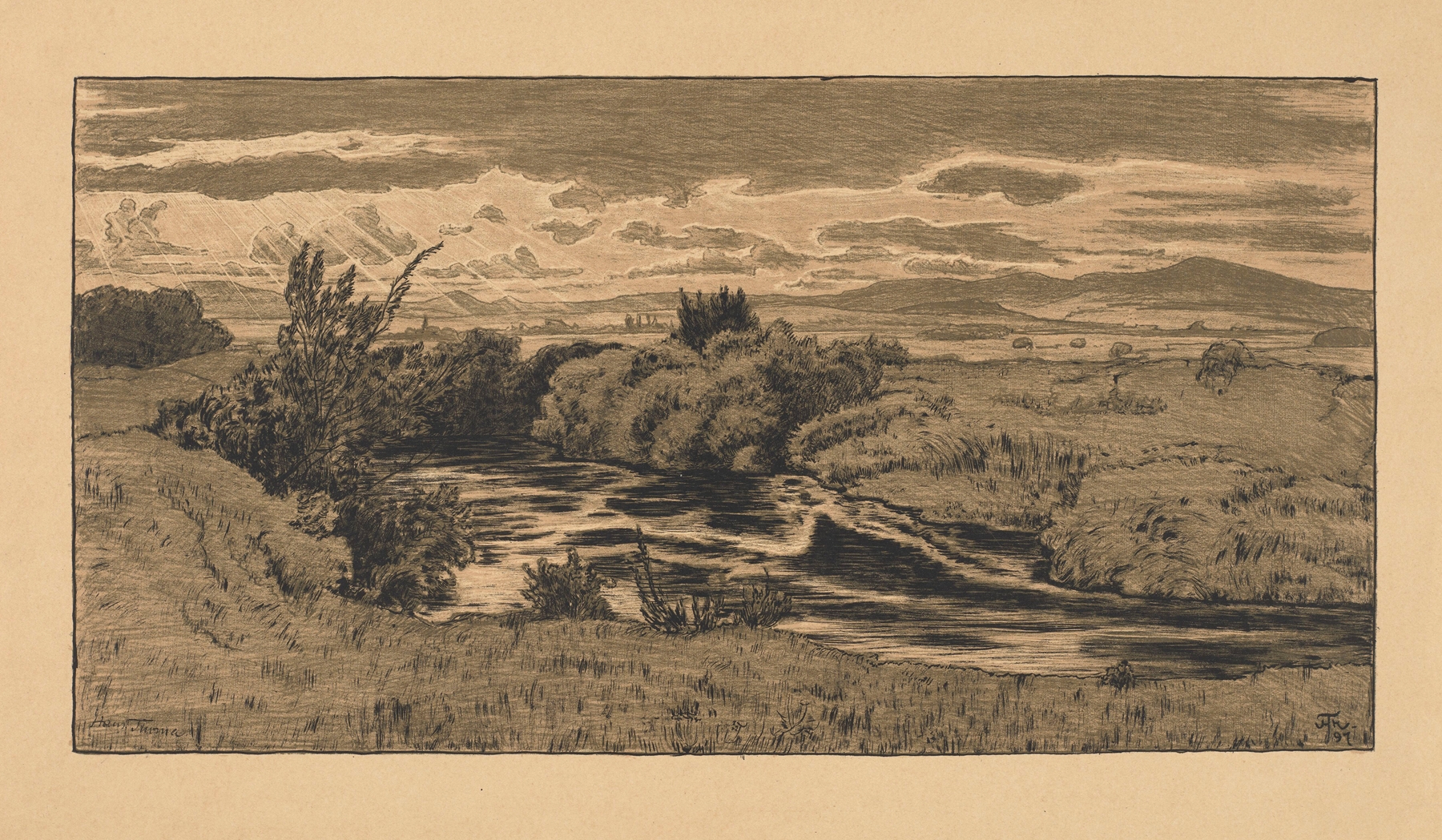
Evening by the Nidda River
Hans Thoma
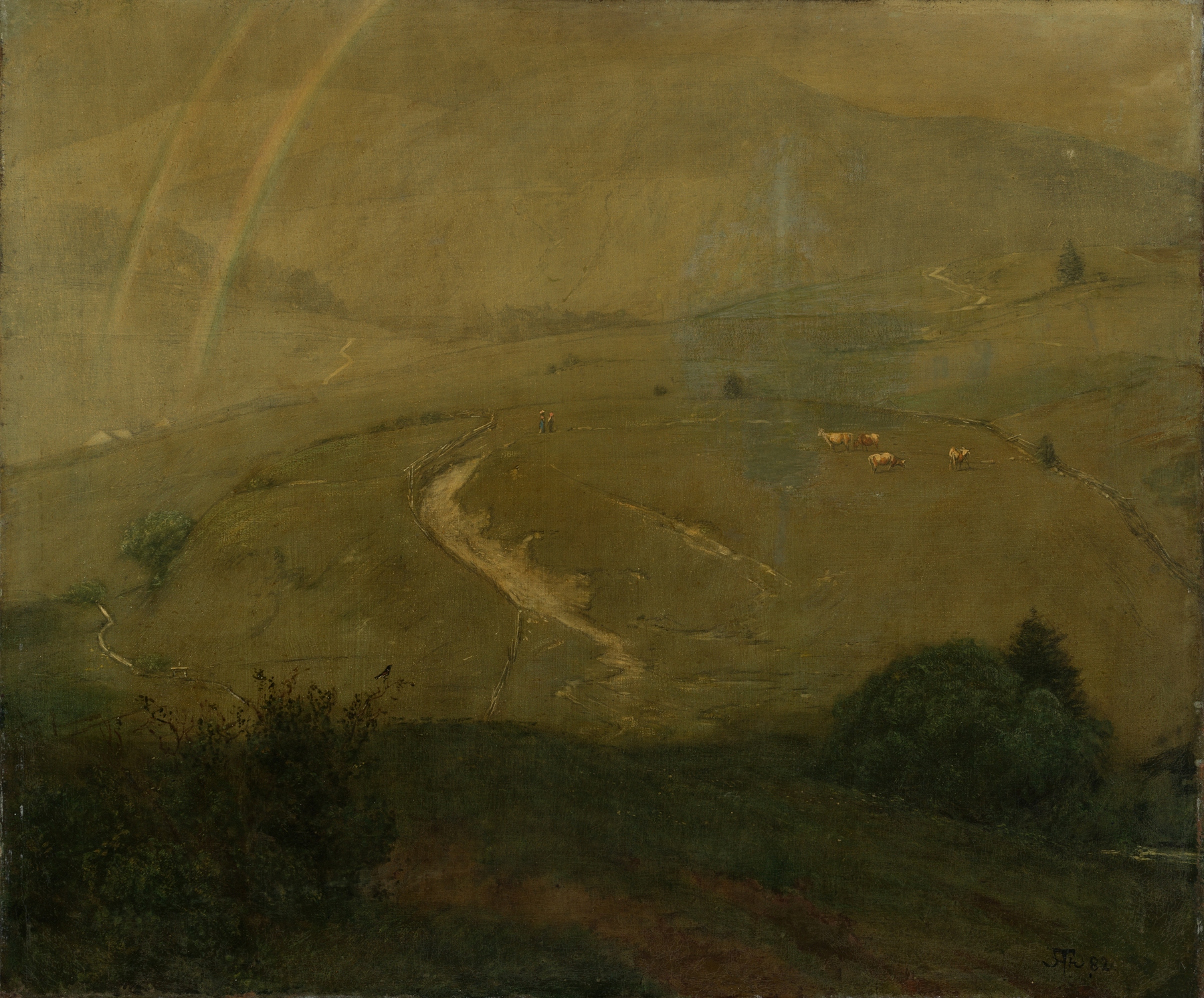
Regen im Schwarzwald
Hans Thoma
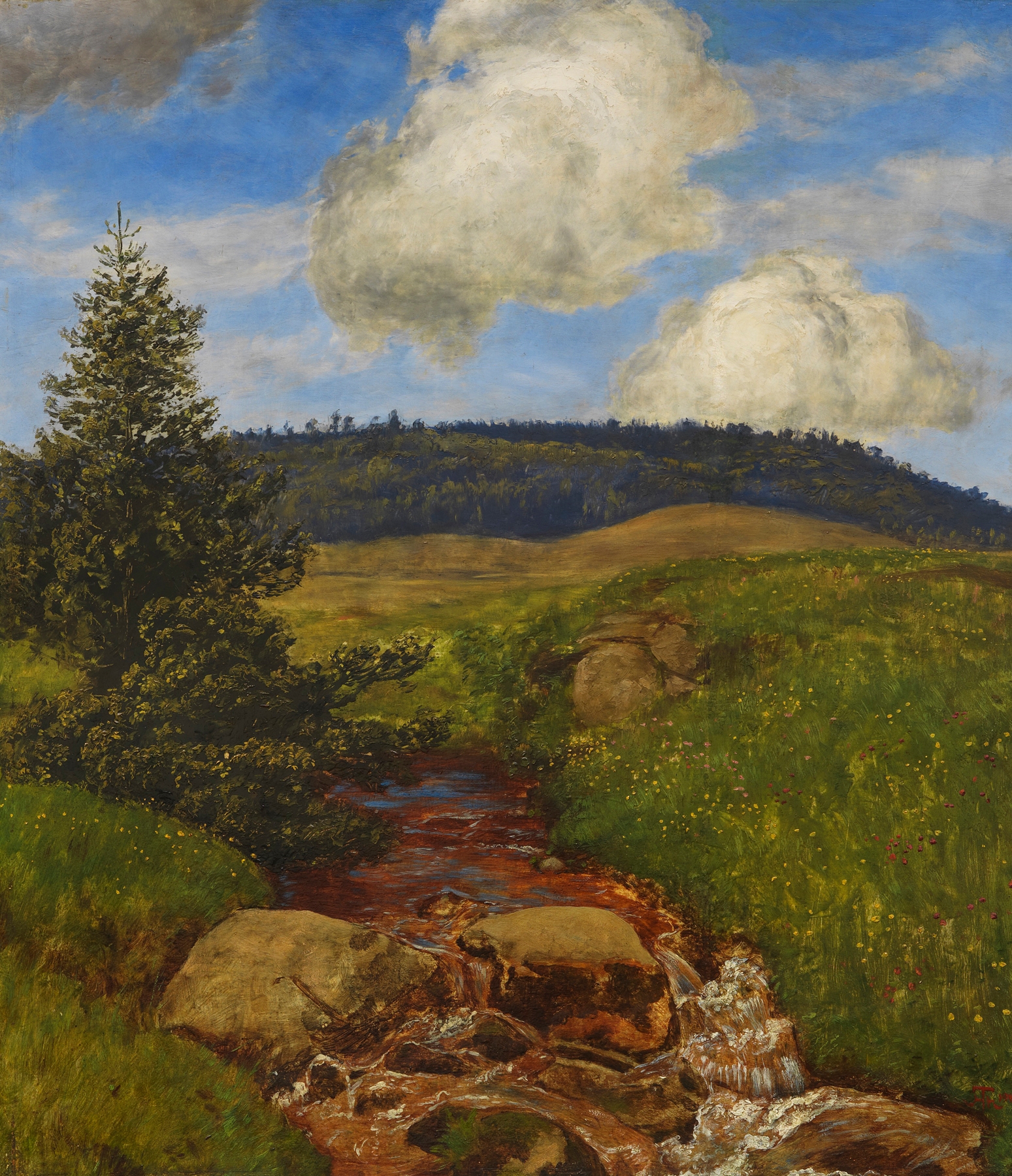
Schwarzwaldbach
Hans Thoma
More Allegory Art
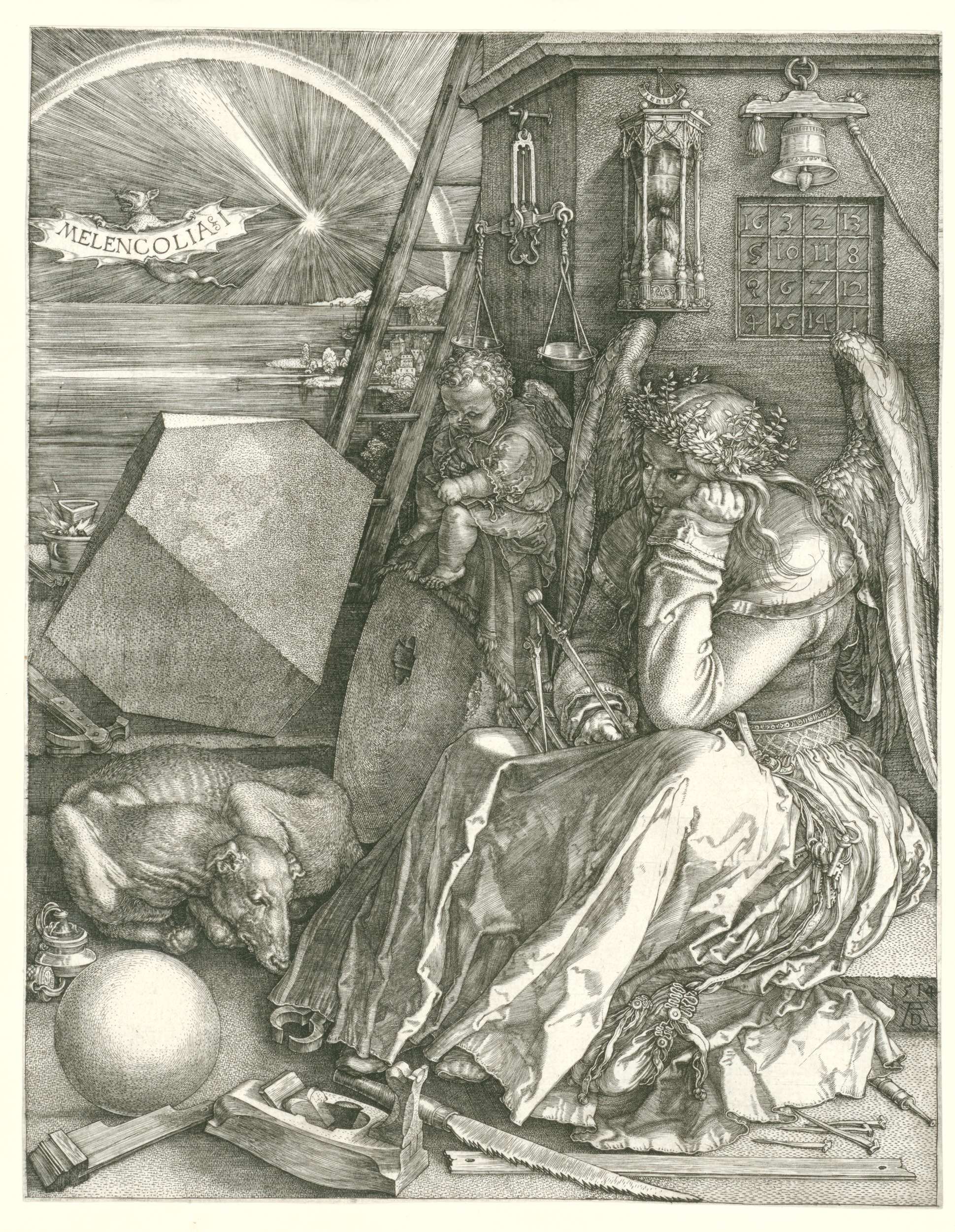
Melancholia
Albrecht Dürer
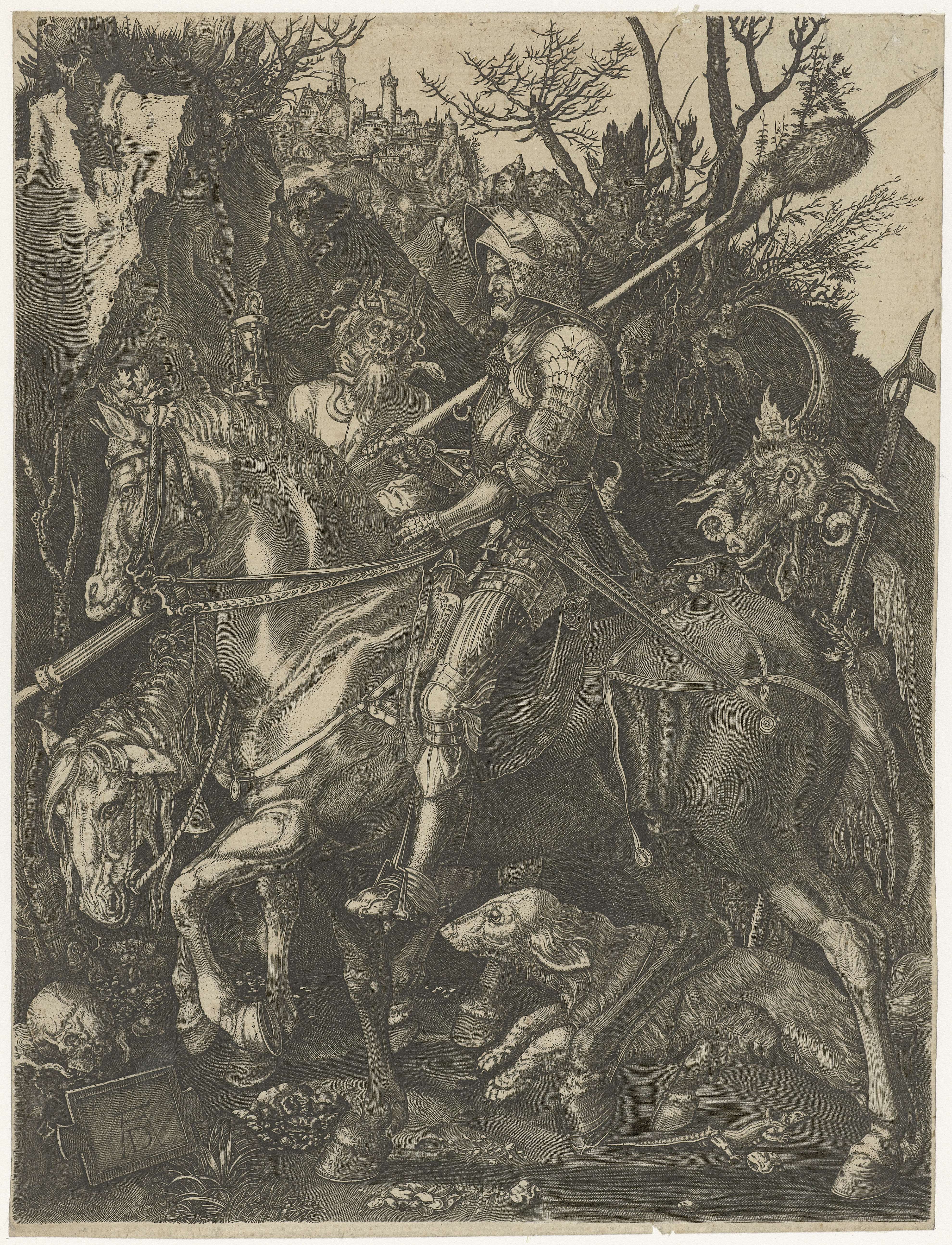
Ridder, Dood en Duivel
Unknown Artist
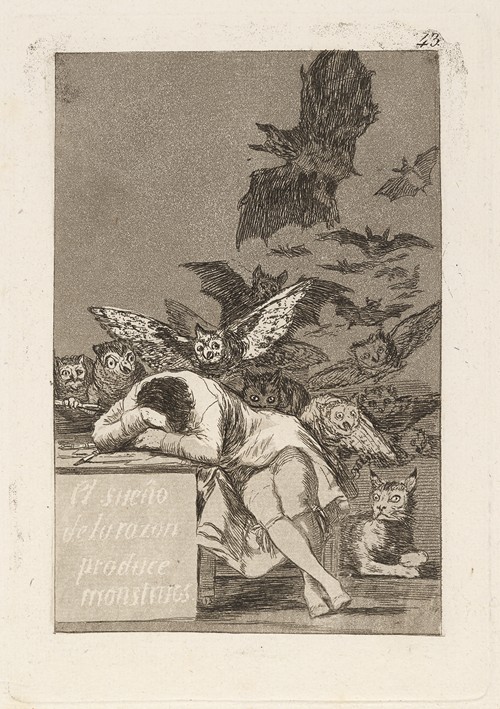
El sueño de la razon produce monstruos. (The sleep of reason produces monsters.)
Francisco de Goya
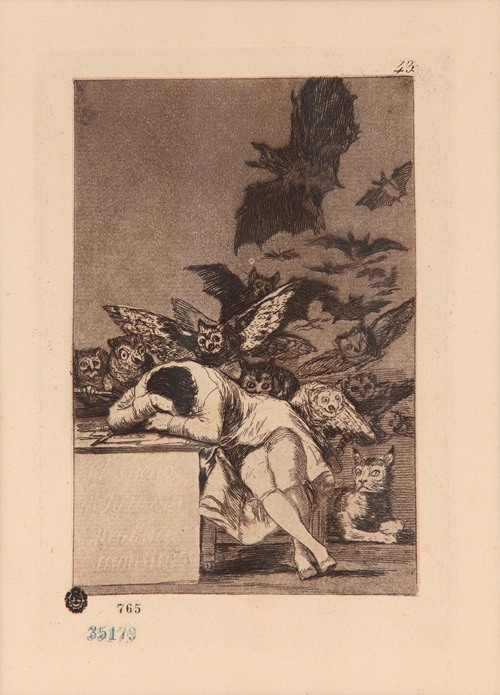
El sueño de la razon produce moustruos (Serie Caprichos)
Francisco de Goya
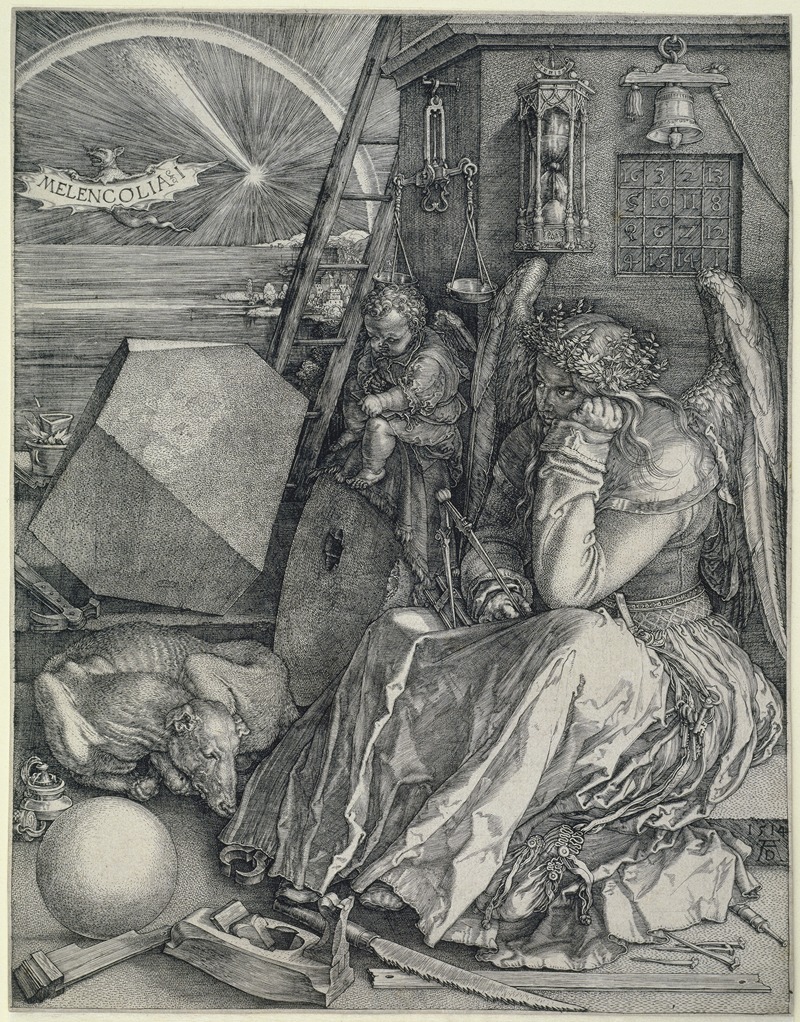
Melencolia I (The Melancholy)
Albrecht Dürer
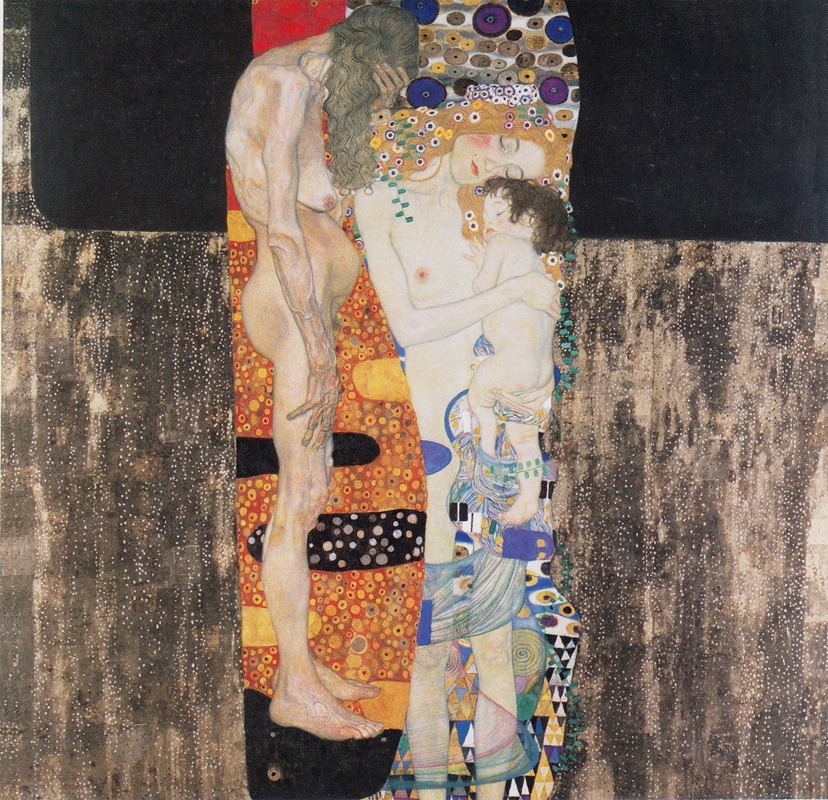
The Three Ages of the Woman
Gustav Klimt