
Allegory of Summer — History & Facts
In Allegory of Summer, Koloman Moser uses bright yellows, greens, and blues to depict a lively summer scene. The painting features figures enjoying the warmth of the season, surrounded by lush foliage and blooming flowers. The composition is filled with intricate patterns that reflect the Art Nouveau style.
The overall atmosphere is one of joy and abundance, capturing the essence of summer. This artwork is characterized by its vibrant color palette and detailed ornamentation typical of the Art Nouveau movement. Moser's technique involves smooth brushwork that creates a sense of fluidity in the forms. The figures are stylized, with elongated shapes and decorative elements that enhance the visual appeal.
Viewers can appreciate the balance between natural forms and artistic design in this piece. Koloman Moser was a key figure in the Vienna Secession movement, which sought to break away from traditional art forms. Allegory of Summer reflects his innovative approach to combining fine art with decorative arts. An interesting fact about this work is that it was likely created during a period when Moser was exploring the relationship between nature and design.
This painting exemplifies his ability to merge these elements seamlessly.
More Artworks by Koloman Moser

Butterfly
Koloman Moser
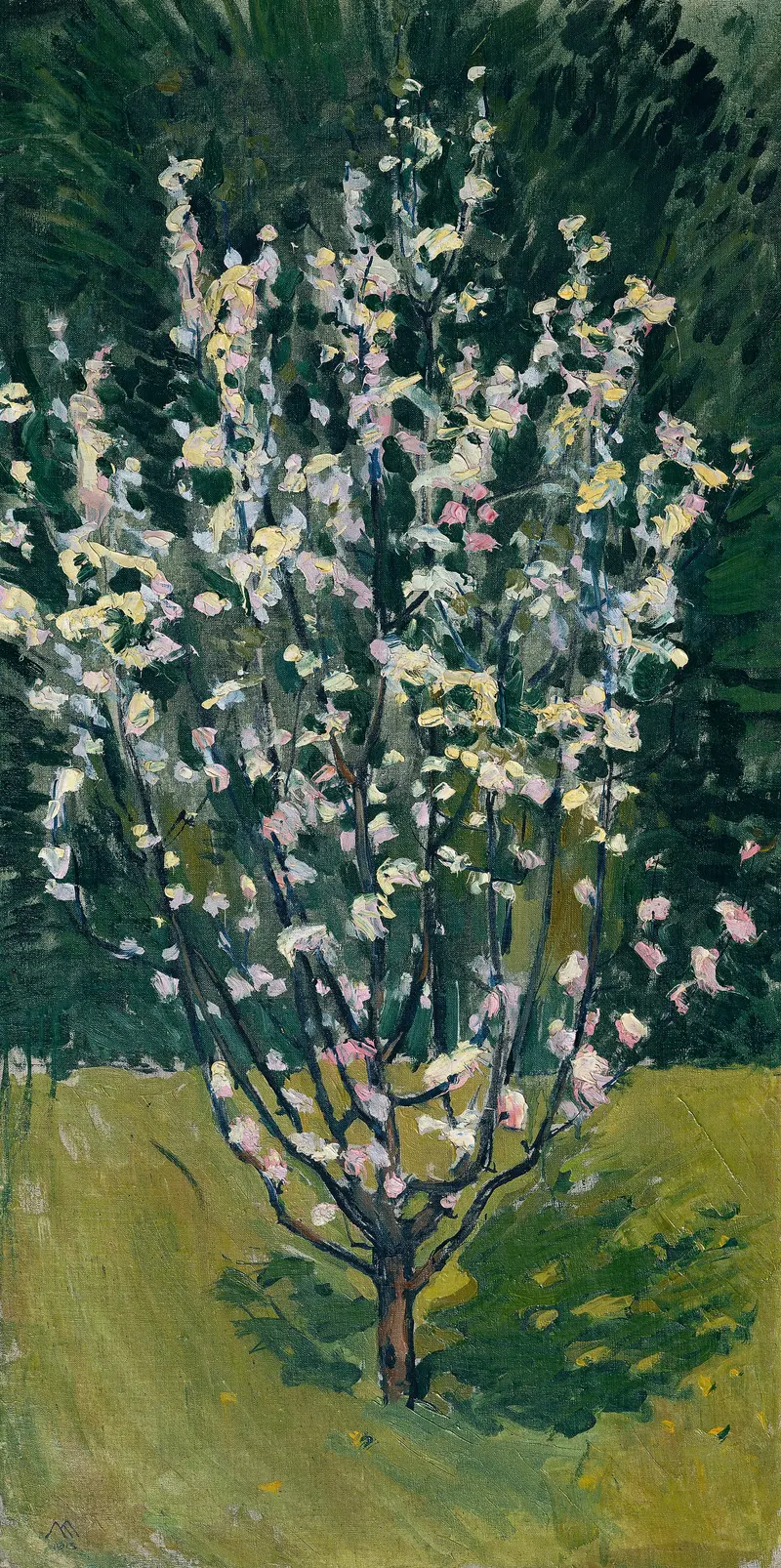
Blühendes Bäumchen
Koloman Moser
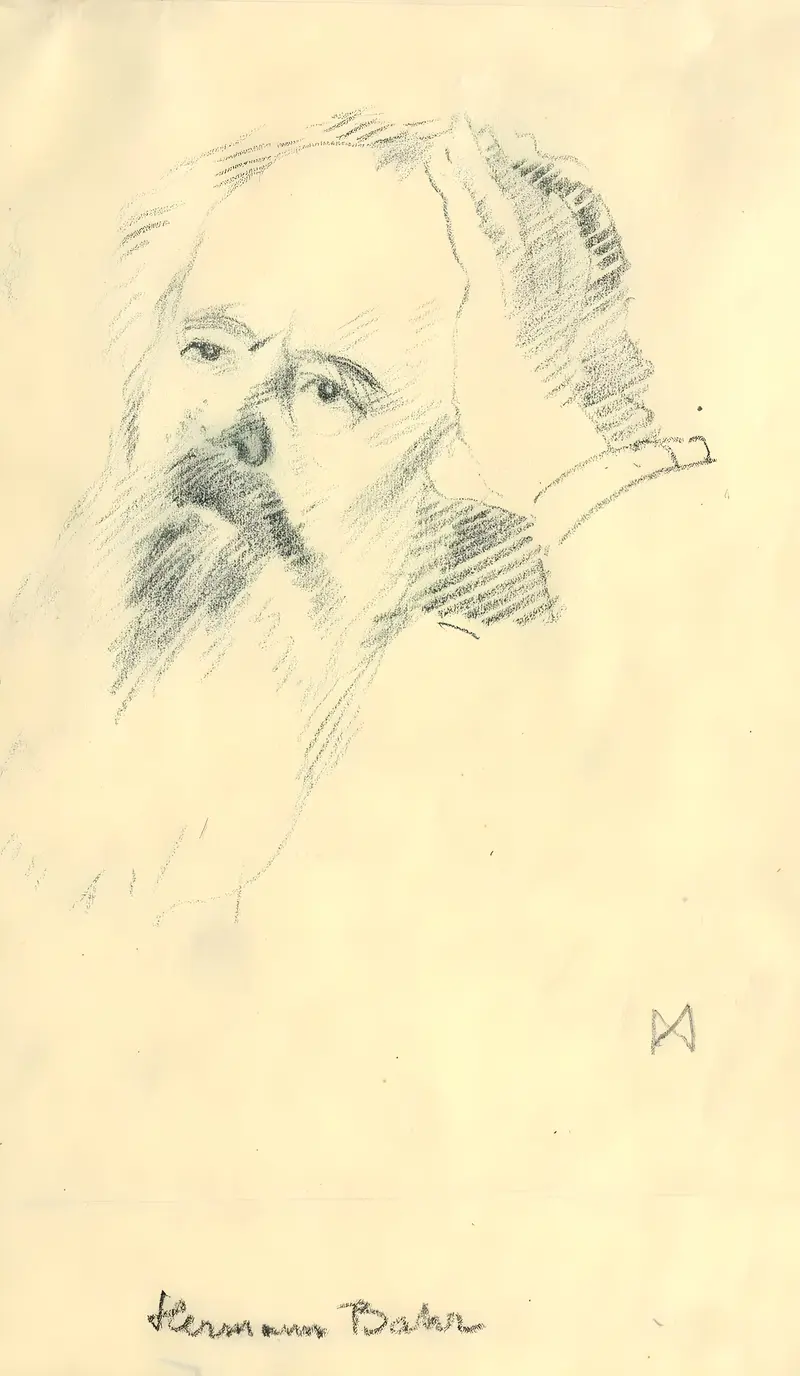
Porträt Hermann Bahr
Koloman Moser

Lesendes Mädchen
Koloman Moser

Liebespaar
Koloman Moser
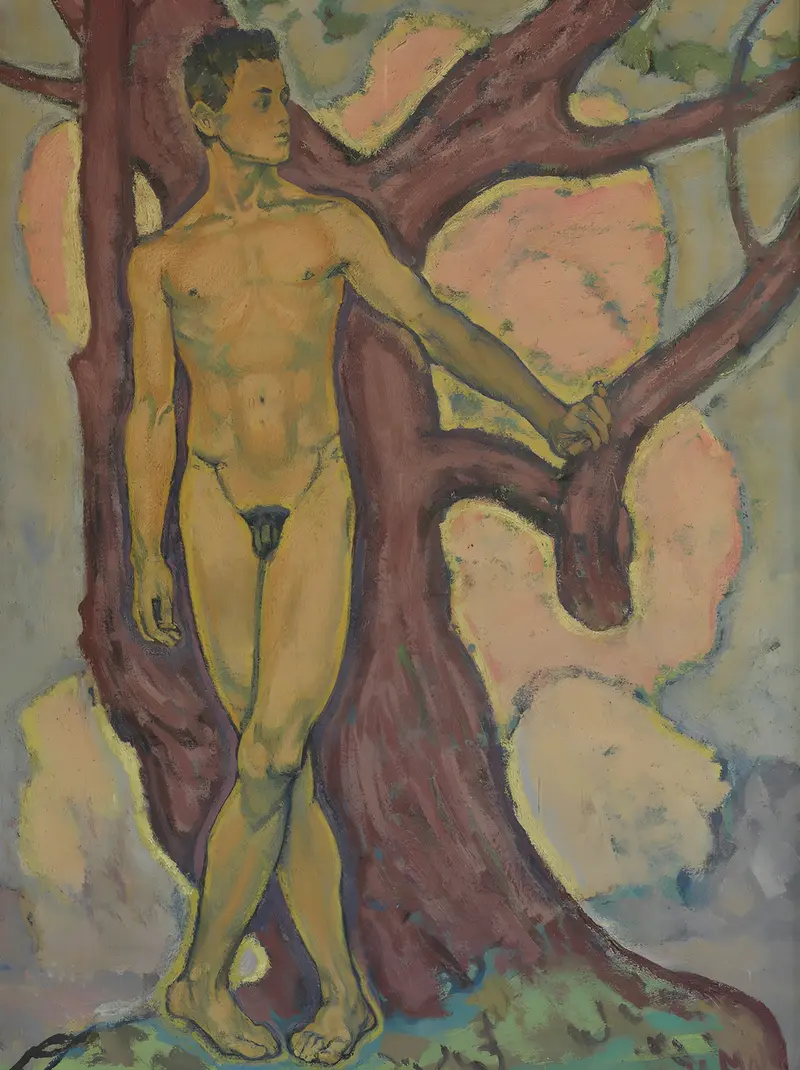
Allegorie Jüngling
Koloman Moser
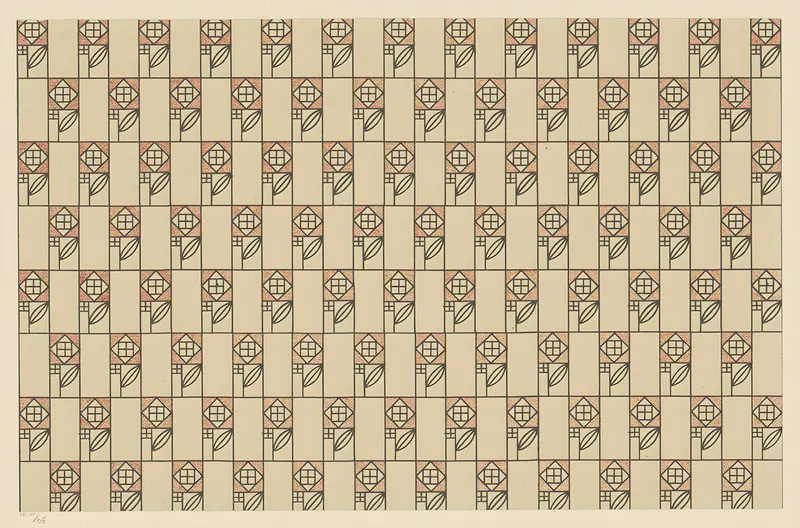
Einwickelpapier der Wiener Werkstätte mit Rosenmarke
Koloman Moser
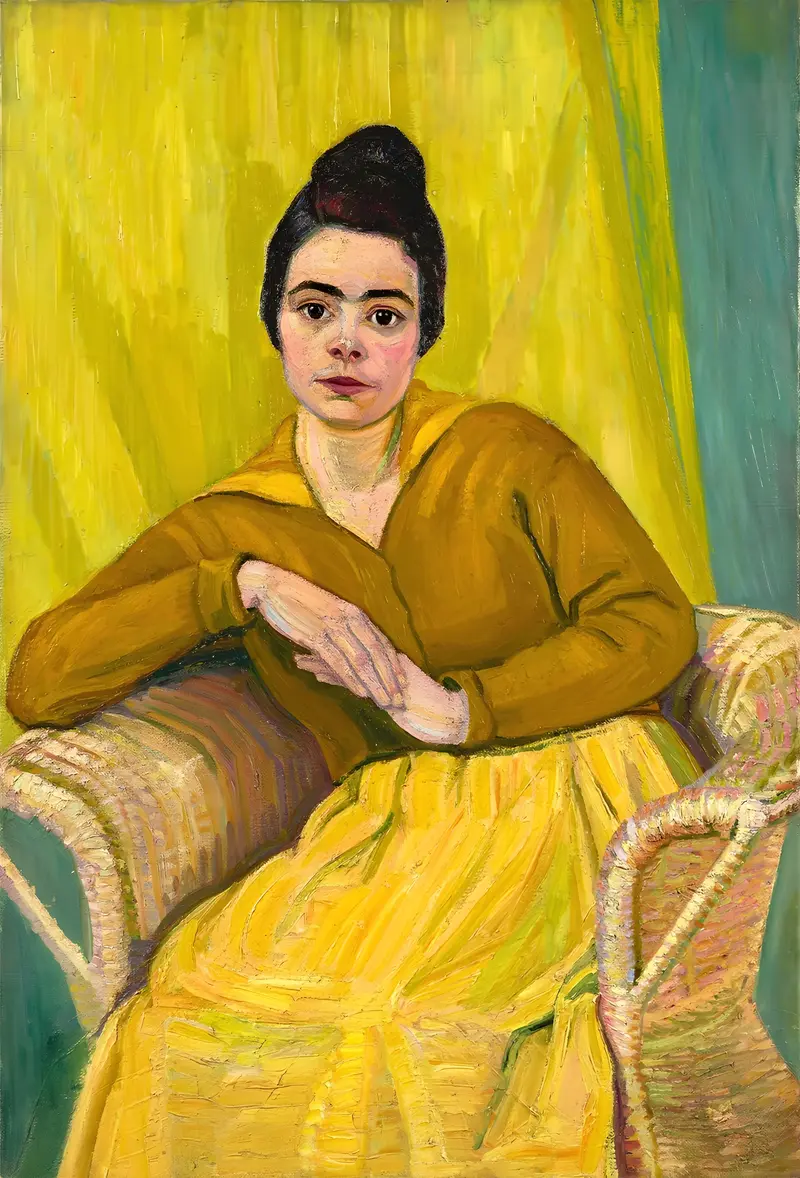
Sitzende Dame im Korbstuhl
Koloman Moser
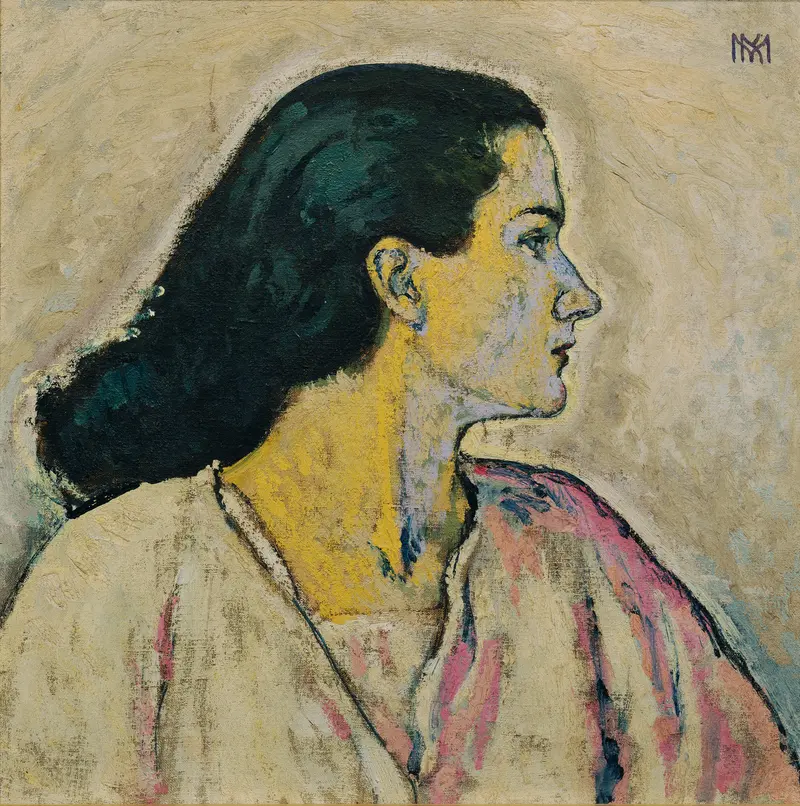
Frauenbildnis im Profil
Koloman Moser

Gesang – Liebe
Koloman Moser





