
Alnwick Castle — History & Facts
Can paint confess what words never could? In Joseph Mallord William Turner’s Alnwick Castle, a silent dialogue unfurls between the ethereal qualities of light and the imposing strength of stone, revealing truths that linger beyond language. Look to the left at the castle's towering silhouette, bathed in the soft glow of a waning sun, where the delicate strokes of ochre and gold evoke a sense of majesty and nostalgia. Notice how the clouds above swirl with muted grays and blues, their heavy presence contrasting with the vibrant hues below, creating a tension that captivates the viewer. The sweeping brushstrokes convey both movement and stillness, bringing life to the landscape while simultaneously grounding the viewer's gaze on the strong architectural lines of the edifice that dominate the scene. Hidden within this composition are deeper contrasts—between the fleeting beauty of nature and the enduring permanence of human creation.
The interplay of light and shadow seems to breathe life into the stone walls, suggesting a history rich with both glory and decay. The shimmering reflections in the surrounding water hint at the passage of time, as if the castle itself holds secrets of revelation waiting to be unearthed, underscoring the fleeting nature of memory and experience. In 1829, Turner painted this piece during a significant period of his career, as he was establishing himself as a master of Romantic landscape painting in England. The industrial revolution was altering the very fabric of society, and Turner’s work often grappled with themes of nature versus man.
While he was celebrated for his bold use of color and innovative techniques, Alnwick Castle serves as a poignant reminder of the beauty found in the interplay of light and structure, reflecting both the artist’s evolution and the world around him.
More Artworks by Joseph Mallord William Turner
Browse all →
Dort or Dordrecht- The Dort Packet-Boat from Rotterdam Becalmed
Joseph Mallord William Turner
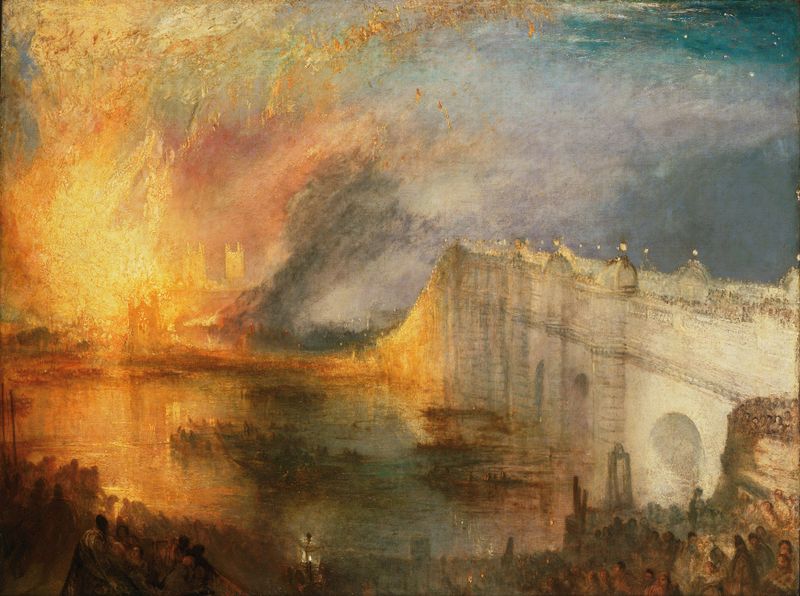
The Burning of the Houses of Lords and Commons, October 16, 1834
Joseph Mallord William Turner
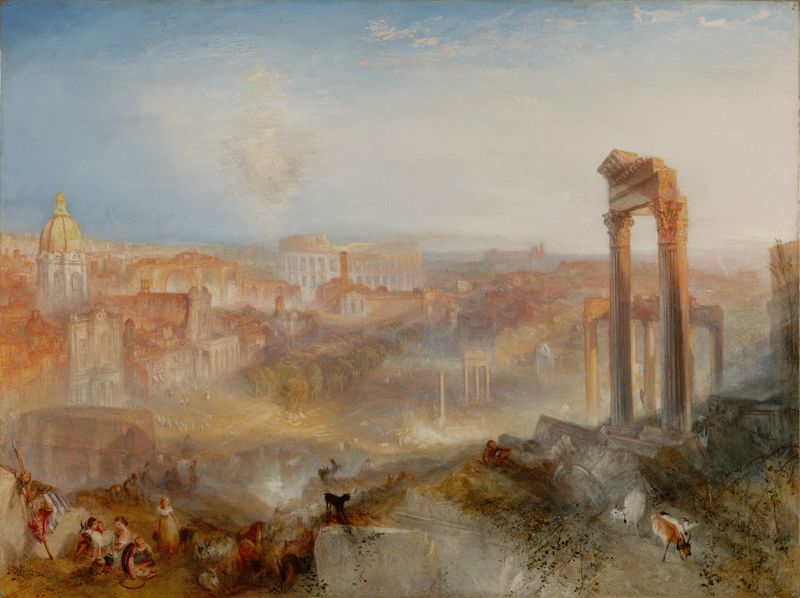
Modern Rome – Campo Vaccino
Joseph Mallord William Turner
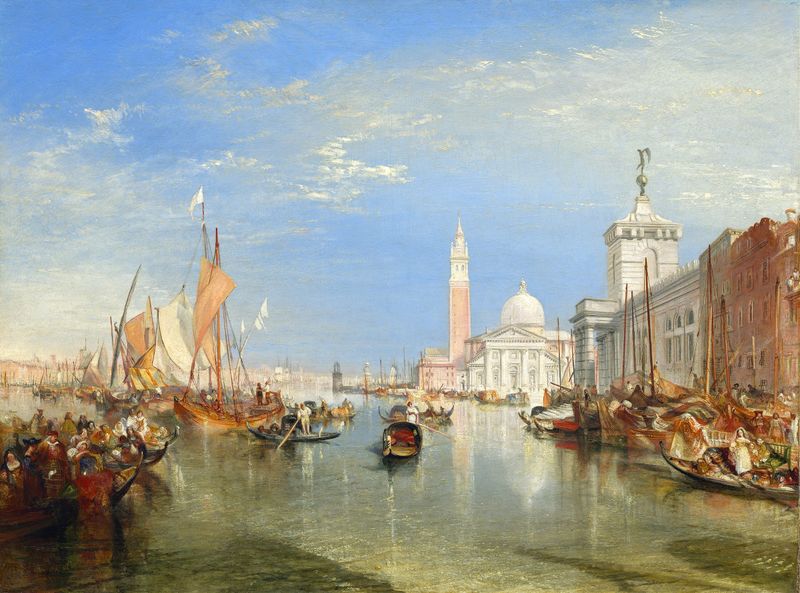
Venice – The Dogana and San Giorgio Maggiore
Joseph Mallord William Turner

The Burning of the Houses of Lords and Commons, 16 October 1834
Joseph Mallord William Turner
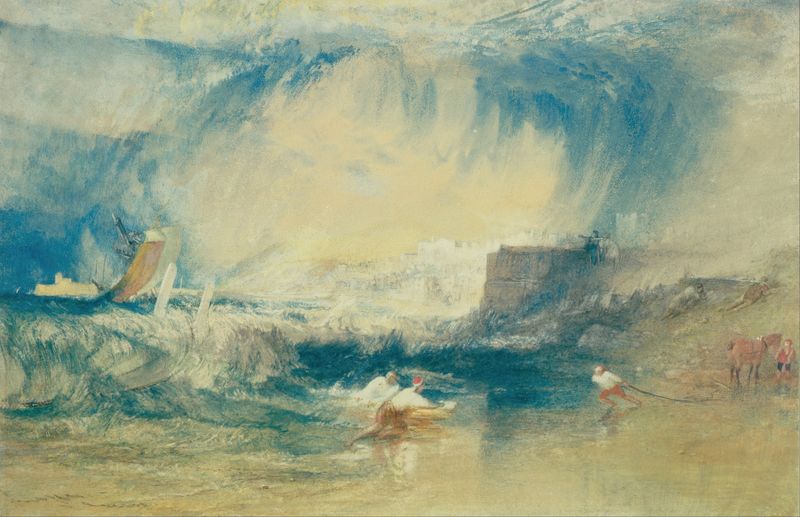
Lyme Regis, Dorsetshire, England
Joseph Mallord William Turner
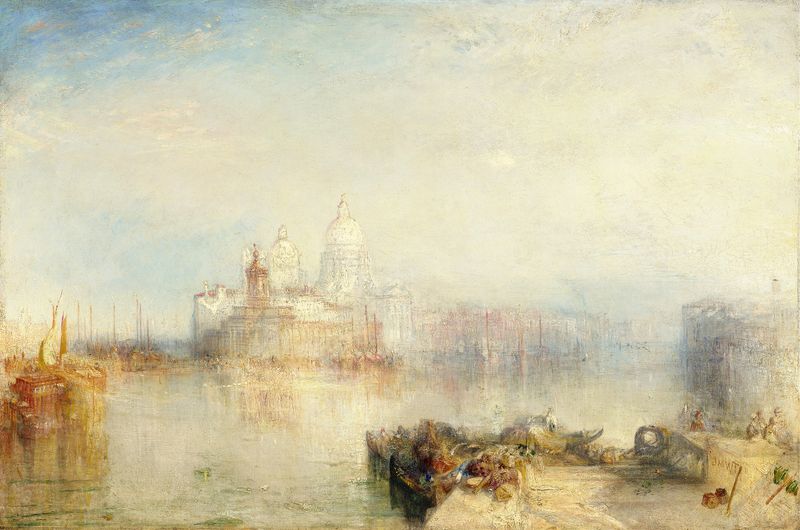
The Dogana and Santa Maria della Salute, Venice
Joseph Mallord William Turner
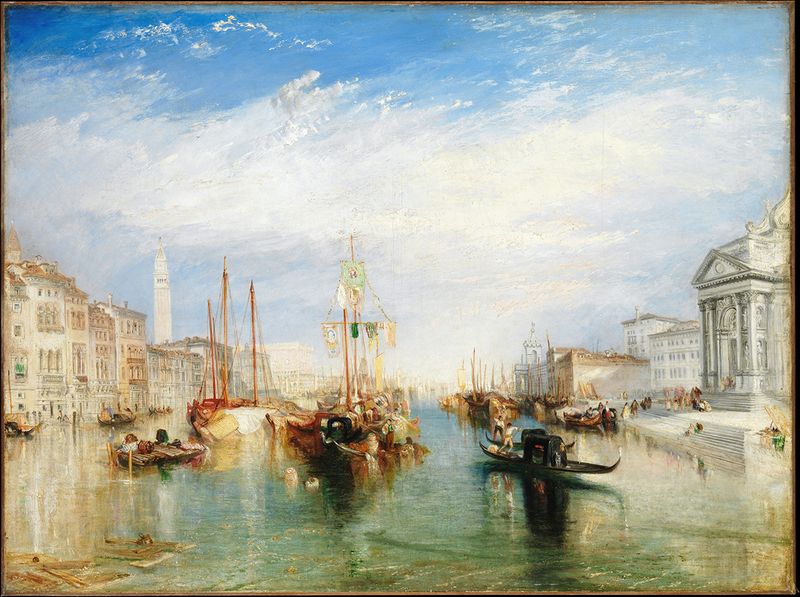
Venice, from the Porch of Madonna della Salute
Joseph Mallord William Turner
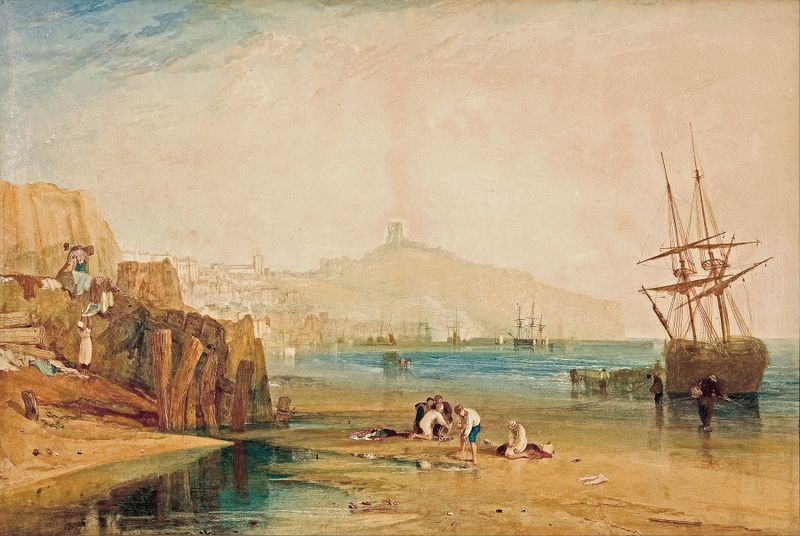
Scarborough town and castle; morning; boys catching crabs
Joseph Mallord William Turner
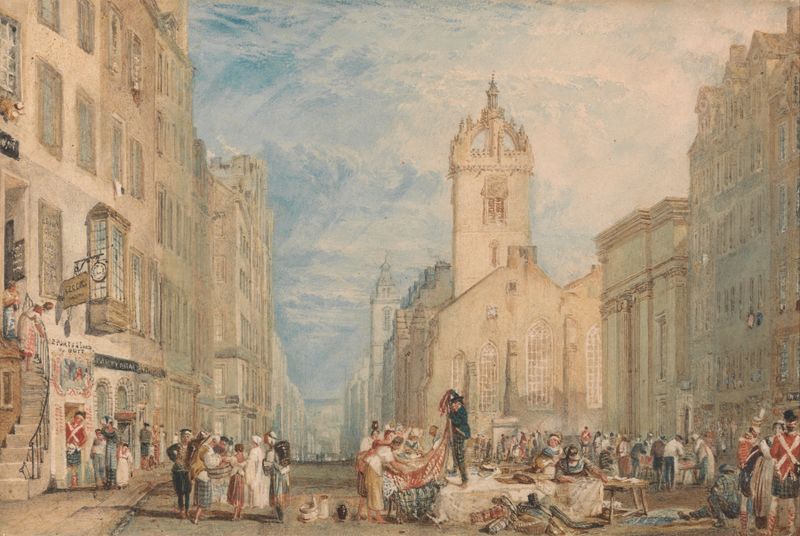
High Street, Edinburgh
Joseph Mallord William Turner





