
Alte Weide auf Frauenchiemsee — History & Facts
In Alte Weide auf Frauenchiemsee, longing materializes not just as emotion, but as the very essence of memory that the artist captures on canvas. Look to the left at the gnarled silhouette of the old willow tree, its branches reaching outward like arms yearning for the past. The soft greens and rich browns envelop the scene, while shades of blue reflect the tranquil lake, harmonizing with nature’s whispers. This interplay of light and shadow underscores the weight of nostalgia, drawing your eye across the peaceful landscape before resting on the tree's textured bark, which tells a story of resilience and time. Delve deeper into the scene, and you’ll find a stark contrast between the tree’s steadfastness and the fluidity of the water, representing the tension between permanence and change.
The gentle ripples hint at the fleeting moments that shape our existence, while the surrounding foliage appears to sway with the wind, embodying the whispers of memories yet to be fully grasped. This balance evokes a bittersweet sense of yearning, as if the viewer stands on the brink of recollection, caught between what was and what might have been. Hiasl Maier-Erding painted this work in 1925, a period defined by post-war recovery and the rise of regionalism in art. Living in Bavaria, the artist sought to express a connection to the natural world through local landscapes.
Amidst the cultural shifts of his time, Maier-Erding focused on capturing the tranquil beauty of his surroundings, using his art as a means to explore both personal and collective memories.
More Artworks by Hiasl Maier-Erding
Browse all →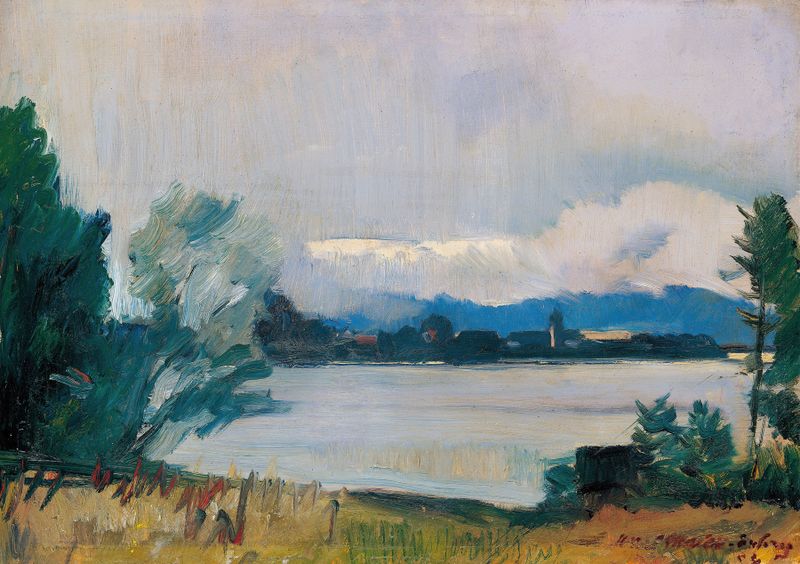
Blick zur Fraueninsel
Hiasl Maier-Erding

Rosenheim im Winter
Hiasl Maier-Erding

Moosstimmung am Chiemsee (bei Übersee)
Hiasl Maier-Erding

Dorfstraße in Gstadt am Morgen
Hiasl Maier-Erding
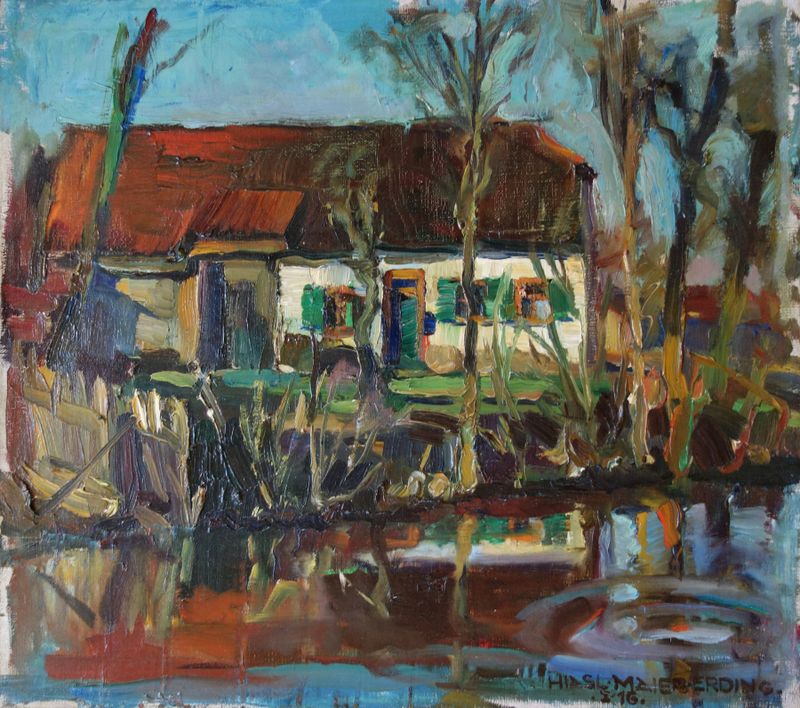
An der Sempt in Alternerding
Hiasl Maier-Erding
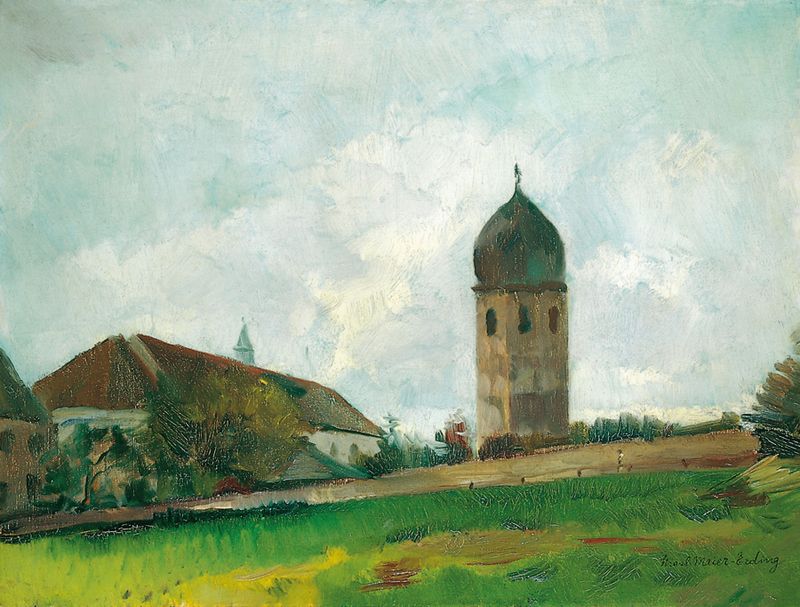
Klostergebäude mit Campanile (Fraueninsel)
Hiasl Maier-Erding
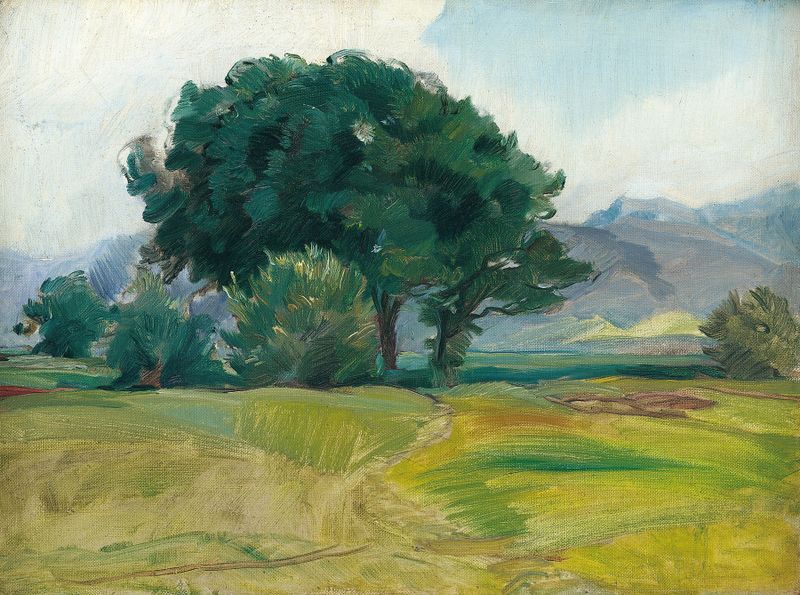
Baumgruppe im Harrasser Moor
Hiasl Maier-Erding
Frauenchiemsee von Gstadt aus
Hiasl Maier-Erding
Blick von Balkon auf die Fraueninsel
Hiasl Maier-Erding
Auf der Fraueninsel
Hiasl Maier-Erding





