
Altmännerhaus in Amsterdam (Garten im Brentanostift in Amsterdam) — History & Facts
Memories linger in the air, whispering secrets of laughter and melancholy, as they unfurl in the garden's embrace. Shadows stretch beneath the trees, cradling the remnants of conversations once shared, while the gentle rustle of leaves carries the weight of untold stories. Here, in this tranquil refuge, time seems to suspend itself, inviting reflection. Look to the left at the sprawling greenery, where a vibrant splash of color bursts forth from blooming flowers tucked amongst the foliage.
Notice how the soft, dappled light filters through the branches, casting a warm glow upon the figures reclining on the grassy knoll, their forms rendered in soft, fluid strokes. The palette dances between rich greens and warm earth tones, creating a serene atmosphere that is both inviting and contemplative, as if nature itself encourages the viewer to pause and absorb the moment. Beneath the surface, a gentle tension emerges between the warmth of human connection and the solitude offered by the garden. The figures, while engaged in quiet companionship, are set against the backdrop of nature’s solitude, highlighting the contrast between the vibrancy of life and the stillness of memory.
Each brushstroke embodies an interplay of joy and introspection, inviting a deeper understanding of how spaces hold the echoes of our past. In 1880, Max Liebermann painted this piece during a period of artistic flourishing in Amsterdam, where he was deeply influenced by the Impressionist movement. He sought to capture the essence of modern life while engaging with the themes of memory and introspection. As he navigated the complexities of his own experiences in a rapidly changing world, this work emerged as a poignant reflection of the tranquility found in nature amidst the clamor of urban existence.
More Artworks by Max Liebermann
Browse all →
Die Blumenterrasse in Wannsee mit Blick auf den Fischotterbrunnen
Max Liebermann
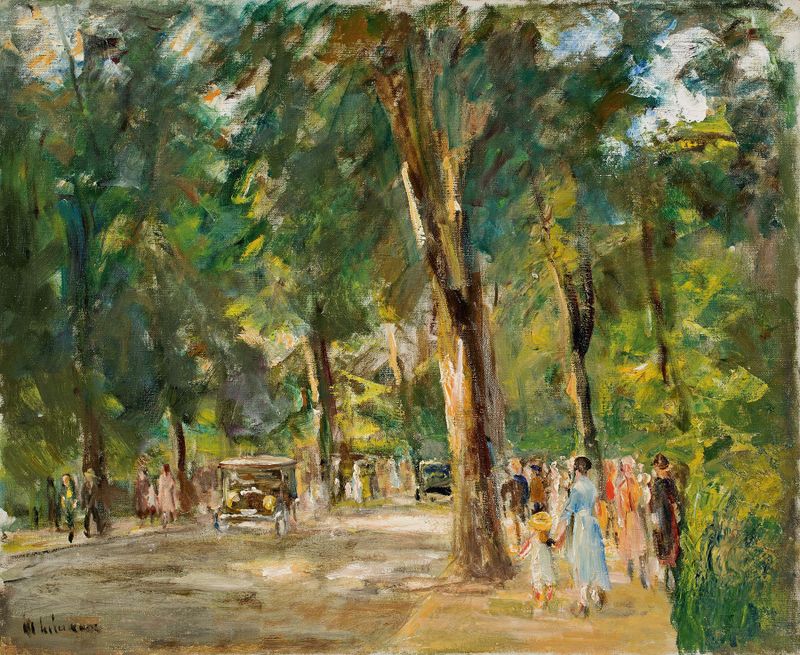
Die Große Seestraße in Wannsee mit Spaziergängern
Max Liebermann

Seitlicher Blick in den Wannseegarten
Max Liebermann

Der Rosengarten in Wannsee
Max Liebermann

Allee mit Spaziergängern und Automobilen
Max Liebermann

Blick in meinen Garten
Max Liebermann
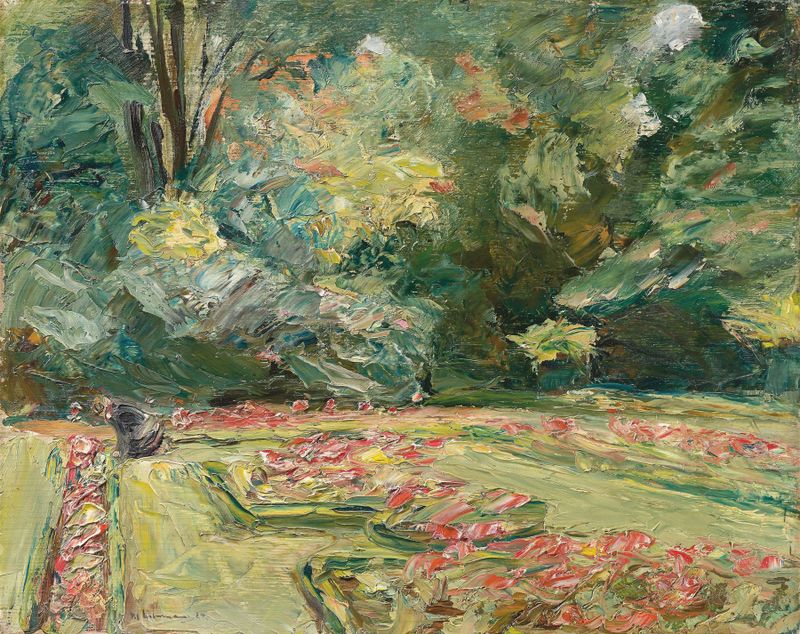
Die Blumenterrasse im Wannseegarten nach Norden
Max Liebermann

Spielende Kinder am Strand
Max Liebermann
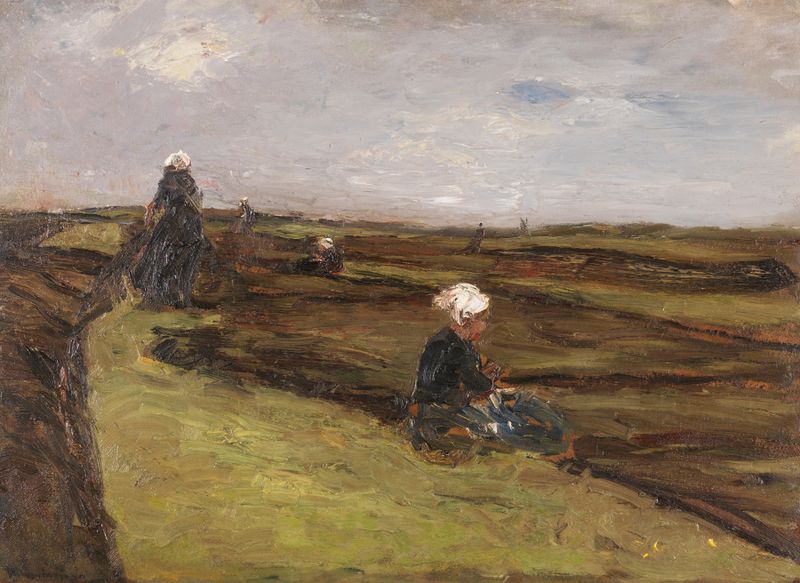
Die Netzflickerinnen
Max Liebermann

Am Strand von Noordwijk
Max Liebermann





