
Am Morteratschgletscher — History & Facts
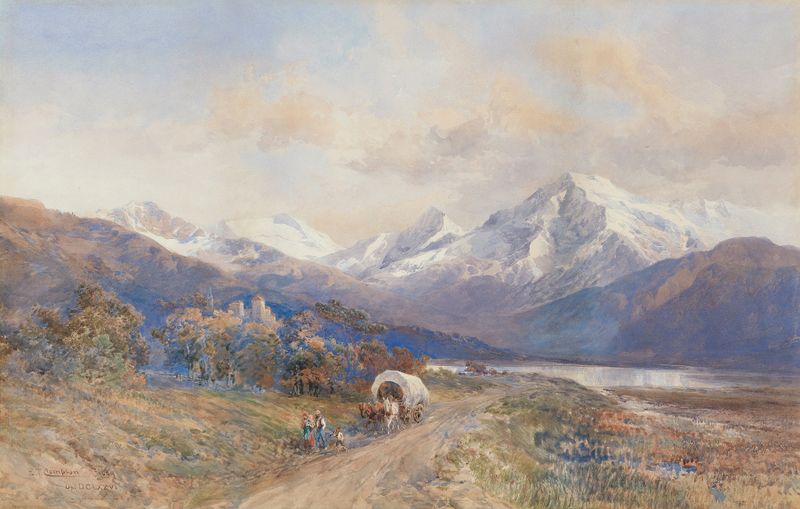
Could a single brushstroke hold eternity? Within the vast expanses of nature, a harmony exists that is both sublime and maddening, an endless cycle of creation and decay. Look to the left at the towering peaks, their jagged outlines kissing the horizon, as if time itself has etched them into existence. The artist employs a palette of icy blues and grays, contrasting with the warm earth tones that rise from the valley below. Notice how the light dances upon the surface of the glacier, a delicate interplay that breathes life into the frigid landscape, while the shadows weave a tapestry of mystery and depth, drawing the viewer into a world where every detail is magnified. The glacier, both majestic and fragile, symbolizes the tension between beauty and impermanence.
The viewer feels the weight of its stillness juxtaposed with the inevitable erosion that time brings. Each brushstroke captures not just the physicality of this icy giant but also the emotional resonance of solitude and madness amidst nature's grandeur. There’s an unsettling stillness that suggests both peace and an underlying chaos, making one contemplate the very nature of existence. In 1903, Edward Theodore Compton found himself in the Swiss Alps, where he immersed himself in the stunning landscapes of Glacier Morteratsch.
At this time, the art world was undergoing significant shifts, with movements like Impressionism challenging traditional methods. As Compton ventured into the wilderness, he was inspired by the raw beauty of the natural world, capturing its transient essence while also reflecting on the changing artistic landscape around him.
More Artworks by Edward Theodore Compton
Browse all →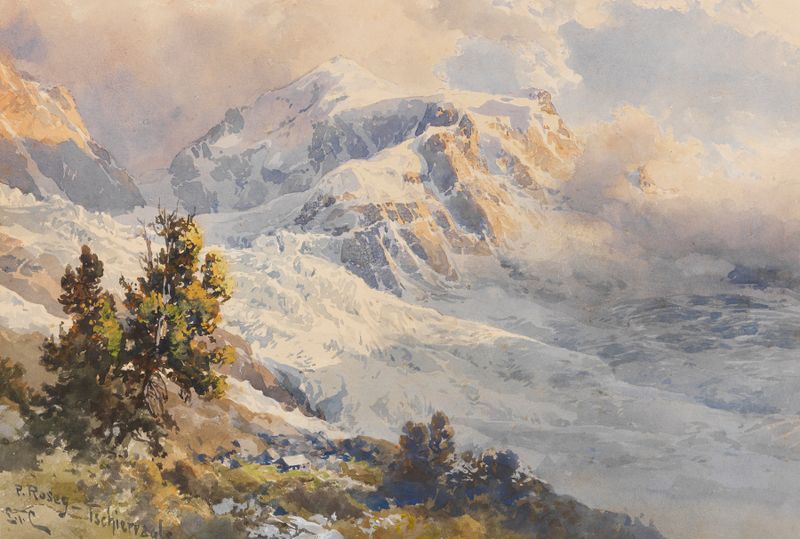
Piz Roseg – Tschiervagletscher
Edward Theodore Compton
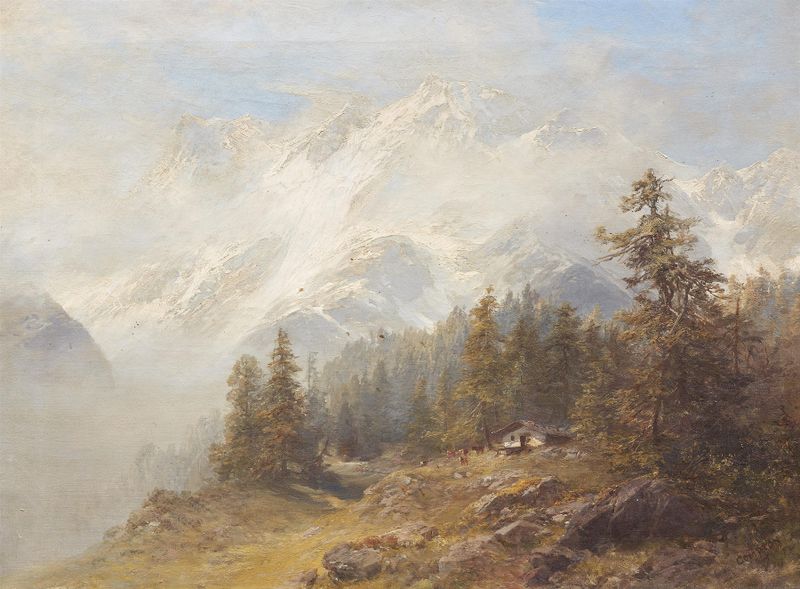
Alpenlandschaft vor schneebedecktem Massiv
Edward Theodore Compton
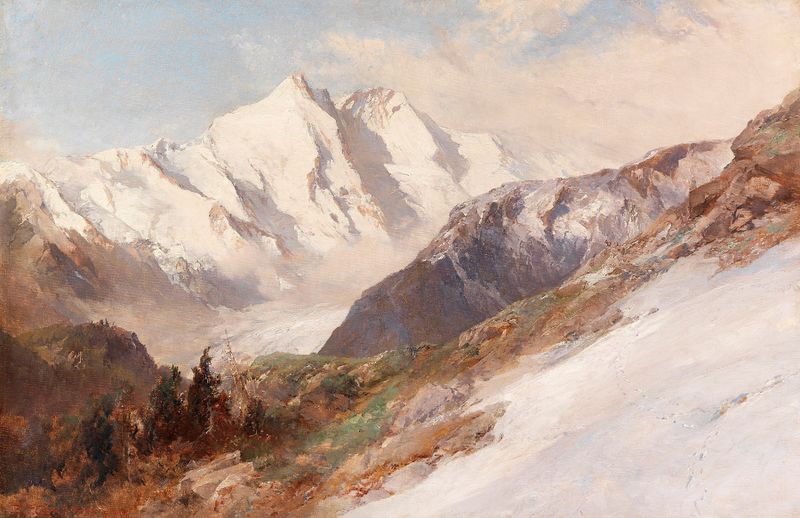
Blick auf die Nordseite des Großglockners
Edward Theodore Compton
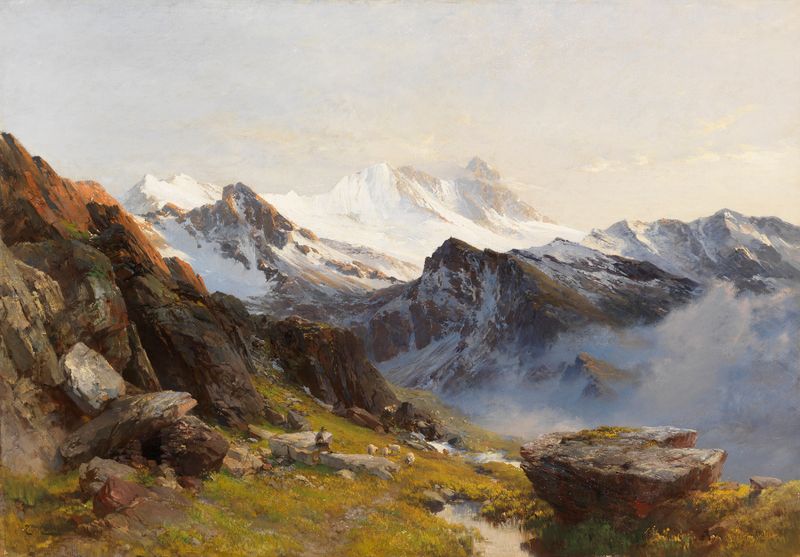
Großglockner von der Prager Hütte aus, früh
Edward Theodore Compton
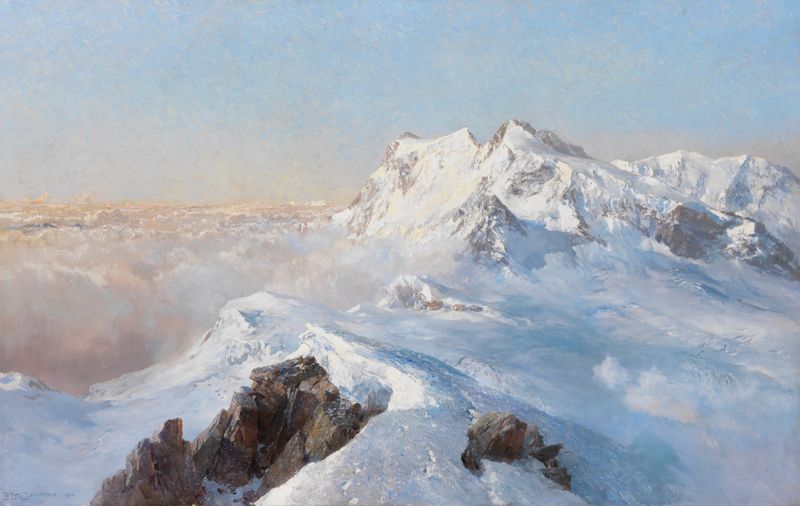
Über dem Nebelmeer (Monte Rosa vom Rimpfischhorn)
Edward Theodore Compton
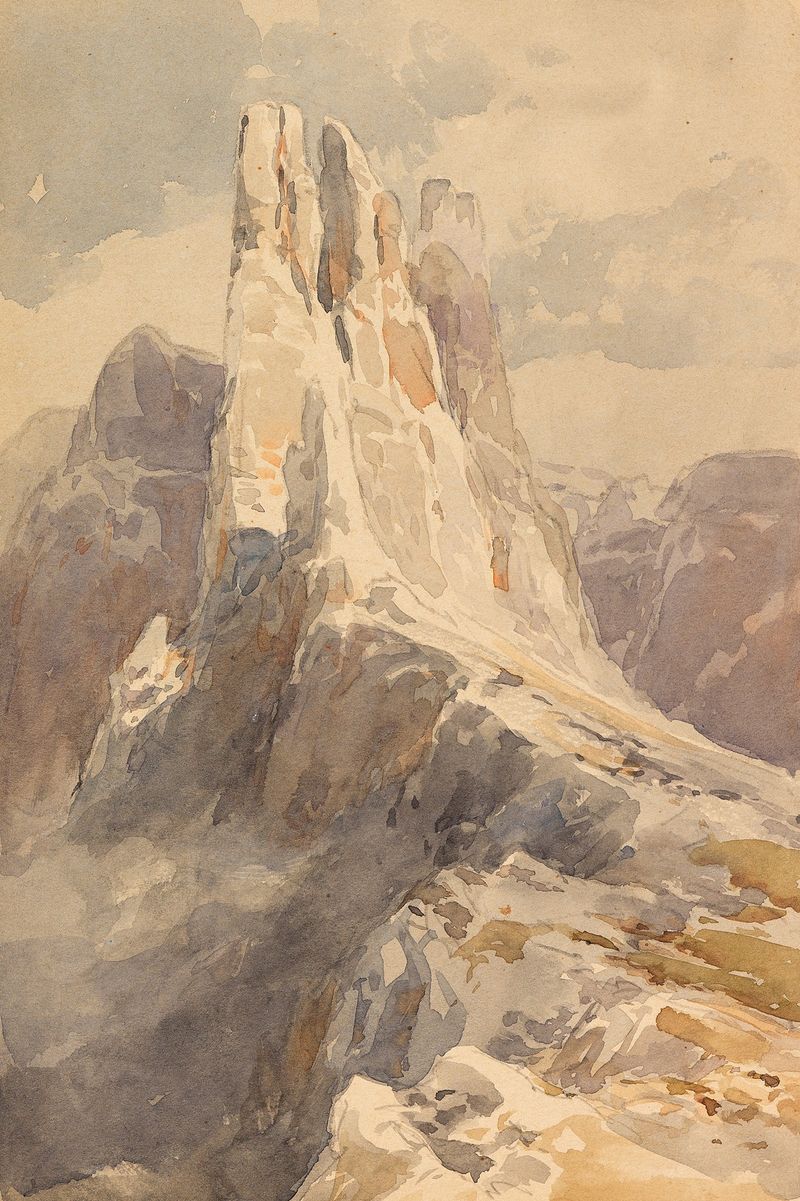
Blick auf die Vajolet-Türme in den Dolomiten
Edward Theodore Compton
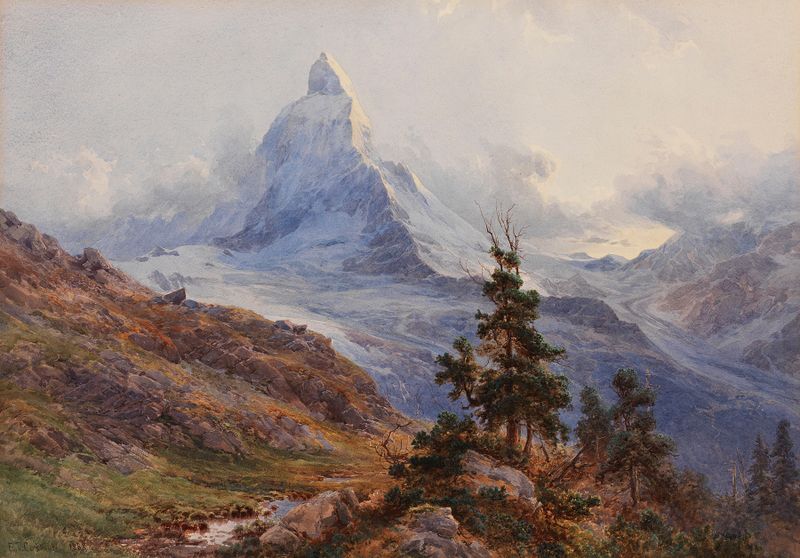
View of the Matterhorn
Edward Theodore Compton
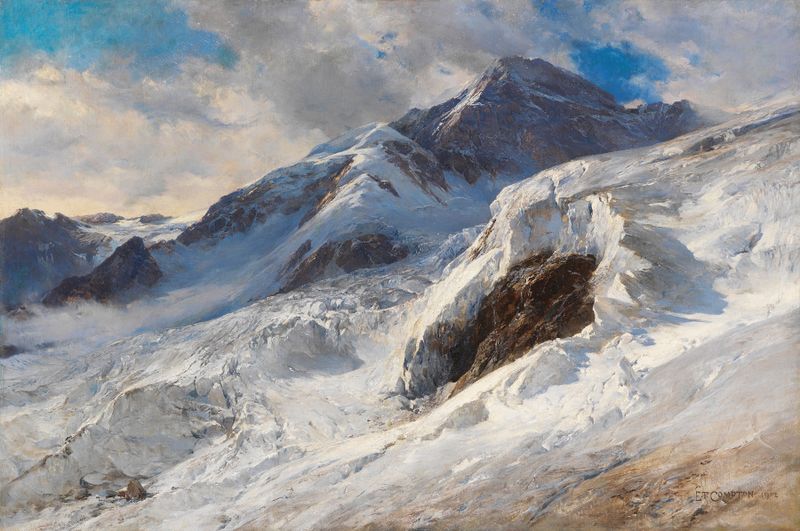
Lyskamm (Monte-Rosa)
Edward Theodore Compton
Blick auf den Ortler von St. Valentin
Edward Theodore Compton
Das Matterhorn von der Triftkumme
Edward Theodore Compton





