
Lyskamm (Monte-Rosa) — History & Facts
What if silence could speak through light? In Edward Theodore Compton's Lyskamm (Monte-Rosa), the majesty of nature unfolds in a tranquil symphony of color and form, inviting viewers to reflect on the legacy of the landscapes that endure long after we are gone. Look to the left at the towering, snow-capped peaks, their sharp silhouettes etched against the cobalt sky. Notice how the golden light of dawn caresses the mountainsides, creating a breathtaking contrast between shadow and illumination. The palette is a harmonious blend of cool blues and warm yellows, enriching the viewer’s experience with a sense of depth and dimensionality.
Every brushstroke seems deliberate, capturing the raw, untouched beauty of the Swiss Alps. Hidden within this serene landscape lies a profound story of solitude and resilience. The starkness of the mountain contrasts with the softness of the clouds, symbolizing the eternal struggle between nature's might and human vulnerability. The richly textured foreground, with its delicate vegetation, acts as a reminder that life continues against the backdrop of such grandeur, urging us to consider our place within this vast landscape.
Each element appears to converse with another, whispering tales of time and transformation. Compton created Lyskamm (Monte-Rosa) in 1902 while living in the heart of the Swiss Alps. This period was marked by a growing appreciation for natural beauty in the arts, as artists sought to capture the sublime. His commitment to plein air painting was evident in this work, reflecting both his skill and the Romantic ideals that dominated the artistic dialogue of the day.
Compton, influenced by the breathtaking vistas surrounding him, painted not only a scene but a testament to the enduring legacy of the mountains themselves.
More Artworks by Edward Theodore Compton
Browse all →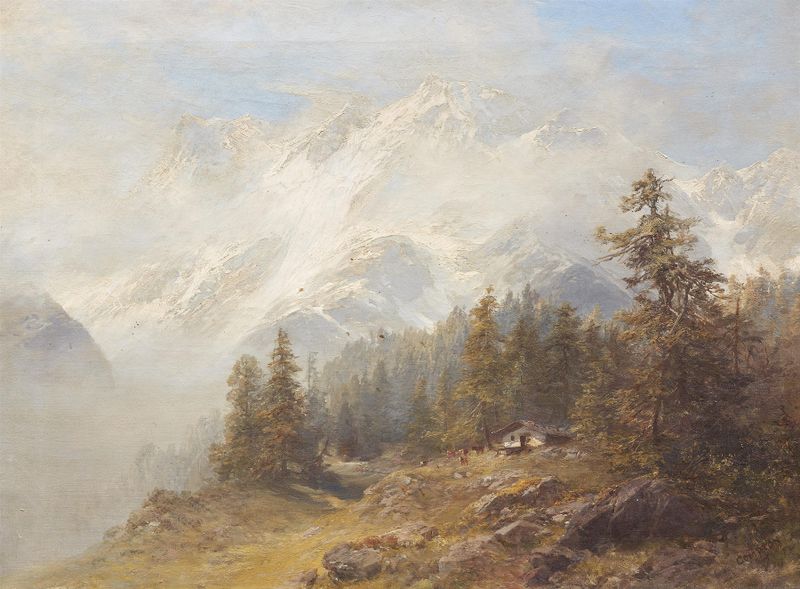
Alpenlandschaft vor schneebedecktem Massiv
Edward Theodore Compton
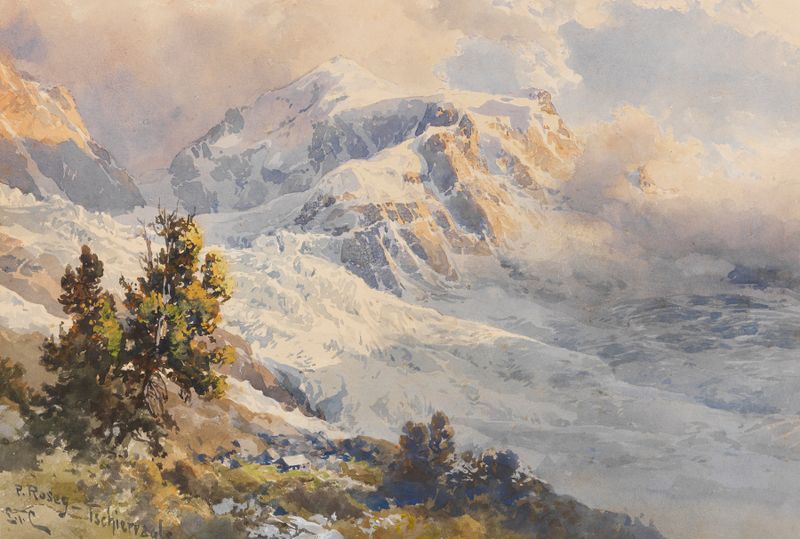
Piz Roseg – Tschiervagletscher
Edward Theodore Compton
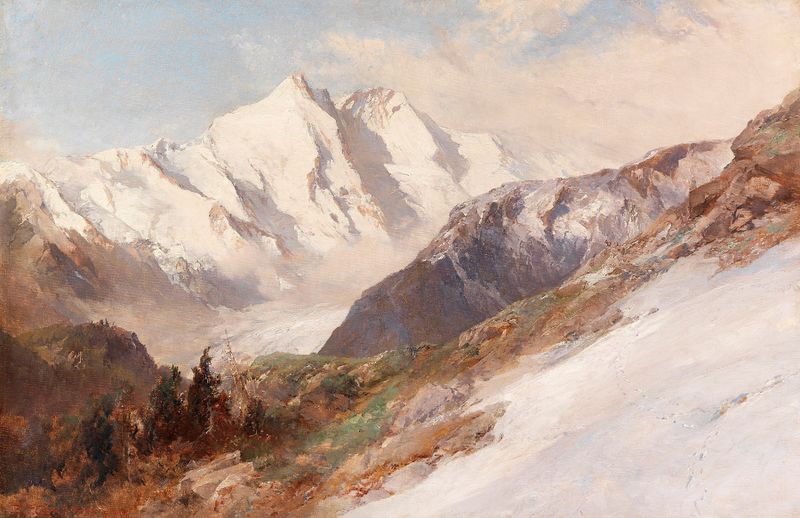
Blick auf die Nordseite des Großglockners
Edward Theodore Compton
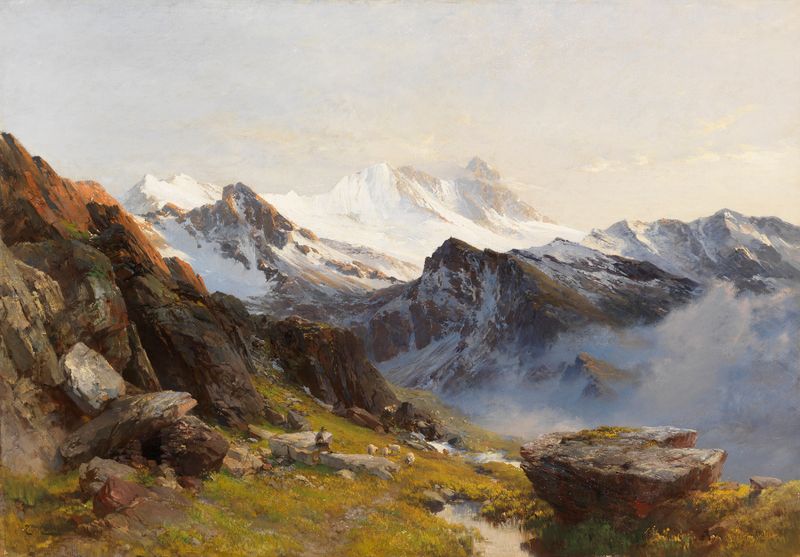
Großglockner von der Prager Hütte aus, früh
Edward Theodore Compton
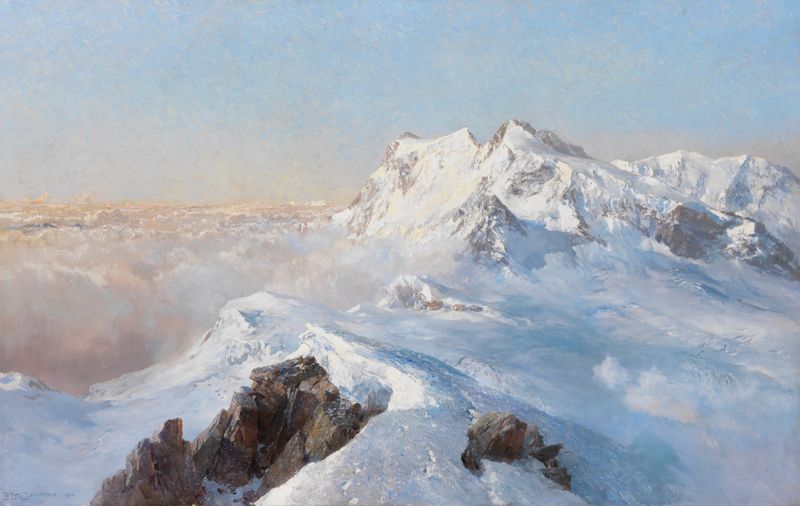
Über dem Nebelmeer (Monte Rosa vom Rimpfischhorn)
Edward Theodore Compton
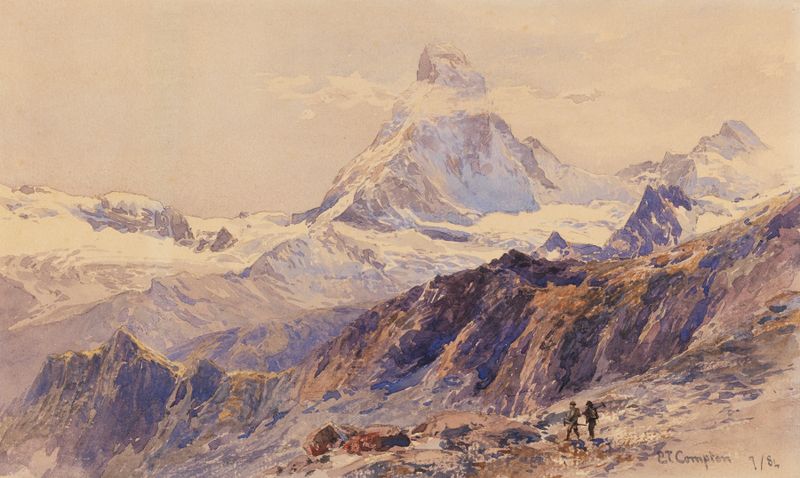
Das Matterhorn von der Triftkumme
Edward Theodore Compton
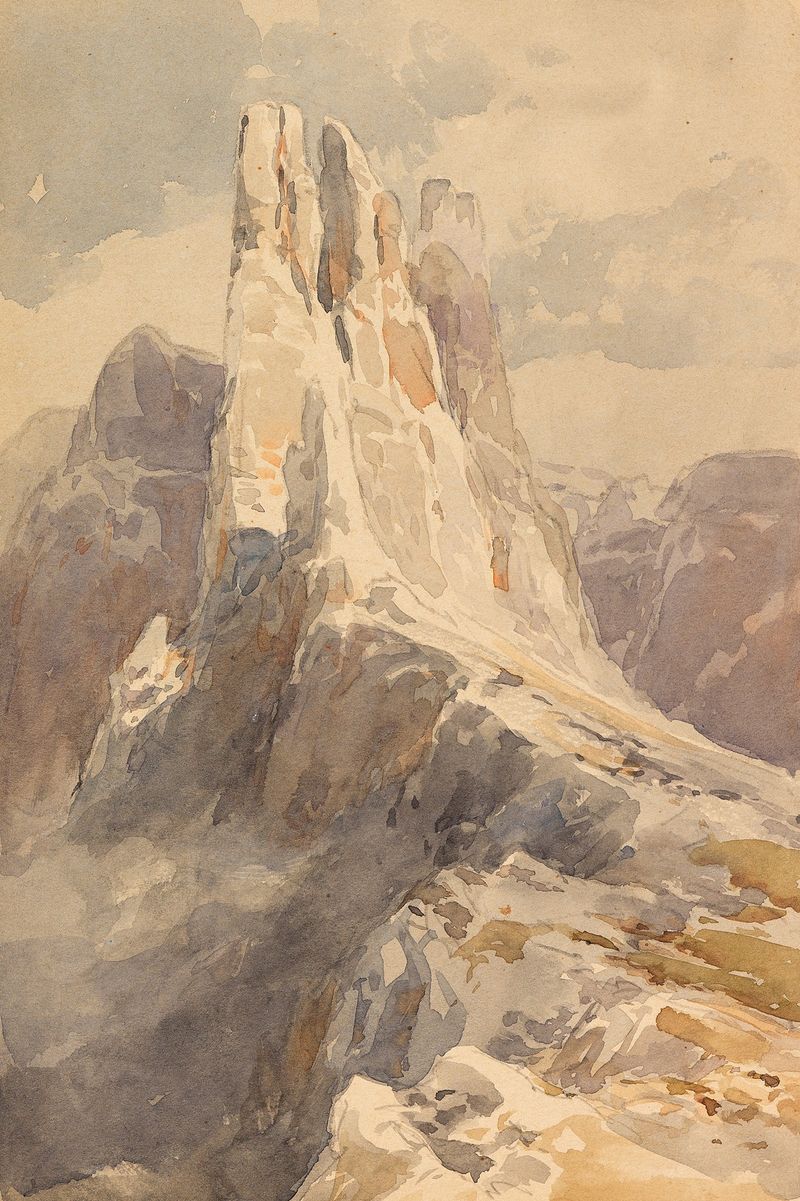
Blick auf die Vajolet-Türme in den Dolomiten
Edward Theodore Compton
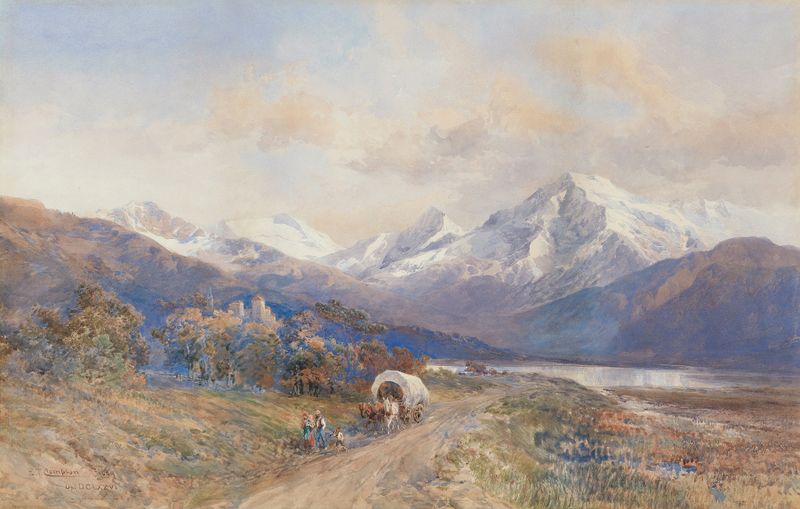
Blick auf den Ortler von St. Valentin
Edward Theodore Compton
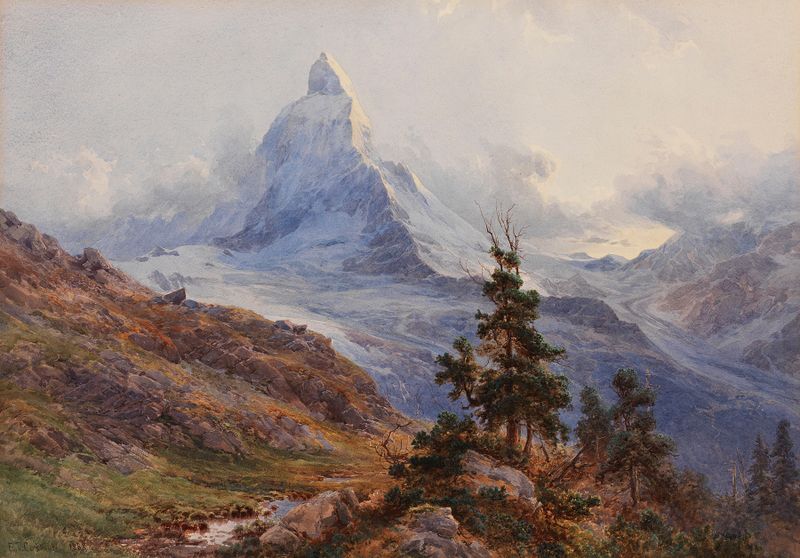
View of the Matterhorn
Edward Theodore Compton
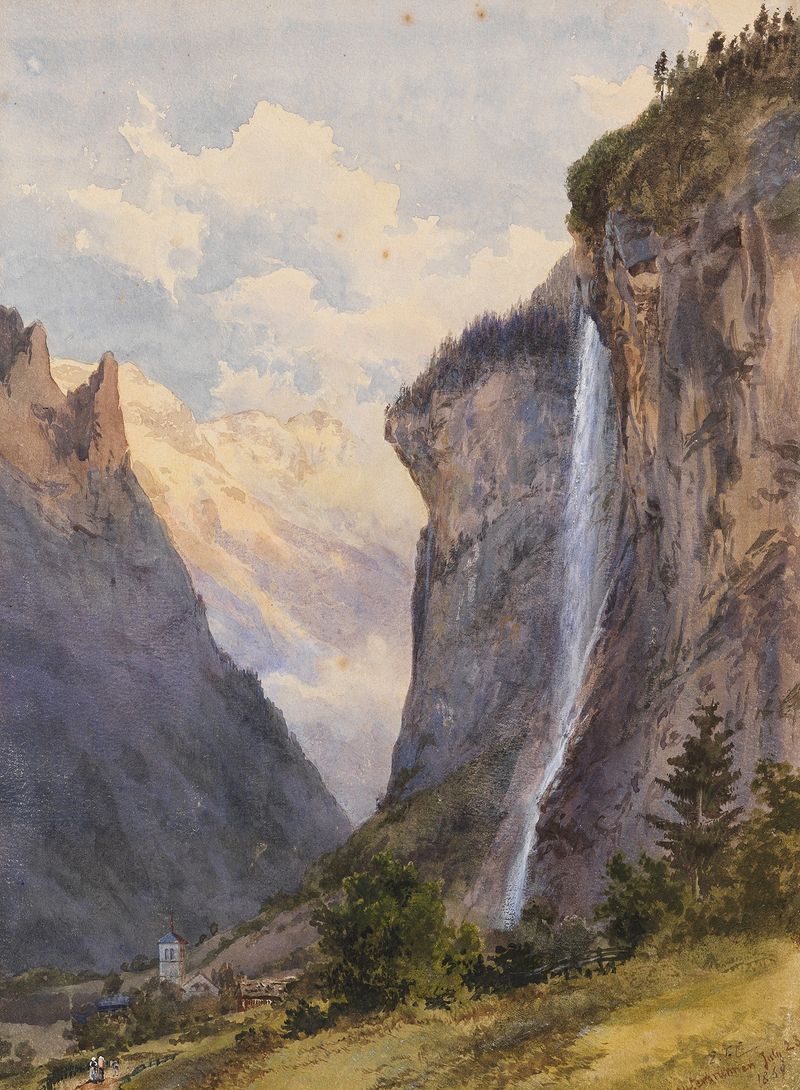
Der Staubbachfall in Lauterbrunnen (Schweiz)
Edward Theodore Compton





