
Das Matterhorn von der Triftkumme — History & Facts
Did the painter know this moment would outlive them? The permanence of nature contrasts sharply with the fleeting existence of human life, captured in this breathtaking image. Look to the left at the majestic peak of the Matterhorn, its steep, jagged silhouette cutting into the azure sky. The snow-capped mountain glows softly in the warm embrace of sunlight, while the foreground brims with verdant meadows, teeming with wildflowers that sway gently in the breeze. Notice how the artist masterfully uses a palette of cool and warm tones, weaving together the vibrant greens and the crisp whites to create an inviting yet awe-inspiring landscape that draws the viewer into the scene. Delve deeper into the painting's emotional layers.
The contrasts between the vibrant life of the meadow and the stoic, timeless presence of the mountain evoke a sense of both serenity and insignificance. The flowers, in their ephemeral bloom, symbolize the fleeting nature of time, while the Matterhorn stands as a steadfast guardian, a reminder of nature’s enduring power against the backdrop of human existence. The delicate balance between beauty and transience captures a profound truth about life itself. In 1884, Edward Theodore Compton painted this scene while living in the heart of the Swiss Alps.
A gifted landscape artist, he was deeply influenced by the Romantic movement's emphasis on the sublime beauty of nature. During this period, the appreciation for mountain landscapes was growing, reflecting a wider cultural fascination with the natural world and its representation in art. Amidst this evolution in the world of art, Compton sought to immortalize the stunning vistas that surrounded him, creating a legacy that continues to resonate today.
More Artworks by Edward Theodore Compton
Browse all →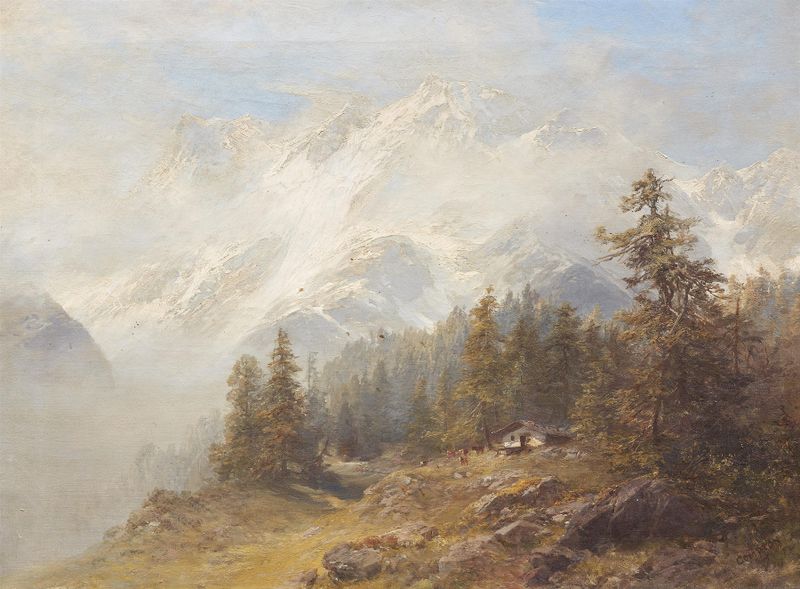
Alpenlandschaft vor schneebedecktem Massiv
Edward Theodore Compton
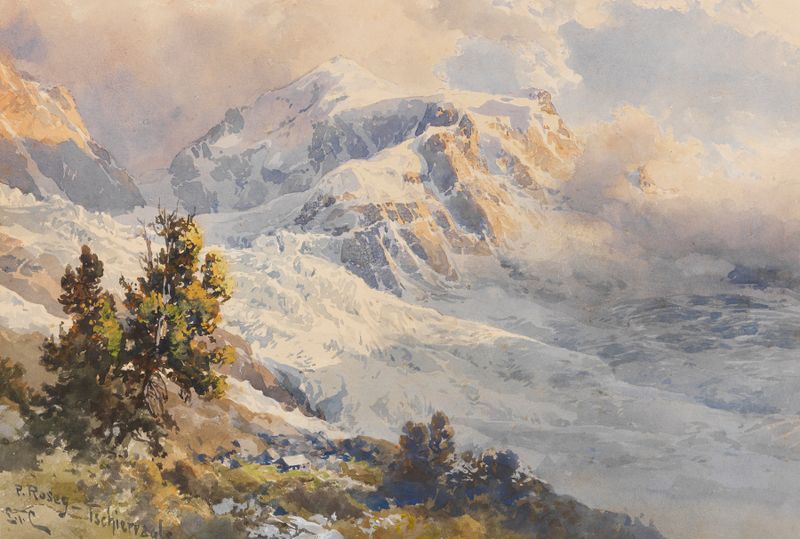
Piz Roseg – Tschiervagletscher
Edward Theodore Compton
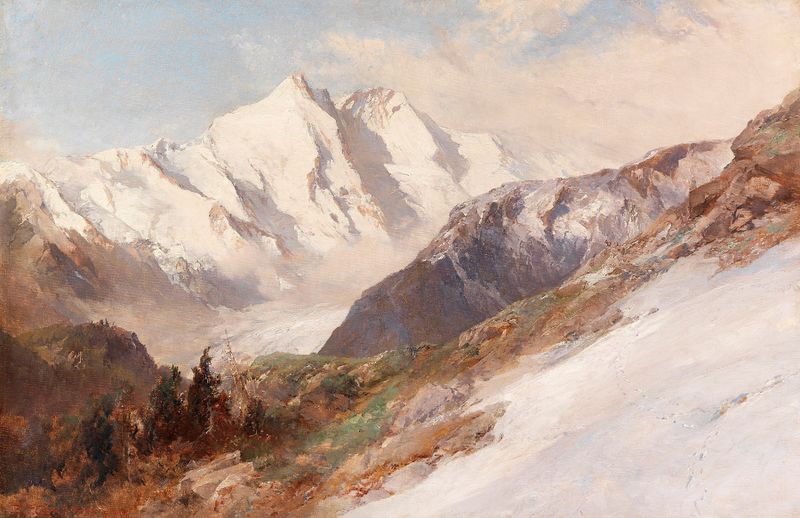
Blick auf die Nordseite des Großglockners
Edward Theodore Compton
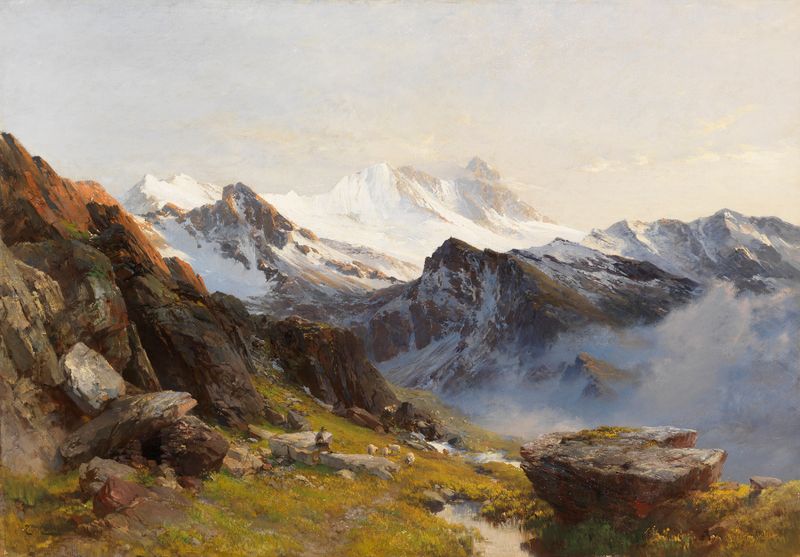
Großglockner von der Prager Hütte aus, früh
Edward Theodore Compton
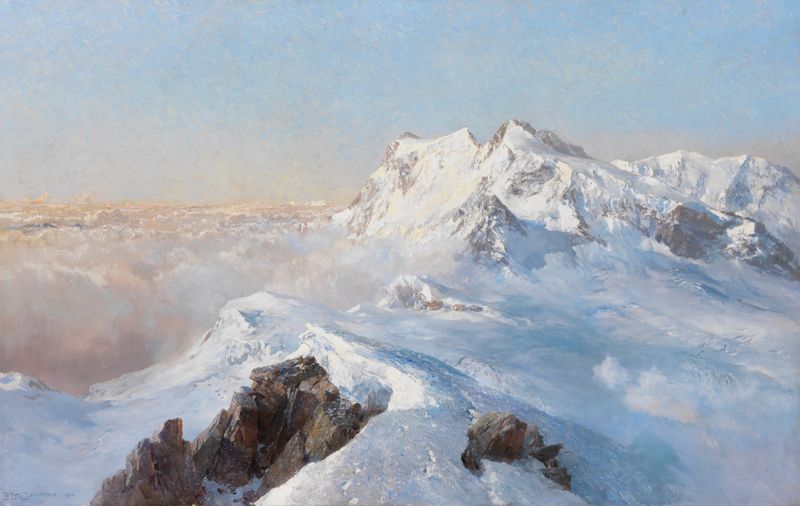
Über dem Nebelmeer (Monte Rosa vom Rimpfischhorn)
Edward Theodore Compton
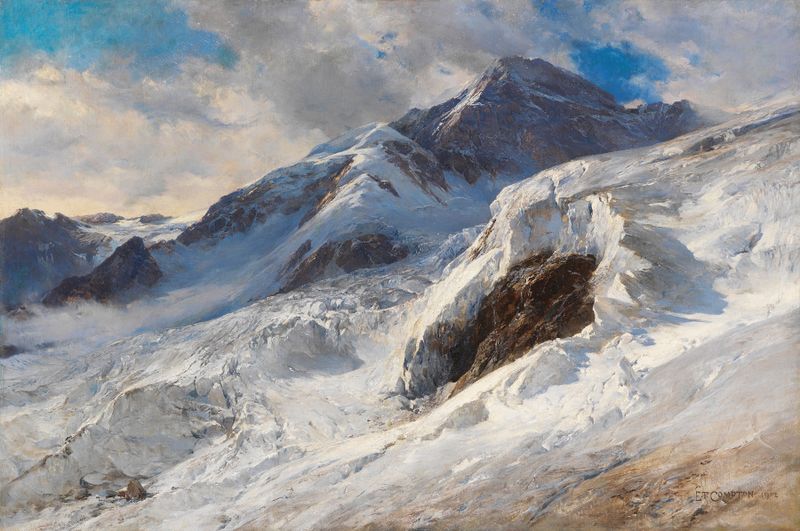
Lyskamm (Monte-Rosa)
Edward Theodore Compton
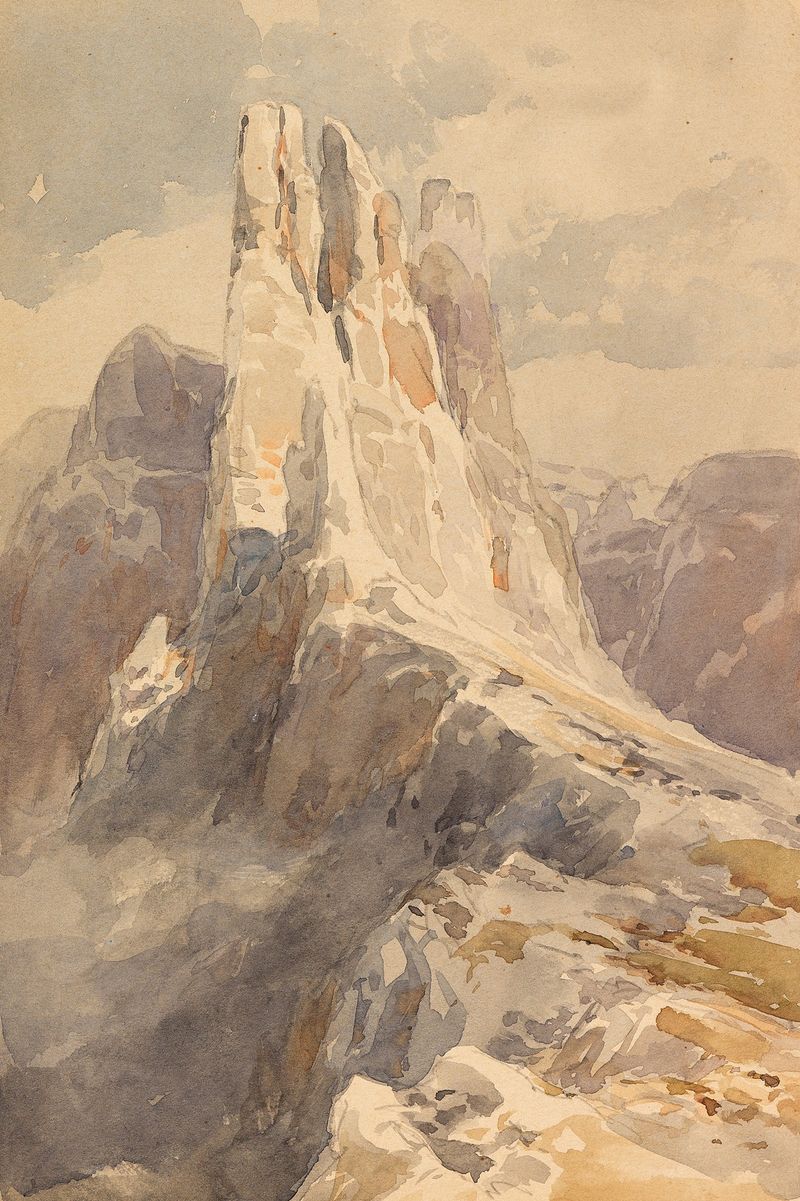
Blick auf die Vajolet-Türme in den Dolomiten
Edward Theodore Compton
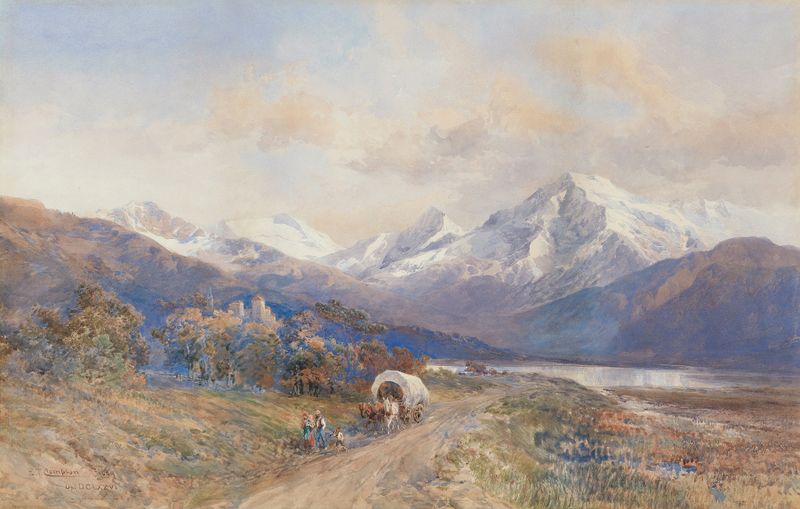
Blick auf den Ortler von St. Valentin
Edward Theodore Compton
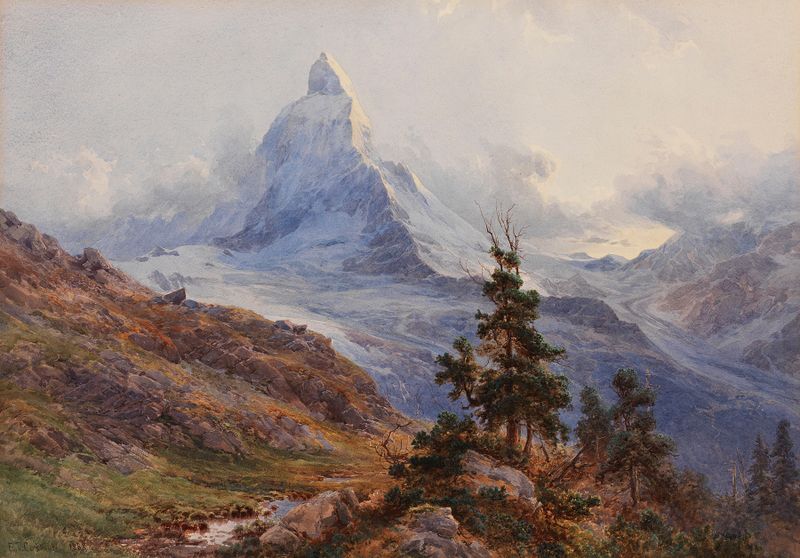
View of the Matterhorn
Edward Theodore Compton
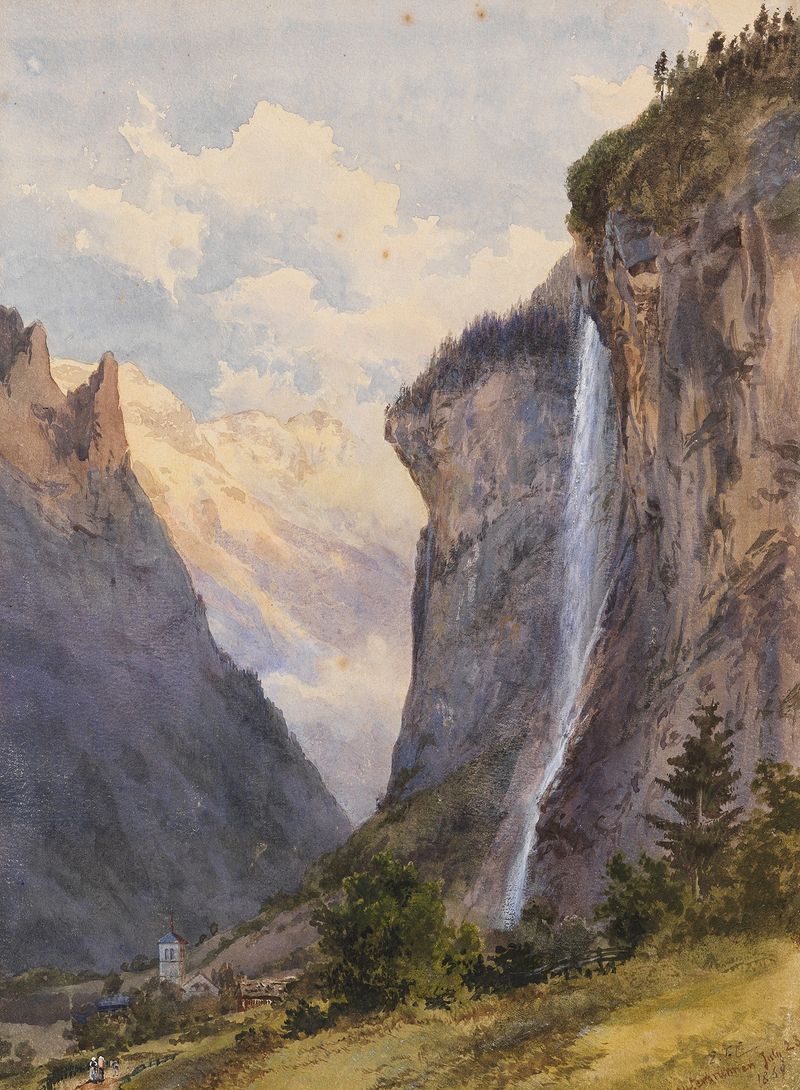
Der Staubbachfall in Lauterbrunnen (Schweiz)
Edward Theodore Compton





