Am Rein — History & Facts
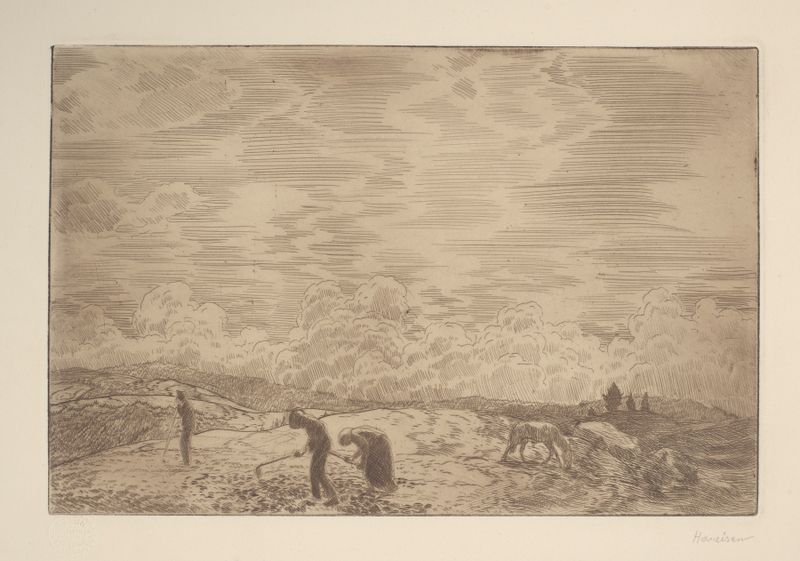
In a moment of solitude, longing becomes a thread that stitches together the human experience, connecting us across time and space. Look to the center of Am Rein, where the flowing river draws the eye, shimmering beneath a delicate interplay of light and shadow. The artist employs soft brush strokes to depict the water’s gentle movement, while the surrounding foliage bursts with lush greens and earthy browns, creating a sanctuary that feels simultaneously alive and tranquil. Notice how the dappled sunlight filters through the leaves, casting intricate patterns that dance upon the surface, inviting contemplation and a sense of peace. This artwork captures a poignant tension between yearning and serenity.
The figures on the riverbank, seemingly lost in thought, evoke a profound sense of longing, suggesting unspoken stories and desires that linger just below the surface. The subtle contrasts between the vibrant life of nature and the quiet introspection of the figures offer layers of emotional complexity, revealing the deep, often unexpressed connections we share with each other and the world around us. In 1907, during a time of artistic exploration and change in Germany, the artist found himself navigating the tensions between traditional methods and modern expression. Living in a society grappling with rapid industrialization, he sought to capture the essence of human emotion, often reflecting the inner lives of his subjects.
This period marked a crucial stage in his career as he embraced a more emotive style, moving beyond mere representation and toward a deeper exploration of the human soul.