
Am Wehr — History & Facts
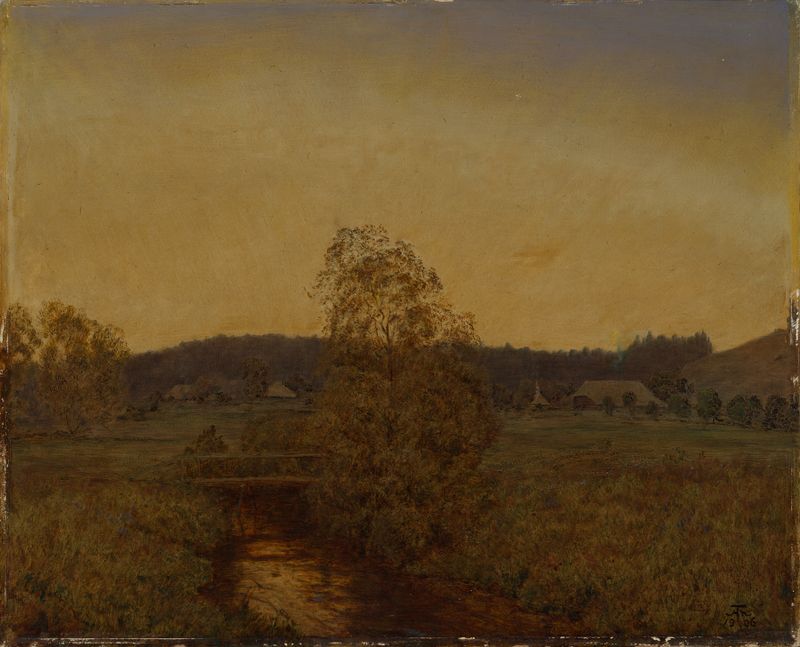
What secret hides in the quiet of the canvas? In Am Wehr, a tranquil scene is infused with whispers of chaos, inviting viewers to explore the depths of nature’s dichotomy. Look to the left at the gentle cascade of water, its rhythmic flow contrasting sharply with the stillness of the verdant backdrop. The painter’s brush strokes are deliberate, capturing the soft play of light as it dances upon the water’s surface. Notice how the earthy greens and browns of the foliage envelop the scene, their richness evoking a sense of warmth and serenity, while the stark white of the frothy water introduces a frisson of energy, creating a visual dialogue between calm and tumult. Delve deeper into the hidden meanings woven throughout the painting.
The serenity of the landscape juxtaposes the underlying chaos of nature's forces, suggesting that tranquility often conceals turbulence just beneath the surface. The figures, dwarfed by the grandeur of their surroundings, symbolize humanity's fragility against the relentless flow of time and nature, hinting at our transient place within the natural order. This tension resonates with viewers, evoking a sense of contemplation and introspection. In the period between 1870 and 1890, Hans Thoma painted Am Wehr amidst a backdrop of artistic evolution in Germany.
This was a time marked by the rise of Impressionism and the exploration of naturalism. Thoma, deeply influenced by the Romantic movement, sought to merge emotional depth with a keen observation of nature, reflecting his personal quest for harmony in an increasingly chaotic world.
More Artworks by Hans Thoma
Browse all →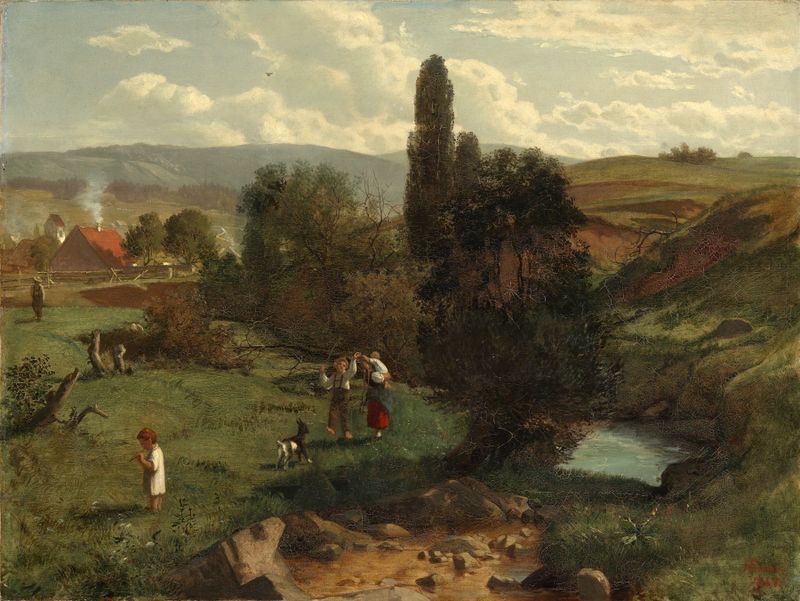
Schwarzwaldlandschaft
Hans Thoma
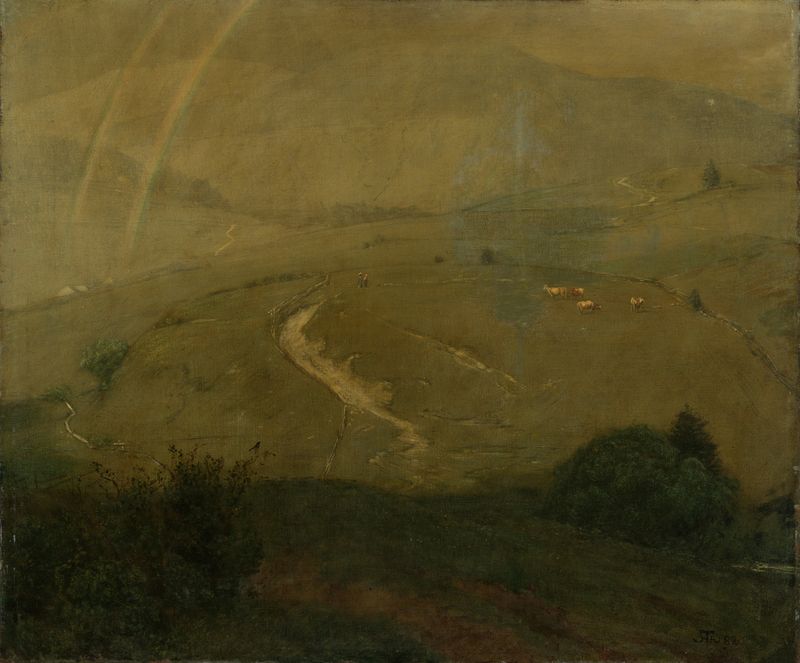
Regen im Schwarzwald
Hans Thoma
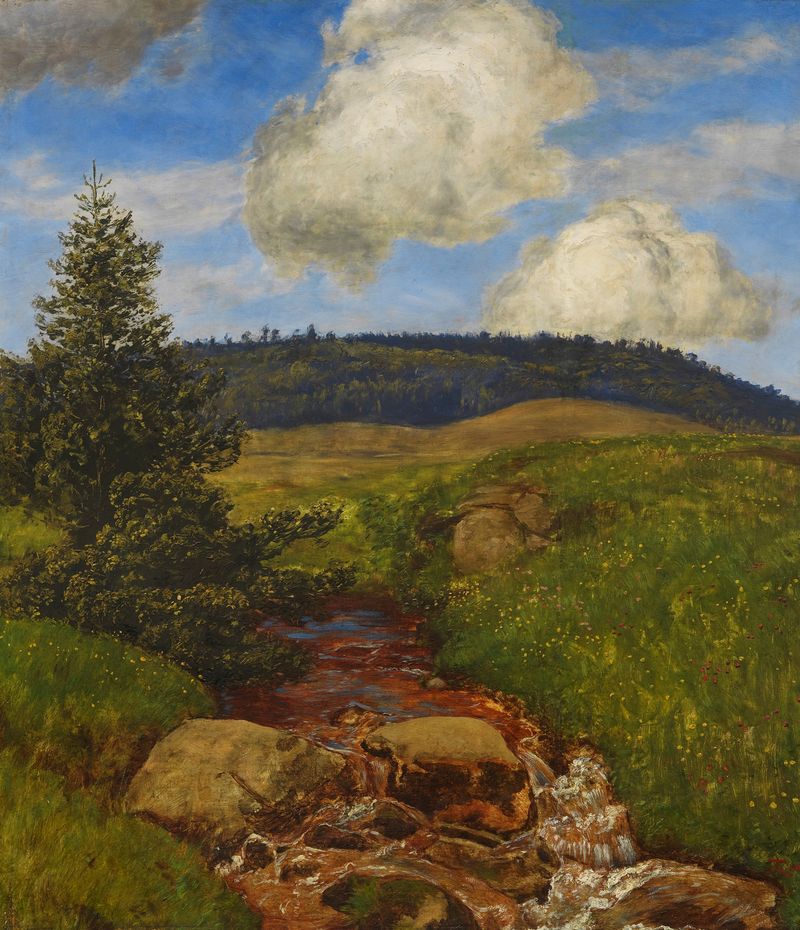
Schwarzwaldbach
Hans Thoma
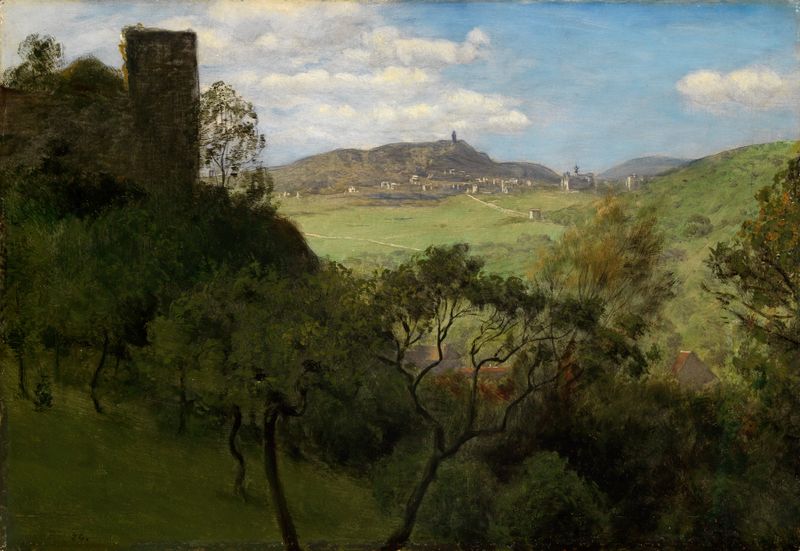
Blick auf Falkenstein im Taunus
Hans Thoma
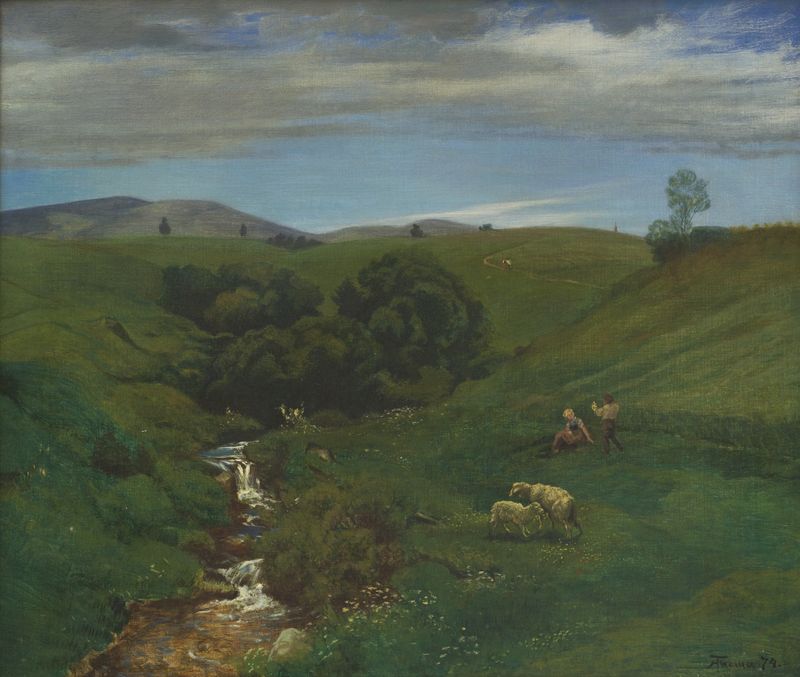
Black Forest Meadow near Bernau
Hans Thoma
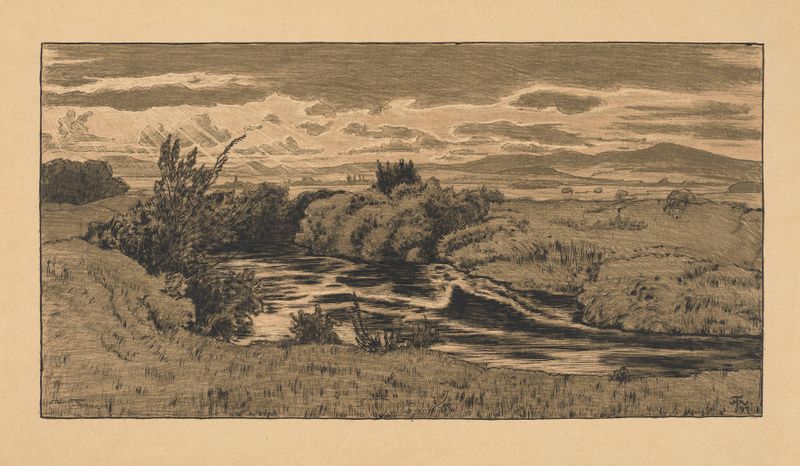
Evening by the Nidda River
Hans Thoma
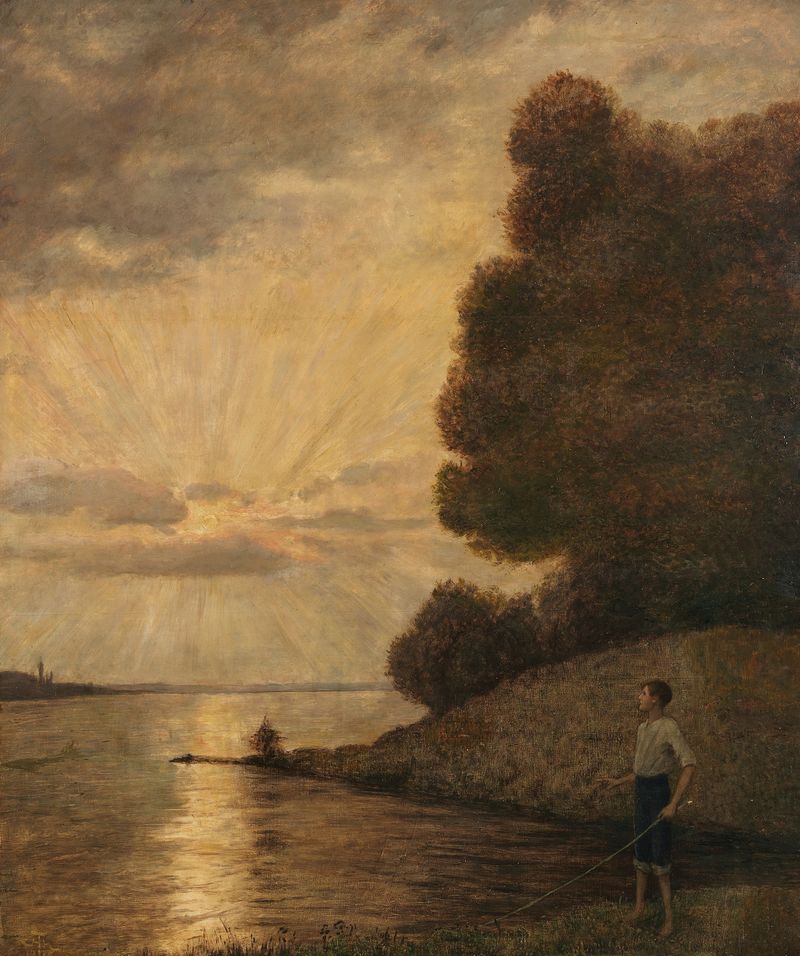
Sonnenuntergang am Oberrhein
Hans Thoma
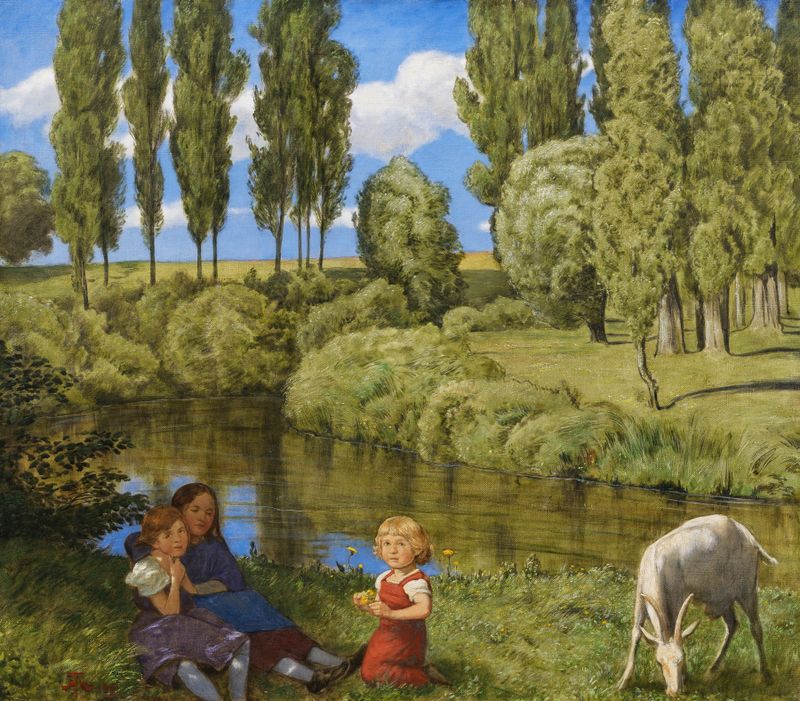
Am Stillen Bach
Hans Thoma
Der Abendstern
Hans Thoma
Das Rheintal bei Säckingen
Hans Thoma





