
American Indians in the Ambush (The Lonesome Rider) — History & Facts
Could beauty survive in a century of chaos? In the face of tumultuous change, the delicate balance between life and fragility becomes a poignant reflection of our existence. Look to the center of the canvas, where the Native Americans stand poised yet wary, their expressions capturing a moment teetering on the brink of confrontation. The artist employs a muted palette, underscoring the earthiness of their garments against the vibrant reds and yellows of the surrounding landscape. Notice how the interplay of light and shadow on their faces reveals a depth of emotion—fear, resolve, and a hint of sorrow.
The brushwork conveys movement, as if the figures might spring into action at any moment, encapsulating the tension in their poised stances. Delve deeper into the details: the intricate beadwork on their attire contrasts with the rugged terrain, symbolizing the beauty of culture amidst a harsh reality. The distant mountains serve as a silent witness to both the resilience and vulnerability of the figures, their daunting presence suggesting an impending conflict. This juxtaposition evokes a sense of history, where the triumph of survival is shadowed by the threat of erasure.
The landscape breathes life into the figures, yet it simultaneously hints at an unforgiving world that strives to diminish their spirit. In 1866, during a time of fracturing identities and cultural upheaval in America, the artist captured the essence of this moment while in Switzerland. The mid-19th century saw a growing interest in the depiction of Native American life, reflecting both fascination and a complex relationship with their realities. Buchser, immersed in this evolving narrative, sought to paint not just a scene, but a resonant truth of humanity’s fragility amidst the chaos of a changing world.
More Artworks by Frank Buchser
Browse all →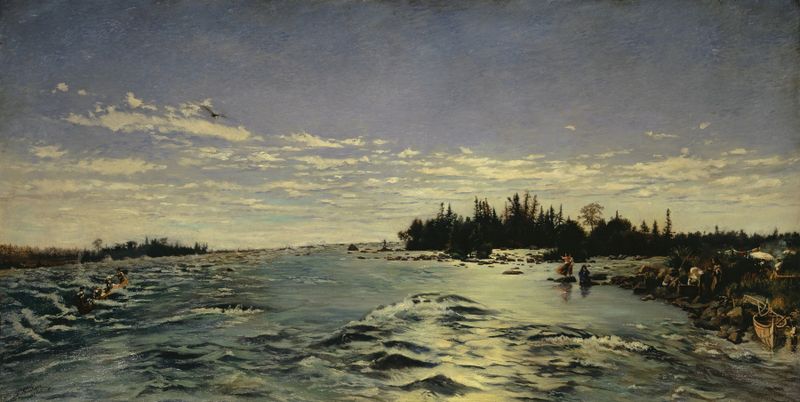
The Rapids of Saint Marys River
Frank Buchser
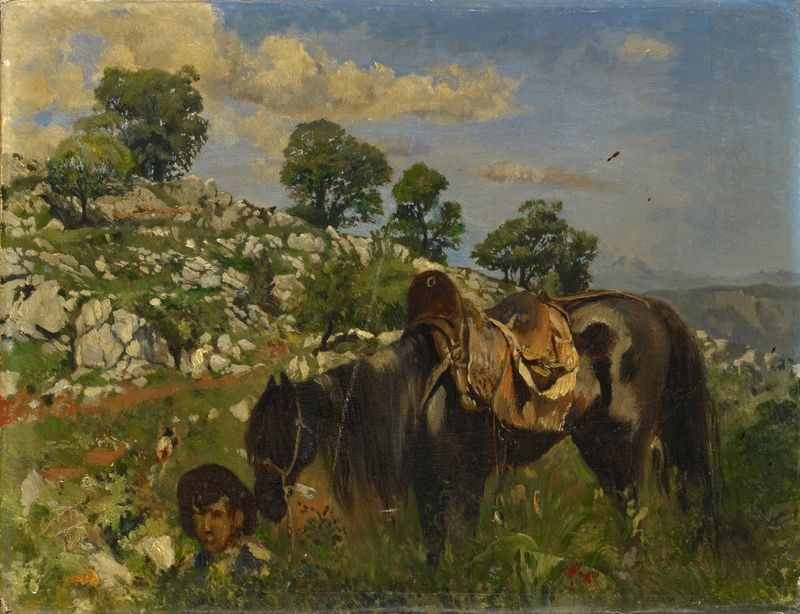
Rider in High Grass
Frank Buchser
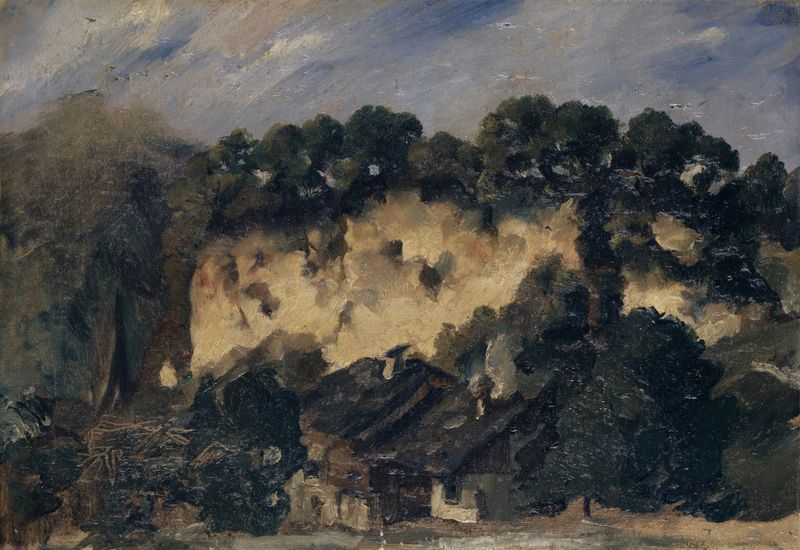
Houses by a Quarry
Frank Buchser

Passage at the Platte River
Frank Buchser
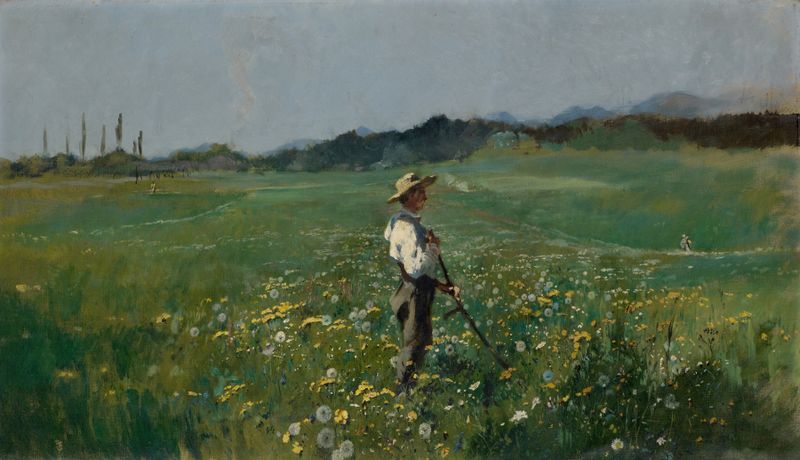
Reaper in a Flowery Meadow
Frank Buchser
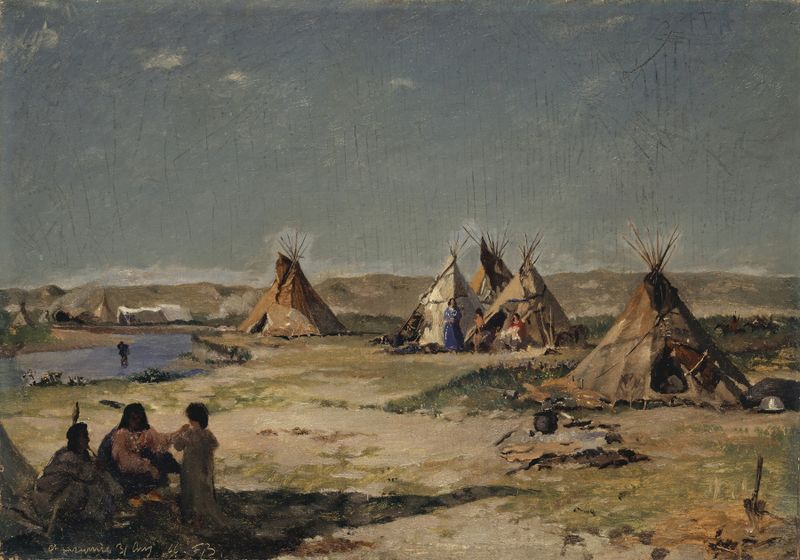
Tent Camp of the Indians at the Laramie
Frank Buchser
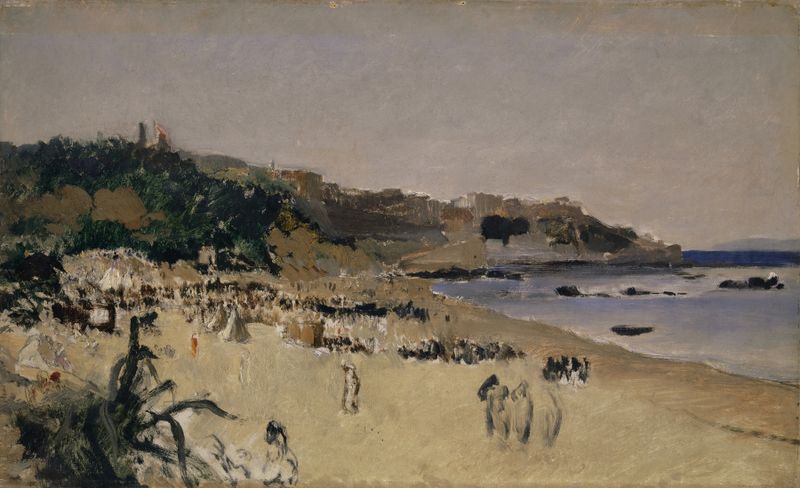
On the Beach at Tangier
Frank Buchser
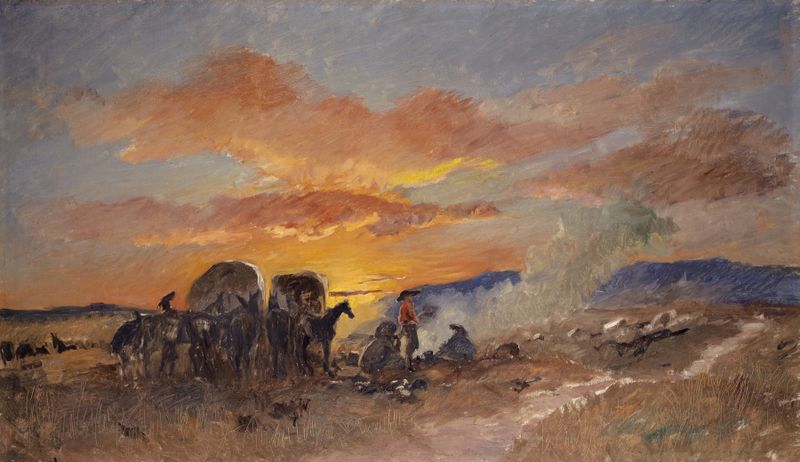
Campfire at Sunrise in the Laramie Plains
Frank Buchser

Landscape with Giant Corn in the Foreground
Frank Buchser
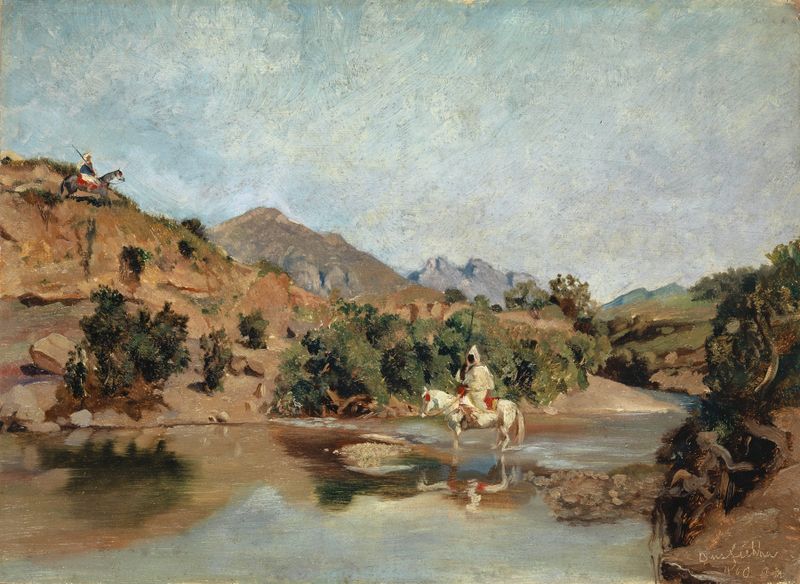
Moroccan Rider Crossing the Ford at Wad Boswicha
Frank Buchser
More Historical Art
Browse all →
The Night Watch Militia Company of District II under the Command of Captain Frans Banninck Cocq
Rembrandt van Rijn

Lincoln Memorial
Henry Bacon

The Third of May 1808
Francisco de Goya

Isaac and Rebecca, Known as ‘The Jewish Bride’
Rembrandt van Rijn

The Charge of the Mamelukes (1814)
Francisco de Goya

De vier ruiters van de apocalyps
Albrecht Dürer