
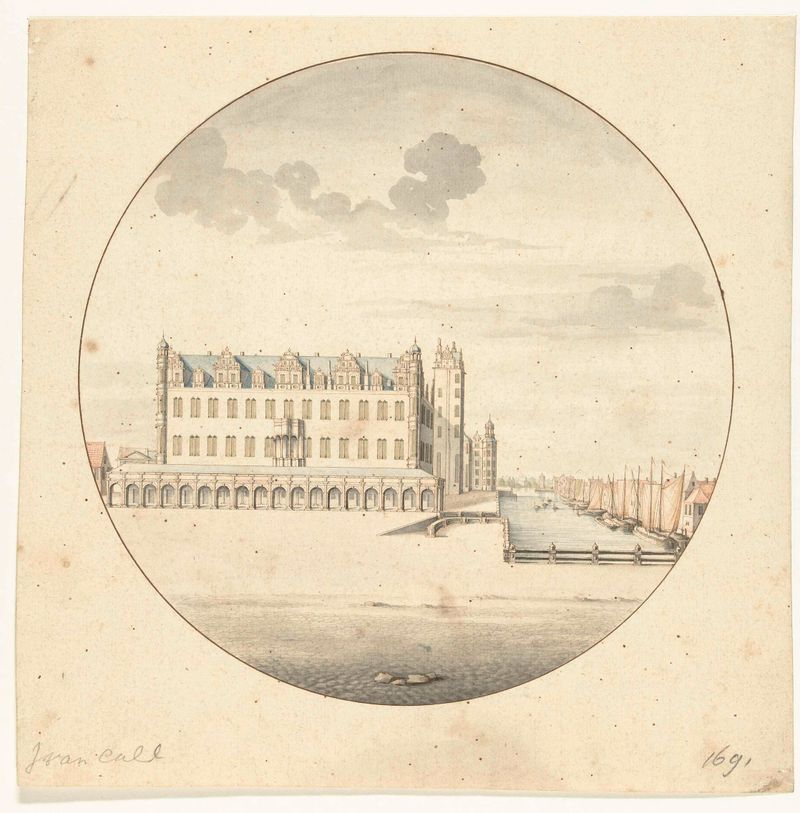
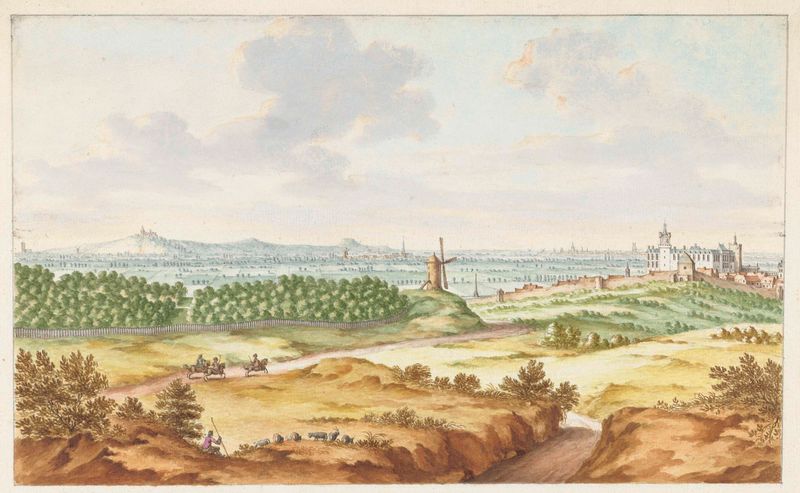
Amfitheater te Kleef, naar het Noorden gezien — History & Facts
Each stroke, each hue, beckons us to confront the lingering shadows of what has been lost. In a world steeped in nostalgia, we often find ourselves searching for fragments of beauty amid the ruins of time. Look to the center of the canvas, where the grand amphitheater emerges, its stone arches standing like sentinels against the encroaching silence. The artist employs a muted palette, casting a somber tone that evokes both reverence and sorrow.
Notice how the light spills gently across the weathered stones, highlighting their texture, as if urging the viewer to trace the hands that built this once-magnificent space. The composition draws the eye upward, hinting at the vast sky that looms over the structure, emphasizing the amphitheater’s isolation in a world that seems to have forgotten it. Within this melancholic scene, there are layers of emotional tension woven through the fabric of decay and remembrance. The juxtaposition of the enduring architecture against the backdrop of nature’s reclaiming power speaks to the inevitable passage of time.
Here, loss resonates deeply—loss of culture, of community, of vibrant performances once held in this now-quiet edifice. Each crack and crevice becomes a testament to an echo of life, reminding us of the stories that linger in silence. This work emerged during a period of reflection for its creator, who painted it between 1675 and 1685 in the Netherlands. Van Call was exploring the theme of ruins, a response to both personal and cultural shifts occurring in Europe.
The rise of new artistic movements was challenging traditional forms, while the remnants of the past became poignant symbols of transience and memory—unmistakable currents that shaped the very essence of his craft.
More Artworks by Jan van Call (I)
Browse all →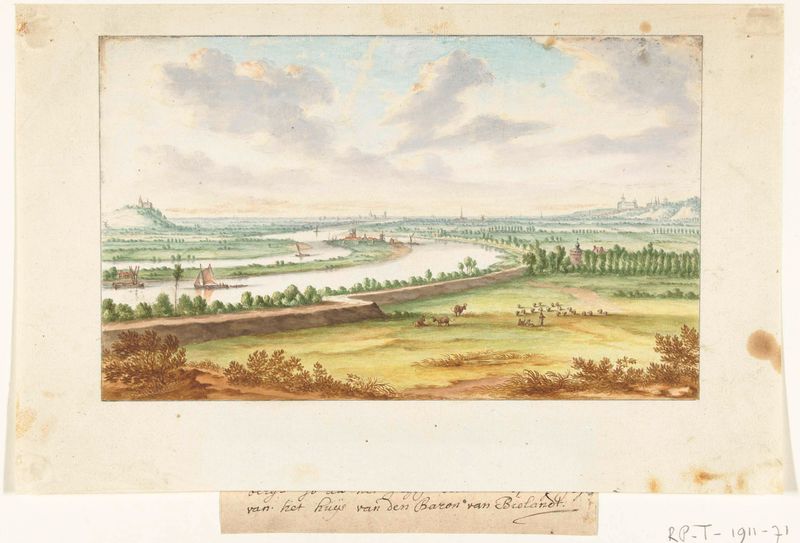
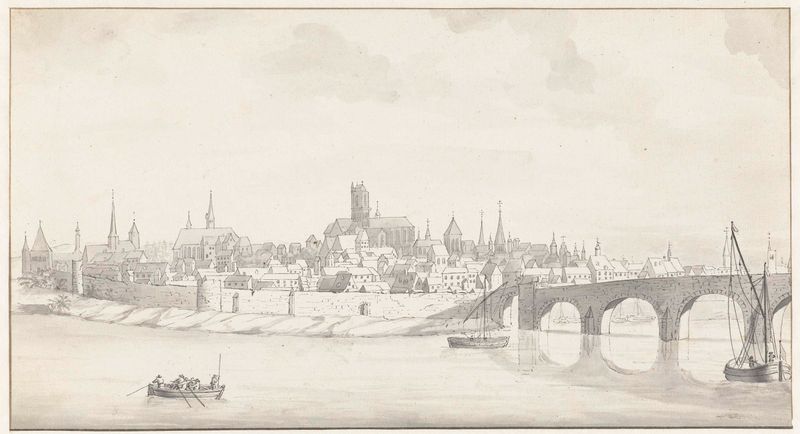
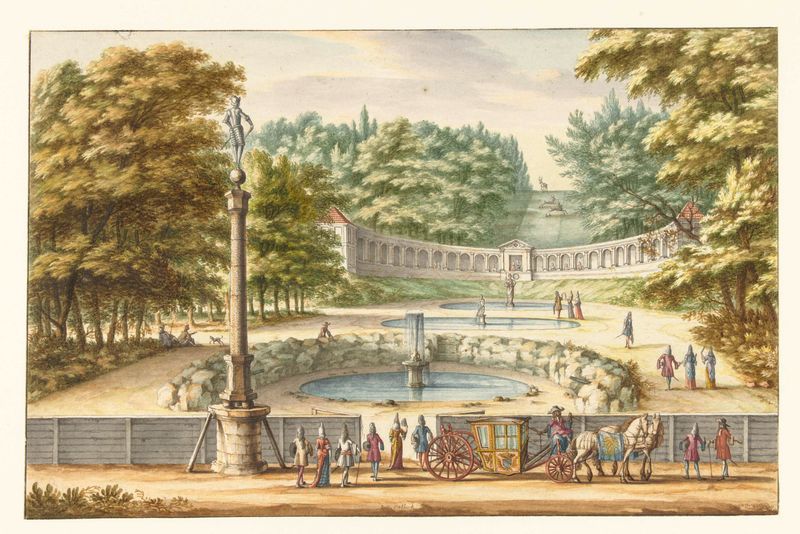
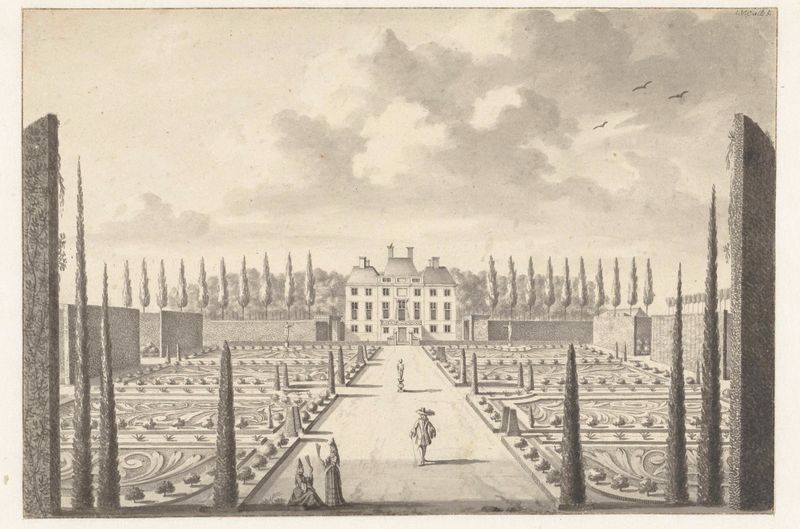
More Architecture Art
Browse all →
The statue of Liberty
Frédéric Auguste Bartholdi

View of Houses in Delft, Known as ‘The Little Street’
Johannes Vermeer

View of Houses in Delft, Known as ‘The Little Street’
Johannes Vermeer

The Cathedral in Rouen. The portal, Grey Weather
Claude Monet

The yellow house
Vincent van Gogh

The Church in Auvers-sur-Oise, View from the Chevet
Vincent van Gogh