Gezicht op de stad Nevers — History & Facts
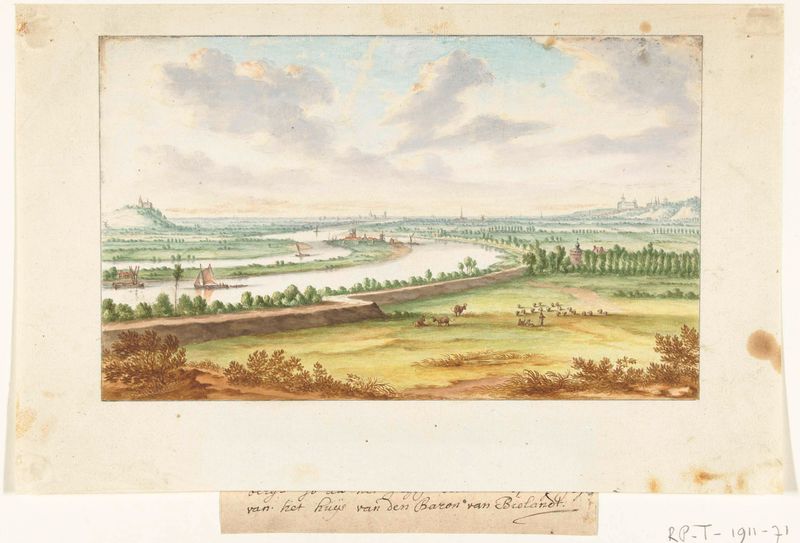
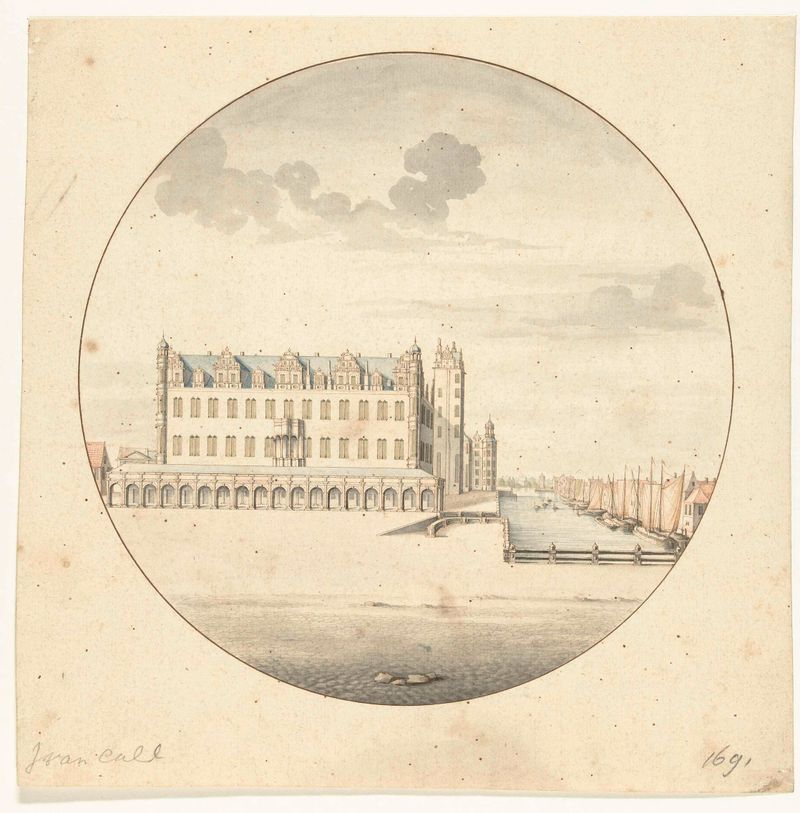
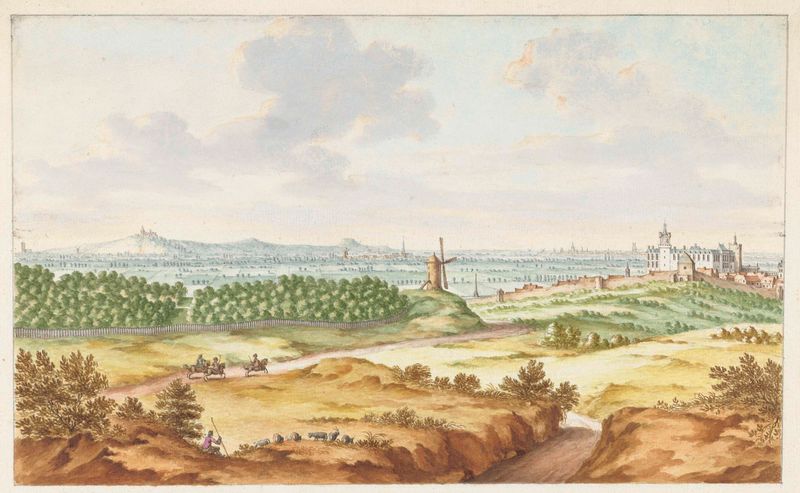
What secret hides in the quiet of the canvas? In the stillness of Gezicht op de stad Nevers, a serene landscape unfolds, inviting contemplation and introspection. Focus your eyes on the horizon where the soft, muted colors of dawn cradle the city of Nevers, gently waking from slumber. The buildings, bathed in the golden light, stand proud yet humble, their façades reflecting the calm grace of a world untouched by chaos. Notice how the river curves gracefully in the foreground, its surface mirroring the delicate hues of the sky, creating a harmonious interplay between earth and water.
Each brushstroke reveals a careful balance of composition, guiding the viewer through a tranquil escape that feels both intimate and expansive. Hidden within this peaceful vista are layers of meaning — the juxtaposition of light and shadow speaks to the duality of faith and doubt. The structures, resilient yet vulnerable, whisper tales of history and devotion, suggesting a city that has weathered storms both literal and existential. This landscape is not merely a representation but a meditation on humanity’s constant search for solace and stability, echoing the quiet prayers of its inhabitants. Painted between 1666 and 1706, this work emerged during a time of personal and artistic transition for the artist.
Van Call was navigating the influences of the Baroque style while settling in France, capturing the essence of life through landscapes that reflected not just physical spaces but spiritual yearnings. The tranquil beauty of Nevers stands as a testament to the artist's journey, encapsulating a moment in history where faith found its voice in the silence of stillness.