
Amfitheater te Kleef, naar het Zuiden gezien — History & Facts
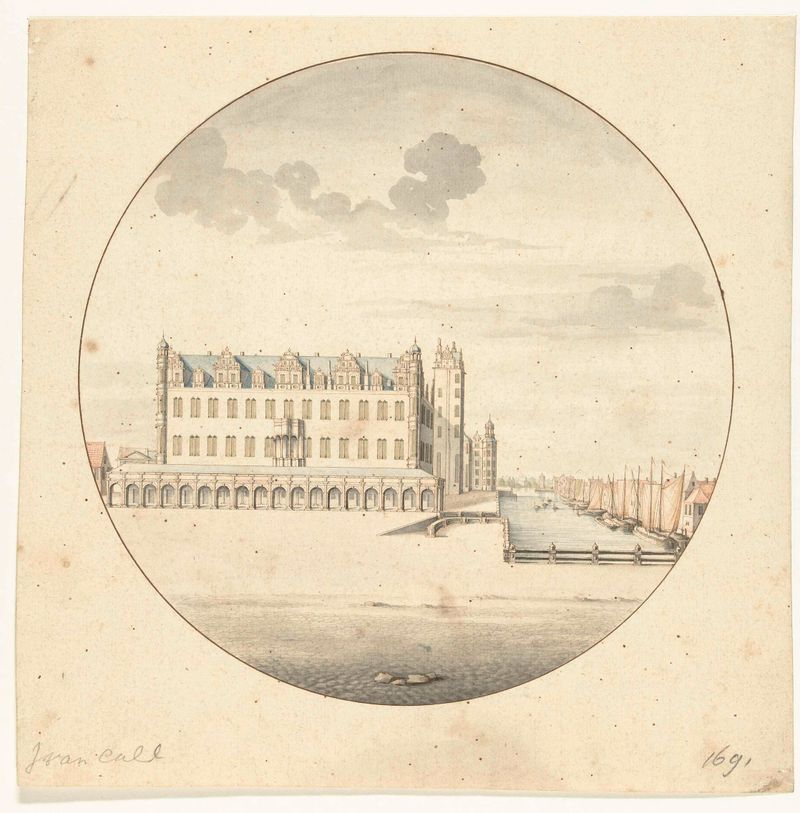
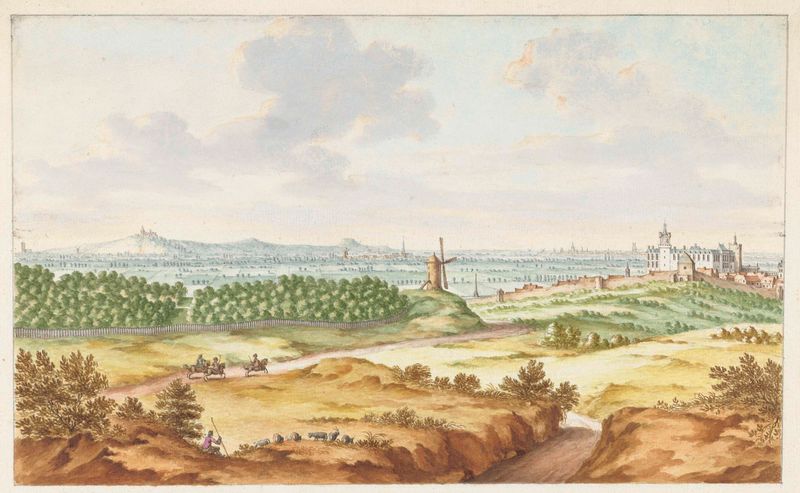
This delicate truth weaves through the fabric of art, revealing the fragility that lies beneath its surface. As you explore the canvas, look to the left where the architectural marvel of the amphitheater stands proud yet haunting, bathed in a warm, golden light. The intricate details of the stonework are rendered with meticulous precision, drawing your gaze to the weathered textures that speak of time's passage. Notice how the shadows play with the light, creating an almost ethereal atmosphere that hints at both grandeur and decay. Yet, beneath the beauty of this structure lies an emotional tension.
The amphitheater, a symbol of entertainment and community, contrasts sharply with the desolate landscape that surrounds it, suggesting a loss of vibrancy in the world it once entertained. The distant hills cast a somber tone, while the sparse trees seem to reach out, longing for connection amid the stillness. This juxtaposition of the lively past and the barren present evokes a melancholy that lingers in the viewer's mind. Jan van Call, working between 1675 and 1685, captured this poignant scene during a time of great transition in the world of art and society.
Living in the Netherlands, he was influenced by the Baroque style, which emphasized grandeur and emotion, yet he subtly incorporated a sense of fragility in his subjects. This period marked a shift in artistic focus, reflecting both the prosperity and the underlying anxieties of the era, creating a backdrop that resonated with his extraordinary vision.
More Artworks by Jan van Call (I)
Browse all →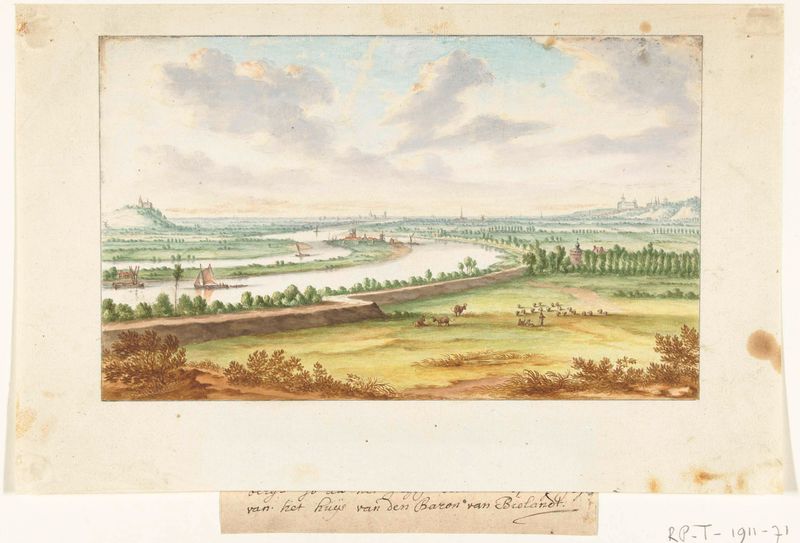
More Architecture Art
Browse all →
The statue of Liberty
Frédéric Auguste Bartholdi

View of Houses in Delft, Known as ‘The Little Street’
Johannes Vermeer

View of Houses in Delft, Known as ‘The Little Street’
Johannes Vermeer

The Cathedral in Rouen. The portal, Grey Weather
Claude Monet

The yellow house
Vincent van Gogh

The Church in Auvers-sur-Oise, View from the Chevet
Vincent van Gogh