Gezicht van Schenkenschans — History & Facts
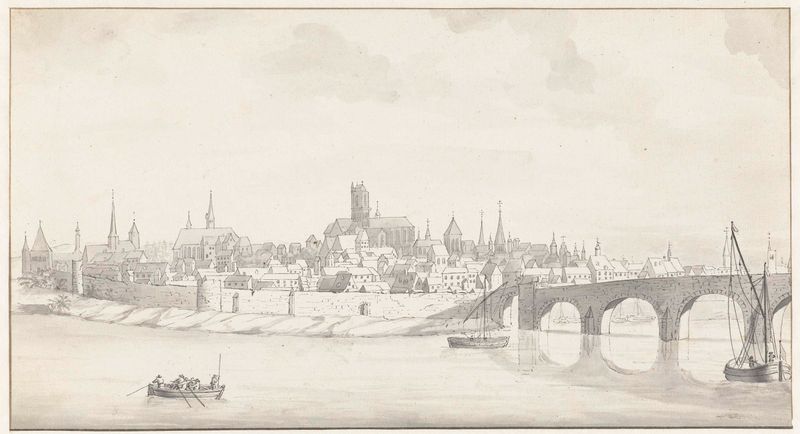
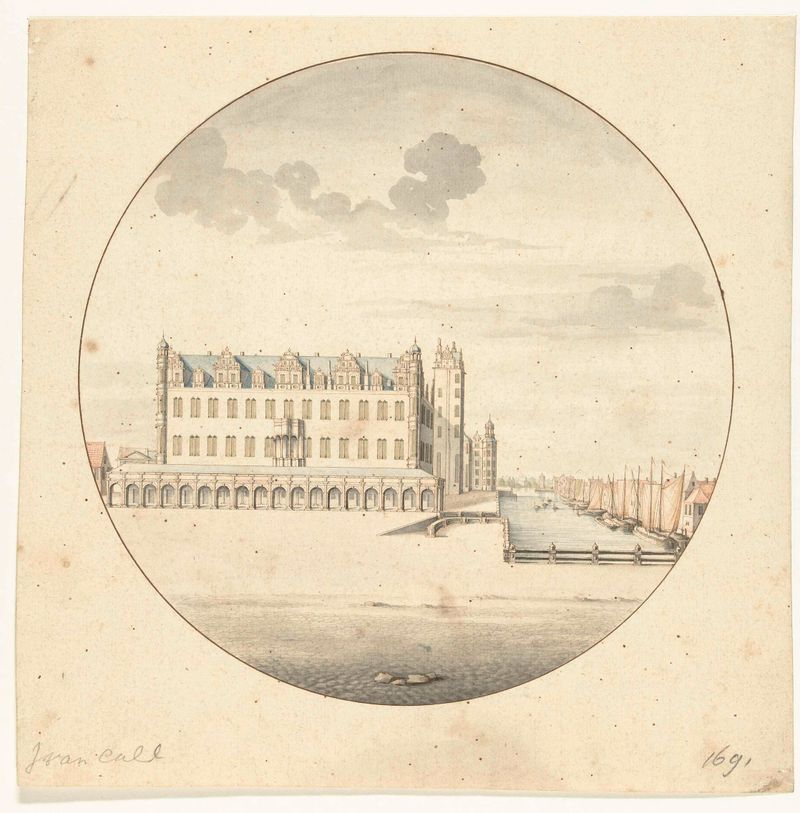
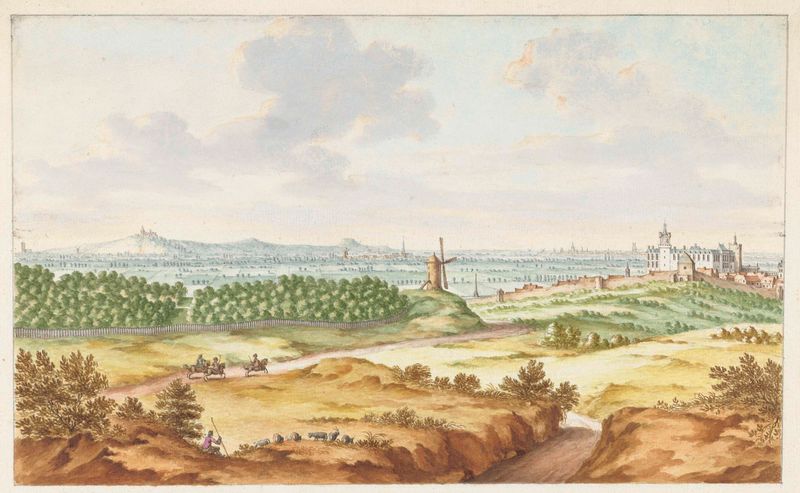
Can beauty exist without sorrow? In the intricate landscape of Gezicht van Schenkenschans, the viewer is invited to ponder the bittersweet coexistence of tranquility and tumult. Look to the horizon where the soft blues of the sky meet the muted greens of the fields. Notice how the light dances across the water’s surface, casting reflections that shimmer with a delicate instability. The meticulous brushwork reveals a tapestry of detail—from the rustic buildings nestled among the trees to the subtle play of shadows that hint at the life unfolding below the serene façade.
Every element is thoughtfully composed, guiding the eye towards the fortified structure that stands resolutely against the backdrop of nature’s beauty. Yet, beneath this pastoral calm lies an undercurrent of history and conflict. The fortifications symbolize a protective embrace, hinting at past battles while surrounded by the idyllic scenery, suggesting a tension between safety and vulnerability. The interplay of light and shadow captures moments of pause as if the landscape itself breathes, reflecting a world where beauty has emerged from struggle.
Each brushstroke is a reminder of the transient nature of peace, intertwining the joys of nature with the echoes of human endeavor. Created between 1666 and 1706, the artist painted this work during a time when the Netherlands was grappling with its identity amid shifting political landscapes. As a member of the Dutch Golden Age, their artistry flourished alongside a burgeoning appreciation for landscape painting, reflecting both the natural world and the complexities of human existence—a duality that resonates profoundly in this work.