
Amsterdam, vue de Victoria Hotel — History & Facts
In the stillness of a moment, the transformation of a city into an art form begins. Each brushstroke whispers stories of life, light, and change, inviting you to step into a realm where reality merges with imagination. Look to the left at the serene facade of the Victoria Hotel, its elegant architecture framed against a soft, luminous sky. Notice how the warm, golden hues of sunlight dance across the buildings, creating a soothing contrast with the cool blue water reflecting the life above.
The brushwork is both fluid and deliberate, capturing the essence of Amsterdam's charm while inviting viewers to get lost in the details of bustling life along the canal. Hidden within this tranquil scene lies a duality. The gentle ripples in the water reflect not only the physical landscape but also the shifting tides of modernity, hinting at the city's evolving identity at the dawn of the 20th century. The human figures, though small and almost fleeting, convey a sense of movement and purpose, representing the constant flow of everyday life in contrast to the static beauty of the structures around them.
This interplay serves as a poignant reminder of transformation, both in the city itself and in the artistic movement at large. Auguste Louis Lepère created this work in 1901 during a time when Impressionism was flourishing and evolving into new forms. Living in Paris, he was deeply influenced by the avant-garde movements and the changing urban landscapes that surrounded him. His experience in printmaking and lithography informed his painting style, allowing him to capture the essence of fleeting moments while contributing to the dialogue of modern art during this transformative period.
More Artworks by Auguste Louis Lepère
Browse all →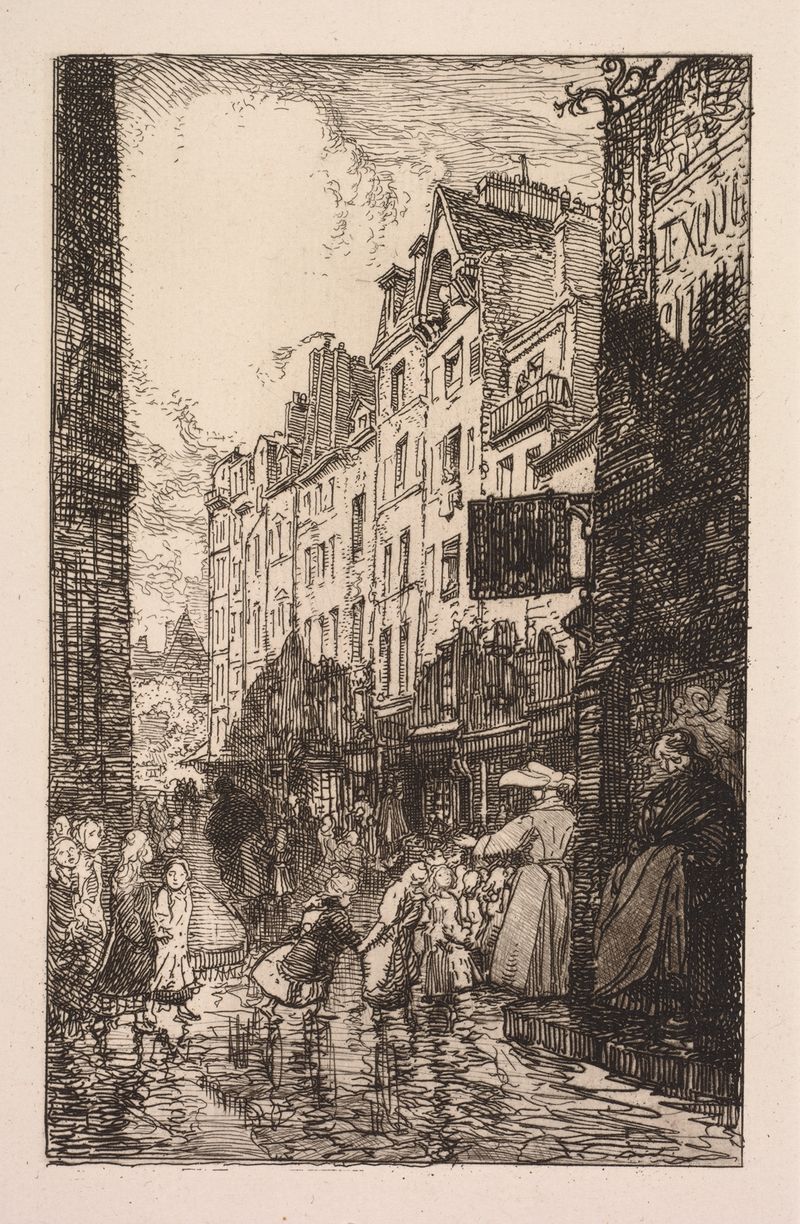
La Rue des Prêtres Saint-Séverin
Auguste Louis Lepère
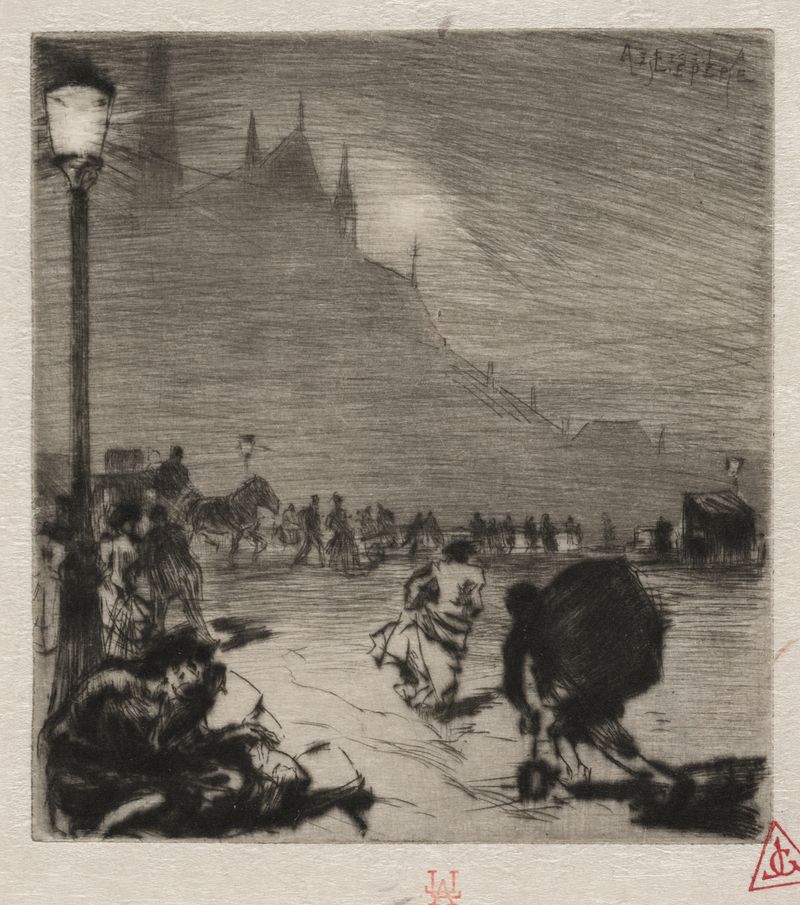
Au Coin du Pont-aux-Doubles
Auguste Louis Lepère
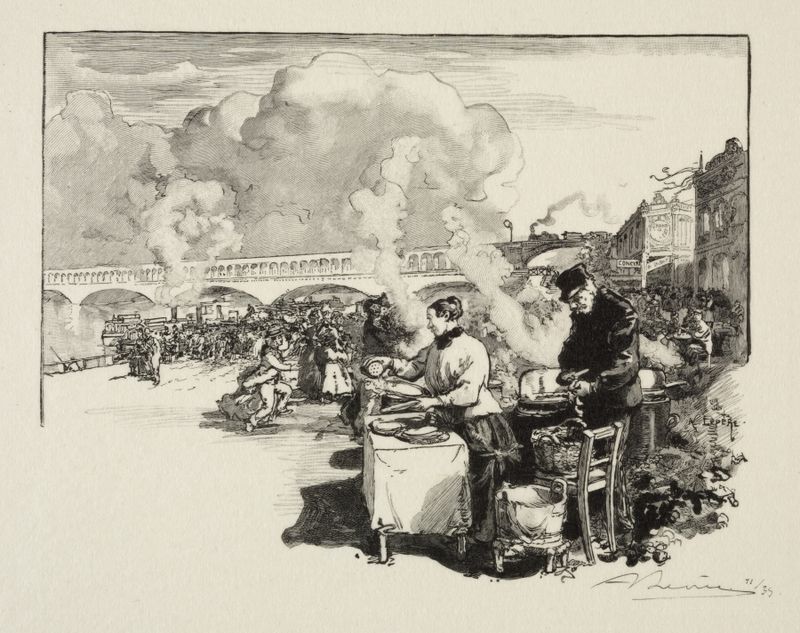
Debarcadère des bateaux-omnibus
Auguste Louis Lepère

La Seine, au quai de la Rapée
Auguste Louis Lepère
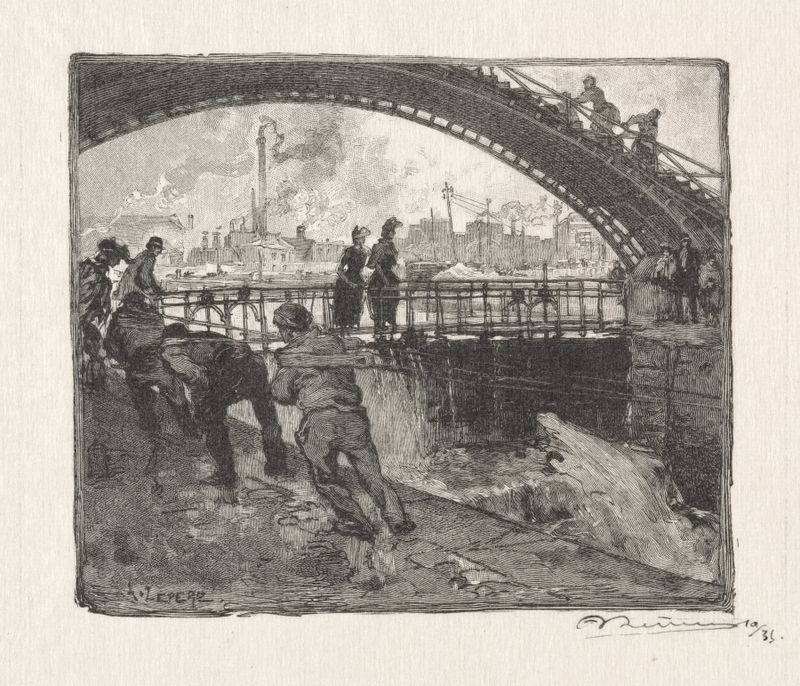
L’Ecluse du Canal St. Martin
Auguste Louis Lepère

Le Boulevard Montmartre, le Soir
Auguste Louis Lepère

Une Chasse au Mont Gérard
Auguste Louis Lepère
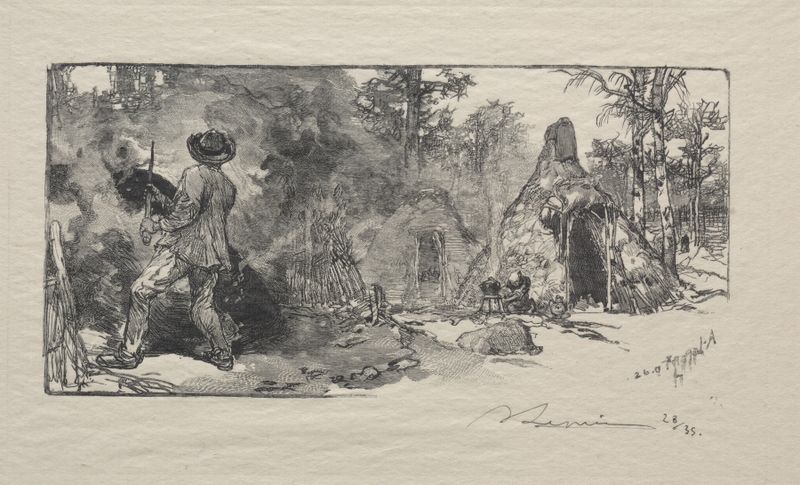
Les Charbonniere
Auguste Louis Lepère
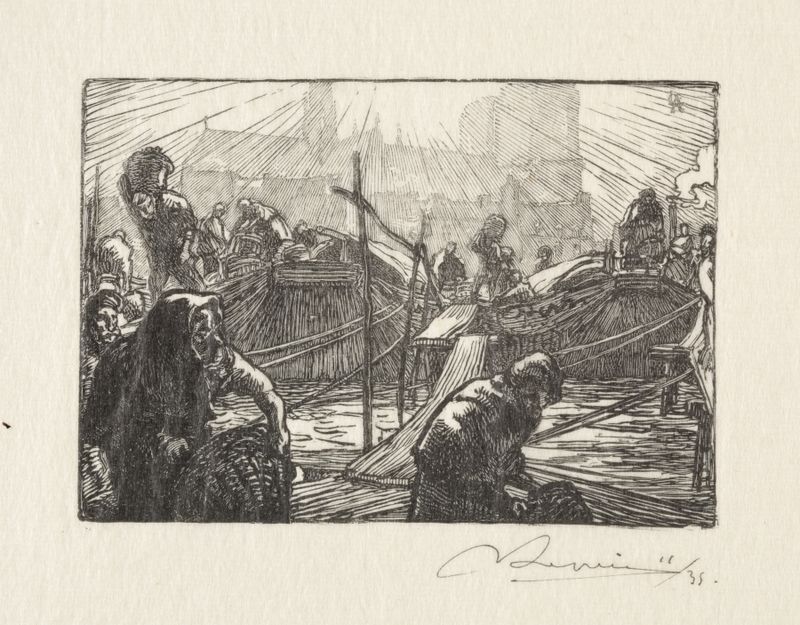
Notre Dame vue du Marché aux pommes
Auguste Louis Lepère

Le Palais des Arts Liberaux, Intèrieur
Auguste Louis Lepère
More Architecture Art
Browse all →
The statue of Liberty
Frédéric Auguste Bartholdi

View of Houses in Delft, Known as ‘The Little Street’
Johannes Vermeer

View of Houses in Delft, Known as ‘The Little Street’
Johannes Vermeer

The Cathedral in Rouen. The portal, Grey Weather
Claude Monet

The yellow house
Vincent van Gogh

The Church in Auvers-sur-Oise, View from the Chevet
Vincent van Gogh