
An Aqueduct Near a Fortress — History & Facts
This statement resonates deeply in An Aqueduct Near a Fortress, where the artist captures an obsession with permanence amidst the continuous march of time. The scene invites contemplation on the interplay of nature and man-made structures, revealing an underlying narrative that tugs at the heart. Focus on the aqueduct that gracefully arches across the canvas, a testament to human ingenuity. Its stone façade, beautifully rendered in soft hues of gray and beige, harmonizes with the lush greenery that surrounds it.
Notice how the light bathes the scene, casting gentle shadows that emphasize the contours of the fortress in the background. Bertin’s meticulous attention to detail and skillful use of color create a rich tapestry that invites the viewer to explore every inch of this landscape. Hidden within this idyllic setting lies a contrast between the strength of the aqueduct and the looming fortress, symbolizing the transient nature of human aspirations. The aqueduct stands as a bridge between the past and present, a reminder of the battles fought for survival and dominance.
The juxtaposition of the vibrant flora against the cold, unyielding stone evokes a sense of both beauty and melancholy, illustrating the relentless passage of time and the obsession to leave a mark. In 1807, Jean-Victor Bertin was immersed in the Romantic movement, painting in France during a time of political upheaval and artistic exploration. He sought to express the sublime within nature and architecture, reflecting a contemporary fascination with the past. His works often highlight the harmony between human constructs and their landscapes, revealing an era grappling with its identity and legacy.
More Artworks by Jean-Victor Bertin
Browse all →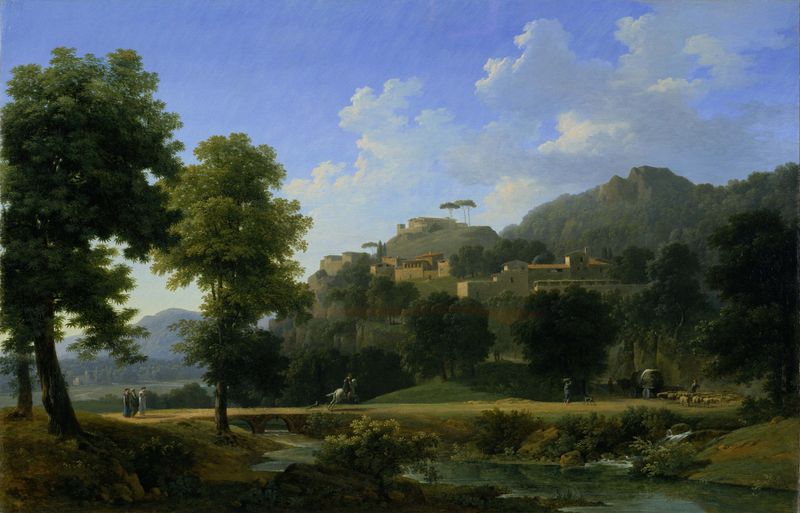
Italian Landscape
Jean-Victor Bertin
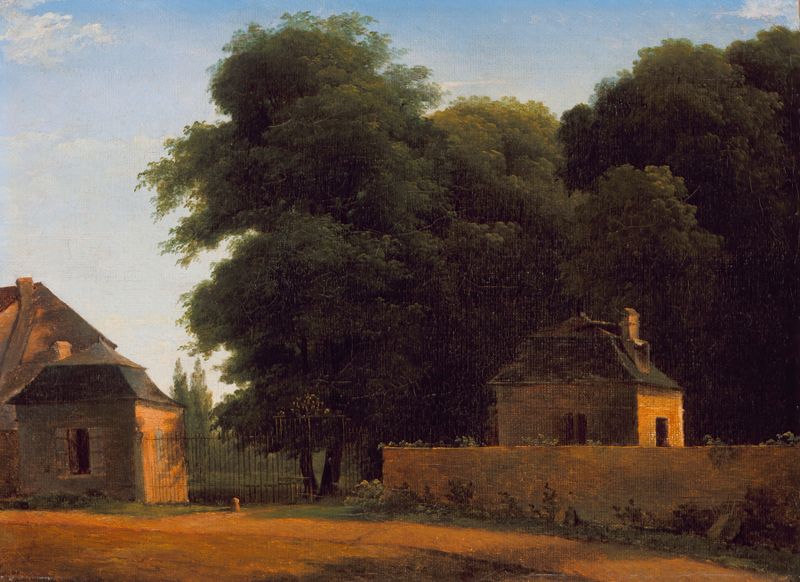
Entry to the Park at St. Cloud
Jean-Victor Bertin
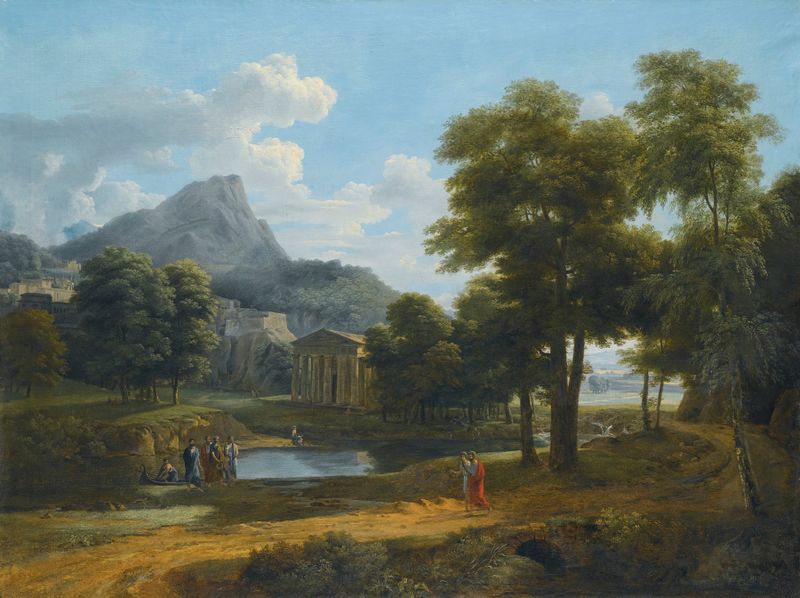
A Mountainous Landscape, With A View Of Pheneos And The Temple Of Minerva Caphyes
Jean-Victor Bertin
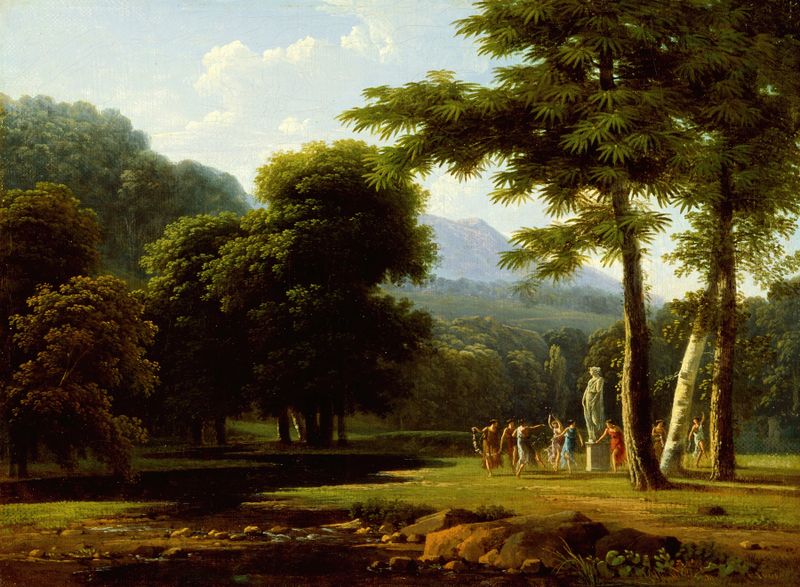
Landscape
Jean-Victor Bertin
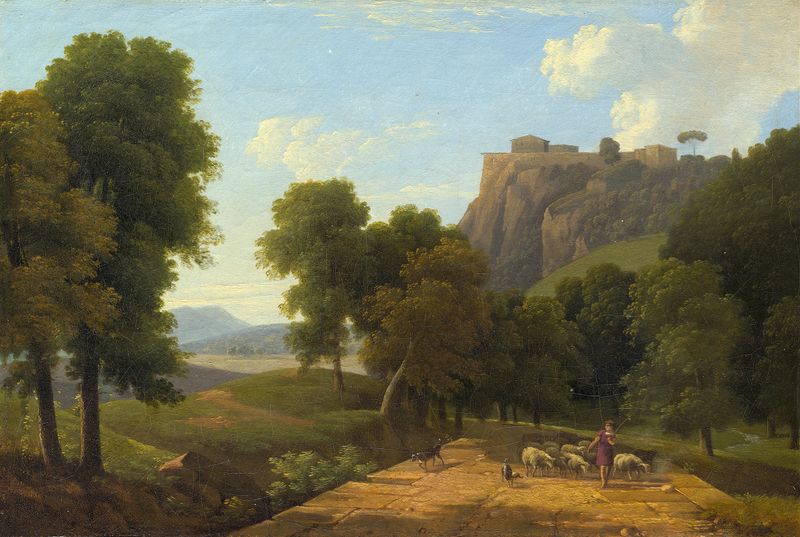
Shepherd with his Flock
Jean-Victor Bertin
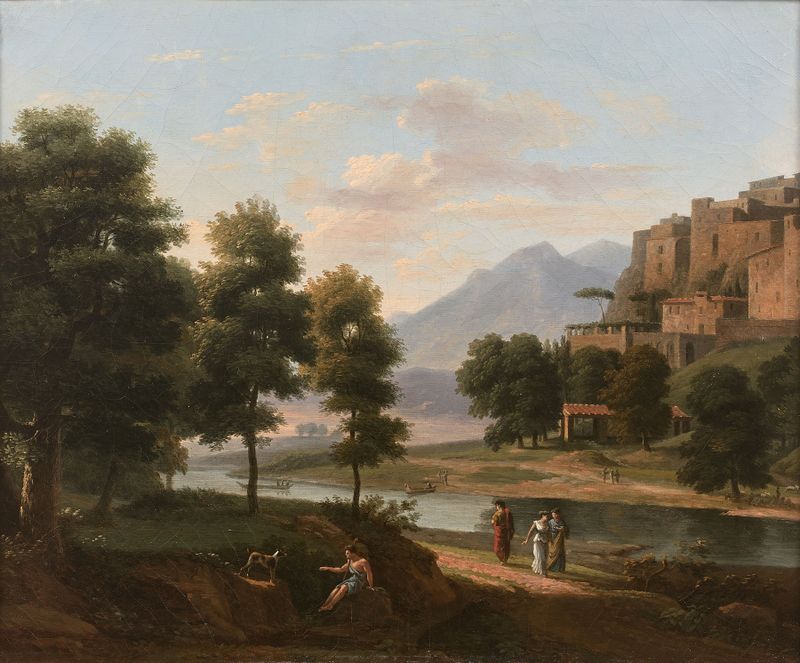
Paysage d’Arcadie animé de personnages
Jean-Victor Bertin
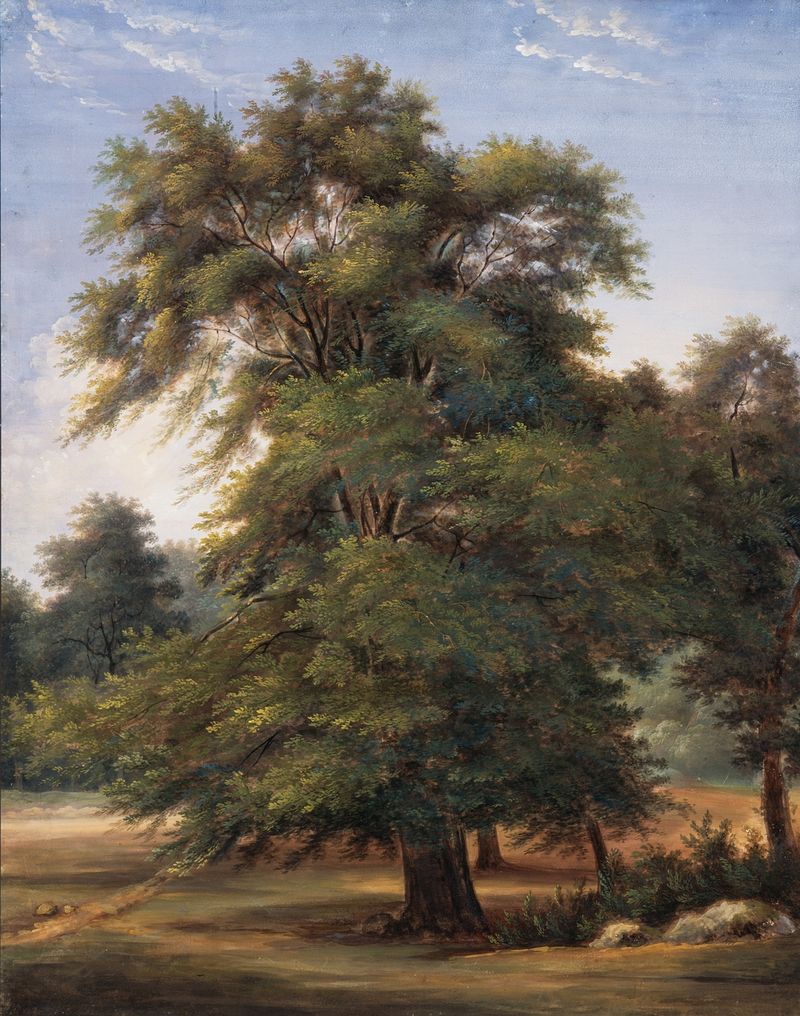
Study of a Tree
Jean-Victor Bertin
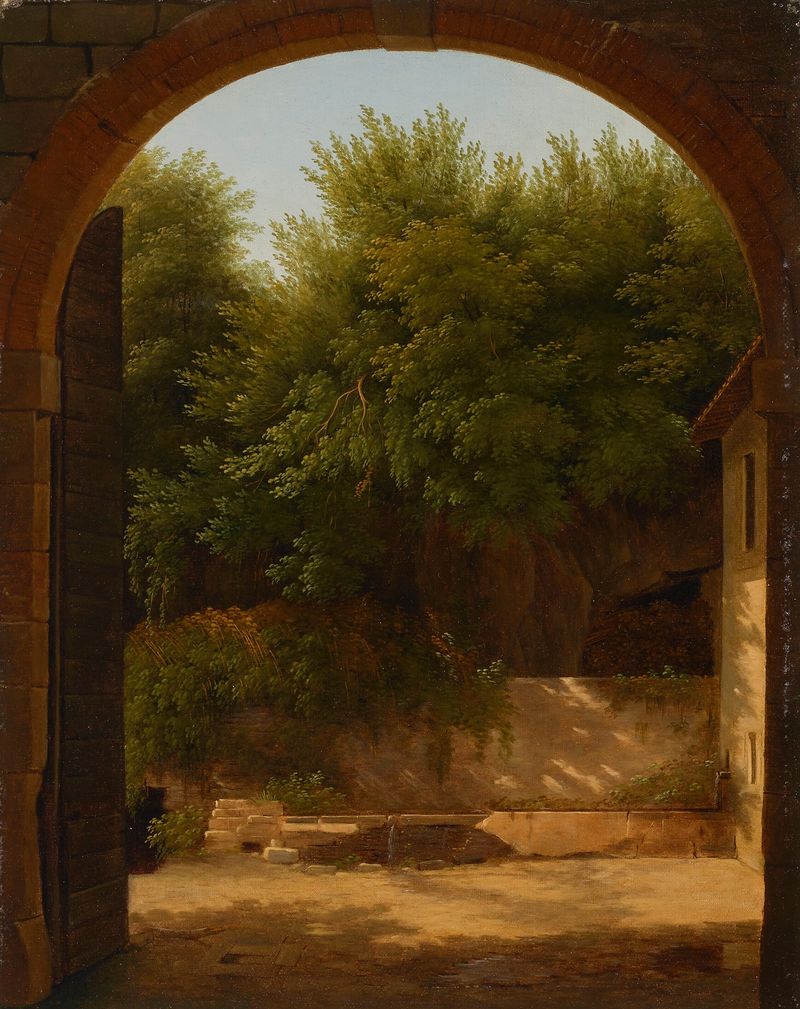
A view of a sunlit courtyard with a trough, seen through an archway
Jean-Victor Bertin
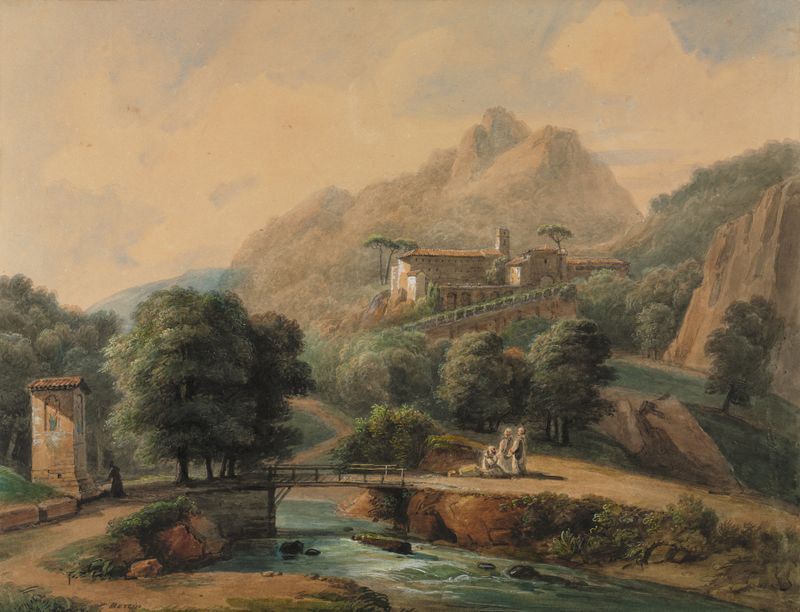
Paysage Italien; L’Abbaye et Les Religieux
Jean-Victor Bertin
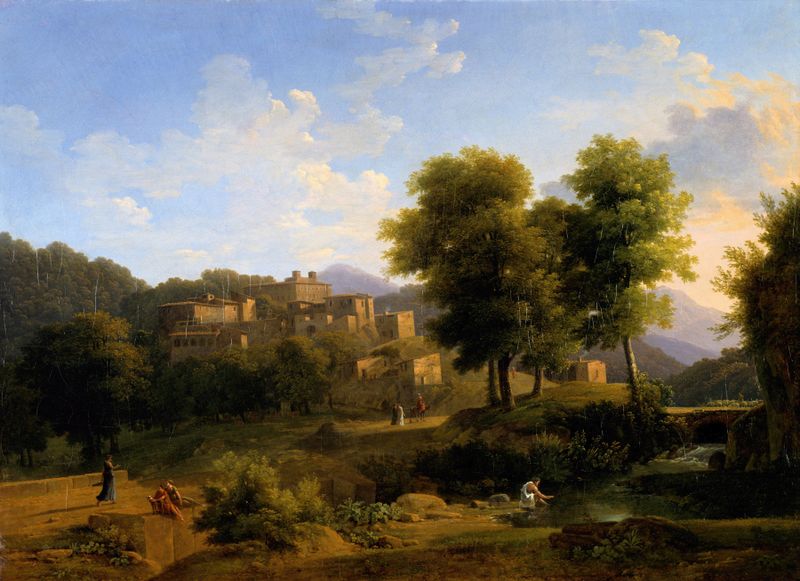
View of a Town in the Sabine Hills
Jean-Victor Bertin





