
An Autumnal Landscape at East Bergholt — History & Facts
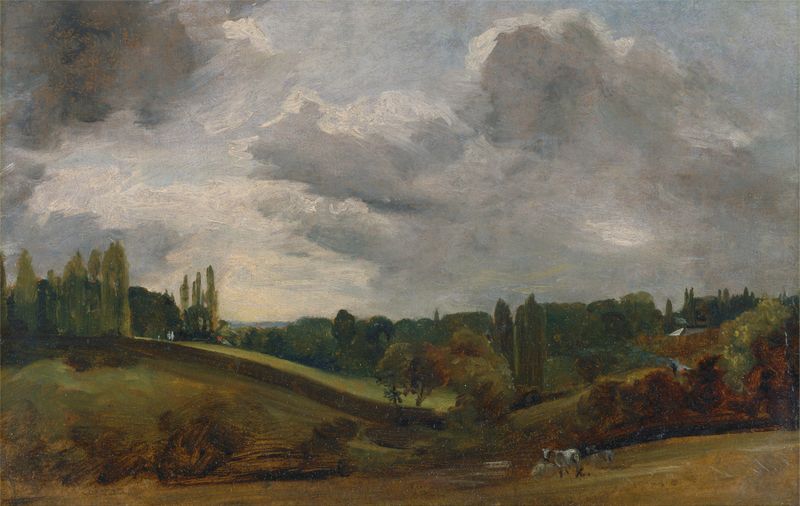
Can beauty exist without sorrow? In the gentle embrace of autumn, nature's splendor is tinged with the bittersweet essence of memory, inviting contemplation of what has been lost. Focus first on the rolling hills to the left, where the vibrant hues of gold and orange dance against the deepening blue sky, capturing the transitory beauty of the season. The brushwork is both soft and deliberate, evoking the wind's caress as it rustles the leaves. Notice how the light plays upon the landscape, illuminating patches of sunlight breaking through the clouds, suggesting a fleeting moment in time that Constable has masterfully preserved. As you delve deeper, observe the subtle interplay between the pastoral scene and the somber undertones it evokes.
The path winding through the trees might symbolize the passage of time, while the solitary figure in the distance hints at reflection and solitude. The contrast between the lively colors of the foliage and the muted tones of the earth below creates a tension that resonates with the viewer, echoing the duality of joy and melancholy. Created between 1805 and 1808, this work emerged during a transformative era for Constable, who was striving to capture the essence of the English landscape. Working in East Bergholt, where he spent his formative years, he sought to convey the emotional weight of his surroundings amid the burgeoning Romantic movement.
At this time, he faced both personal struggles and the challenge of redefining landscape painting, aiming to connect the beauty of nature with deep emotional resonance.
More Artworks by John Constable
Browse all →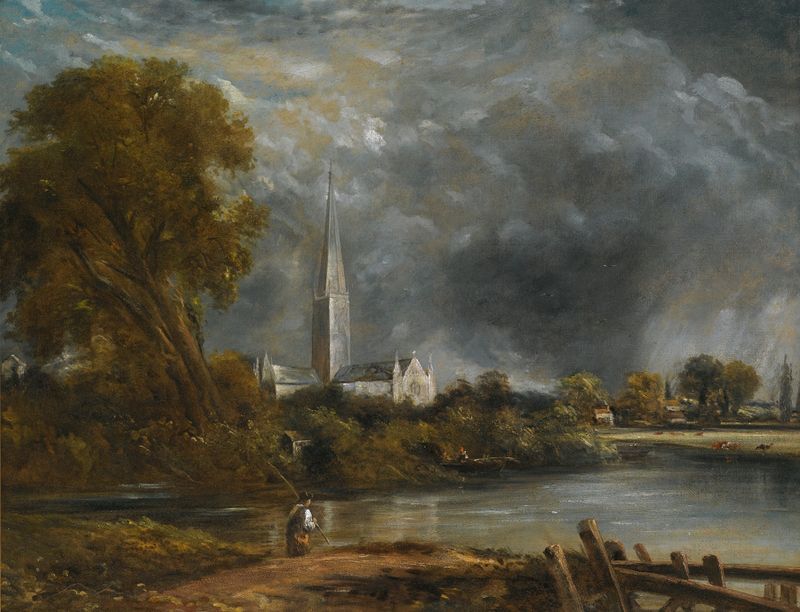
Salisbury Cathedral From The Meadows
John Constable
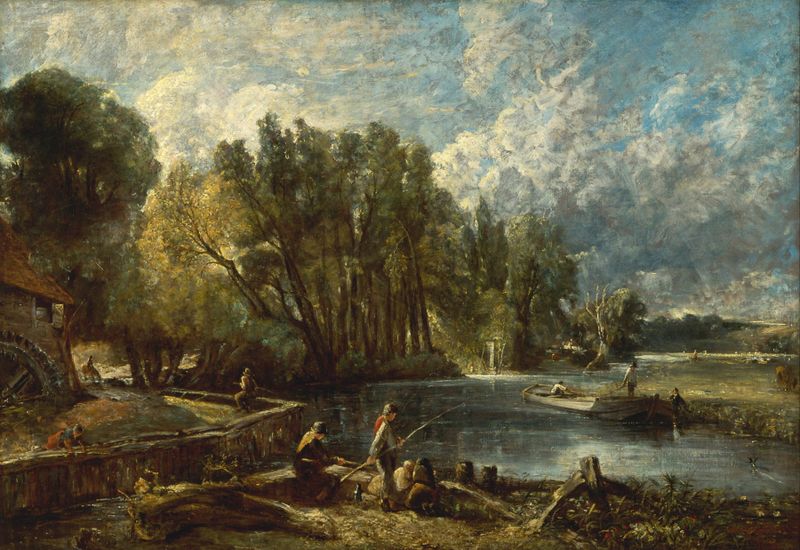
Stratford Mill
John Constable
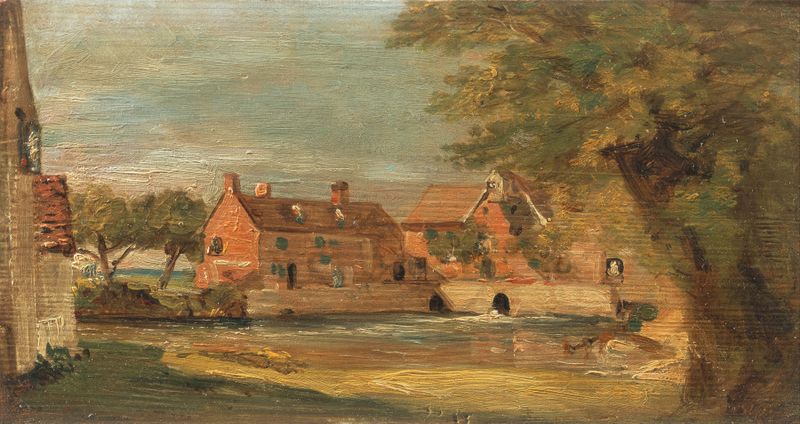
Flatford Mill
John Constable
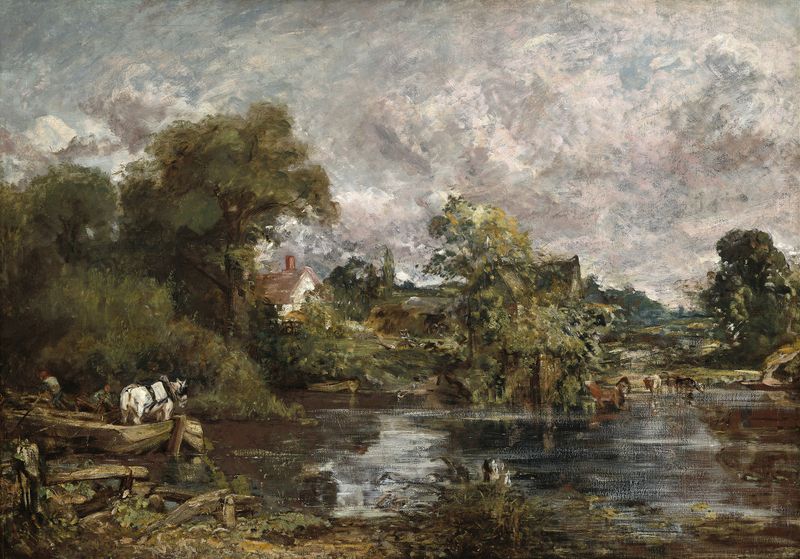
The White Horse
John Constable
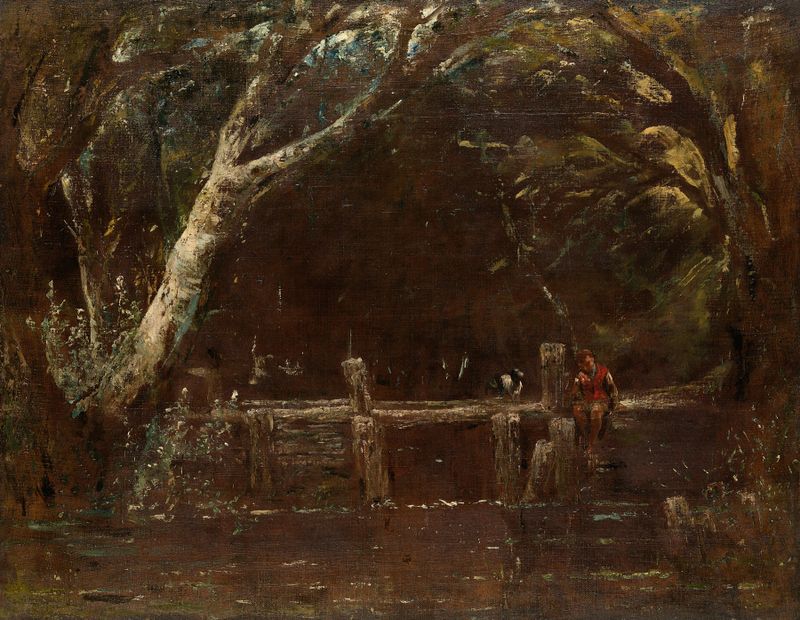
Landscape (The Lock)
John Constable
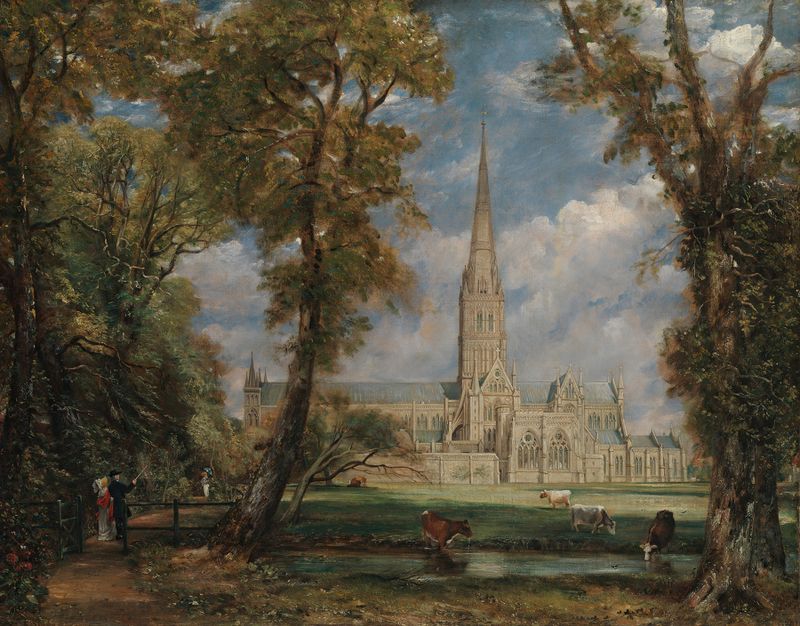
Salisbury Cathedral from the Bishop’s Grounds
John Constable
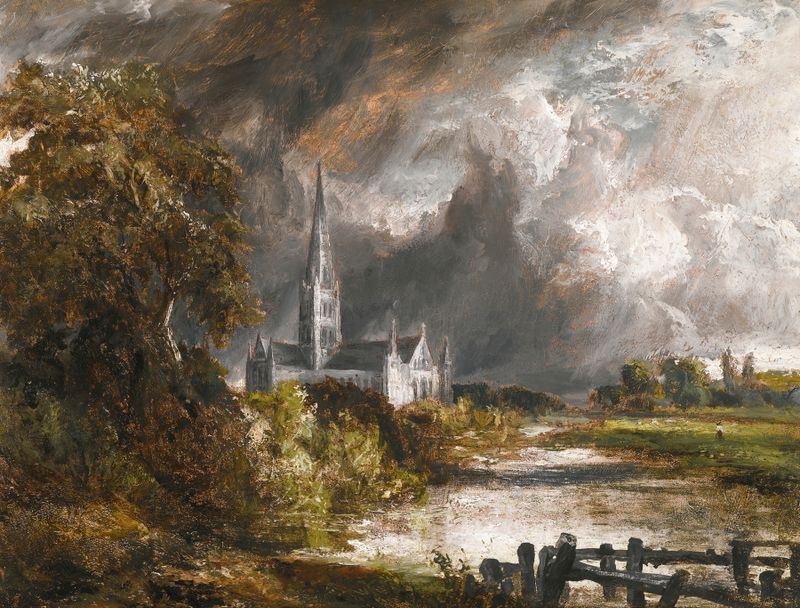
Salisbury Cathedral From The Meadows
John Constable
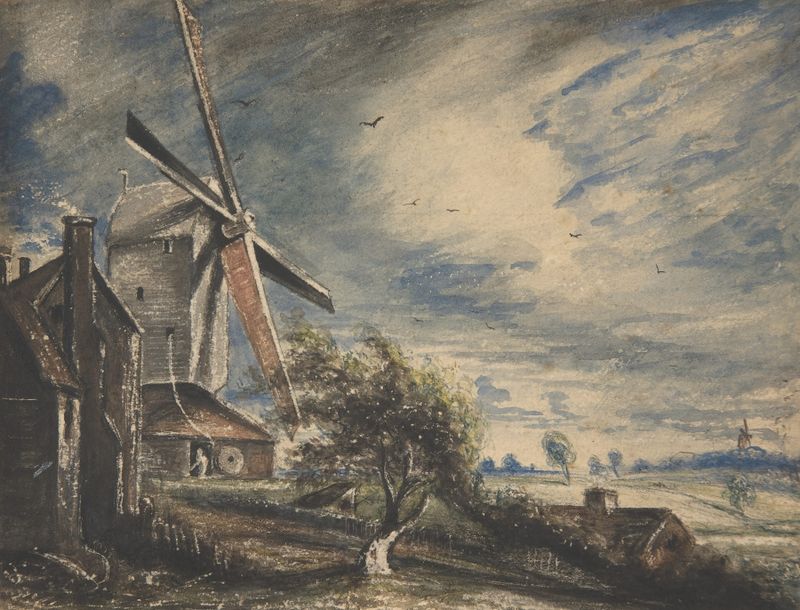
A Mill Near Colchester
John Constable
East Bergholt
John Constable

Flatford Mill
John Constable





