
An der Benediktenwand (Blick auf Schlehdorf und den Kochelsee) — History & Facts
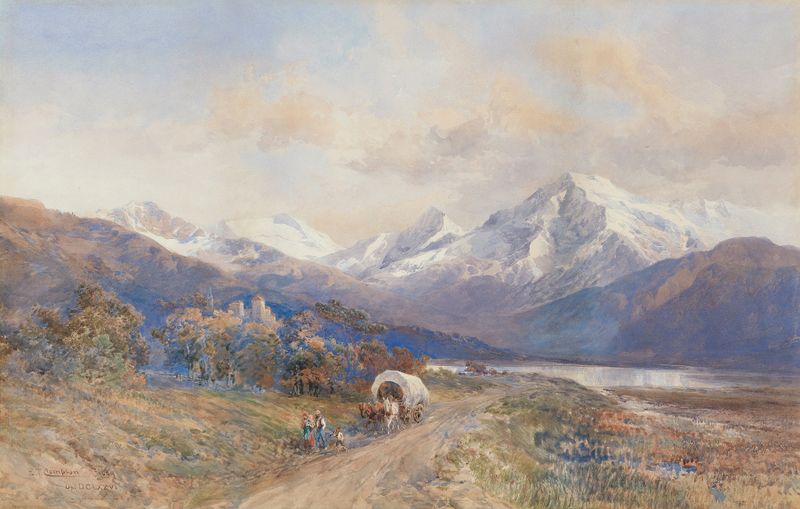
What secret hides in the quiet of the canvas? In a world that often rushes towards the future, this work invites us to pause and reflect on the subtle beauty that lingers in decay. Focus on the expansive landscape before you, where the soft hues of twilight brush against the serene Kochelsee. Notice how the vibrant greens of the foreground contrast with the fading earth tones of distant hills, drawing your eye toward the tranquil water that mirrors the sky’s evolving palette. The composition balances intricate detail in the foreground with a hazy depth in the background, creating a sense of both immediacy and distance, while gentle brush strokes evoke the delicate passage of time. Amidst the beauty lies an underlying tension; the juxtaposition of thriving nature and the impending approach of time’s withering grasp.
The decay of the structures along the shore whispers of forgotten stories, hinting at lives once vibrant but now faded. This quiet narrative of existence and loss compels us to confront the transient nature of beauty, urging a meditation on the passage of life itself. In 1875, Edward Theodore Compton painted this work while residing in Munich, a period marked by a growing interest in capturing the natural world with both romanticism and realism. During this time, the artistic community was gradually moving away from the constraints of academic traditions, embracing the utopian ideals of nature as a subject ripe for exploration.
The socially transformative currents of the era encouraged artists like Compton to reflect on the interplay of humanity and the environment, revealing the often-overlooked beauty in decay.
More Artworks by Edward Theodore Compton
Browse all →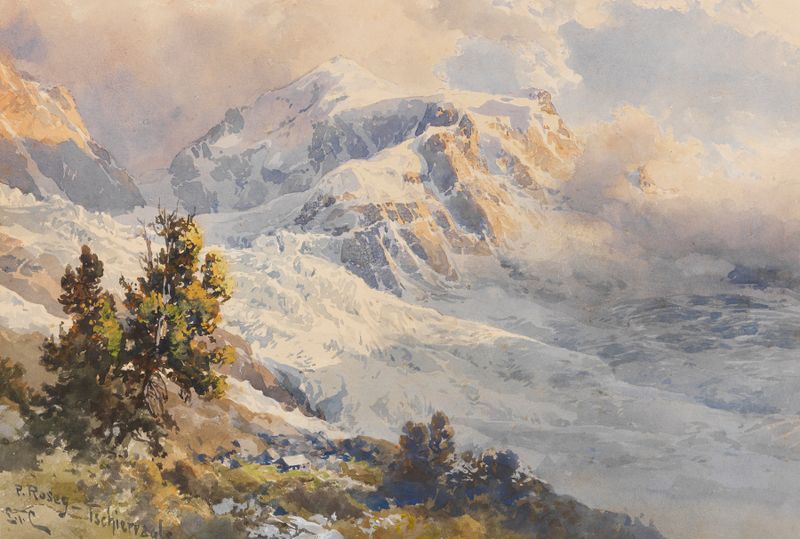
Piz Roseg – Tschiervagletscher
Edward Theodore Compton
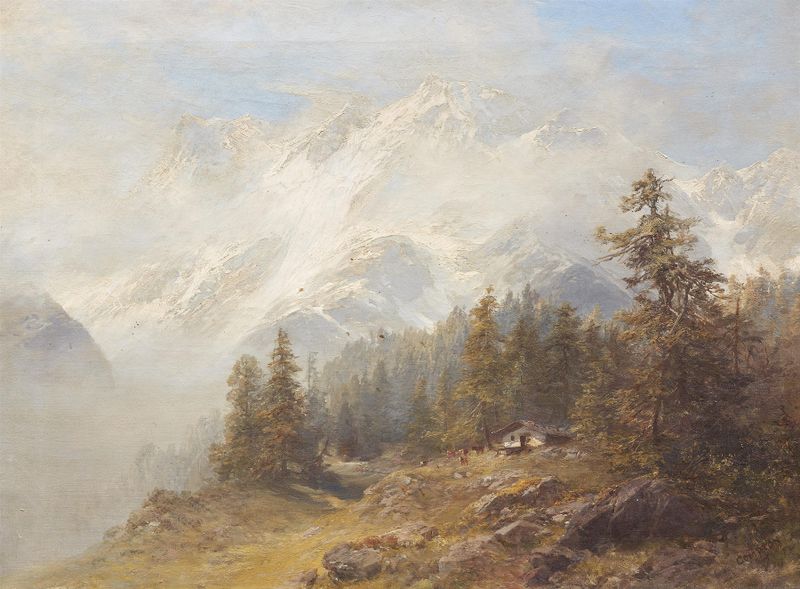
Alpenlandschaft vor schneebedecktem Massiv
Edward Theodore Compton
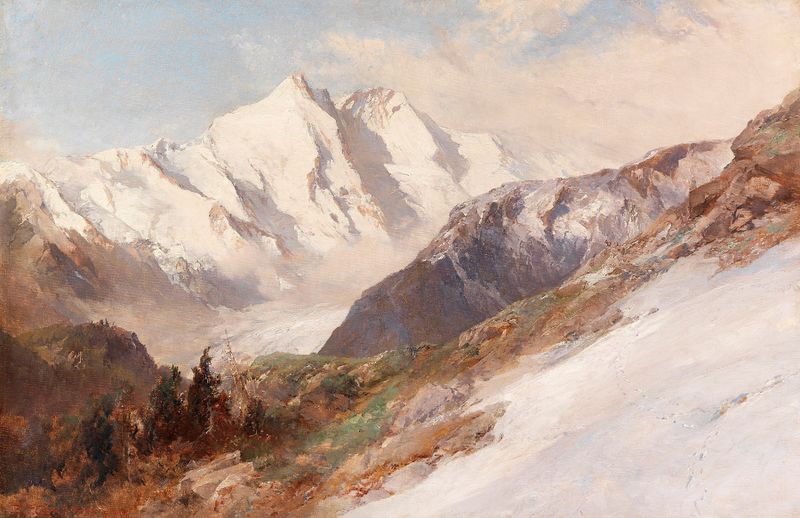
Blick auf die Nordseite des Großglockners
Edward Theodore Compton
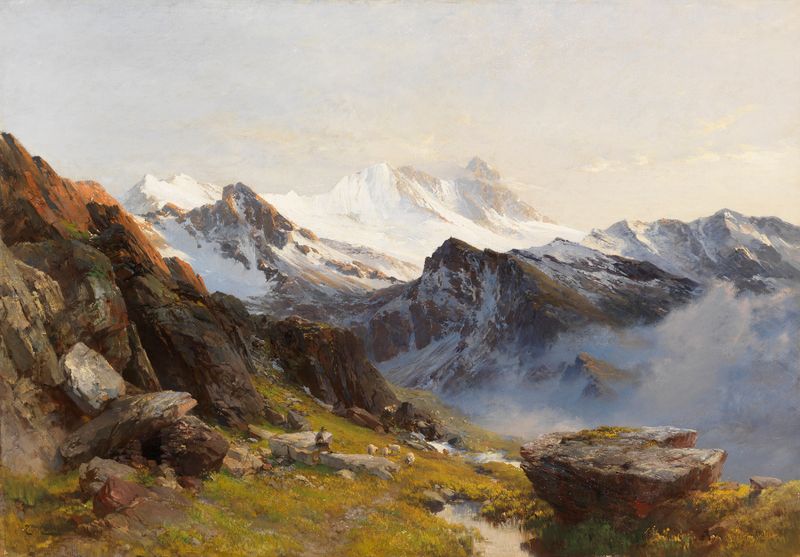
Großglockner von der Prager Hütte aus, früh
Edward Theodore Compton
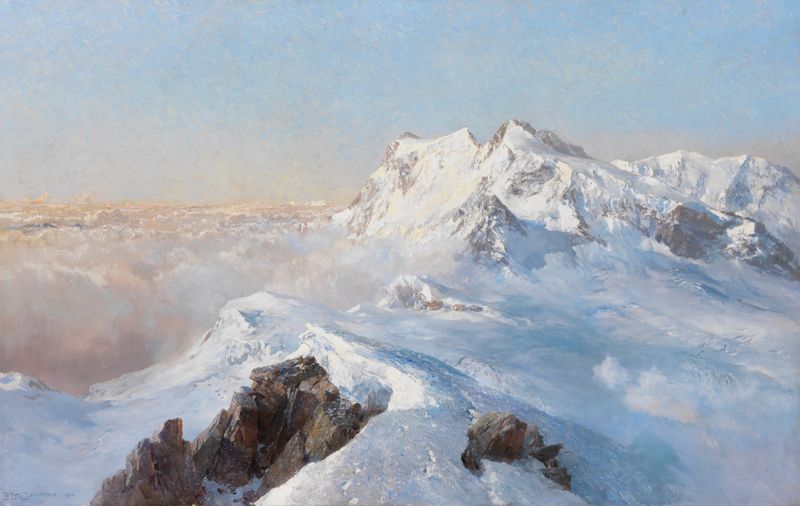
Über dem Nebelmeer (Monte Rosa vom Rimpfischhorn)
Edward Theodore Compton
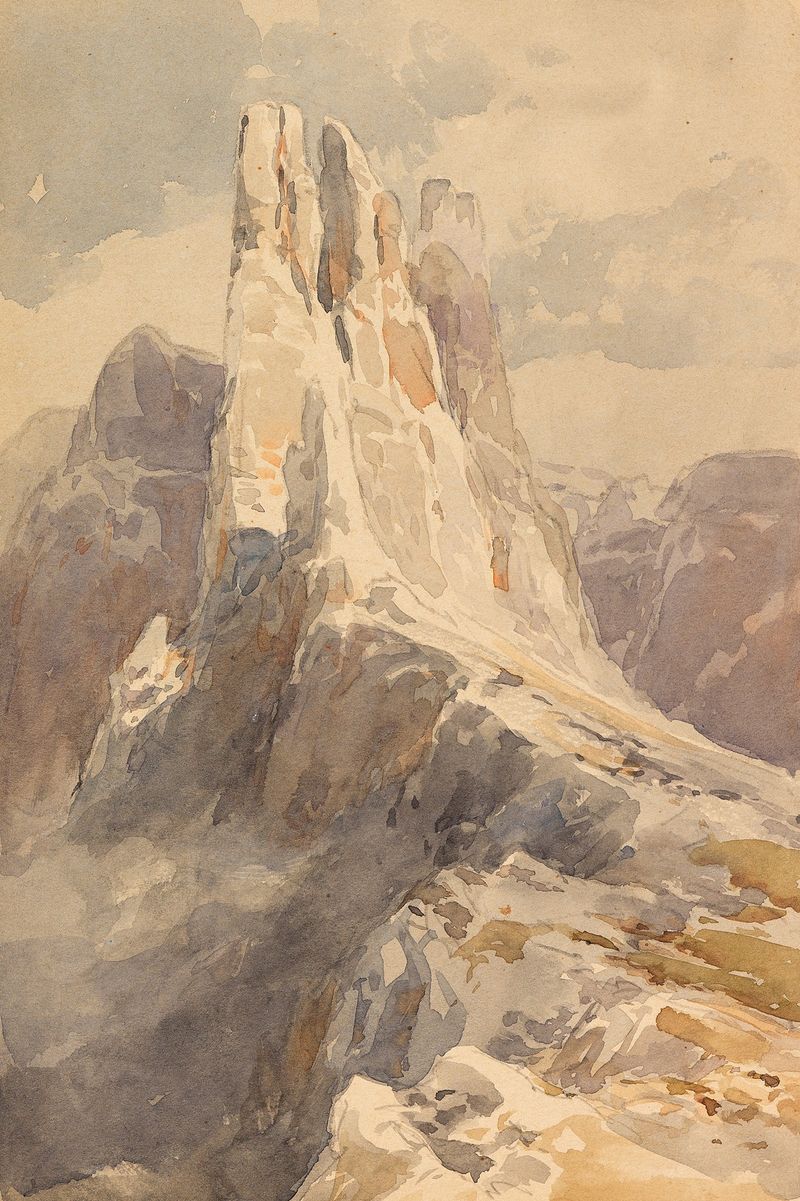
Blick auf die Vajolet-Türme in den Dolomiten
Edward Theodore Compton
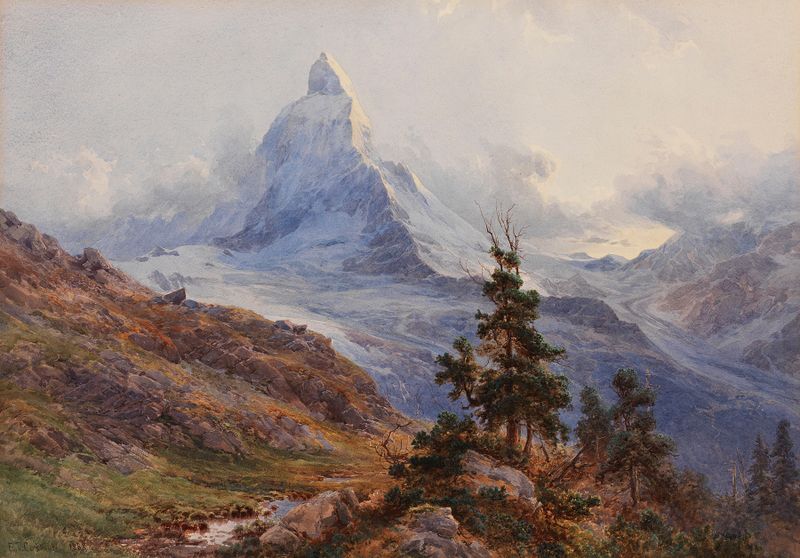
View of the Matterhorn
Edward Theodore Compton
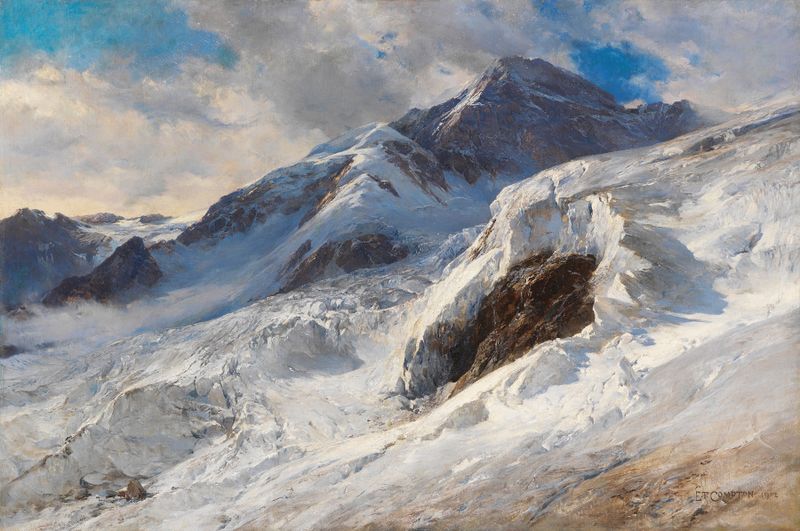
Lyskamm (Monte-Rosa)
Edward Theodore Compton
Blick auf den Ortler von St. Valentin
Edward Theodore Compton
Das Matterhorn von der Triftkumme
Edward Theodore Compton





