
An der Gartentür — History & Facts
Is this a mirror — or a memory? In An der Gartentür, the veil between past and present blurs, inviting viewers to step into a world steeped in nostalgia and quiet longing. Focus on the archway that dominates the composition, its sturdy form grounding the scene while shadows dance along the edges, hinting at an unseen presence. Notice how the light filters through the leaves, creating a dappled effect on the ground, as if nature itself whispers secrets of those who once passed this way. The muted tones of green and brown evoke a sense of calm, yet there’s an unsettling stillness that suggests time has paused, allowing a moment of reflection. Within this serene backdrop lies a poignant tension; the carefully rendered details—the intricate foliage, the worn stones—speak to a life once lived here, now fading.
The garden gate symbolizes both an entrance and an exit, a threshold of memory that evokes feelings of loss and yearning. There’s a sense of absence, as if a figure once stood there, forever imprinted on the landscape, embodying cherished moments now lost to time. Created at an unknown date, An der Gartentür reflects Johann Baptist Kirner's deep engagement with themes of longing and memory. Kirner, active in the 19th century, often captured the quiet melancholy of everyday life, indicating a sensitivity to the passage of time in a rapidly changing world.
His work resonates with the shifting artistic currents of his time, where realism began to intertwine with emotional expression, leaving a lasting impact on the viewer.
More Artworks by Johann Baptist Kirner
Browse all →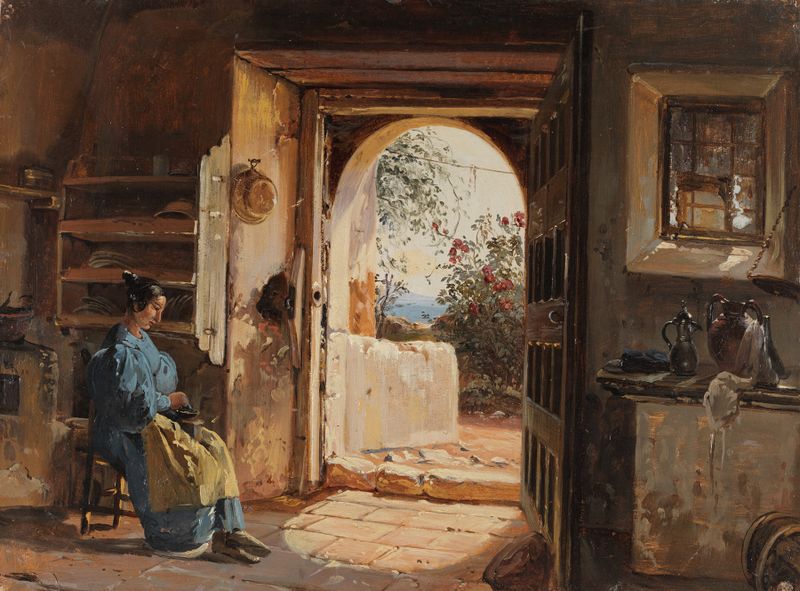
Italienische Stube mit einer sitzenden, Kaffee mahlenden Frau, die den Blick auf Garten und Meer freigibt
Johann Baptist Kirner
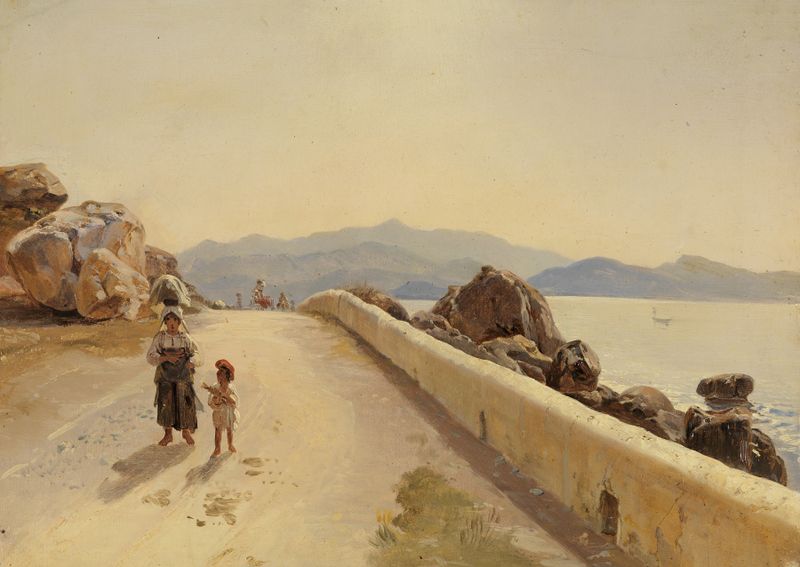
Italienischer Küstenweg
Johann Baptist Kirner
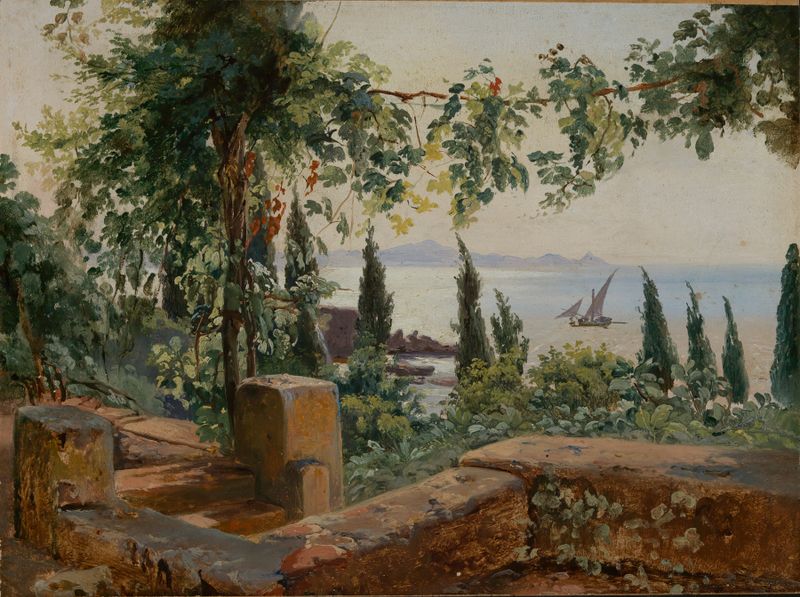
Italienische Landschaftsstudie mit Blick auf das Meer
Johann Baptist Kirner
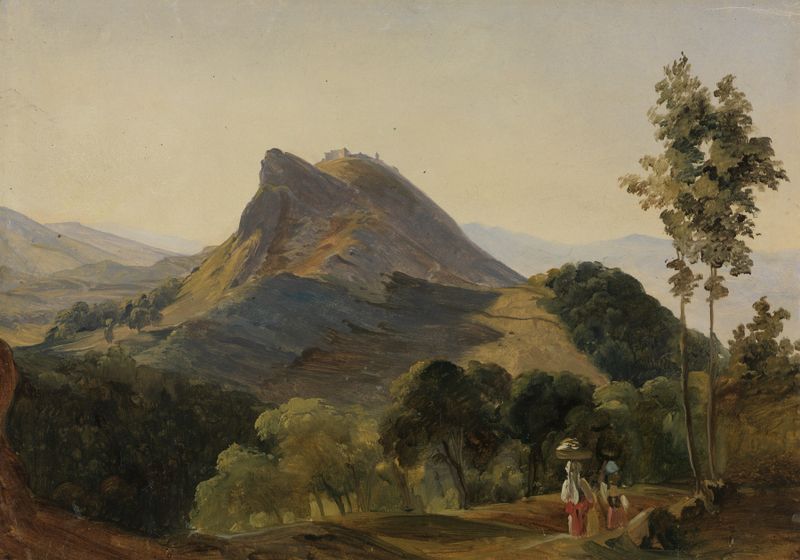
Blick von Norden auf Civitella
Johann Baptist Kirner
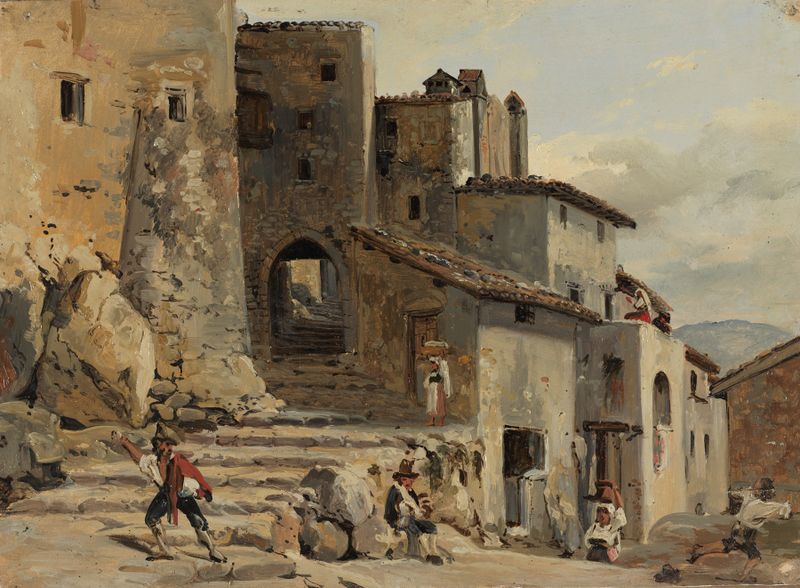
Treppenstrasse in einem italienischen Bergdorf
Johann Baptist Kirner
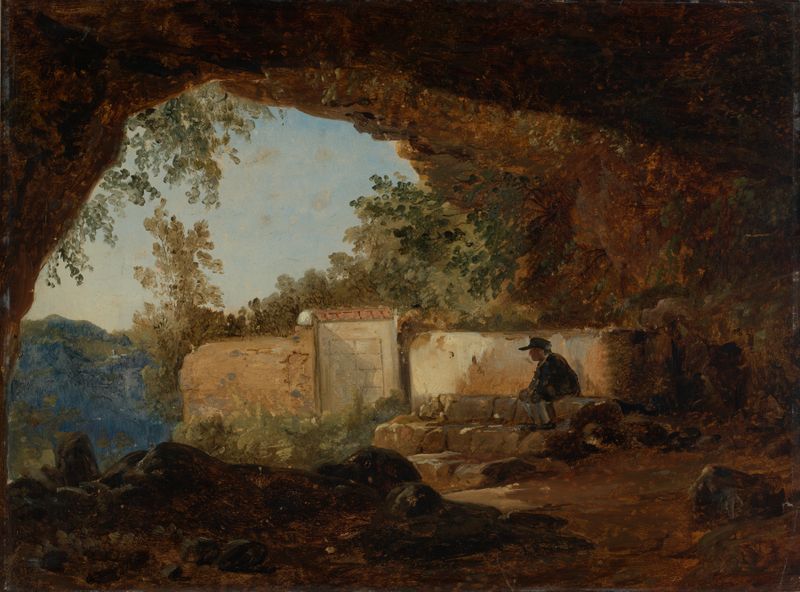
Grotte
Johann Baptist Kirner
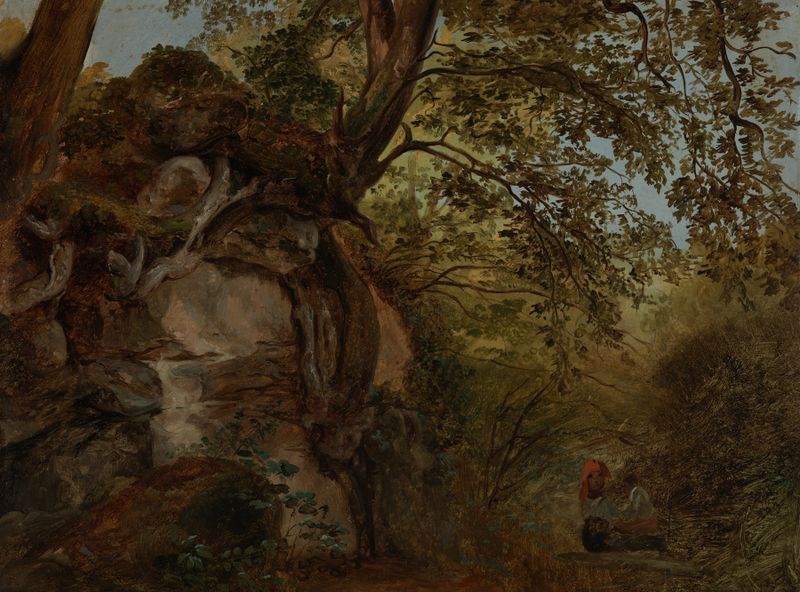
Baumstudie
Johann Baptist Kirner
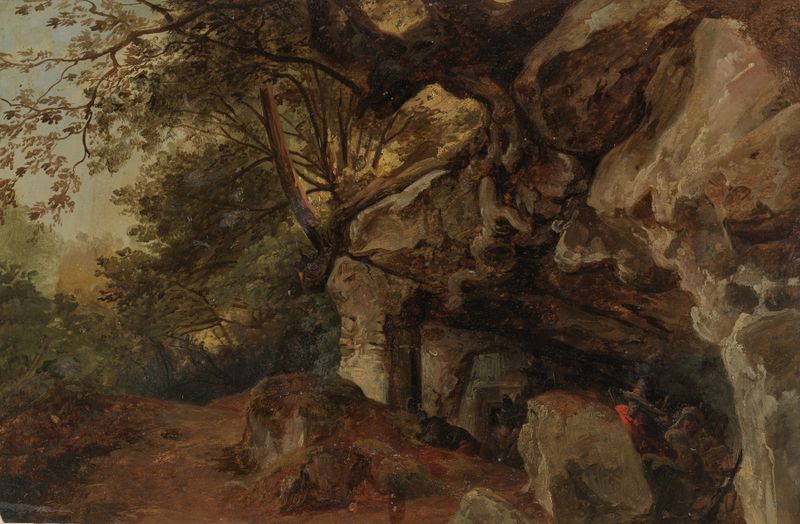
In einem Hinterhalt lauernde Räuber mit vor die Gesichter gebundenen Tüchern
Johann Baptist Kirner





