
Grotte — History & Facts
What if silence could speak through light? In Grotte, the interplay of illumination and shadow evokes a whisper of secrets hidden deep within the earth. Look to the center where light spills gracefully into the cavernous space, illuminating stalactites that glisten like crystalline chandeliers. The meticulous details of the rock formations draw the eye, guiding us through a labyrinth of texture and form. Notice how the warm browns and rich greens contrast against the cool grays, creating an illusion of depth that invites exploration into this serene yet mysterious sanctuary. Delve deeper and you will find the emotional tension engraved in the artwork; the calmness of the illuminated space juxtaposed with the darkness that envelopes the unknown.
Each crevice and shadow hints at stories left unspoken—of time passing in solitude and the natural world’s quiet resilience. There lies an intriguing contradiction between the often overwhelming silence of nature and the vibrant life that persists within such hidden realms. At the time Grotte was created, Johann Baptist Kirner was exploring themes of landscape and nature that resonated with the Romantic ideals of the 19th century. He painted during a period marked by a growing appreciation for the sublime beauty of the natural world, reflecting both the artistic movement's romanticism and an era of increasing fascination with the mysteries of the earth.
More Artworks by Johann Baptist Kirner
Browse all →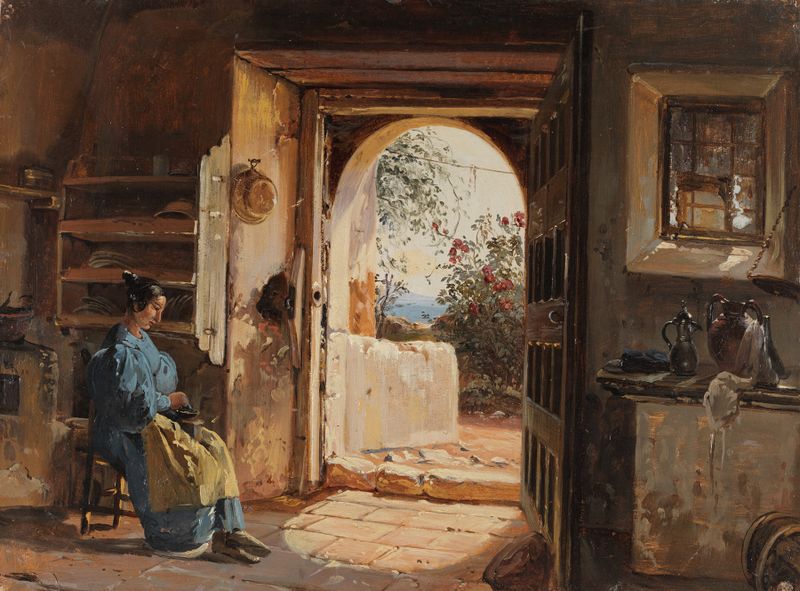
Italienische Stube mit einer sitzenden, Kaffee mahlenden Frau, die den Blick auf Garten und Meer freigibt
Johann Baptist Kirner
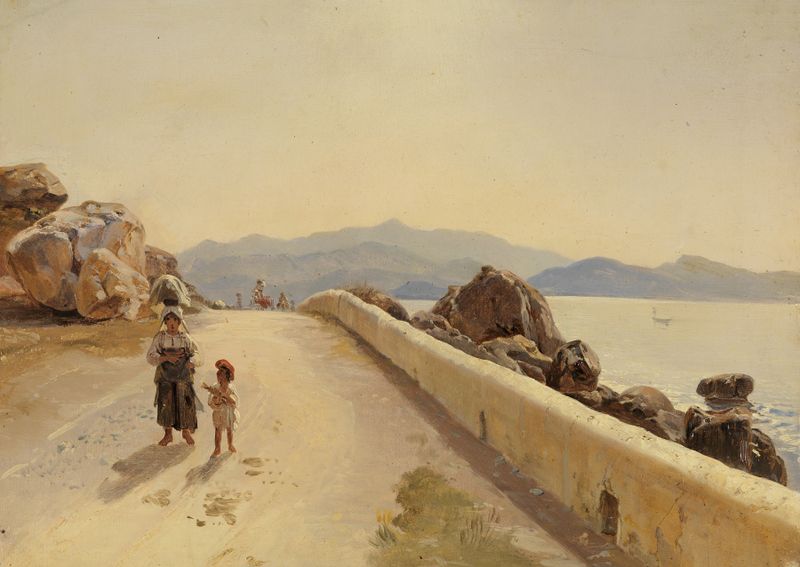
Italienischer Küstenweg
Johann Baptist Kirner
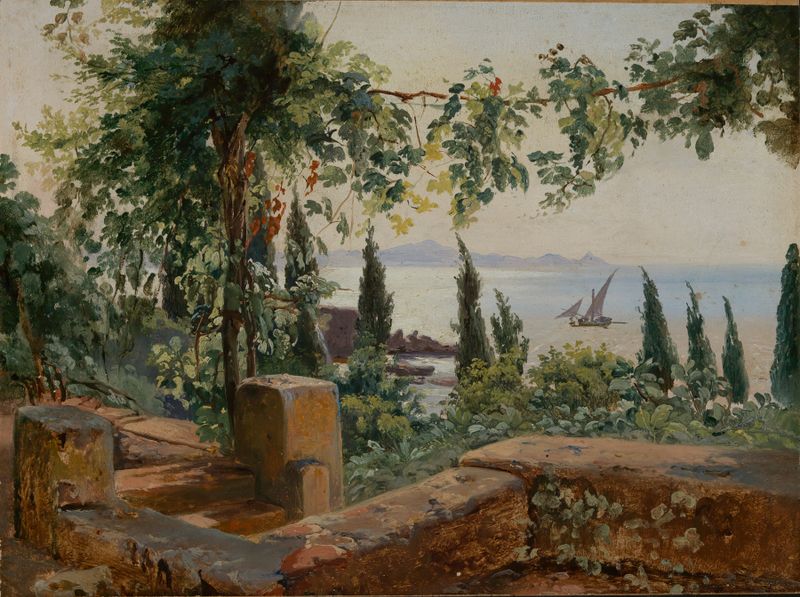
Italienische Landschaftsstudie mit Blick auf das Meer
Johann Baptist Kirner
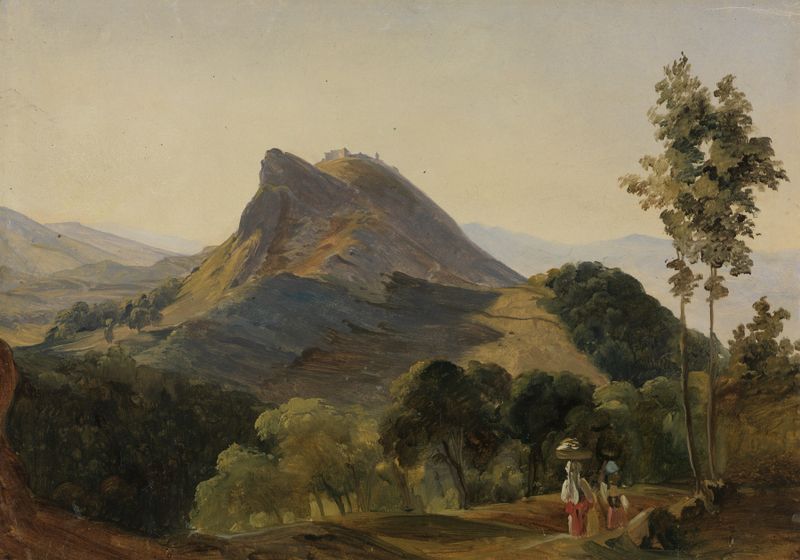
Blick von Norden auf Civitella
Johann Baptist Kirner
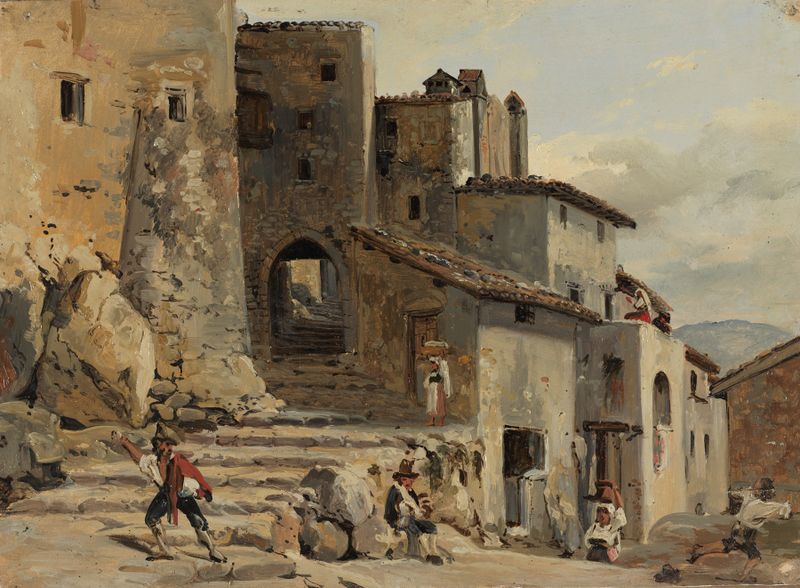
Treppenstrasse in einem italienischen Bergdorf
Johann Baptist Kirner
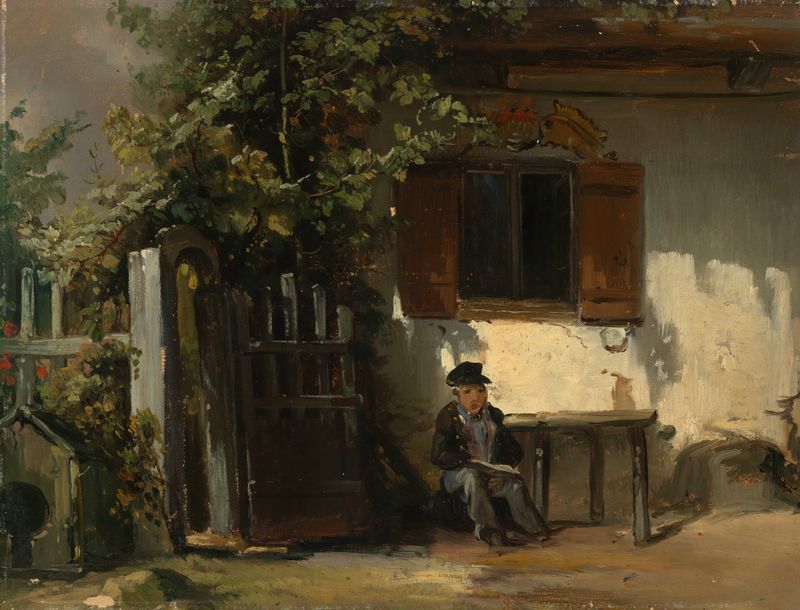
An der Gartentür
Johann Baptist Kirner
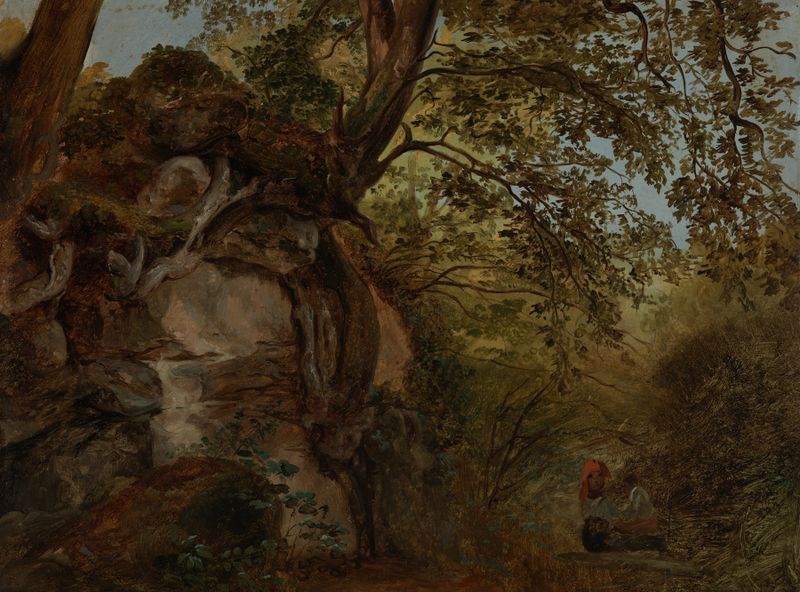
Baumstudie
Johann Baptist Kirner
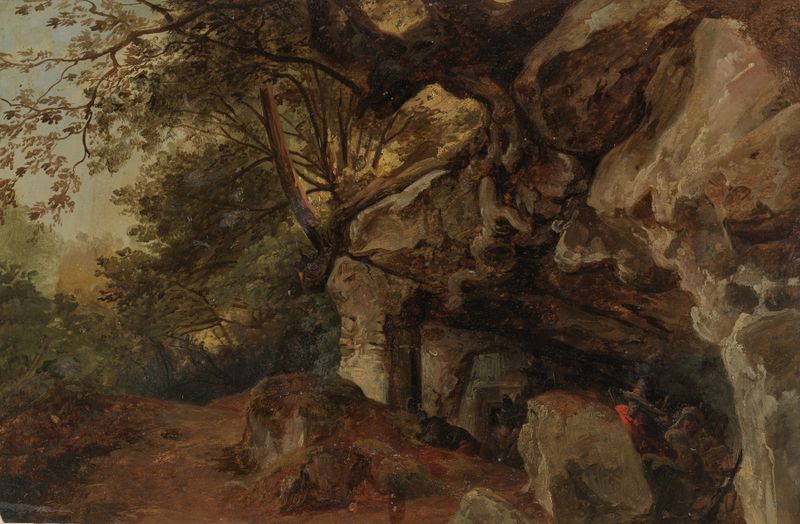
In einem Hinterhalt lauernde Räuber mit vor die Gesichter gebundenen Tüchern
Johann Baptist Kirner





