
Blick von Norden auf Civitella — History & Facts
Can beauty exist without sorrow? In Blick von Norden auf Civitella, the answer hangs in the air like the soft whisper of twilight over a crumbling landscape. Focus on the foreground, where the weathered ruins stand resolute against the vibrant hues of dusk. Notice how Kirner masterfully contrasts the warm, glowing oranges and yellows of the sky with the cool, muted tones of stone, inviting exploration of the interplay between light and decay. The delicate brushwork captures the texture of the old walls, suggesting a once-vibrant life now softened by time.
Look to the horizon, where the distant hills cradle the fading sun, hinting at the eternal cycle of life and loss. Hidden within the layers of this landscape are themes of nostalgia and resilience. The decaying structures evoke a sense of longing, a reminder of what once was, while simultaneously celebrating the beauty found in wear and weathering. Each crack and crevice tells a story, a silent testament to history, as shadows loom over the remnants of human endeavor.
The juxtaposition of the natural landscape against the man-made ruins deepens the emotional resonance, highlighting the transient nature of existence. During the years 1832 to 1837, Kirner was immersed in the Romantic movement, seeking to capture the sublime beauty of nature and the poignant traces of humanity within it. This period was marked by significant political and social upheaval in Europe, as artists grappling with the past sought to express a deeper connection to their surroundings. The tranquil yet melancholic essence of this work reflects his engagement with the emotional landscape of his time.
More Artworks by Johann Baptist Kirner
Browse all →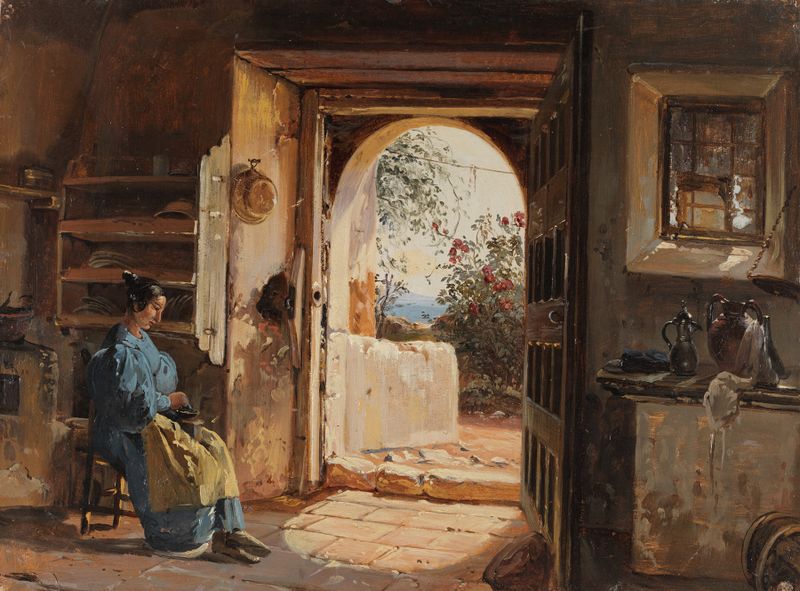
Italienische Stube mit einer sitzenden, Kaffee mahlenden Frau, die den Blick auf Garten und Meer freigibt
Johann Baptist Kirner
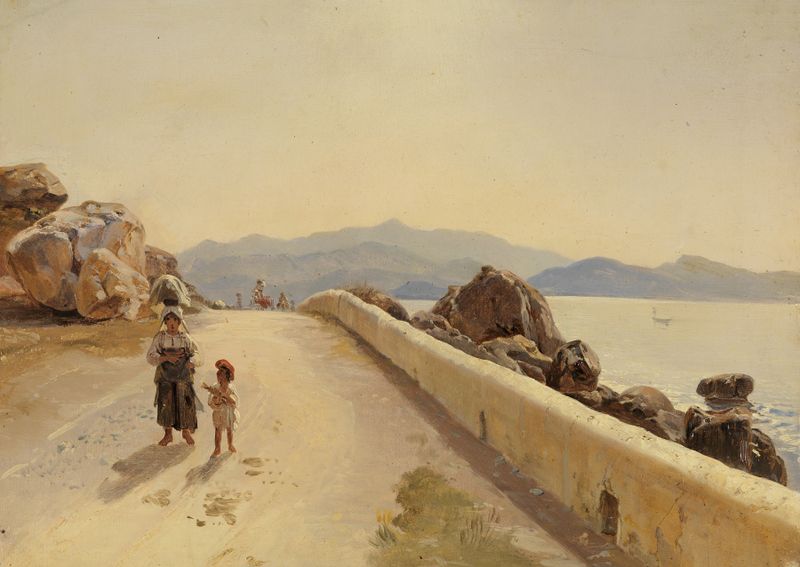
Italienischer Küstenweg
Johann Baptist Kirner
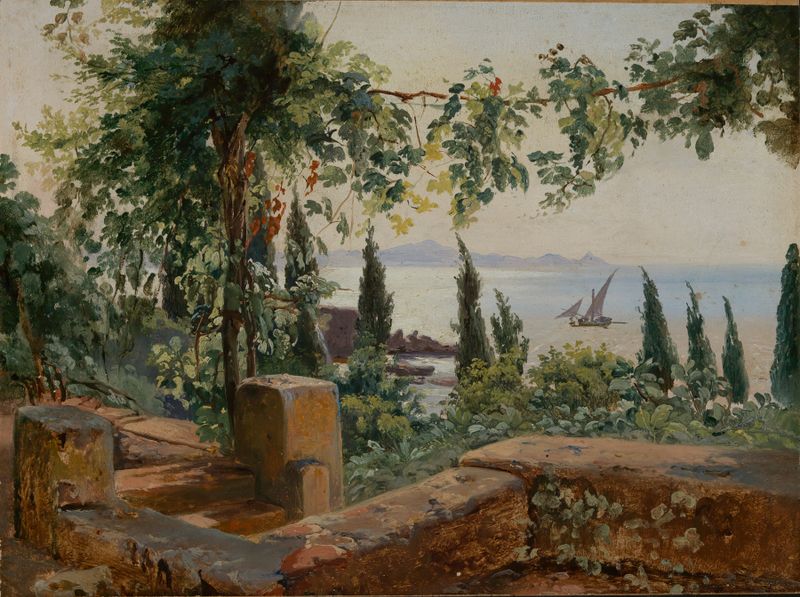
Italienische Landschaftsstudie mit Blick auf das Meer
Johann Baptist Kirner
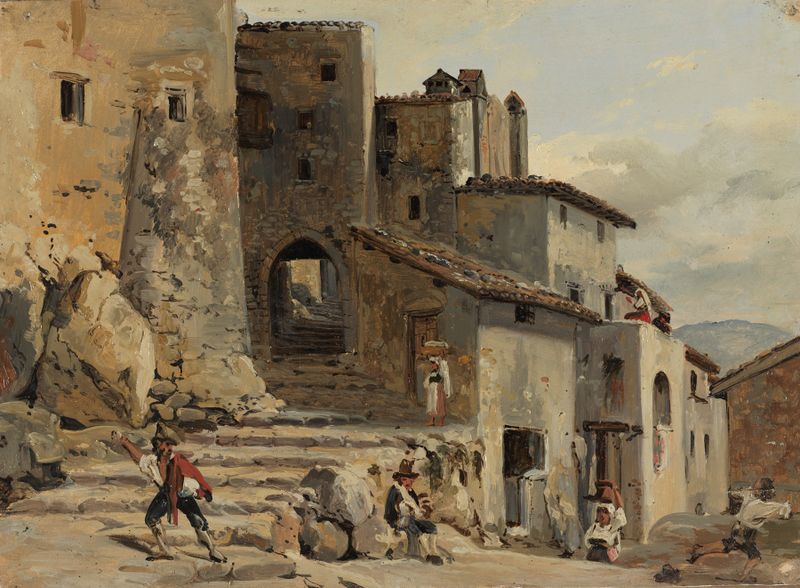
Treppenstrasse in einem italienischen Bergdorf
Johann Baptist Kirner
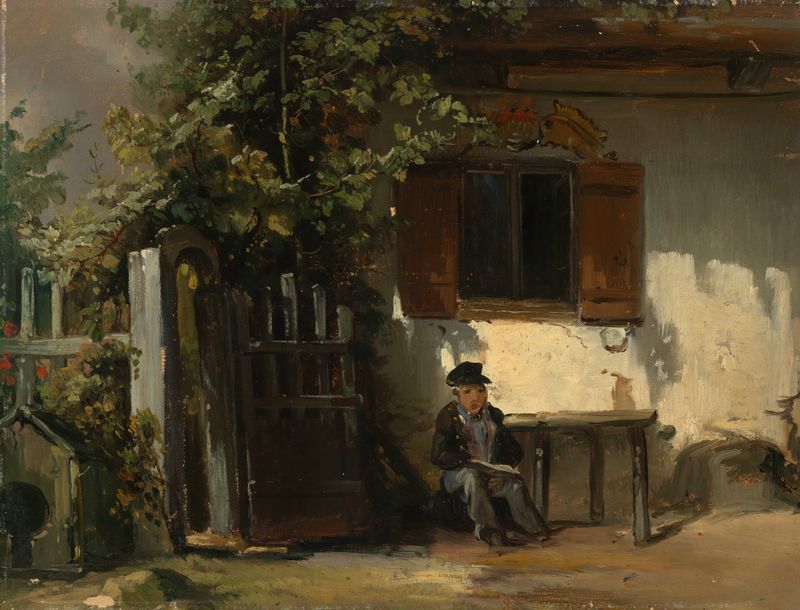
An der Gartentür
Johann Baptist Kirner
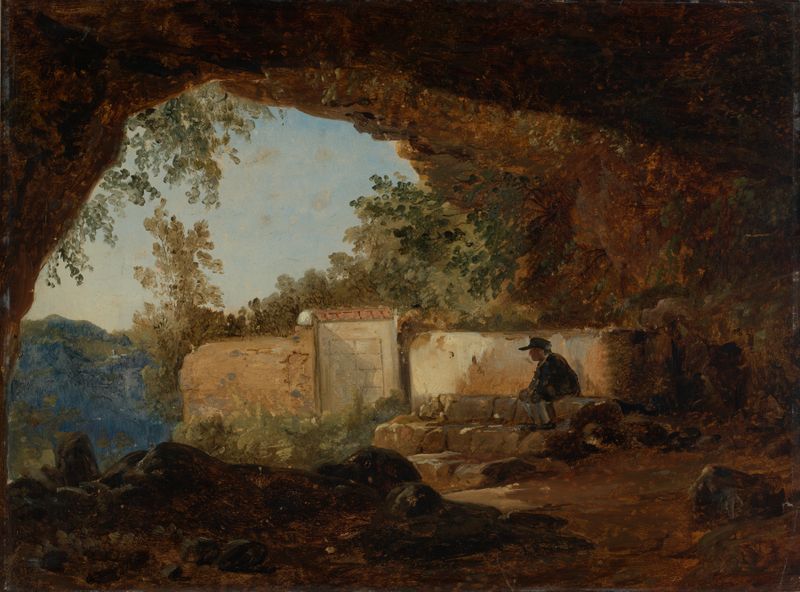
Grotte
Johann Baptist Kirner
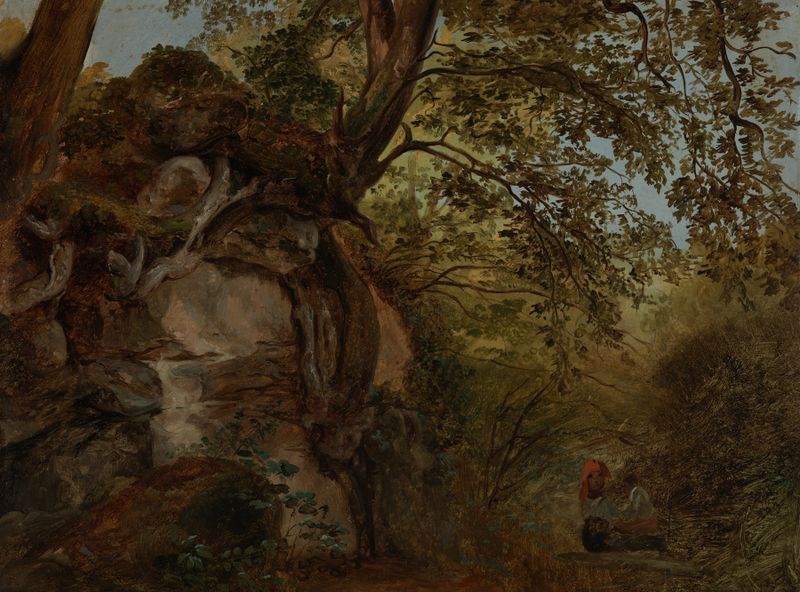
Baumstudie
Johann Baptist Kirner
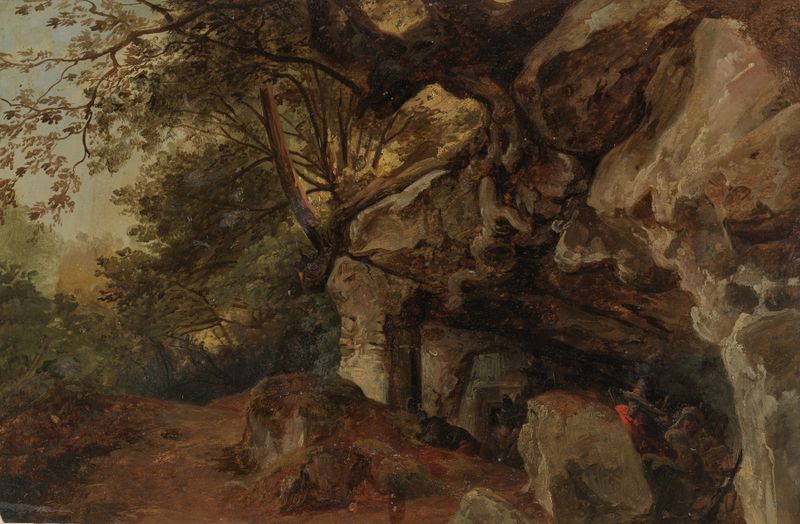
In einem Hinterhalt lauernde Räuber mit vor die Gesichter gebundenen Tüchern
Johann Baptist Kirner





