
An Indian Paradise (Green River, Wyoming) — History & Facts
Who listens when art speaks of silence? In An Indian Paradise (Green River, Wyoming), the landscape whispers secrets of obsession, inviting contemplation of nature's profound beauty. Look to the center, where the river winds like a silver ribbon, drawing the eye through the lush, verdant valley. Notice how the warm hues of green contrast sharply with the cool blues of the sky, a masterful play of color that evokes both tranquility and yearning. The brushwork, soft yet deliberate, captures the essence of the landscape while hinting at the fleeting moments within nature.
Each stroke conveys an intimacy with the scene, inviting viewers to become lost in this idyllic realm. Beneath the beauty lies a tension between the serene landscape and the solitude it evokes. The distant mountains loom, guardians of the valley, suggesting an everlasting presence that contrasts with the transient nature of human obsession. The delicate interplay of light and shadow accentuates the depth of the scene, reflecting the artist's longing for connection with both land and spirit.
Hidden figures within the foliage serve as reminders of ephemeral life, calling forth questions of permanence and transience. Created in 1911, this artwork emerged during a pivotal time in Thomas Moran's life as he consolidated his role as a leading figure in American landscape painting. Working in his studio, he reflected on the beauty of the American West amid growing national interest in conservation. His works not only celebrated nature but also urged society to appreciate and preserve its splendor, resonating deeply in a world increasingly dominated by industrialization.
More Artworks by Thomas Moran
Browse all →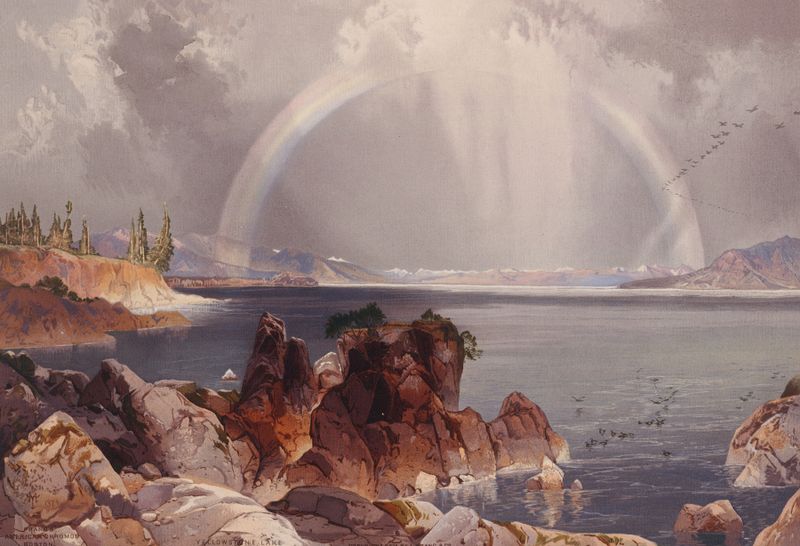
Yellowstone Lake
Thomas Moran

Grand Canyon of the Colorado River
Thomas Moran

Grand Canyon, Colorado River
Thomas Moran

The Towers of Tower Falls, Yellowstone
Thomas Moran
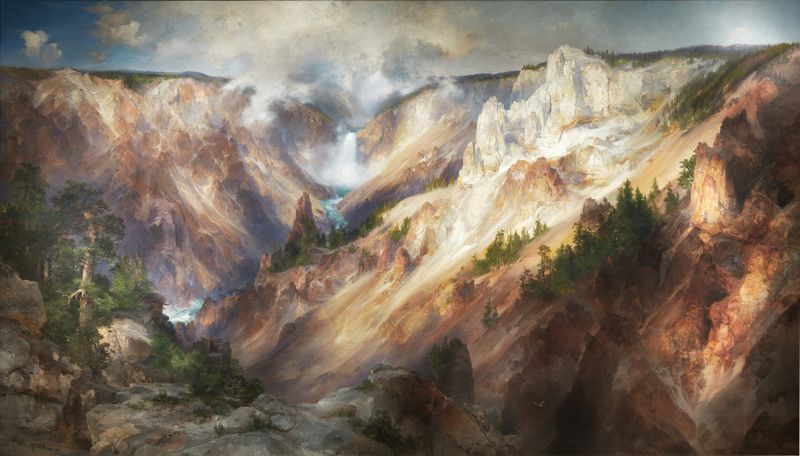
The Grand Canyon Of The Yellowstone
Thomas Moran

Mountain of the Holy Cross
Thomas Moran

Cliffs Of The Upper Colorado River, Wyoming Territory
Thomas Moran
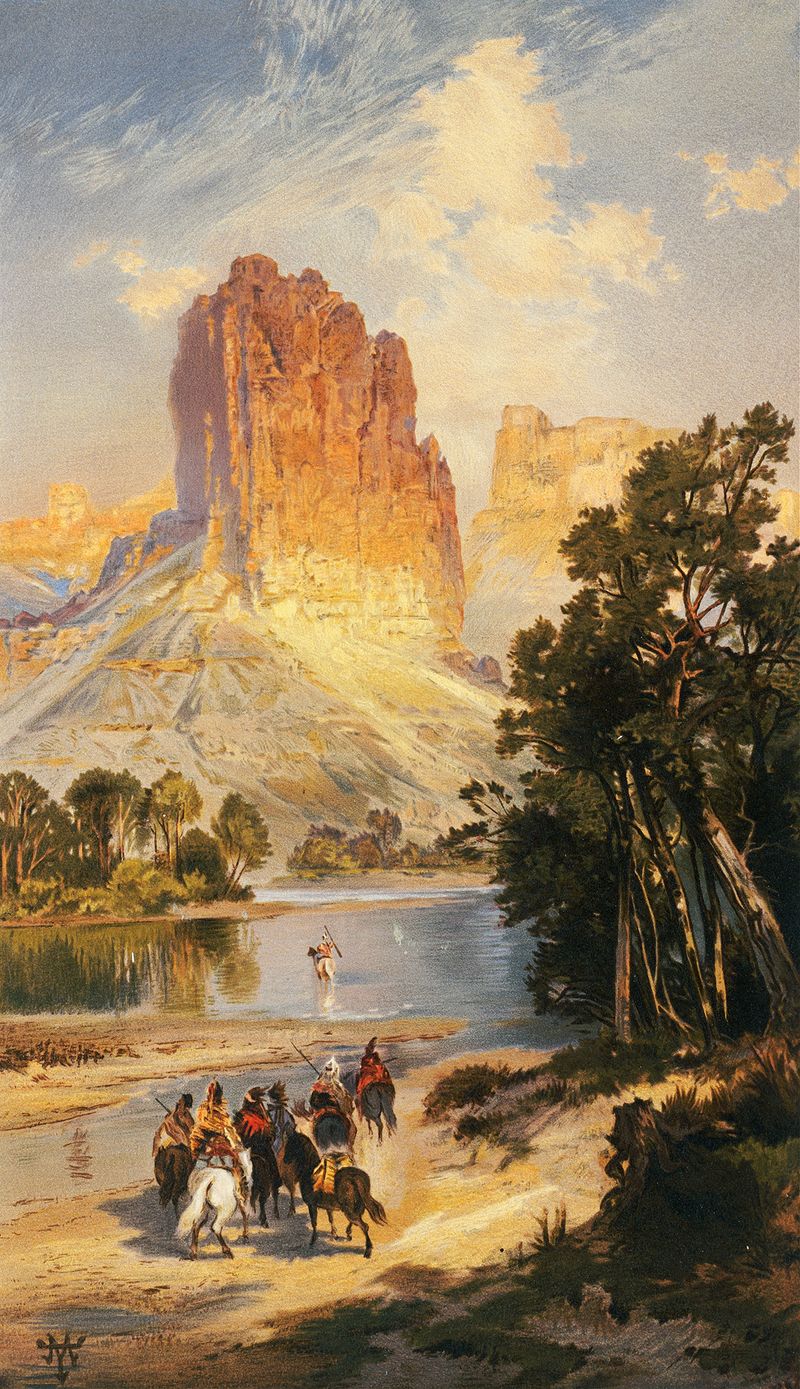
Cliffs of the Upper Colorado River, Wyoming Territory
Thomas Moran

Mammoth Hot Springs, Yellowstone
Thomas Moran
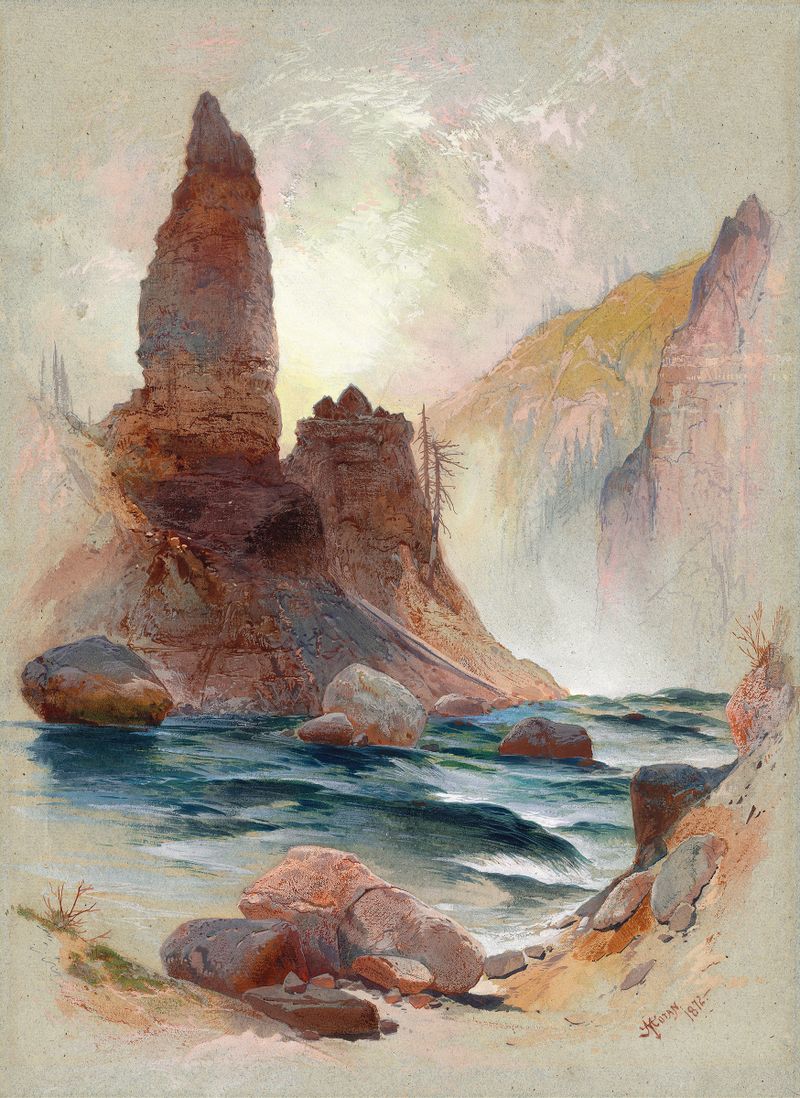
Tower at Tower Falls, Yellowstone
Thomas Moran





