
An Overshot Mill — History & Facts
In An Overshot Mill, beauty transcends the mundane, inviting us to appreciate the delicate interplay between nature and human ingenuity. Look closely at the majesty of the windmill positioned in the center, its weathered wooden blades poised against a gentle sky. Notice how the light streams in from the left, casting soft shadows that dance around the mill's base, highlighting the intricate texture of the stone and wood. The surrounding landscape, alive with verdant greens and earthy browns, envelops the structure, creating a harmonious balance between the engineered and the organic.
The palette speaks volumes, with muted tones evoking a sense of nostalgia, drawing the viewer into a serene moment suspended in time. As you explore further, subtle contrasts emerge: observe the stark division between the motion of the water flowing underneath and the stillness of the mill above. This juxtaposition is a commentary on the passage of time and the evolution of industry—a beautiful reminder of nature’s persistent rhythm against man's fleeting interventions. Each brushstroke serves as a memory, affirming the artist's reverence for the beauty inherent in both the natural and constructed worlds. At the turn of the 19th century, James Ward created this piece in a climate of burgeoning industrialization, reflecting both a fascination with landscapes and the machines that altered them.
Painted between 1802 and 1807, it captures a moment when artists began to grapple with the implications of progress. Ward, known for his detailed attention to nature and machinery, was part of a broader dialogue in art that sought to reconcile beauty with the changing world.
More Artworks by James Ward
Browse all →
View near Swansea, South Wales
James Ward
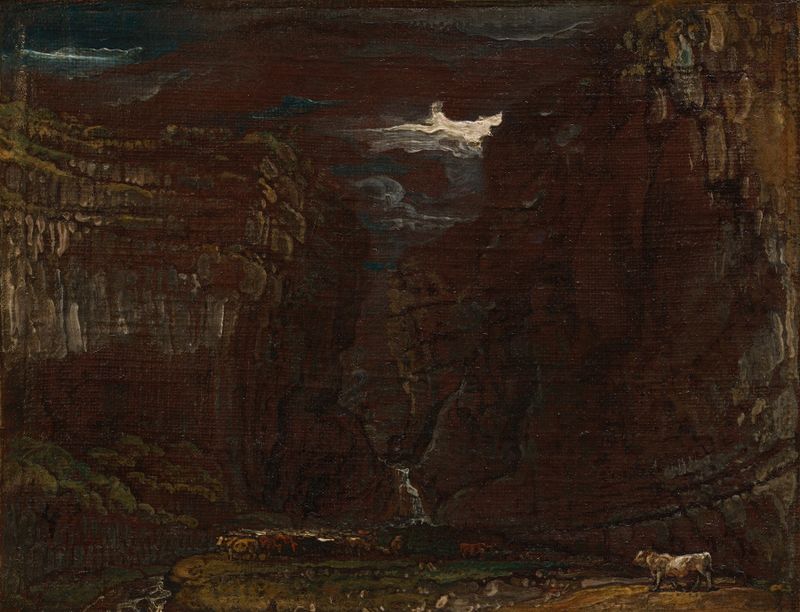
Sketch for ‘Gordale Scar’
James Ward
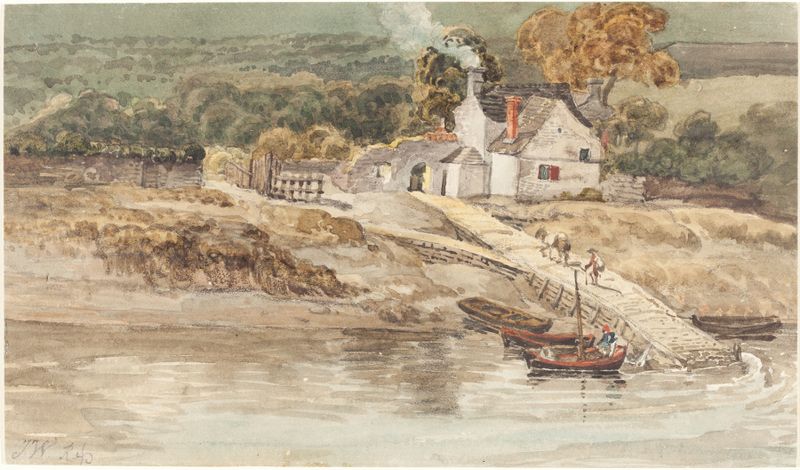
Landing Place near Tintern Abbey
James Ward

Landscape with Cottages
James Ward
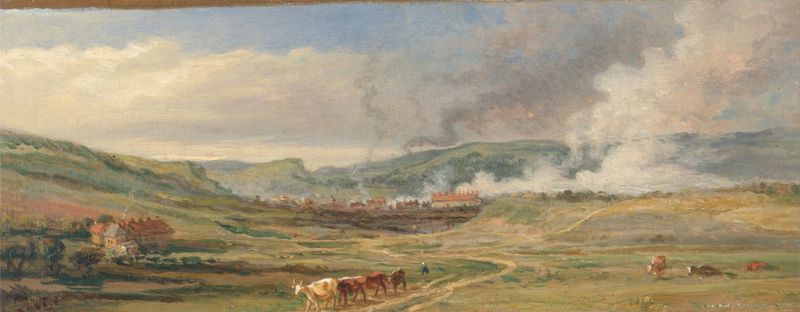
Landscape near Swansea, South Wales
James Ward

Fitzhead in Somerset, with an ox-cart near a lime kiln, and Glastonbury Tor in the distance
James Ward
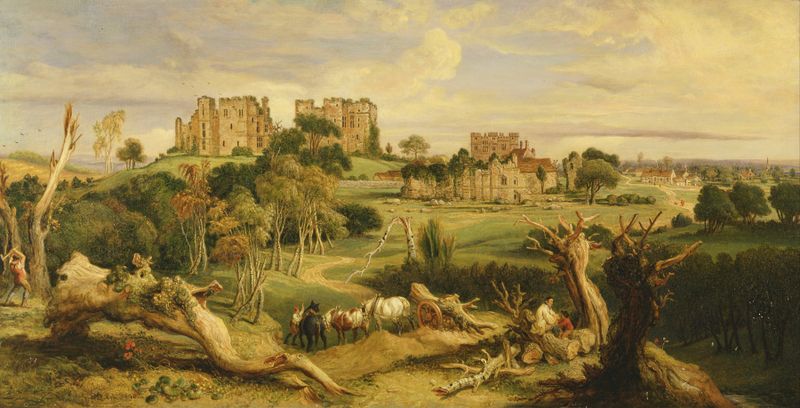
Kenilworth Castle, Warwickshire
James Ward
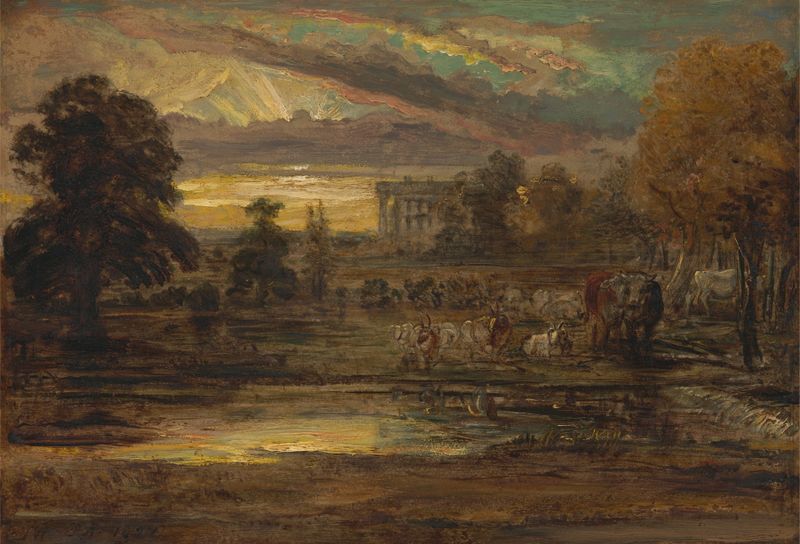
Cattle at a Pool at Sunrise
James Ward

An oak tree in Richmond Park with a herd of fallow deer beside it
James Ward
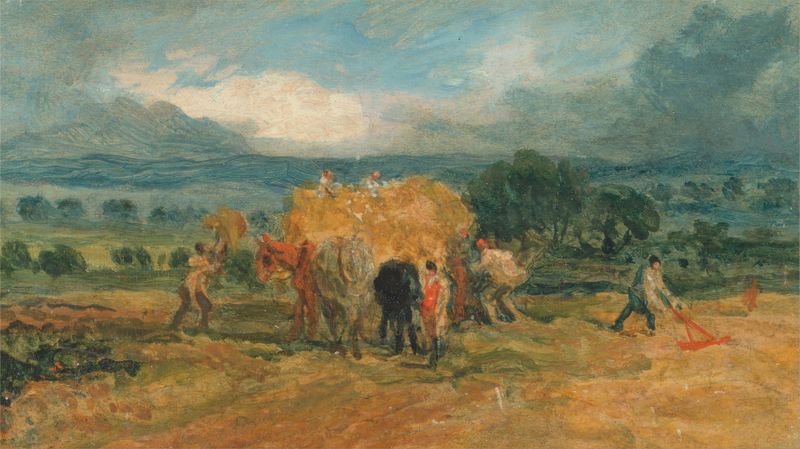
A Harvest Scene with Workers Loading Hay on to a Farm Wagon
James Ward





