
Landing Place near Tintern Abbey — History & Facts
Did the painter know this moment would outlive them? The vivid colors of the landscape seem to whisper the eternal call of nature, capturing a moment steeped in both tranquility and transition. Look to the foreground, where the gentle brushstrokes capture the shimmering waves of the River Wye, reflecting a symphony of blues and greens. Notice how they contrast with the rich, earthy hues of the wooded hills that rise majestically in the background. The composition draws the viewer’s gaze towards the majestic ruins of Tintern Abbey, standing as a testament to both human endeavor and the inexorable passage of time, its stone structure softened by the lush greenery enveloping it. In this work, the interplay of light and shadow evokes a sense of nostalgia, as if every element is caught in a delicate dance between remembrance and the present.
The careful layering of color not only highlights the beauty of the landscape but also hints at the emotional weight of history; the abbey, a monument to faith and human ambition, stands quietly amidst nature's embrace, evoking feelings of loss and continuity. Painted around 1802, at a time when Romanticism was gaining traction, the artist created this piece during a period marked by a profound appreciation for the sublime in nature and the ruins of the past. Ward's focus on capturing the haunting beauty of the Welsh landscape reflected broader artistic shifts that sought to explore the emotional connections between humanity and the natural world. In a way, this artwork embodies the spirit of its age, inviting viewers to contemplate their place within it.
More Artworks by James Ward
Browse all →
View near Swansea, South Wales
James Ward
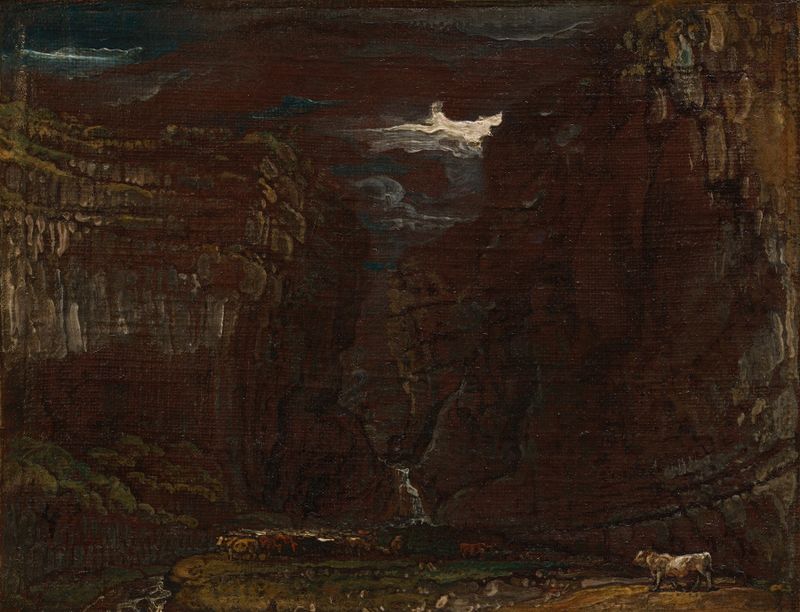
Sketch for ‘Gordale Scar’
James Ward

Landscape with Cottages
James Ward
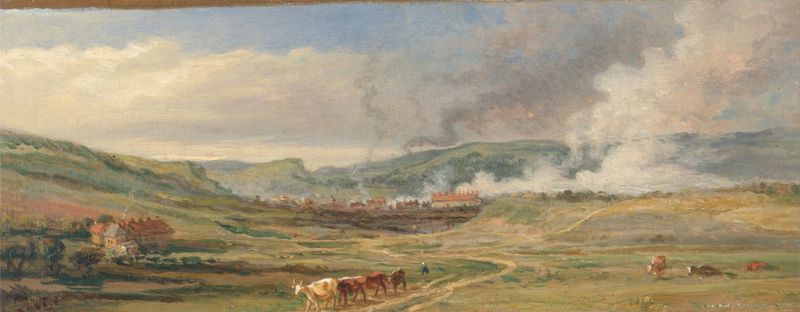
Landscape near Swansea, South Wales
James Ward

Fitzhead in Somerset, with an ox-cart near a lime kiln, and Glastonbury Tor in the distance
James Ward
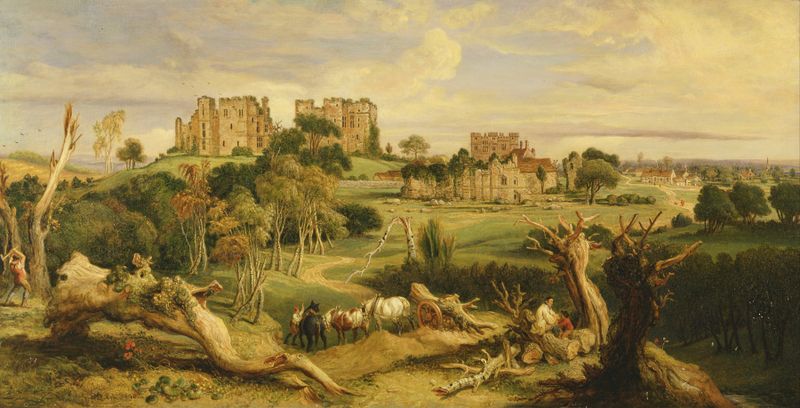
Kenilworth Castle, Warwickshire
James Ward

An Overshot Mill
James Ward
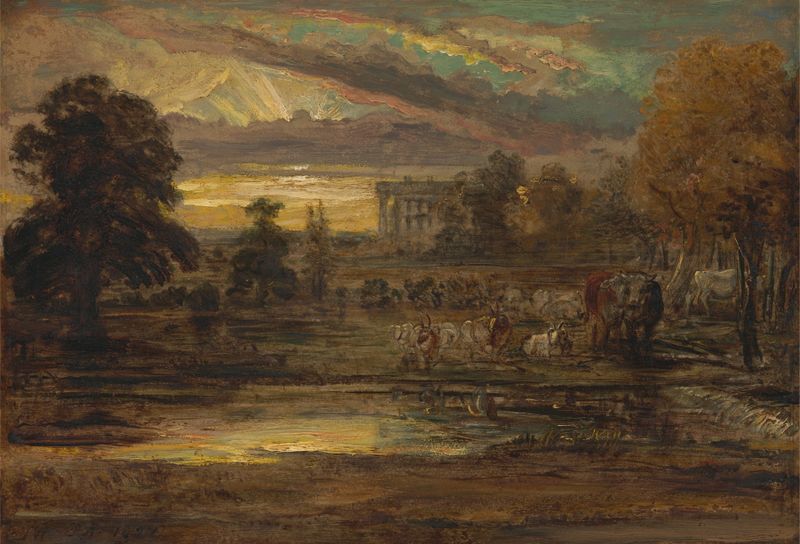
Cattle at a Pool at Sunrise
James Ward

An oak tree in Richmond Park with a herd of fallow deer beside it
James Ward
A Harvest Scene with Workers Loading Hay on to a Farm Wagon
James Ward





