Anatomical Studies — History & Facts
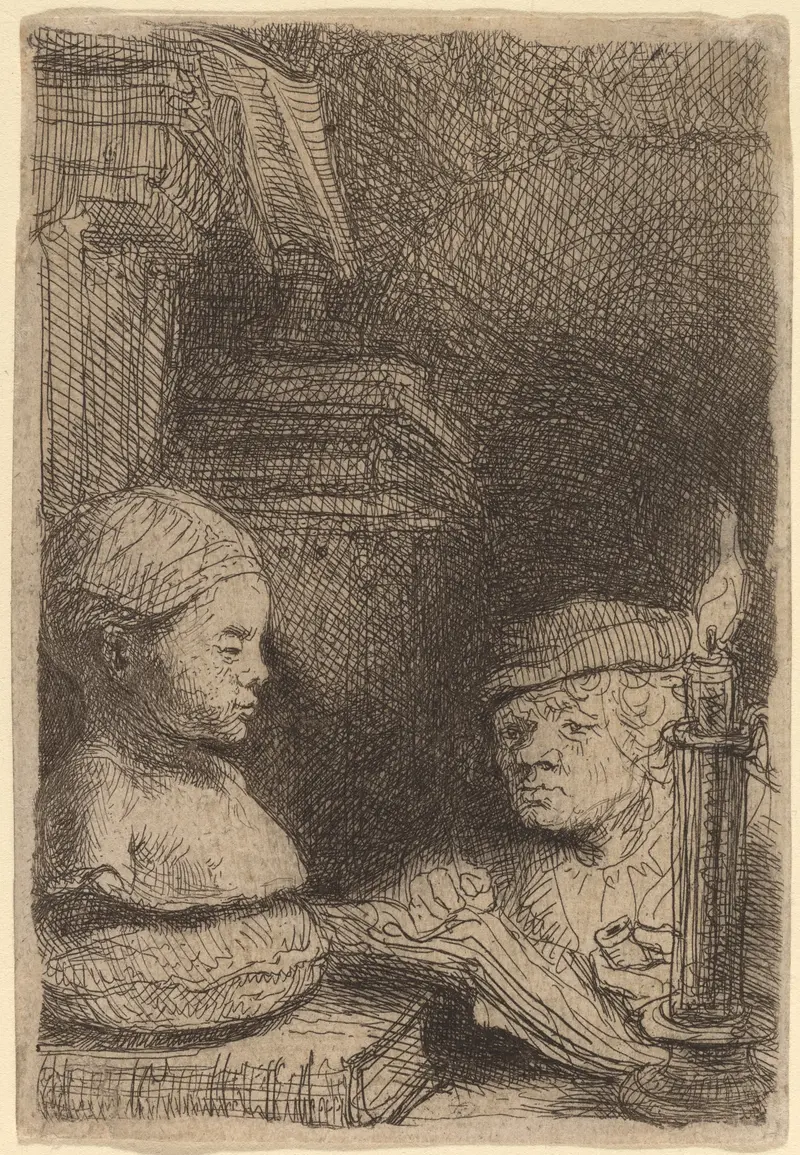
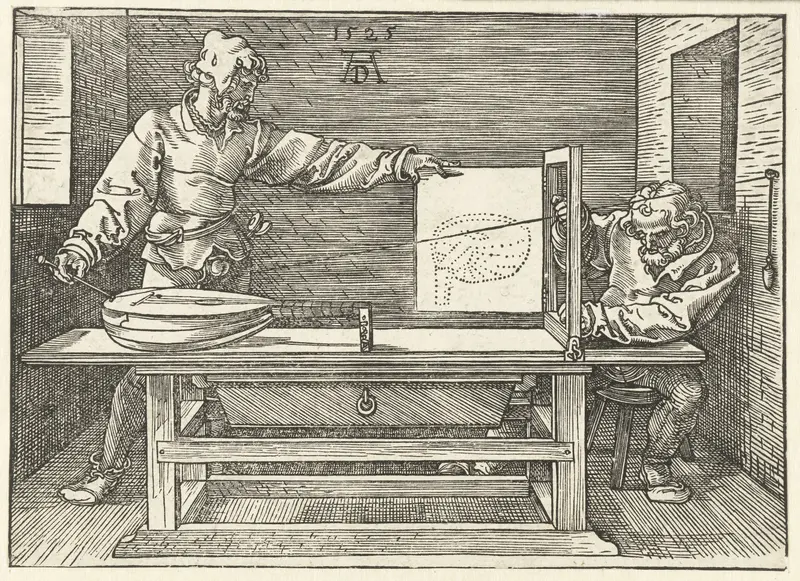
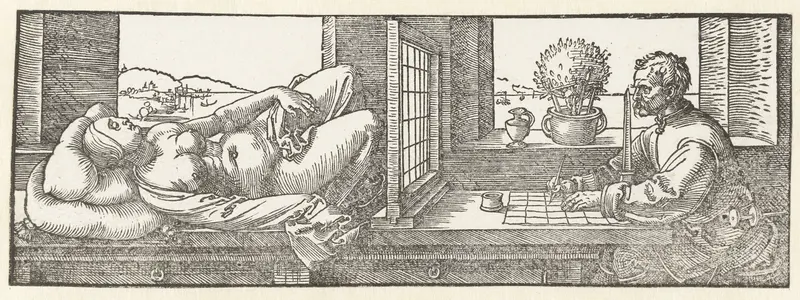
Anatomical Studies features a series of detailed sketches showcasing human anatomy. The drawings depict various muscles and bones, rendered with precision and care. Rubens uses fine lines and shading to create depth and dimension in the figures.
The overall tone is a mix of soft sepia and dark ink, giving the work a classic feel. If you look closely, you can see the intricate details of each muscle group, highlighted by careful cross-hatching techniques. The anatomical accuracy reflects Rubens' deep understanding of the human body, likely influenced by his studies of cadavers. Each figure is posed in a way that emphasizes their anatomical structure, making it a valuable resource for artists and students alike.
The sketches are not just technical but also carry a sense of life and movement. Peter Paul Rubens was a prominent Flemish artist known for his vibrant and dynamic style during the Baroque period. He created these anatomical studies in the early 1610s, a time when artists were increasingly interested in the human form. Rubens' work often combined realism with dramatic expression, making him a key figure in art history.
Interestingly, these studies were not just for artistic purposes; they also served as educational tools for aspiring artists.
More Artworks by Peter Paul Rubens

The Coronation of Henri IV
Peter Paul Rubens

Portrait de Marie de Médicis
Peter Paul Rubens

Apollo and Daphne
Peter Paul Rubens

Anne of Austria, Queen of France
Peter Paul Rubens

Bacchus and Ariadne
Peter Paul Rubens

Christ on the Cross with Maria, Mary Magdalene and St John
Peter Paul Rubens

Equestrian portrait of Charles Colonna, Duke of Marsi
Peter Paul Rubens

Hippomenes and Atalanta
Peter Paul Rubens

Perseus and Andromeda
Peter Paul Rubens

Meleager and Atalanta and the Hunt of the Calydonian Boar
Peter Paul Rubens