
Ancienne poterne du Palais de Justice, quai des Orfèvres — History & Facts
In the quiet ecstasy of captured moments, a painter's brush evokes memories that dance just beyond the horizon of our fleeting lives. Focus on the intricate archway on the left, where shadows mingle with the warm glow of light filtering through the ancient stone. Notice how Delauney employs soft, muted tones to create a sense of nostalgia, inviting the viewer to linger in the calm allure of the Palais de Justice. The meticulous detailing of the textured walls and the gentle ripples of the water below draw your eye, revealing a passage between the past and the present.
Each stroke articulates the solidity of history while suggesting an almost ethereal quality in the water’s movement, bridging two worlds. Within the scene, a delicate tension unfolds; the solidity of the structure contrasts with the ephemeral reflections on the water's surface. The interplay between light and dark hints at the transient nature of time, as the architecture stands steadfast against the currents of change. There’s a sense of longing woven into the fabric of the composition, as if the artist wishes to hold onto memories that might otherwise fade away.
The scene becomes a meditation on permanence and fleeting beauty, inviting viewers to embrace the ecstasy of reminiscence. Delauney painted this work in 1866, during a period of significant artistic exploration in France. The mid-19th century was marked by the rise of realism and impressionism, movements that sought to depict everyday life with authenticity. At this time, the artist was immersed in the vibrant Parisian art scene, wrestling with the tension between traditional techniques and the transformative power of light, a journey reflected in this captivating portrayal of architectural grace.
More Artworks by Alfred Alexandre Delauney
Browse all →
Eglise St-Etienne du Mont, côté nord
Alfred Alexandre Delauney
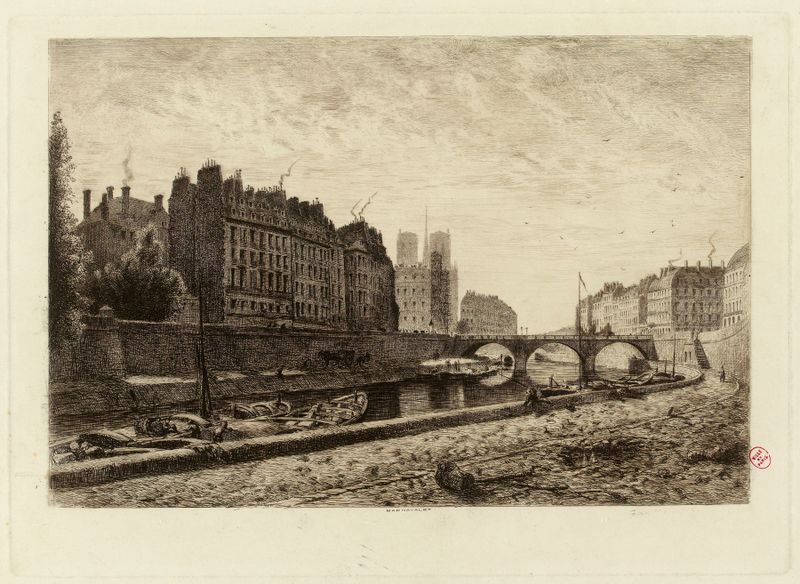
Pont St-Michel
Alfred Alexandre Delauney
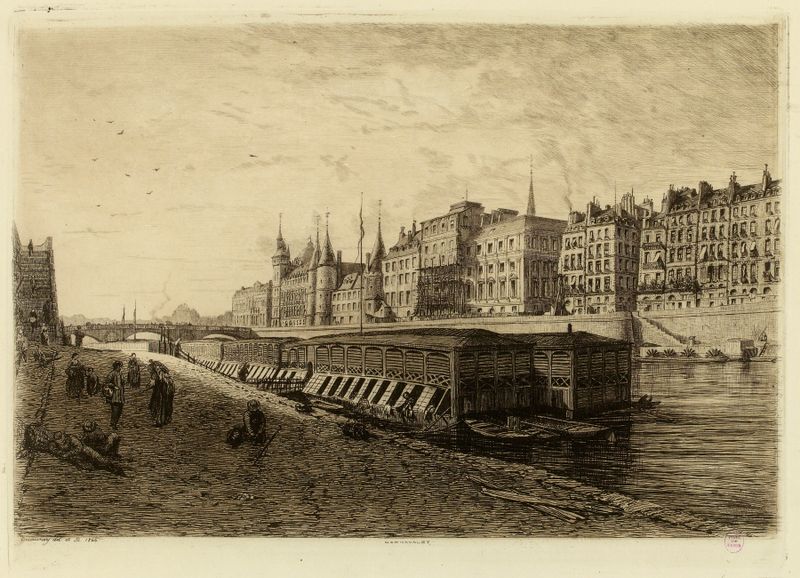
Quai de l’Horloge
Alfred Alexandre Delauney
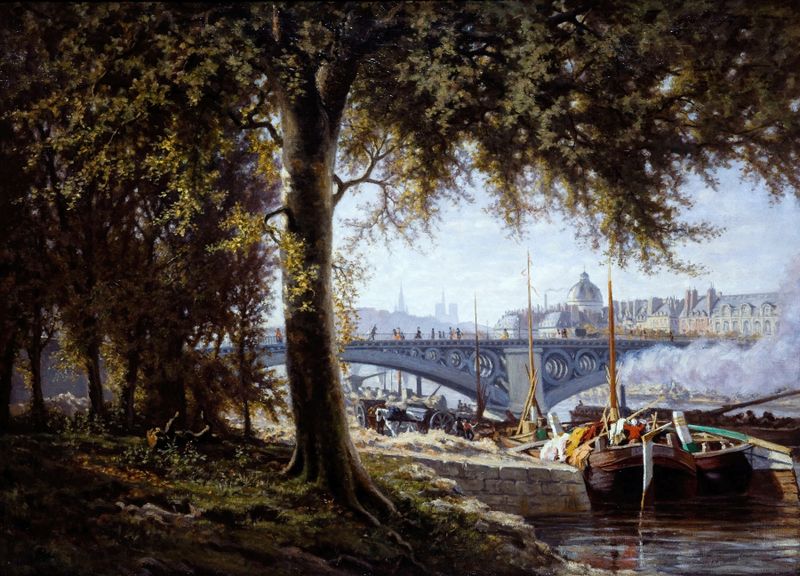
Le Pont des Saints-Pères
Alfred Alexandre Delauney

Pont-Neuf et quai Conti
Alfred Alexandre Delauney
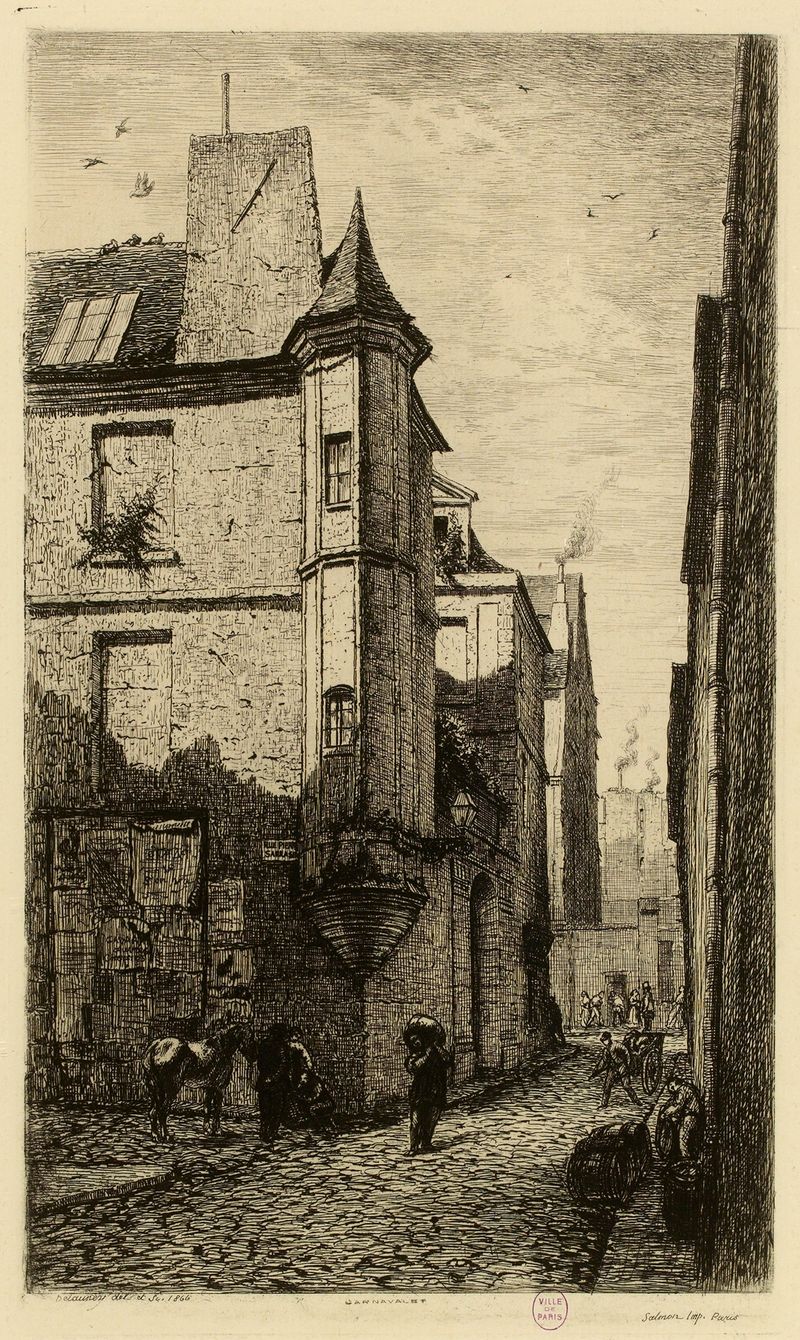
Tourelle rue Hautefeuille
Alfred Alexandre Delauney
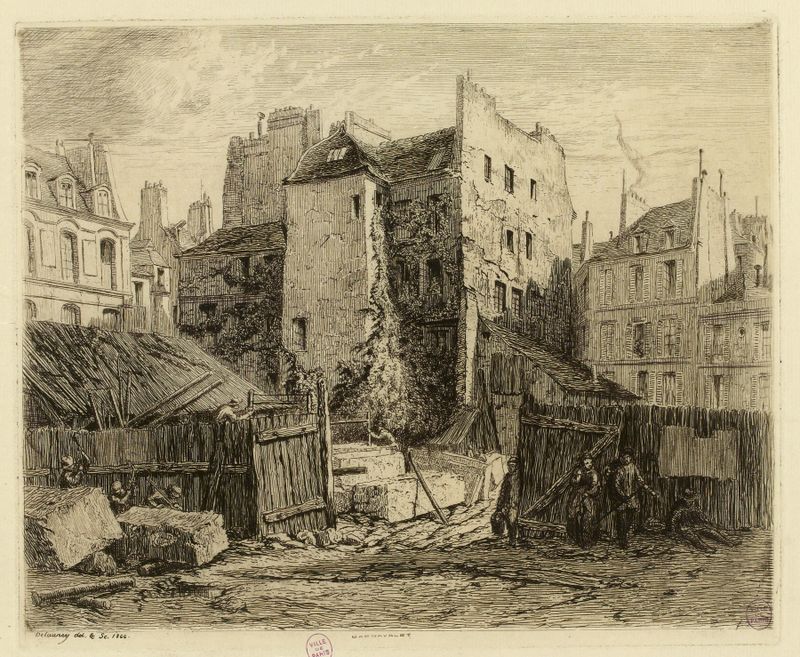
Maisons rue du Cloître Notre-Dame
Alfred Alexandre Delauney
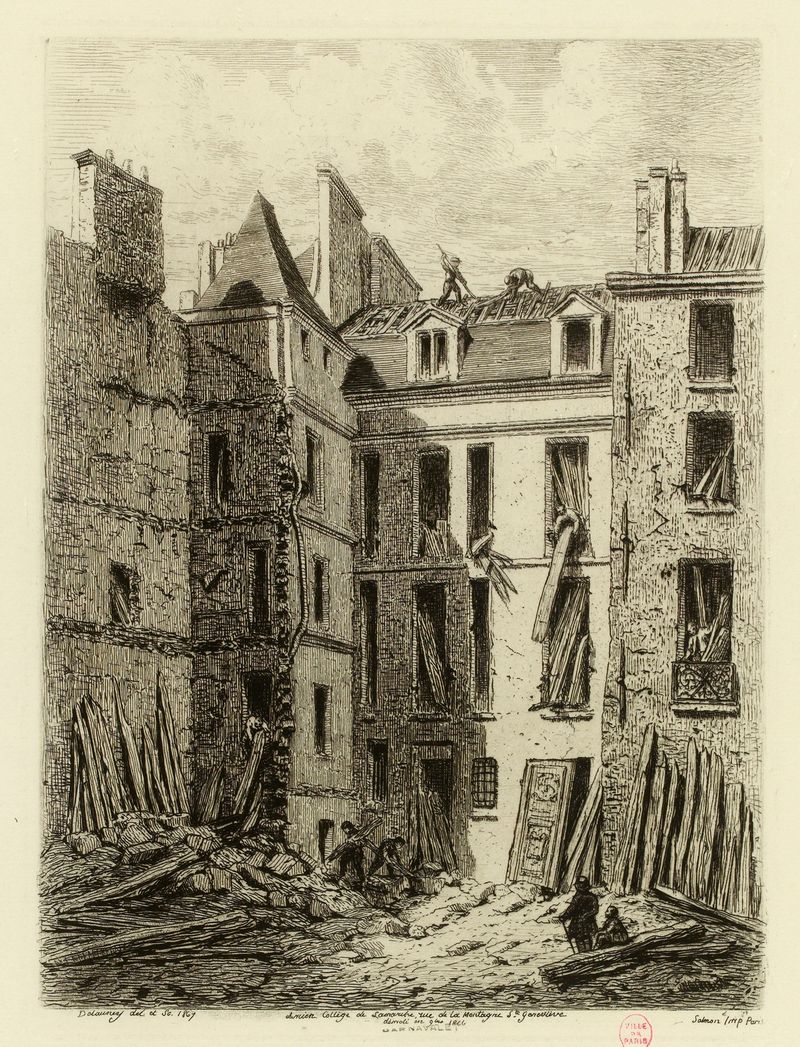
Ancien collège de Lamarche rue de la Montagne Ste-Geneviève, démoli en octobre 1866
Alfred Alexandre Delauney

Rue Grenier sur l’eau à Paris
Alfred Alexandre Delauney
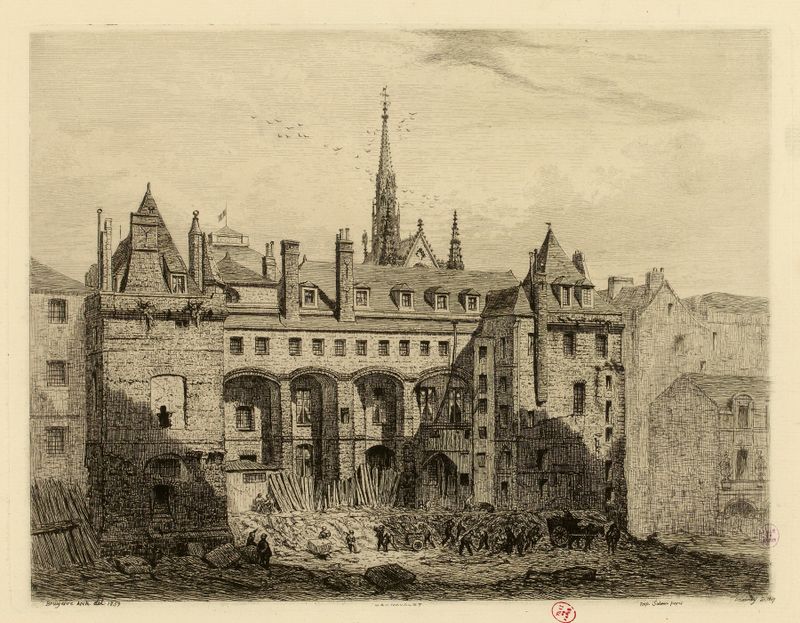
Cour Lamoignon ou St-Martin au Palais de Justice
Alfred Alexandre Delauney
More Architecture Art
Browse all →
The statue of Liberty
Frédéric Auguste Bartholdi

View of Houses in Delft, Known as ‘The Little Street’
Johannes Vermeer

View of Houses in Delft, Known as ‘The Little Street’
Johannes Vermeer

The Cathedral in Rouen. The portal, Grey Weather
Claude Monet

The yellow house
Vincent van Gogh

The Church in Auvers-sur-Oise, View from the Chevet
Vincent van Gogh