
Ancient caves near Rome — History & Facts
Can paint confess what words never could? In Ancient caves near Rome, the raw essence of nature’s violence is captured in a silent, haunting tableau that invites contemplation. Look closely at the interplay of light and shadow as it dances across the jagged rocks and deep crevices. The earthy browns and ochres dominate the palette, evoking a sense of primal energy, while hints of grey and blue suggest the coolness of impending dusk. Notice how the artist masterfully composes the scene: the winding path draws the eye toward the depths of the cave, a promise of secrets hidden within the stone.
Every brushstroke seems imbued with the weight of history, urging the viewer to confront the stark beauty and menace of this ancient landscape. Beneath the surface lies a tension between tranquility and threat. The caves, symbolic of shelter, also hint at concealment—perhaps of violence and the tumultuous past they have witnessed. The stark contrast between the stark, rugged forms of the cliffs and the softness of the surrounding vegetation echoes the duality of nature’s brutality and serenity.
Each element is a reminder of the stories etched in stone, evoking a visceral response to both beauty and foreboding. In the early years of the 1850s, the artist found inspiration in the alluring landscapes surrounding Rome. This was a time of profound change in the art world, as Romanticism began to yield to Realism. Blaschnik, fascinated by the interplay of history and nature, sought to encapsulate the violent echoes of the past through his brush.
This work reflects his desire to bridge the gap between the ancient and the contemporary, infusing the rugged Italian landscape with a sense of unspoken drama.
More Artworks by Arthur Blaschnik
Browse all →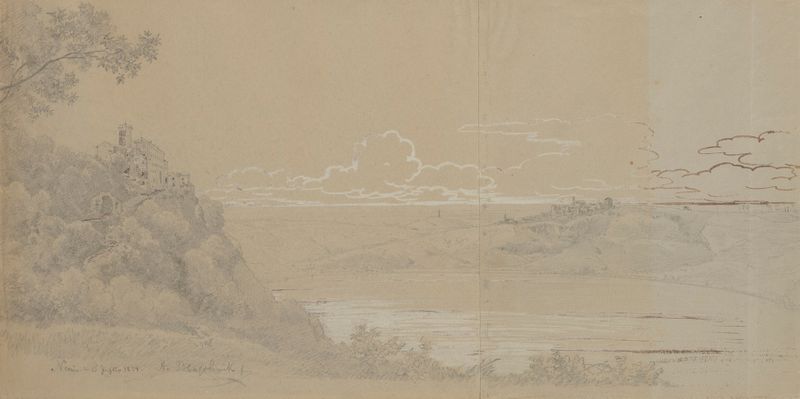
Palazzo Ruspoli by Lake Nemi, in the Distance the Town of Genzano di Roma
Arthur Blaschnik
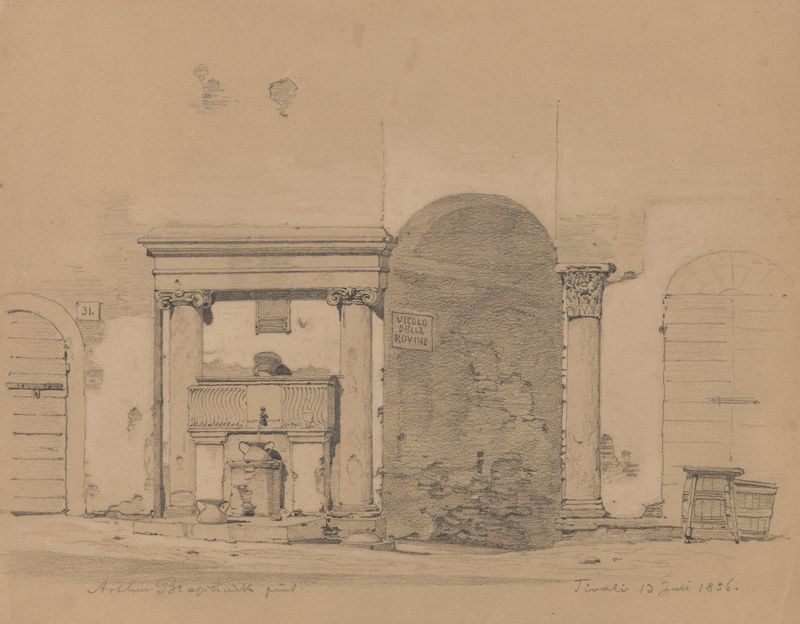
Gate Leading to Vicoli dei Grana near Piazza Palatina in Tivoli
Arthur Blaschnik
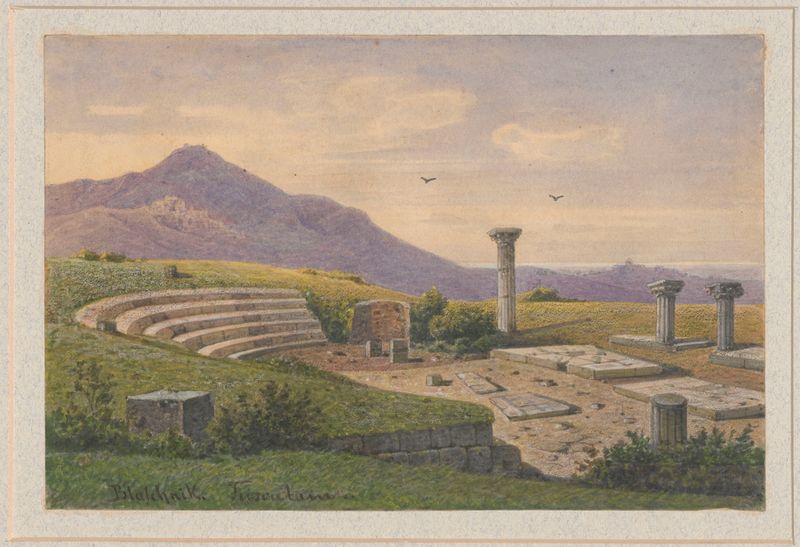
Amphitheatre in Tusculum
Arthur Blaschnik
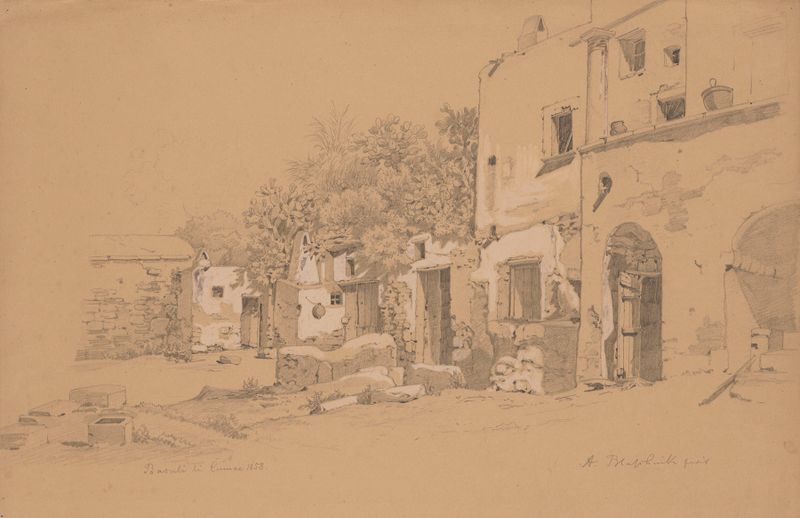
House and Outbuildings in Bacoli
Arthur Blaschnik
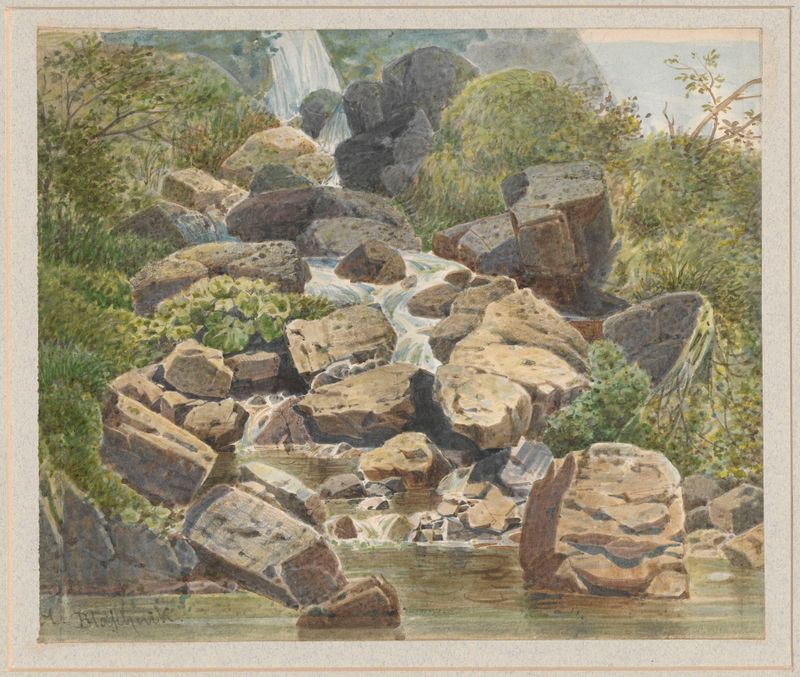
View of a small waterfall near Covigliaio, Tuscany
Arthur Blaschnik
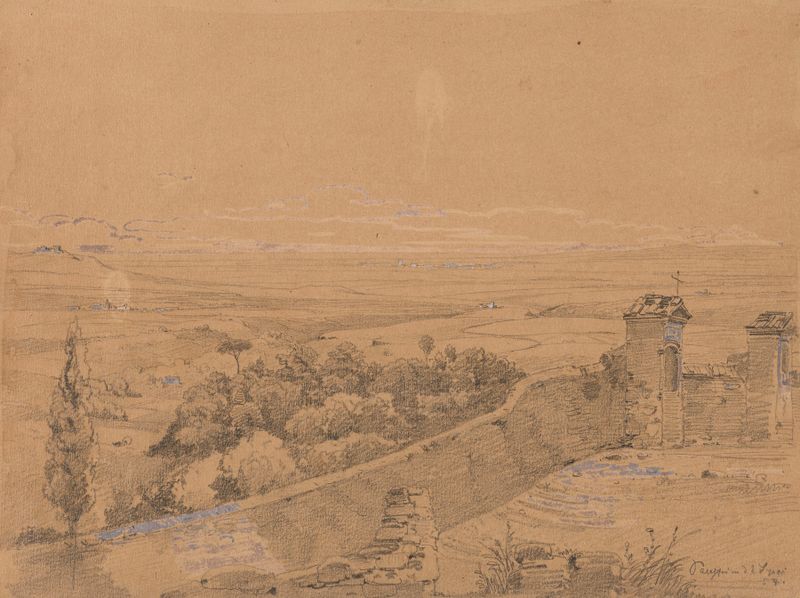
Landscape from the Vicinity of Palestrina
Arthur Blaschnik
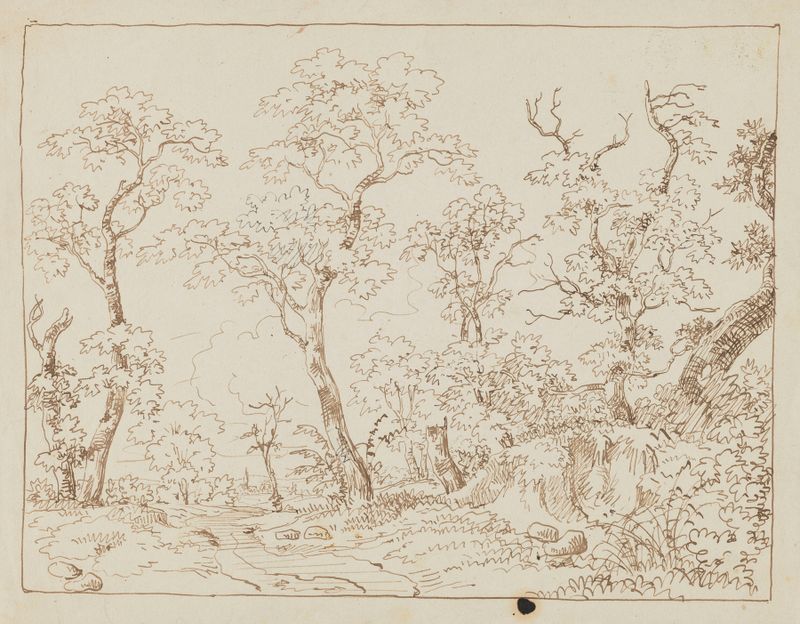
Studies of Trees, Landscape
Arthur Blaschnik
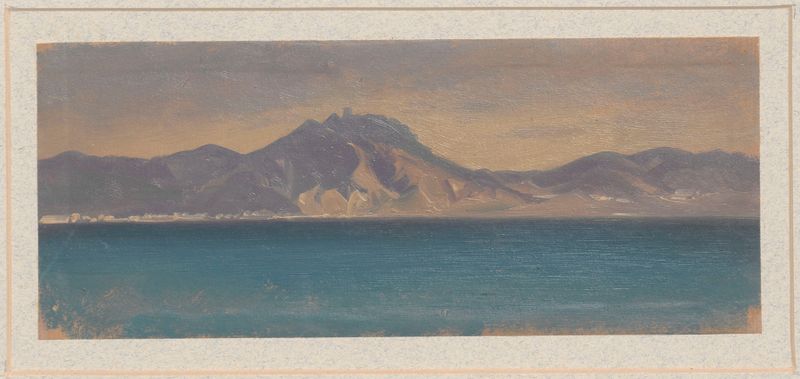
View of the Island of Capri
Arthur Blaschnik
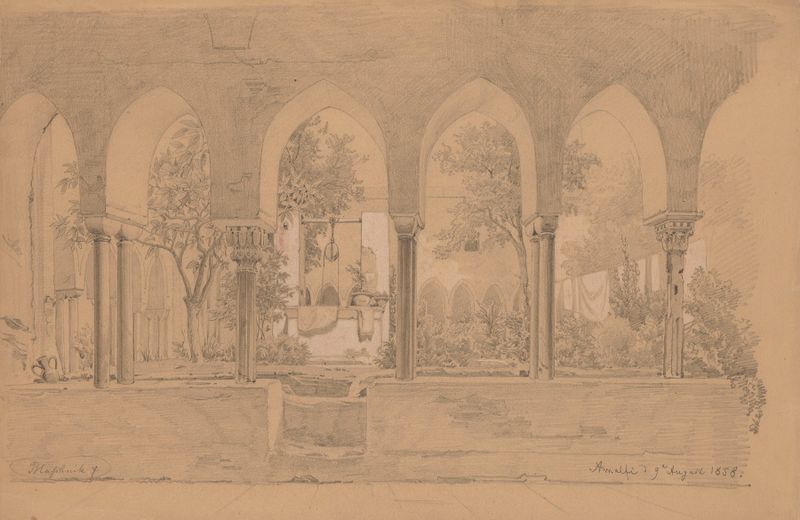
Cloister with Arcade Gallery in Amalfi
Arthur Blaschnik
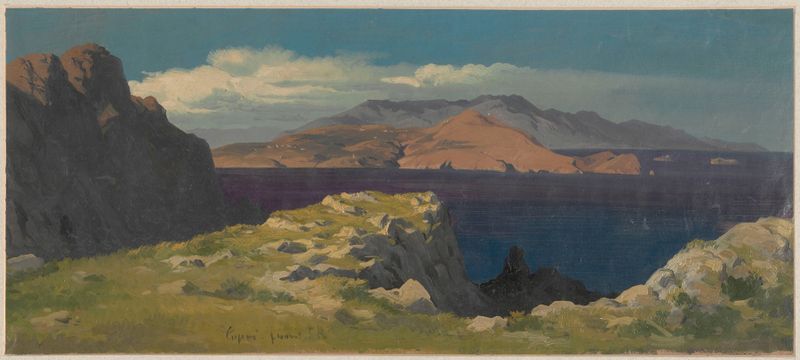
View of Capri
Arthur Blaschnik





