
Andernach — History & Facts
What if silence could speak through light? In Andernach, the serene moment captures a deep yearning, echoing the soft whispers of nature and time. Look to the foreground where the tranquil river glistens, its gentle ripples inviting your gaze. Notice how the light dances upon the water's surface, illuminating distant hills that fade softly into the horizon. The palette is a masterpiece of muted blues and warm earth tones, creating a harmony that resonates with both peace and nostalgia.
The composition draws your eye from the serene waters to the hazy outlines of architecture in the background, inviting contemplation between the natural and the man-made. Within this painting lies a tension between the vibrancy of the landscape and the stillness of the boats resting on the water. The delicate brushwork captures the fleeting beauty of a moment, suggesting a longing for connection and presence, as if the landscape itself mourns the absence of human activity. The soft diffusion of light embodies the transient nature of memory, allowing the viewer to reflect on their own echoes of the past. In 1817, Joseph Mallord William Turner was deeply influenced by the Romantic movement, which sought to highlight the sublime in nature.
Painted during a time when Turner was exploring new techniques and pushing boundaries, Andernach reflects his growing fascination with light and atmosphere. At this point in his career, he was beginning to distance himself from the neoclassicism prevalent in British art, embracing a more emotive style that would come to define his legacy.
More Artworks by Joseph Mallord William Turner
Browse all →
Dort or Dordrecht- The Dort Packet-Boat from Rotterdam Becalmed
Joseph Mallord William Turner
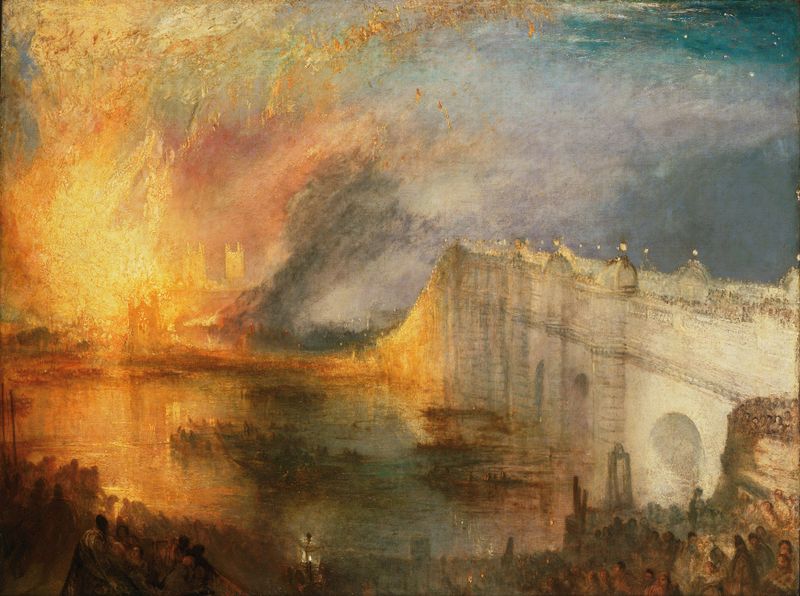
The Burning of the Houses of Lords and Commons, October 16, 1834
Joseph Mallord William Turner
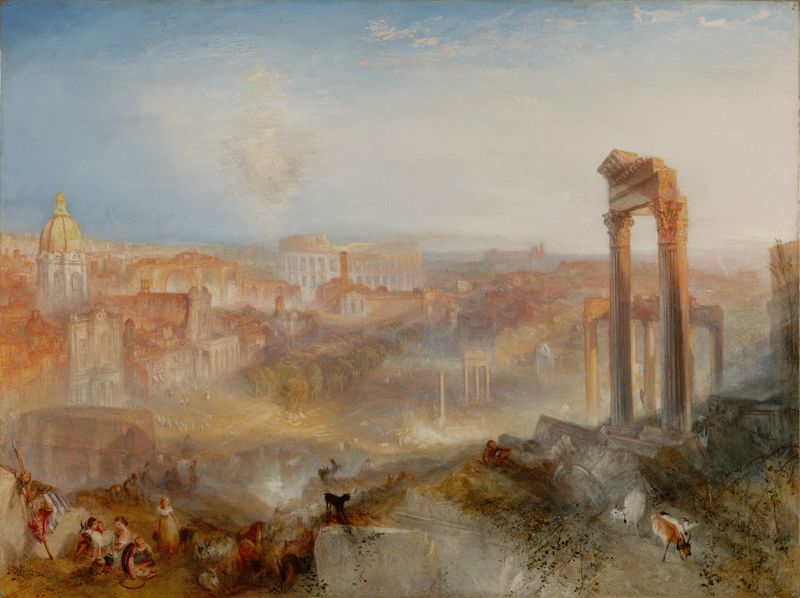
Modern Rome – Campo Vaccino
Joseph Mallord William Turner
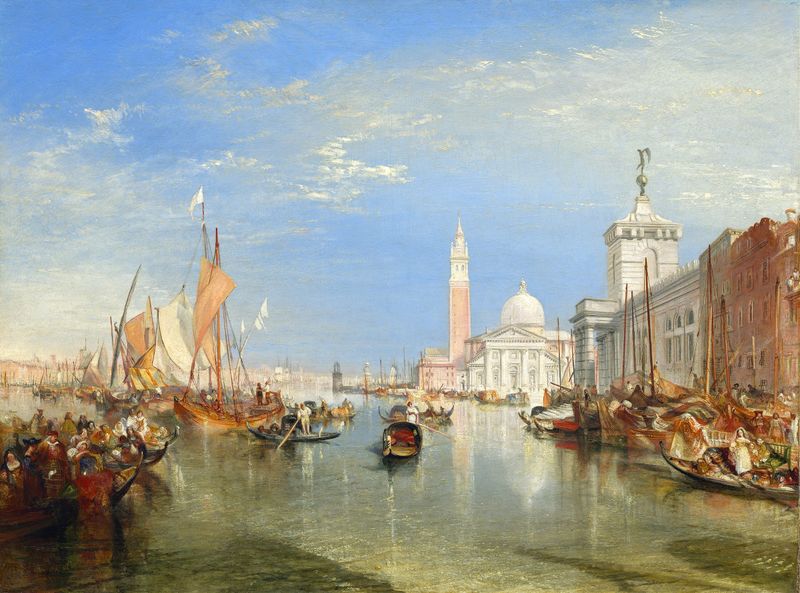
Venice – The Dogana and San Giorgio Maggiore
Joseph Mallord William Turner

The Burning of the Houses of Lords and Commons, 16 October 1834
Joseph Mallord William Turner
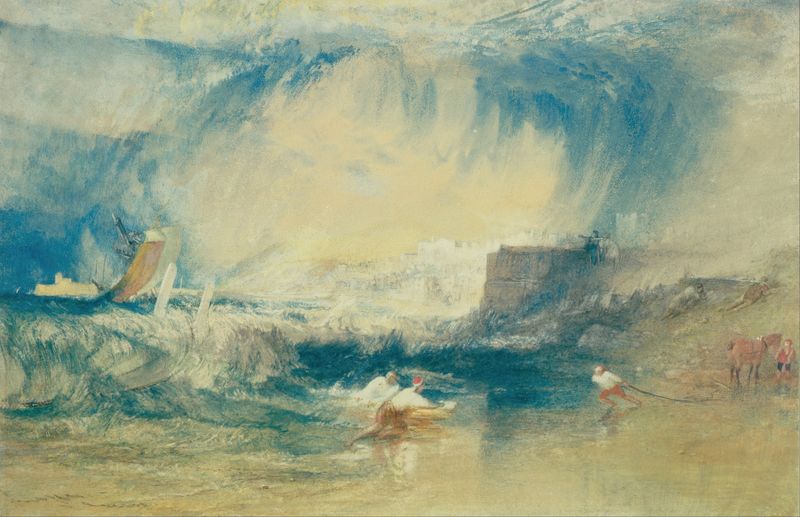
Lyme Regis, Dorsetshire, England
Joseph Mallord William Turner
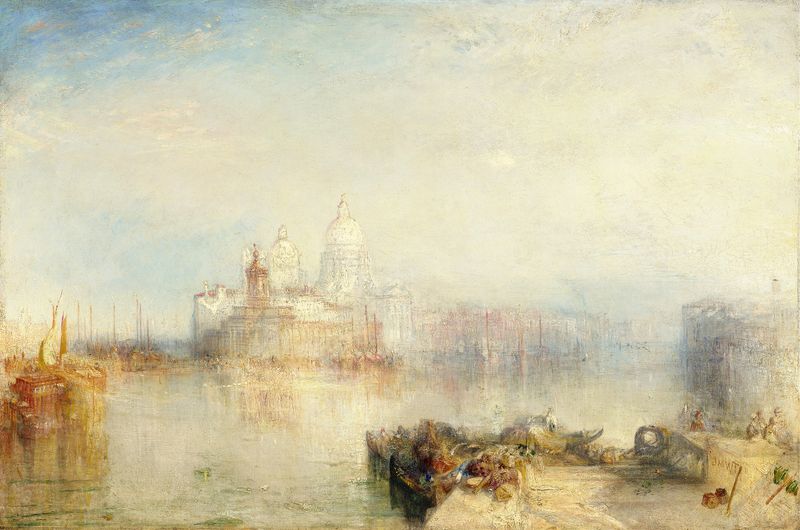
The Dogana and Santa Maria della Salute, Venice
Joseph Mallord William Turner
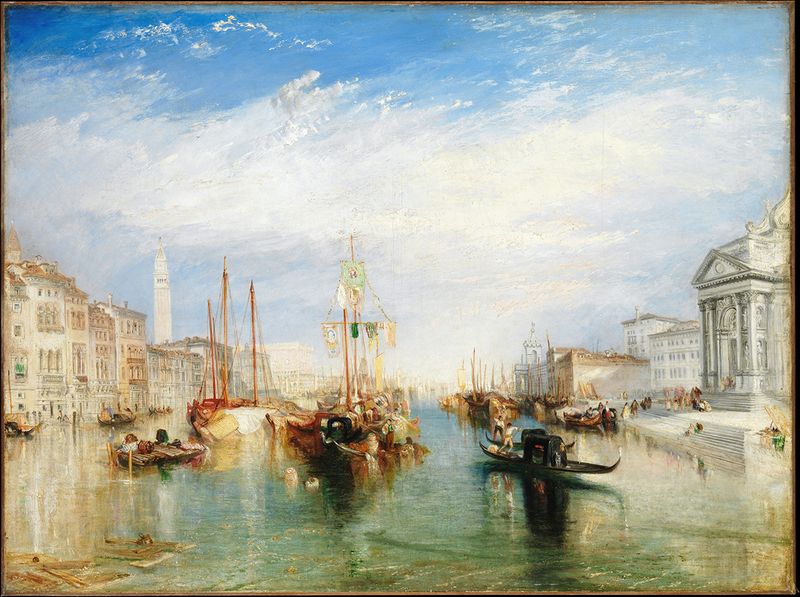
Venice, from the Porch of Madonna della Salute
Joseph Mallord William Turner
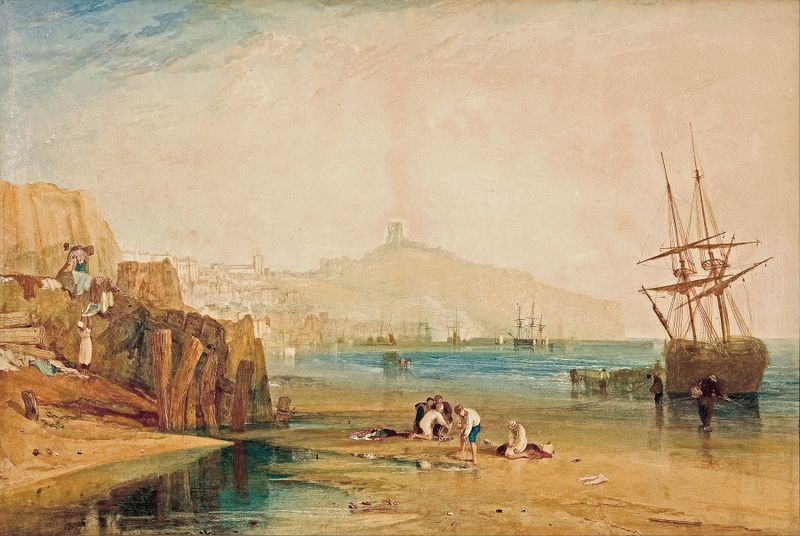
Scarborough town and castle; morning; boys catching crabs
Joseph Mallord William Turner
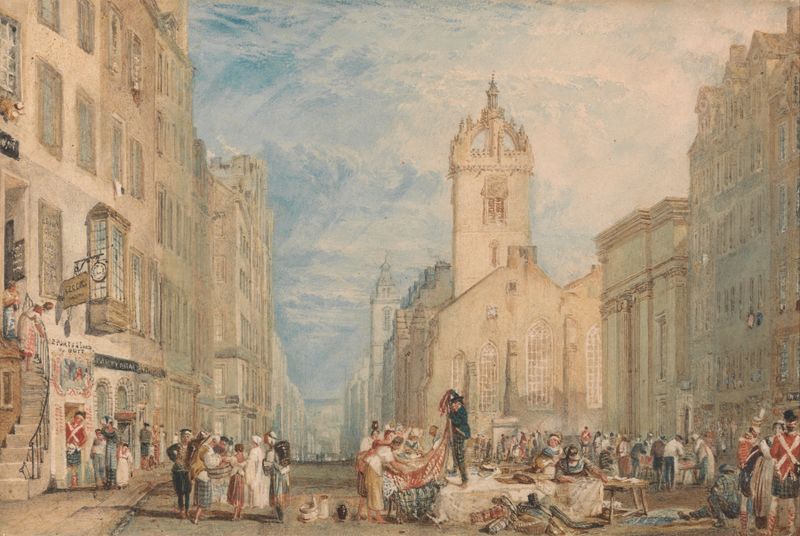
High Street, Edinburgh
Joseph Mallord William Turner





