
Anker Die Knöchelspieler — History & Facts
What draws the eye first in Die Knöchelspieler is not the game itself, but the hush of concentration that gathers around it. Three youths, their bodies arranged in a loose triangle, lean toward the center with the kind of intent focus usually reserved for sacred rites or secrets. Their gestures are precise: one hand outstretched, fingers curled around the knucklebones, while another raises two fingers in a silent tally.
The light, cool and even, falls across bare shoulders and marble steps, lending the scene a sense of calm clarity. Behind them, an older man watches with a heavy, contemplative posture—his presence a silent reminder that play and learning, youth and age, are bound together in this sunlit corner. Painted by Albert Anker in 1864, this work belongs to a moment when European artists looked to antiquity for both subject and setting, crafting scenes that echoed the ideals of classical education and civic life. The Musée gruérien now holds this painting, which was shown in the exhibition "Von Anker bis Zünd, Die Kunst im jungen Bundesstaat 1848 - 1900" at the Kunsthaus Zürich.
In the mid-nineteenth century, such images were often commissioned for schools or civic buildings, intended to inspire ideals of harmony, discipline, and the pleasures of peaceful competition. History has kept few traces of the specific path this painting traveled, but its quiet gathering of figures continues to invite viewers to pause and consider what is learned, and what is risked, in the games we play.
More Artworks by Albert Anker

Portrait Of A Girl
Albert Anker
Boy with a basket
Albert Anker
Knabe Mit Mütze Beim Essen
Albert Anker
Knabenbildnis (Dr Heiri)
Albert Anker
Die Kinderkrippe I
Albert Anker

L’instituteur et le pasteur
Albert Anker
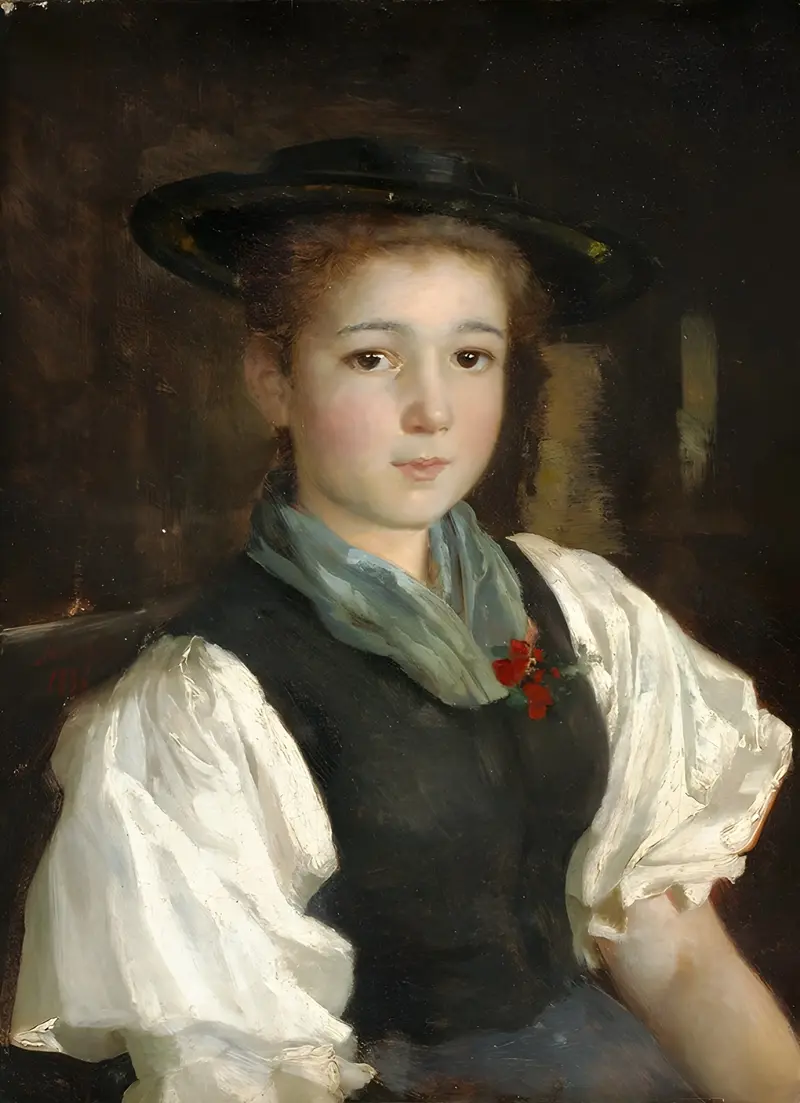
Bauernmädchen (Farm Girl)
Albert Anker
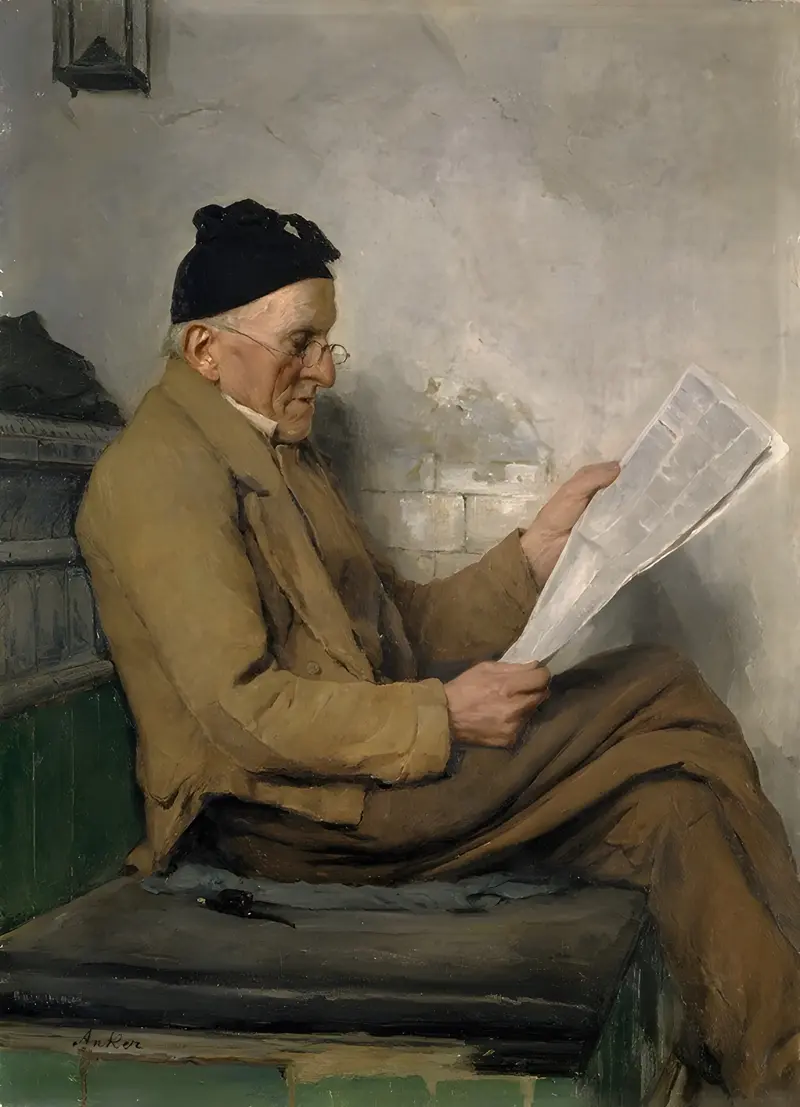
Farmer Reading on the Stove Bench
Albert Anker
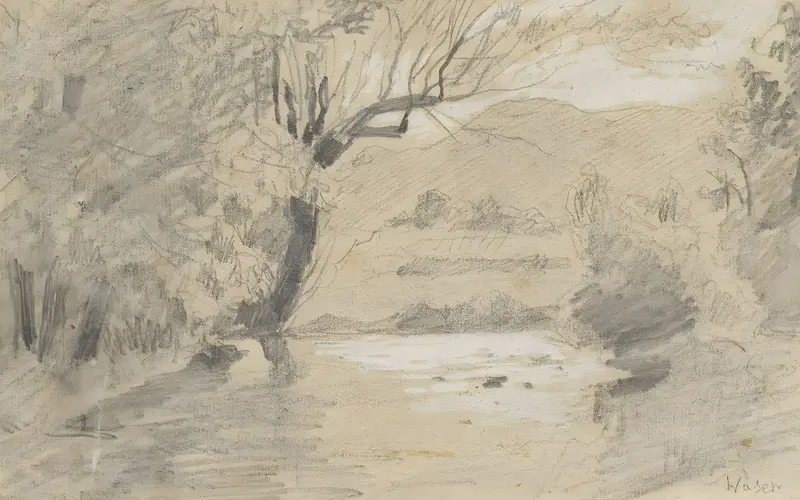
Flusslandschaft in Wasen (Emmental)
Albert Anker
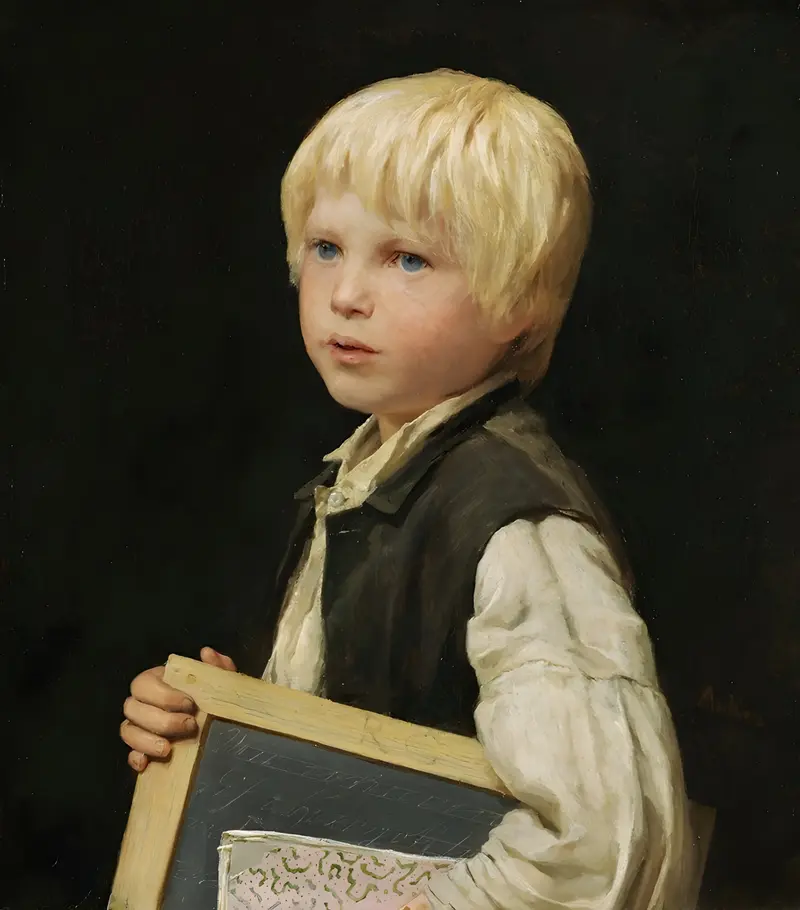
School Boy
Albert Anker
More Genre Scene Art

Banquet of the Officers of the St George Civic Guard
Frans Hals

Rembrandt and Saskia in the Scene of the Prodigal Son
Rembrandt van Rijn

Bal du moulin de la Galette
Pierre-Auguste Renoir

Quadrille at the Moulin Rouge
Henri de Toulouse-Lautrec

A Burial at Ornans
Gustave Courbet

When Will You Marry?
Paul Gauguin