
Anker Länderkinder — History & Facts
A tide of children, each face distinct, draws the eye into the heart of a bustling Swiss town. In Anker Länderkinder, Albert Anker orchestrates a scene where the everyday becomes momentous: the arrival or gathering of rural children in the city, their presence marked by baskets, travel clothes, and the gentle choreography of adults guiding, counting, and comforting. The sunlight falls softly along the cobblestones and the facades, illuminating not just the children but the intricate web of interactions—hands held, glances exchanged, a woman bending to offer bread or guidance.
The composition is dense yet ordered, the crowding never chaotic, each gesture a clue to the rhythms and rituals of communal life. Painted in 1876, this work belongs to a moment when Swiss artists like Anker turned their attention to the fabric of daily existence, celebrating the ordinary with painstaking detail and quiet dignity. Genre paintings of this era often served as mirrors for a society in flux, recording the customs and costumes of a changing rural world as Switzerland modernized after 1848. While history has kept few traces of this specific painting’s journey, its inclusion in the Kunsthaus Zürich’s exhibition “Von Anker bis Zünd, Die Kunst im jungen Bundesstaat 1848 - 1900” situates it among works that chronicled the young federal state’s identity.
The scene invites viewers to linger, searching the crowd for stories, and to imagine the hopes and uncertainties carried by each small traveler.
More Artworks by Albert Anker

Portrait Of A Girl
Albert Anker
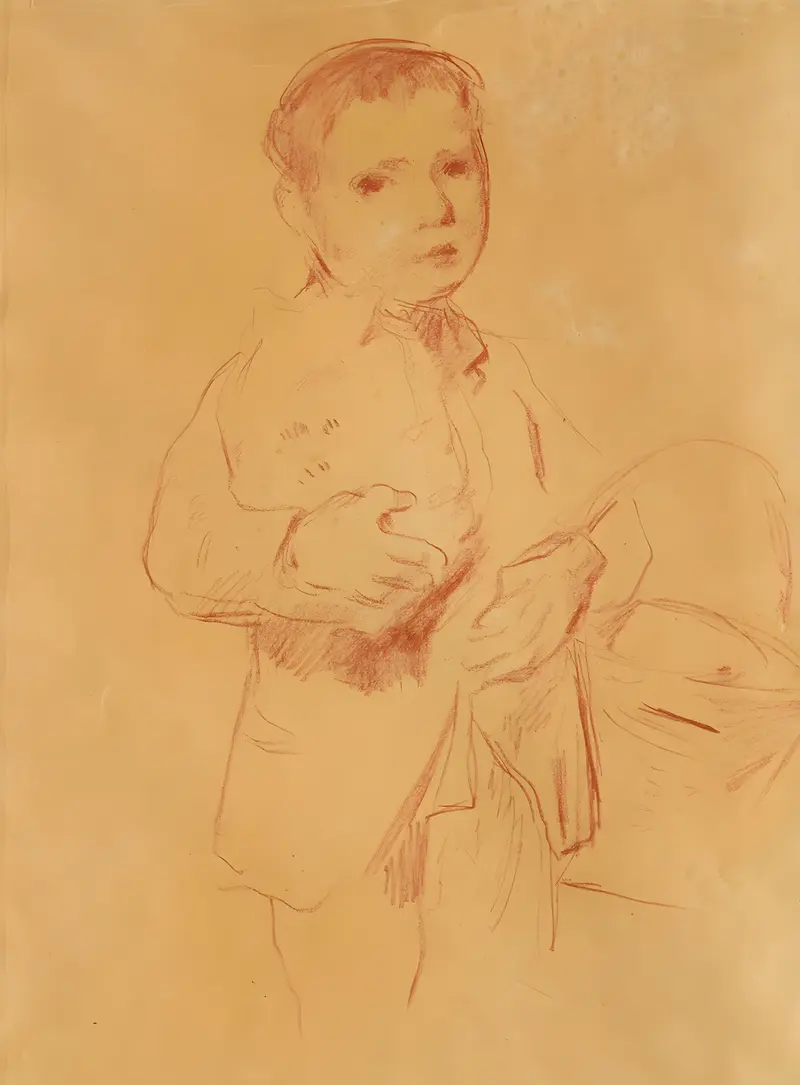
Boy with a basket
Albert Anker
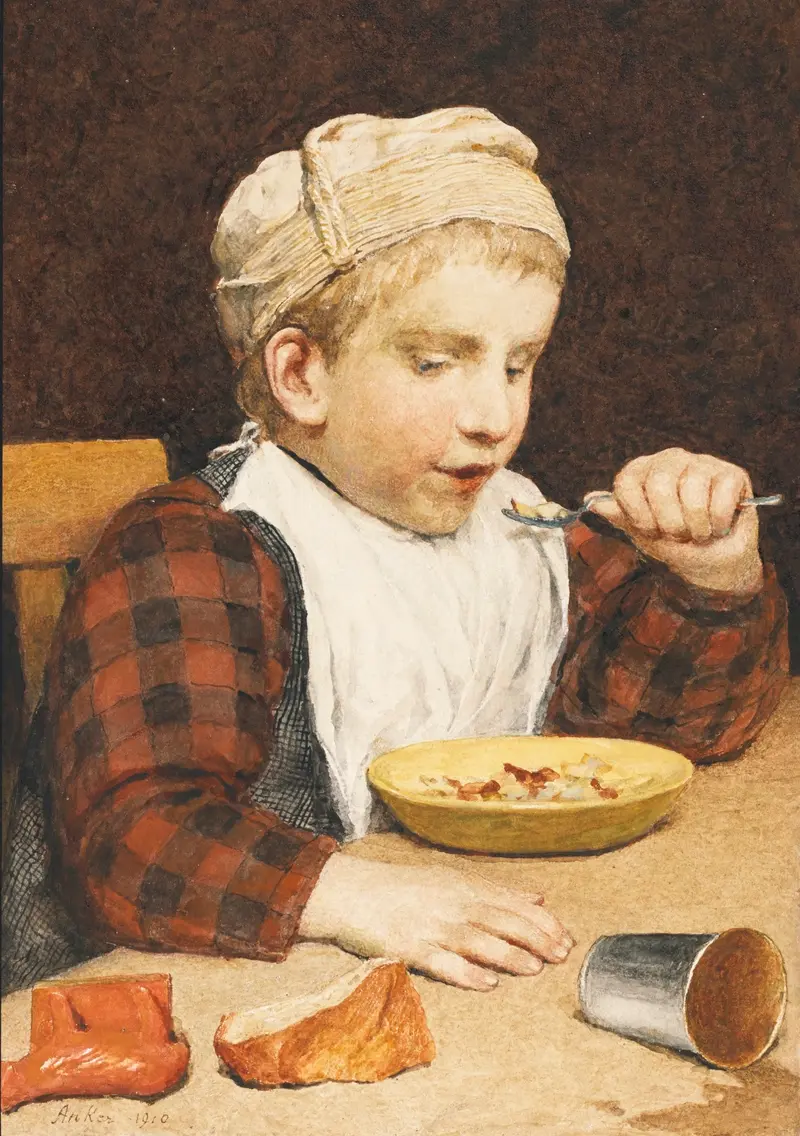
Knabe Mit Mütze Beim Essen
Albert Anker
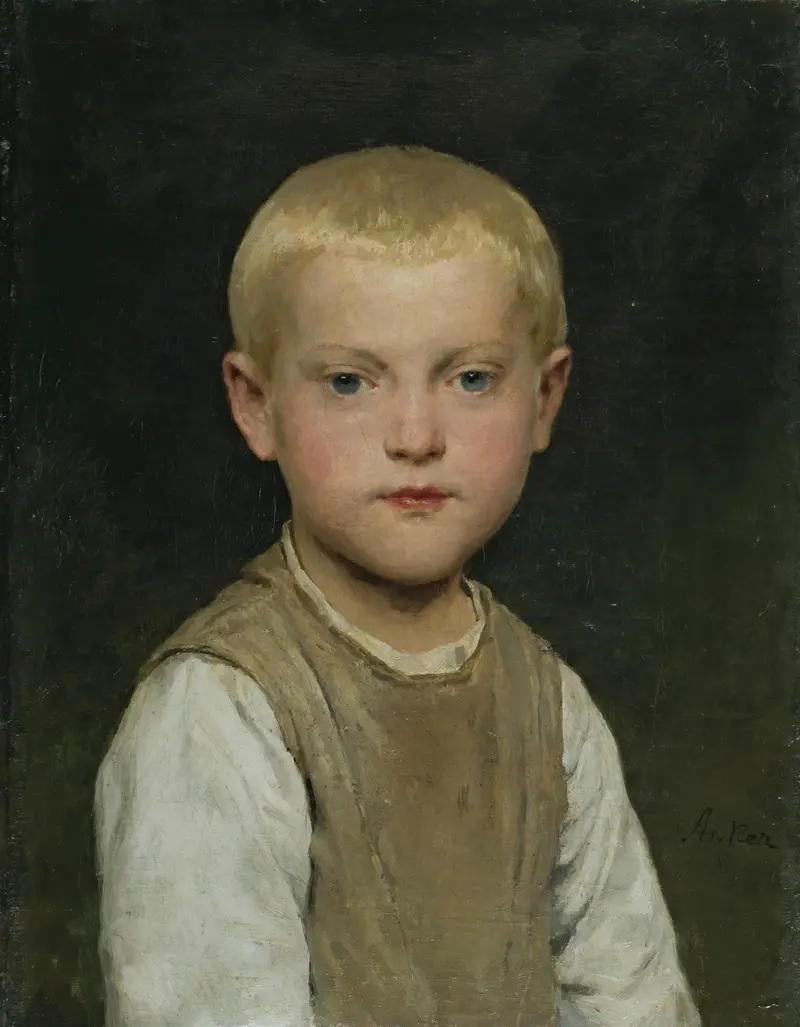
Knabenbildnis (Dr Heiri)
Albert Anker
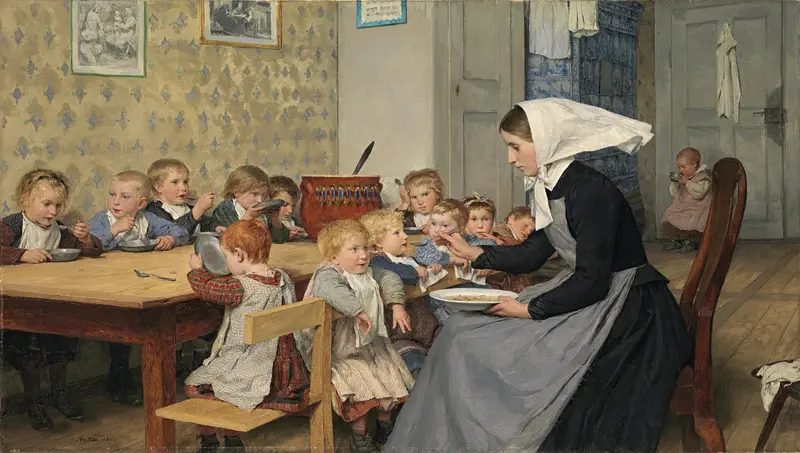
Die Kinderkrippe I
Albert Anker

L’instituteur et le pasteur
Albert Anker
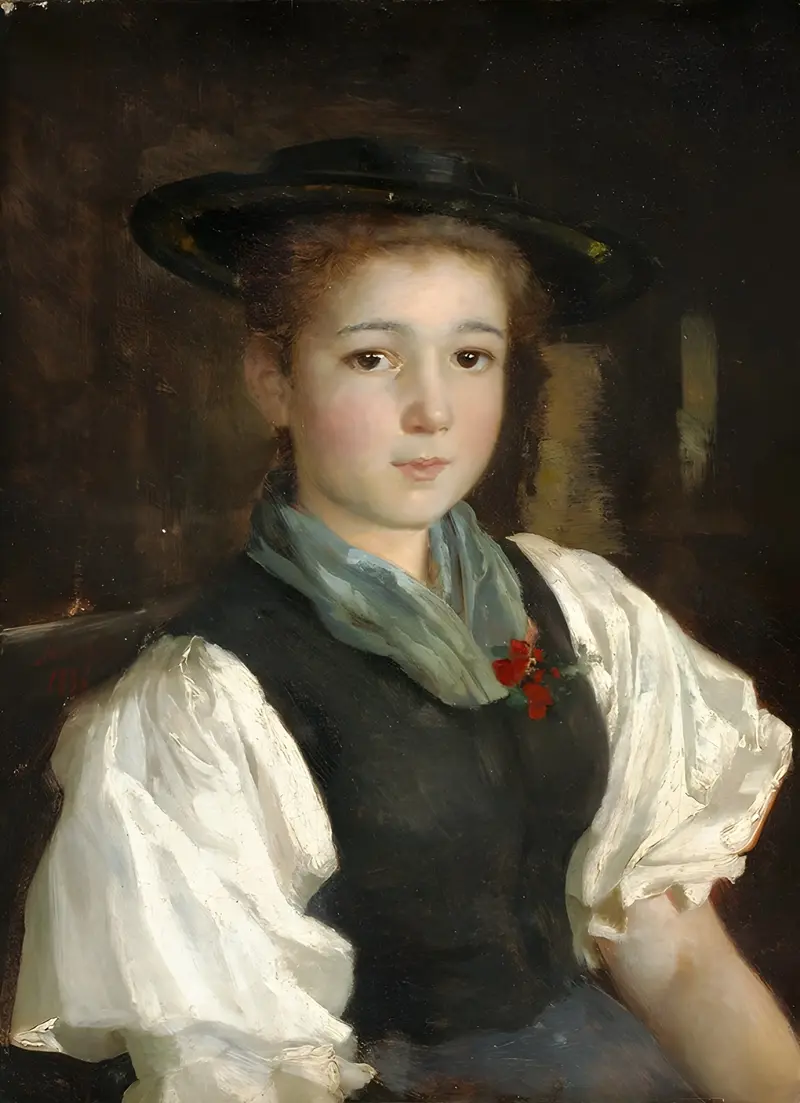
Bauernmädchen (Farm Girl)
Albert Anker
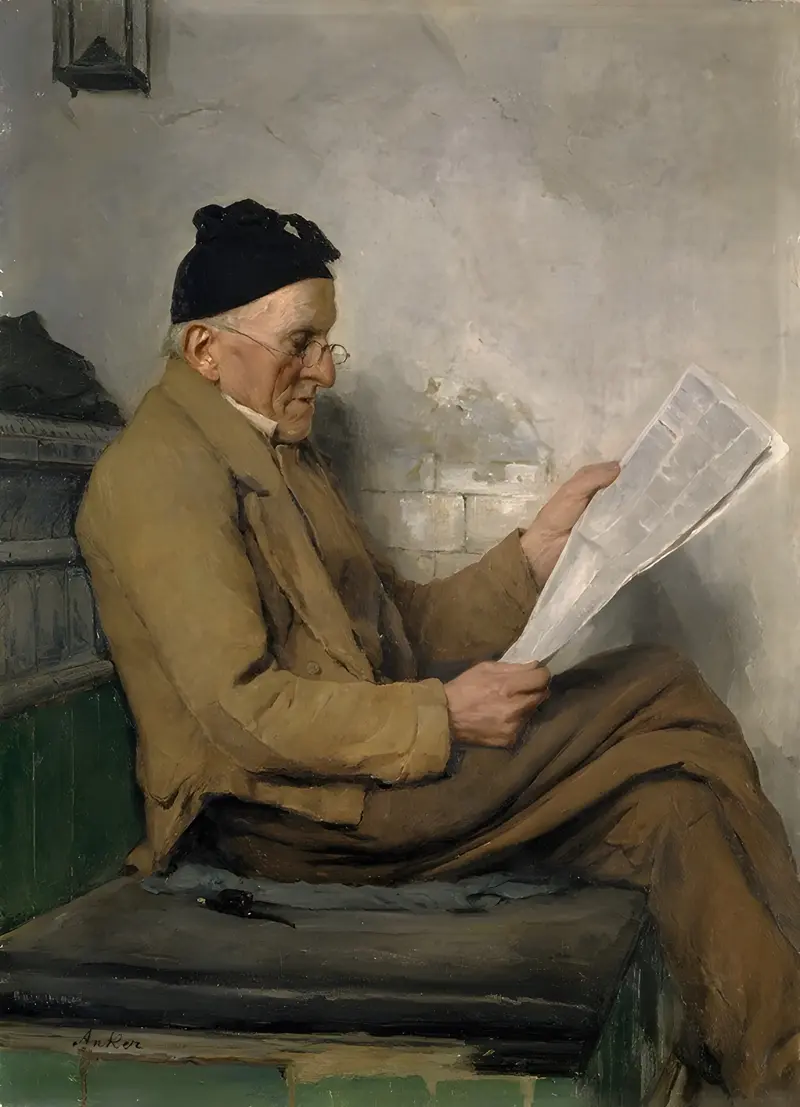
Farmer Reading on the Stove Bench
Albert Anker
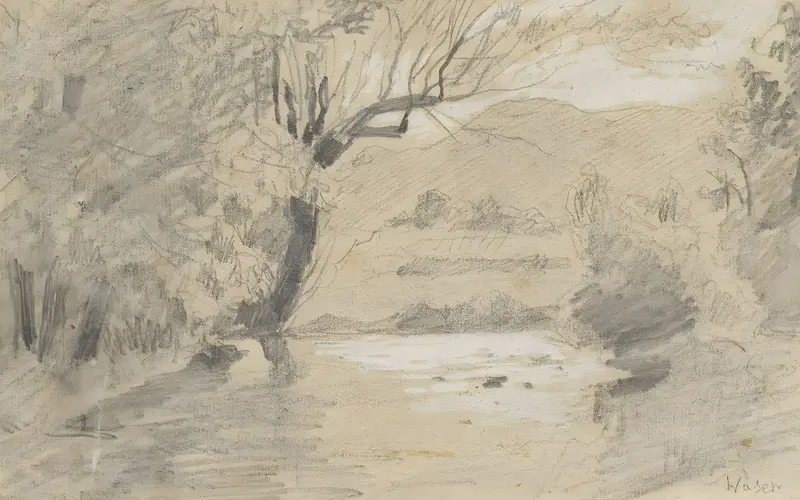
Flusslandschaft in Wasen (Emmental)
Albert Anker
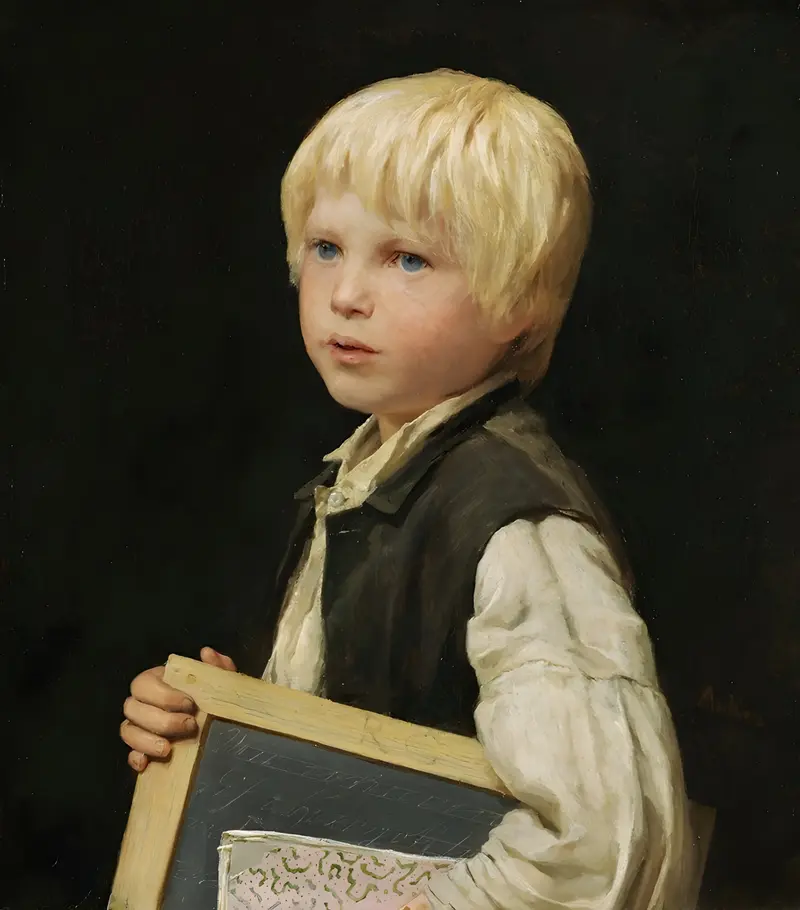
School Boy
Albert Anker
More Genre Scene Art

Banquet of the Officers of the St George Civic Guard
Frans Hals

Rembrandt and Saskia in the Scene of the Prodigal Son
Rembrandt van Rijn

Bal du moulin de la Galette
Pierre-Auguste Renoir

Quadrille at the Moulin Rouge
Henri de Toulouse-Lautrec

A Burial at Ornans
Gustave Courbet

When Will You Marry?
Paul Gauguin