
Anna te Drieën — History & Facts
Time, ever elusive, weaves itself into the fabric of existence, revealing the bittersweet nature of our transience. In Anna te Drieën, the viewer's gaze is drawn to the luminous figures of Anna and her daughters, positioned in a triangular composition that suggests stability amidst uncertainty. Notice how the light delicately illuminates their serene faces, casting soft shadows that dance around their features, creating an ethereal aura. The rich colors, particularly the golds and deep blues, encapsulate not just their status but also the weight of their shared legacy, as if history itself is whispering through the brushstrokes. Yet, beneath this veneer of beauty lies a profound tension.
The subtle expressions on their faces hint at unvoiced stories—perhaps the burdens of motherhood or the constraints of societal expectation. The intricate details of their garments reflect both opulence and the passing of time, suggesting that with every thread woven in gold, a moment is forever captured—and lost. This interplay of joy and sorrow serves as a poignant reminder that beauty often masks deeper, more complex emotions. Created between 1498 and 1502, Dürer found himself at the zenith of the Northern Renaissance, a time marked by burgeoning humanism and technical mastery in art.
During this period, he explored themes of family, faith, and the intricacies of life, aiming to elevate the everyday to the extraordinary. The painting serves as a testament not only to his skill but also to the evolving narrative of the time, where personal and collective histories intertwined like the golden threads in his work.
More Artworks by Albrecht Dürer
Browse all →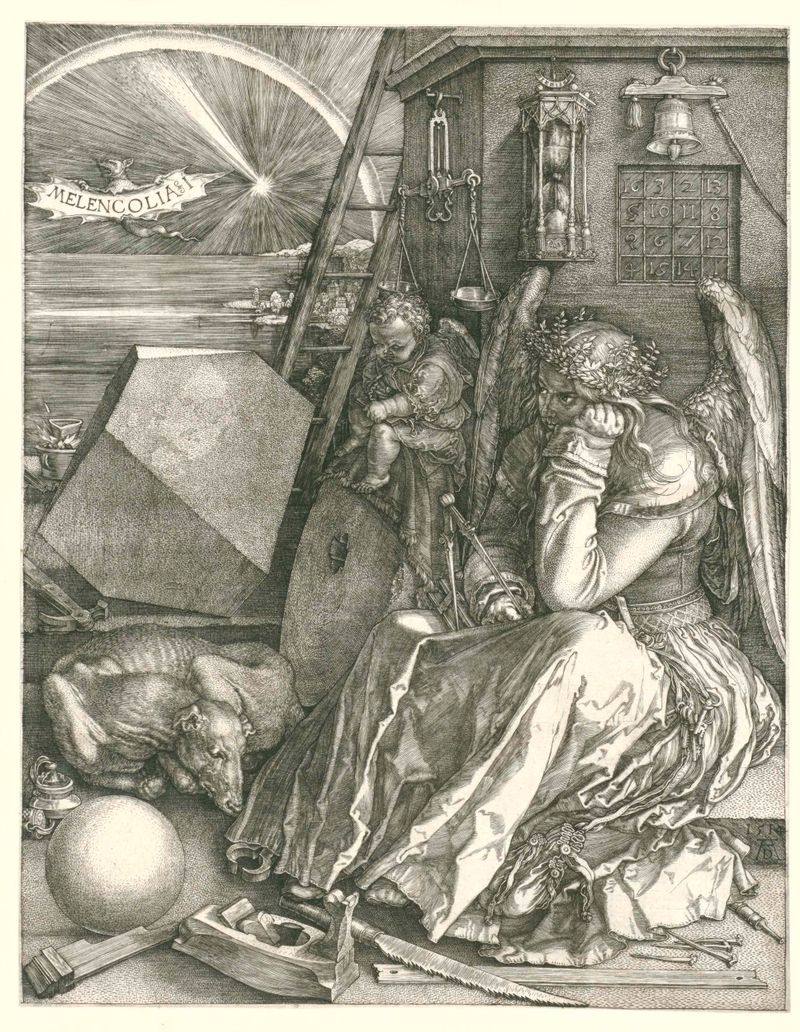
Melancholia
Albrecht Dürer
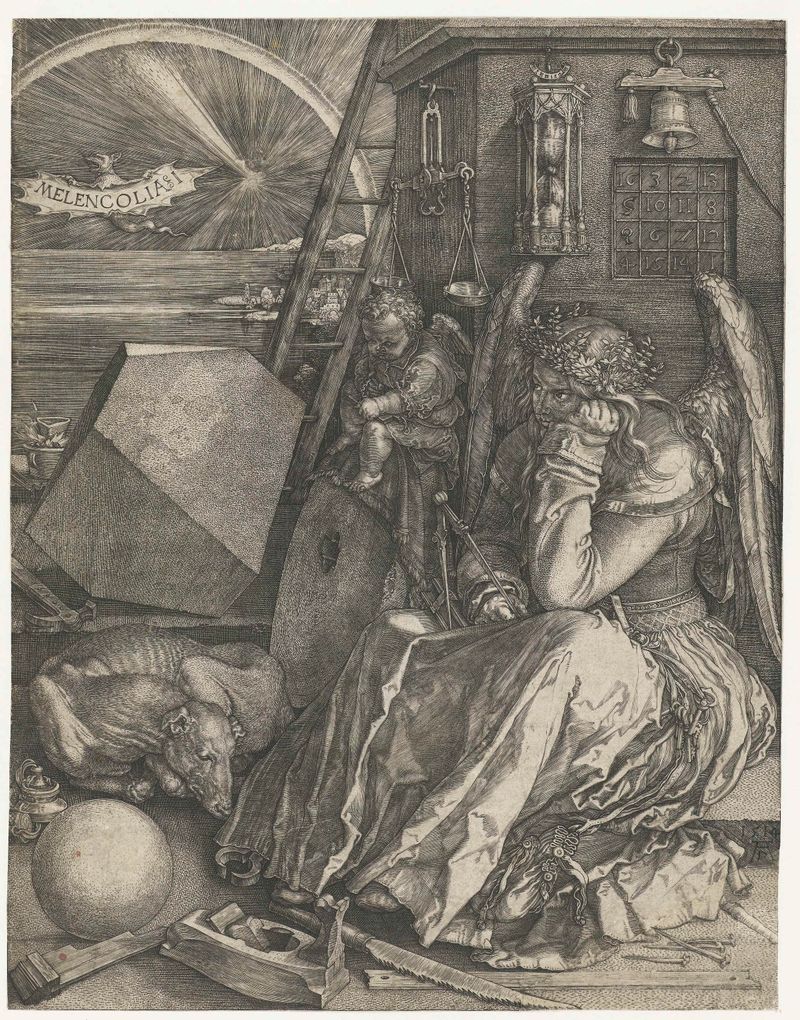
Melancholie
Albrecht Dürer
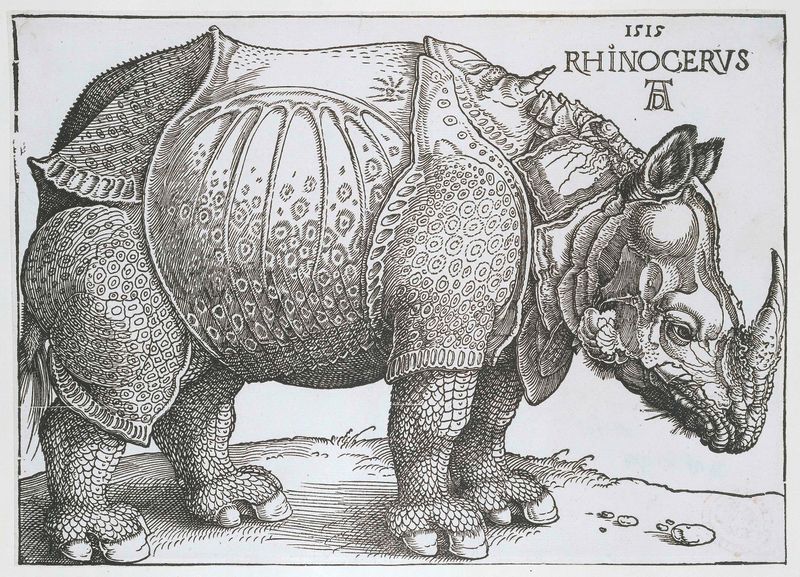
Neushoorn
Albrecht Dürer
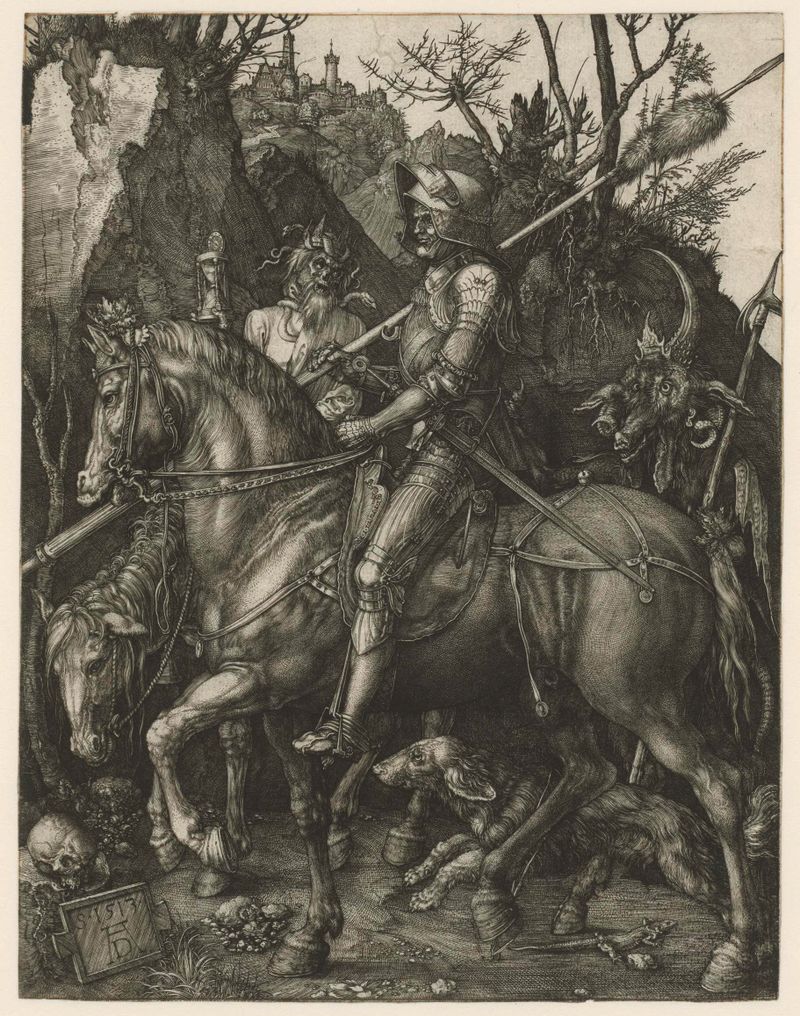
Knight, Death, and the Devil
Albrecht Dürer

De vier ruiters van de apocalyps
Albrecht Dürer

De vier ruiters van de apocalyps
Albrecht Dürer
De Heilige Hiëronymus in zijn studeervertrek
Albrecht Dürer
De Heilige Hiëronymus in zijn studeervertrek
Albrecht Dürer
De apocalyptische vrouw en de zevenkoppige draak
Albrecht Dürer
Adam en Eva
Albrecht Dürer
More Religious Art
Browse all →
The Return of the Prodigal Son
Rembrandt van Rijn

The Garden of Earthly Delights
El Bosco

Count Orgaz’ funeral
El Greco

The Hundred Guilder Print: the central piece with Christ preaching, the plate arched
Rembrandt van Rijn

The Descent from the Cross
Rogier van der Weyden

The return of the prodigal son
Rembrandt van Rijn