
Anna-te-Drieën — History & Facts
Beneath layers of oil and pigment, Anna-te-Drieën reveals a world where divine presence intertwines with earthly existence, prompting reflection on the sacred and the mundane. Start your journey at the center, where the figure of Anna stands tall, her serene expression radiating grace. Notice how the soft, golden light envelops her, illuminating the intricate details of her garment, contrasting against the rich, deep hues of the background. The delicate handling of the fabric and the gentle play of shadows create depth, inviting your gaze to linger, while the subtle gestures of the figures beside her enhance the sense of intimacy and reverence. Hidden within this composition lies the tension between human vulnerability and divine authority.
The way the figures lean toward Anna suggests a quest for knowledge or solace, evoking the interconnectedness of faith and humanity. The delicate balance of colors accentuates this relationship, making the viewer ponder the complexities of devotion. Each brushstroke carries an emotional weight, revealing the struggle to grasp the divine amidst life’s uncertainties. Created between 1520 and 1530, this piece emerged during a transformative period for its creator.
Dürer, while rooted in the Northern Renaissance, was grappling with the shifts of Reformation thought and personal introspection. His exploration of spirituality and the human condition in Anna-te-Drieën reflects not only his artistic mastery but also the broader conversation surrounding faith and representation in a rapidly changing world.
More Artworks by Albrecht Dürer
Browse all →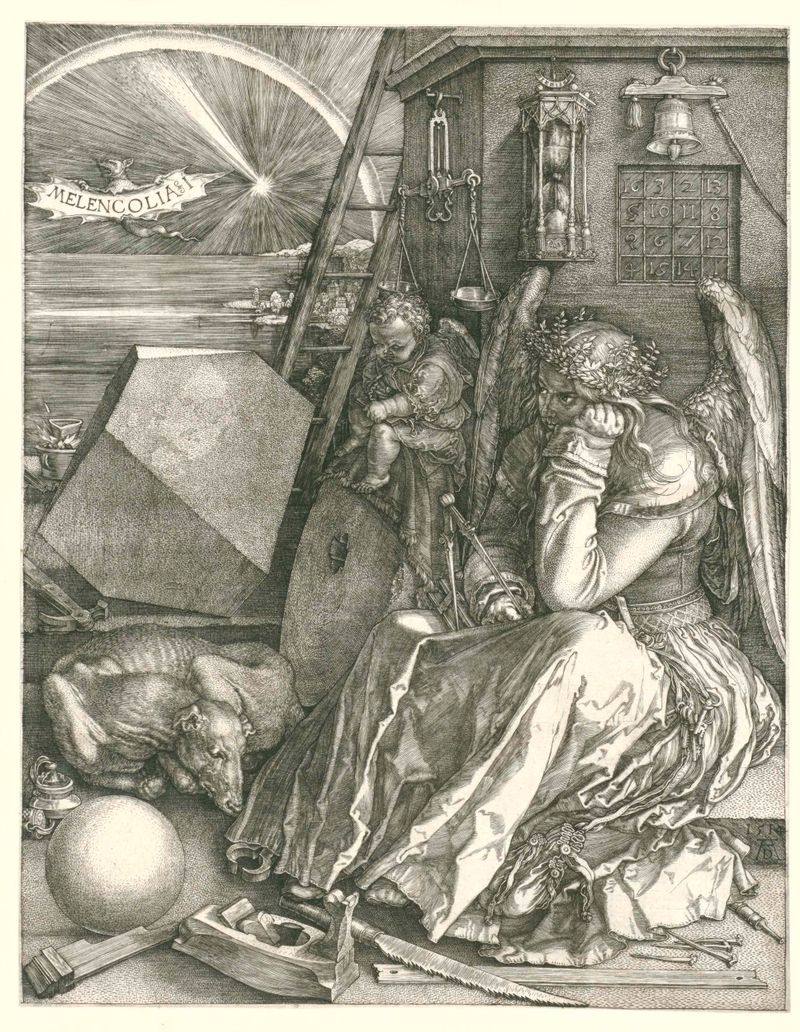
Melancholia
Albrecht Dürer
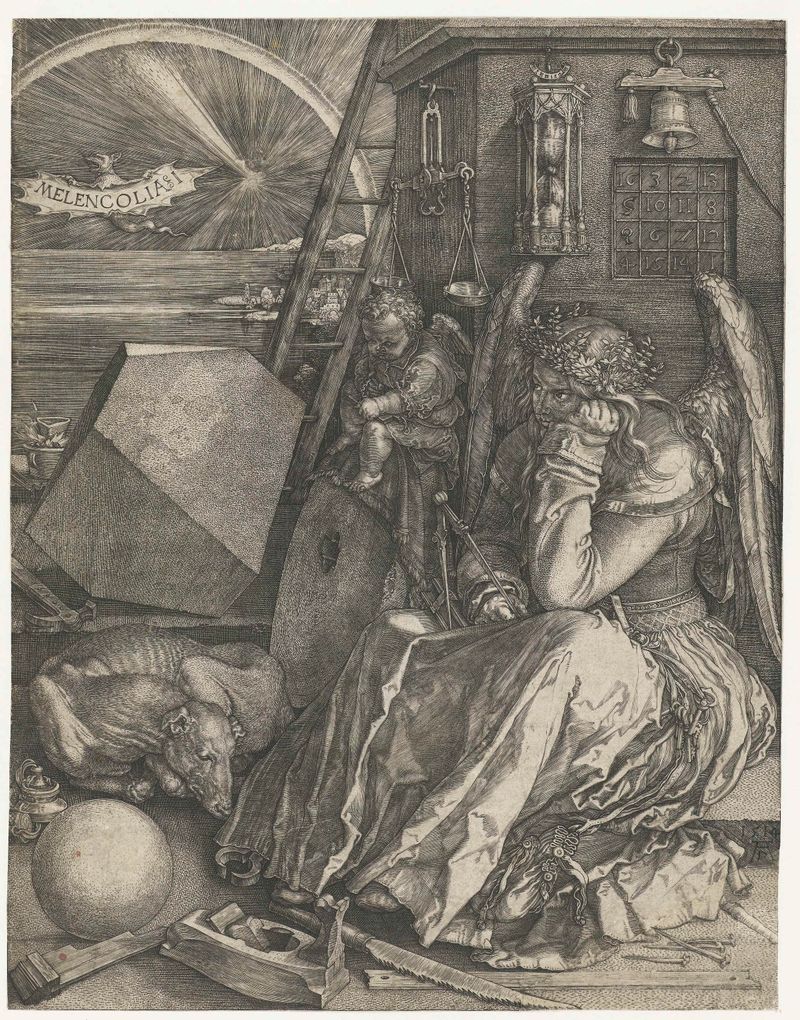
Melancholie
Albrecht Dürer
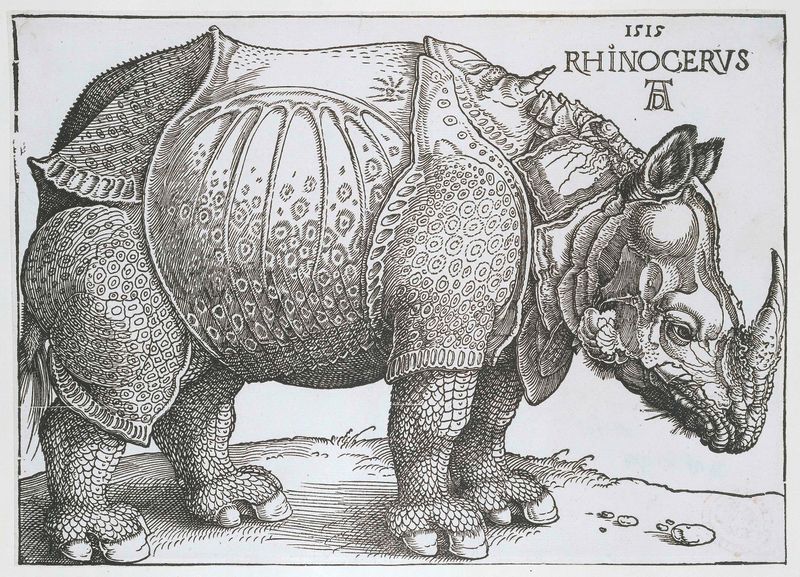
Neushoorn
Albrecht Dürer
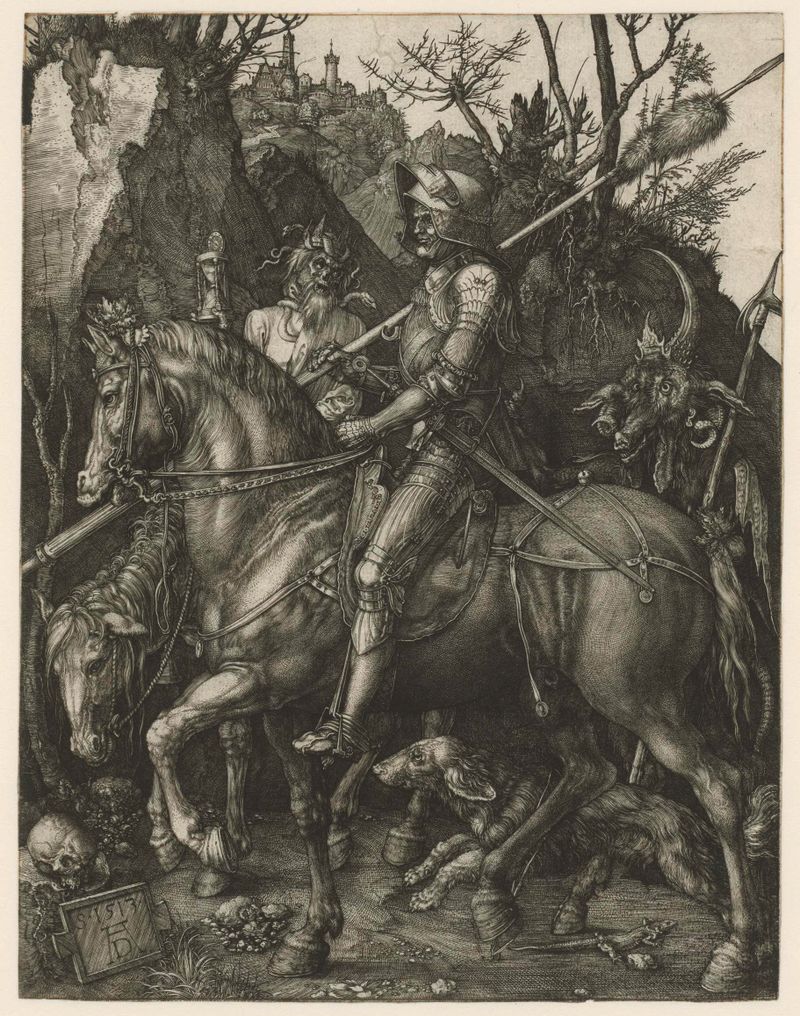
Knight, Death, and the Devil
Albrecht Dürer

De vier ruiters van de apocalyps
Albrecht Dürer

De vier ruiters van de apocalyps
Albrecht Dürer
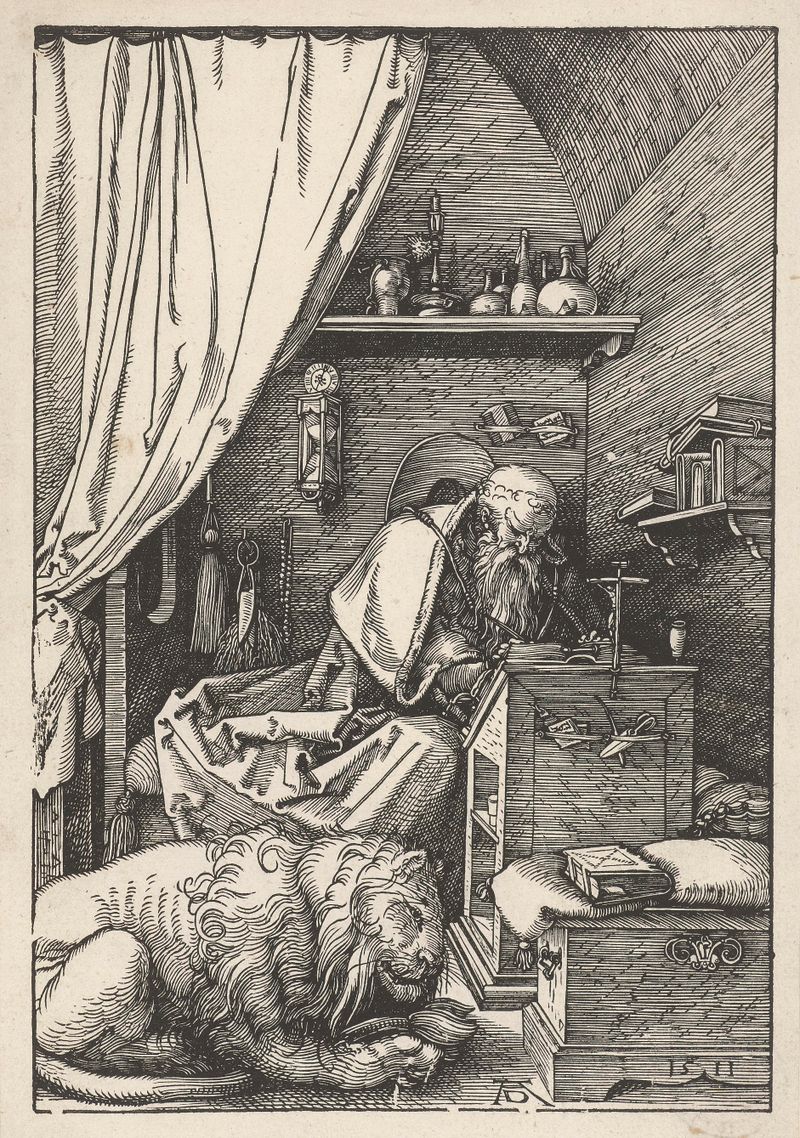
De Heilige Hiëronymus in zijn studeervertrek
Albrecht Dürer
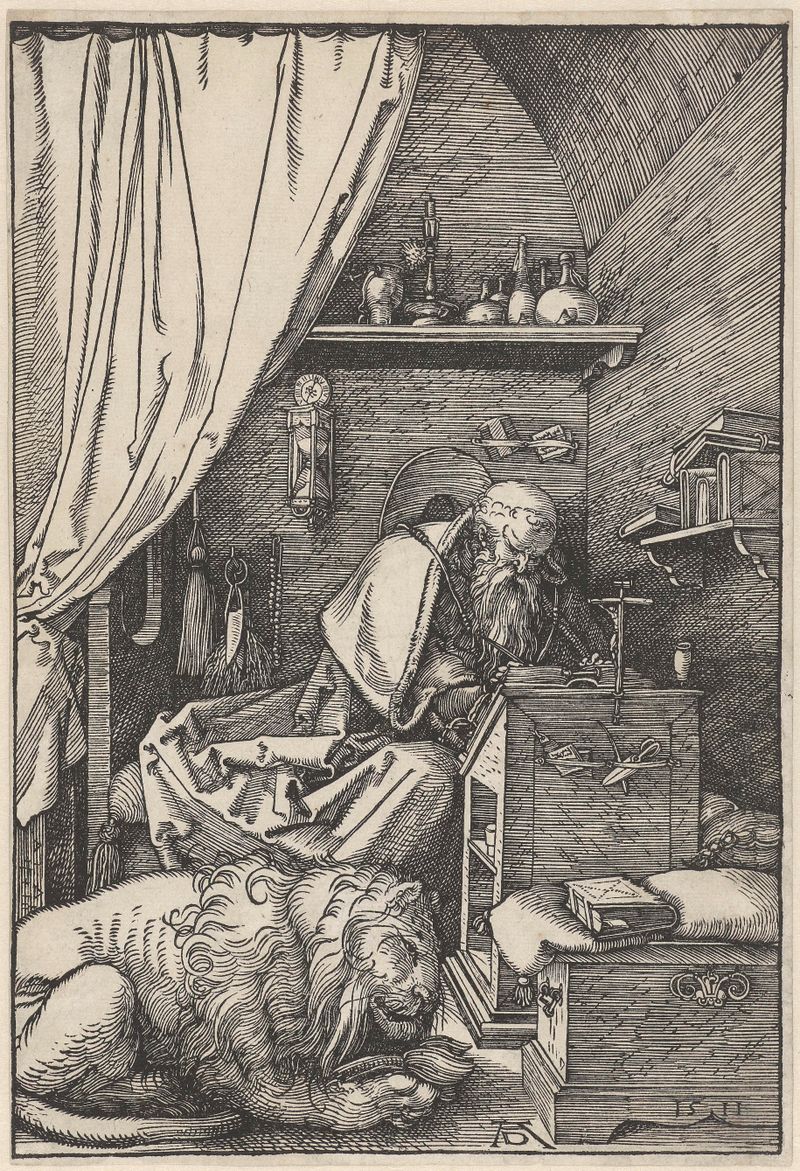
De Heilige Hiëronymus in zijn studeervertrek
Albrecht Dürer
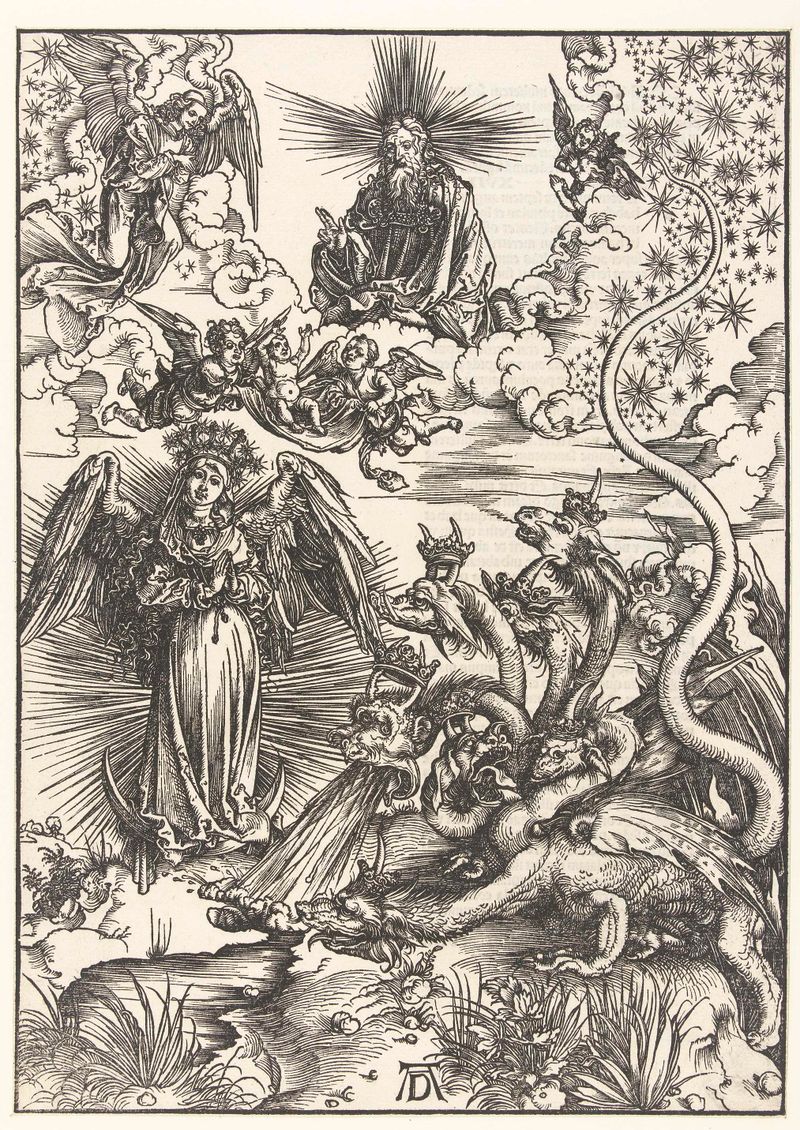
De apocalyptische vrouw en de zevenkoppige draak
Albrecht Dürer
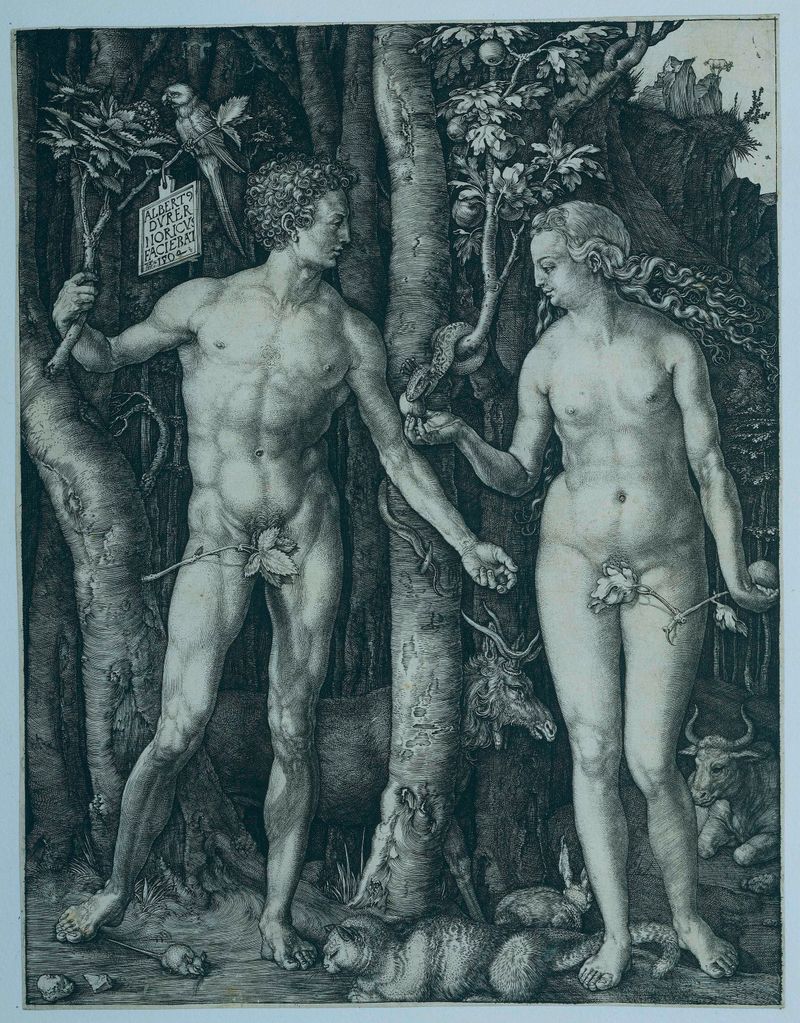
Adam en Eva
Albrecht Dürer
More Religious Art
Browse all →
The Return of the Prodigal Son
Rembrandt van Rijn

The Garden of Earthly Delights
El Bosco

Count Orgaz’ funeral
El Greco

The Hundred Guilder Print: the central piece with Christ preaching, the plate arched
Rembrandt van Rijn

The Descent from the Cross
Rogier van der Weyden

The return of the prodigal son
Rembrandt van Rijn