
Ansicht der Marmolata vom Piz Boè aus — History & Facts
In Ansicht der Marmolata vom Piz Boè aus, serenity finds its voice through nature’s quiet majesty, inviting us to pause and reflect. Look to the center of the composition, where the regal Marmolata rises, its jagged peaks softened by a veil of mist. Notice how the artist skillfully balances the cool blues and whites of the mountain with the warm, earthy tones of the foreground. These contrasting colors bring depth, guiding the viewer’s gaze and creating a sense of harmony as the mountains cradle the scene within their embrace. Delve deeper and you’ll uncover the emotional nuances in this landscape.
The interplay of light and shadow hints at the transitory nature of time, suggesting the fleeting moments of beauty that life offers. The gentle slope of the foreground invites contemplation, while the looming majesty of the Marmolata serves as a reminder of nature's eternal presence amid human chaos. The entire scene resonates with a tranquility that seems to whisper secrets of the universe. In 1917, Edward Theodore Compton painted this work while living in Germany, a time marked by the upheaval of World War I.
The world was in turmoil, yet his brush captured a serene moment in the Italian Alps. As artists sought to escape the clamor of conflict, Compton's landscape stood as a testament to the restorative power of nature amid the discord of human existence.
More Artworks by Edward Theodore Compton
Browse all →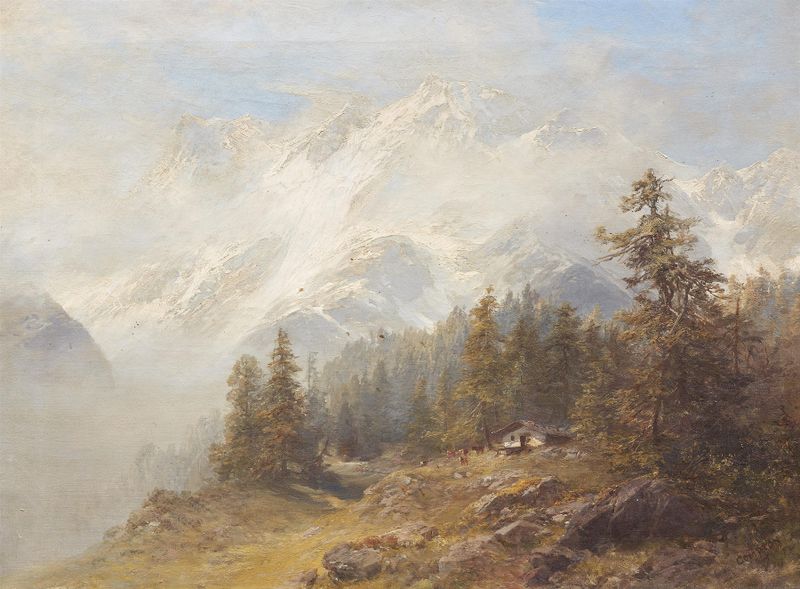
Alpenlandschaft vor schneebedecktem Massiv
Edward Theodore Compton
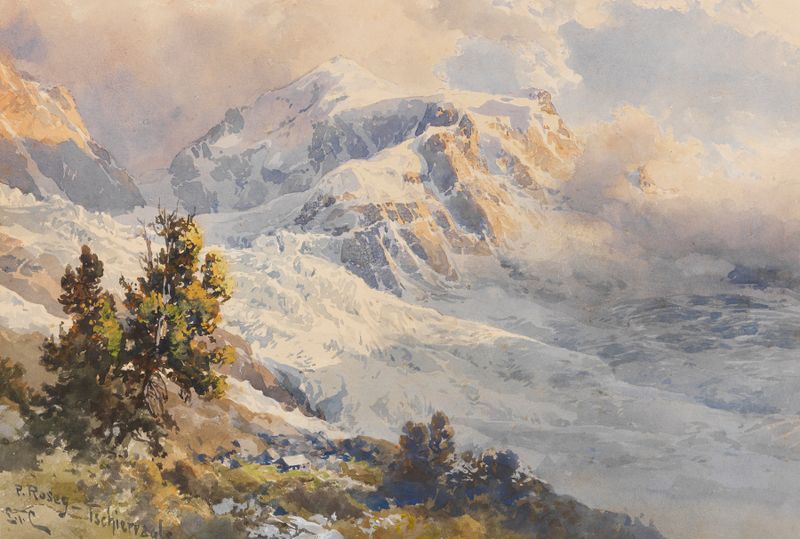
Piz Roseg – Tschiervagletscher
Edward Theodore Compton
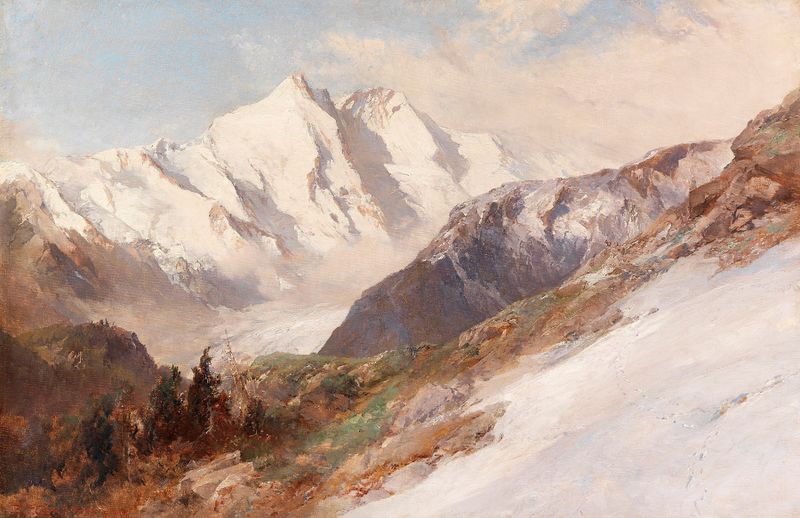
Blick auf die Nordseite des Großglockners
Edward Theodore Compton
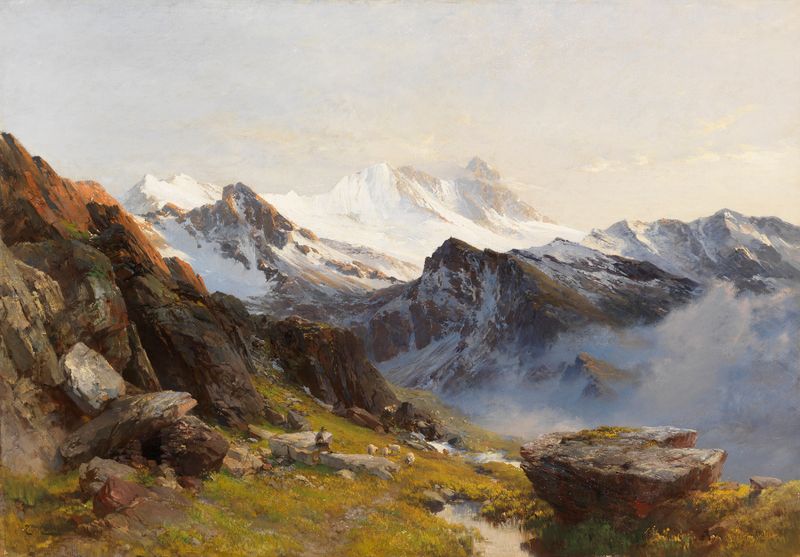
Großglockner von der Prager Hütte aus, früh
Edward Theodore Compton
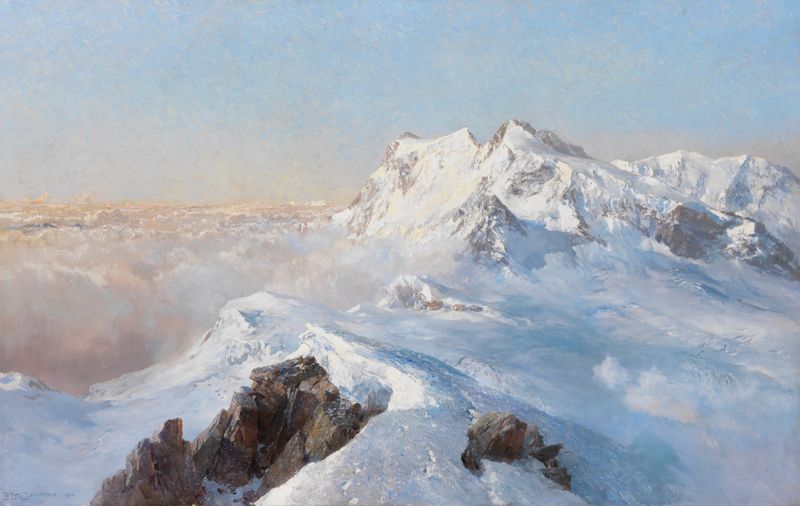
Über dem Nebelmeer (Monte Rosa vom Rimpfischhorn)
Edward Theodore Compton
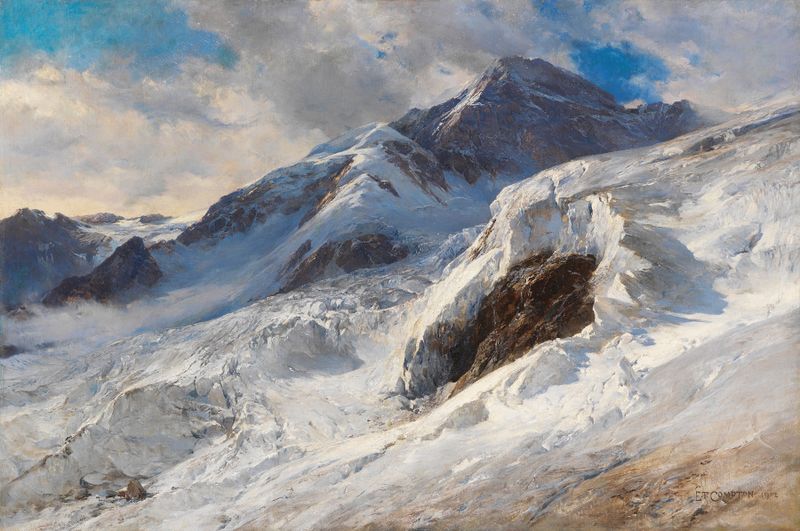
Lyskamm (Monte-Rosa)
Edward Theodore Compton
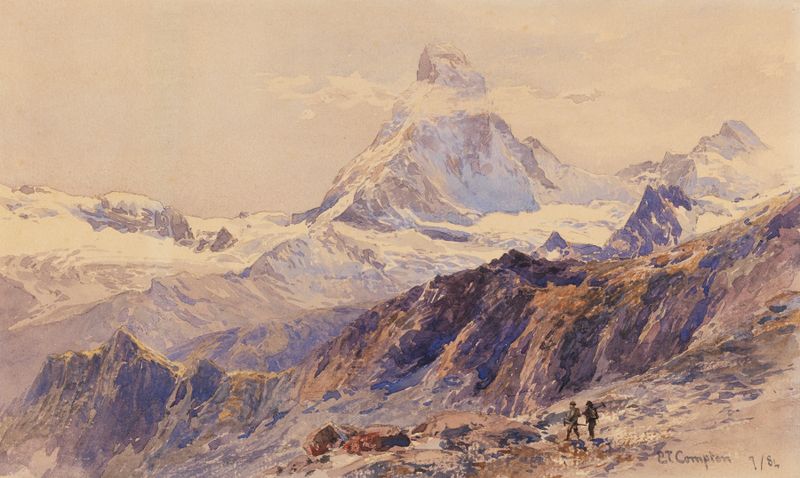
Das Matterhorn von der Triftkumme
Edward Theodore Compton
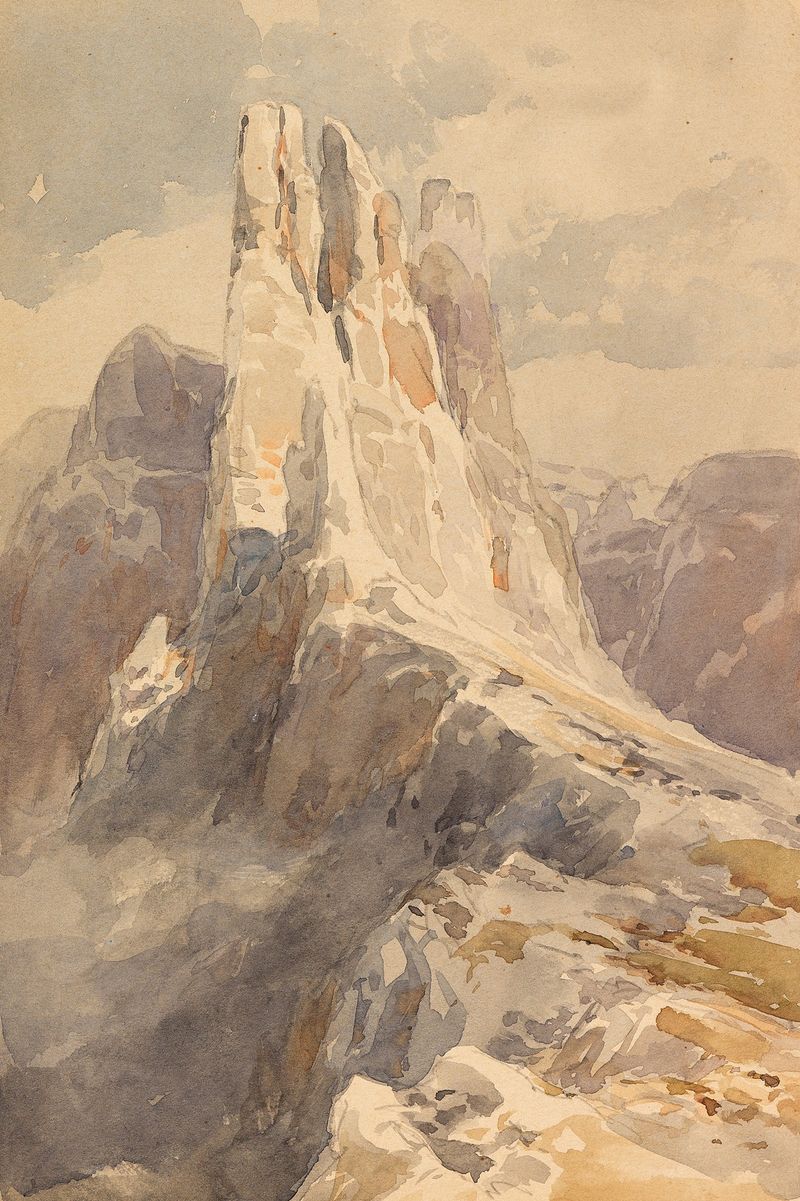
Blick auf die Vajolet-Türme in den Dolomiten
Edward Theodore Compton
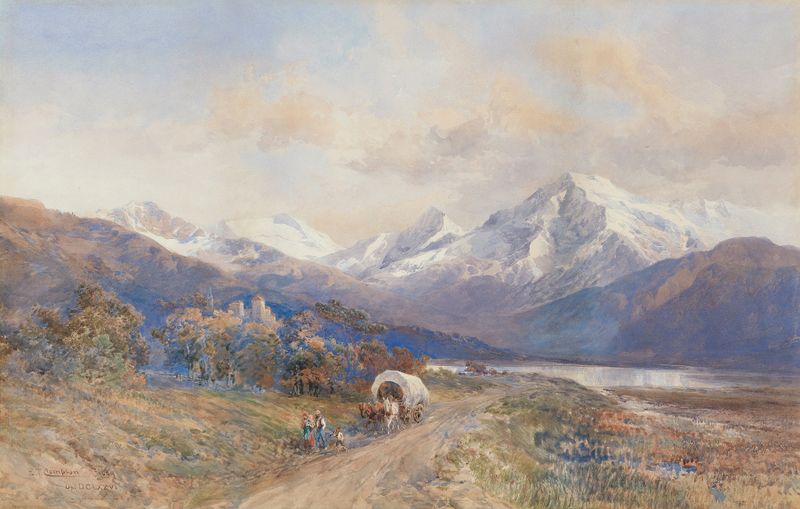
Blick auf den Ortler von St. Valentin
Edward Theodore Compton
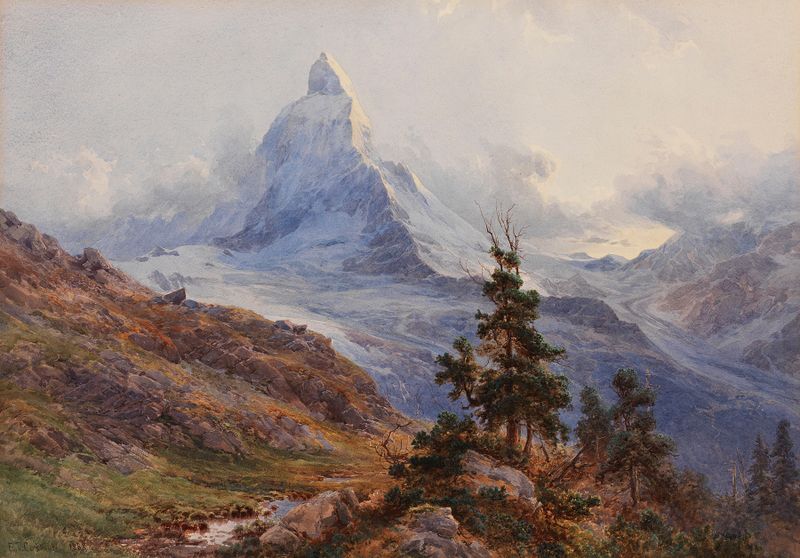
View of the Matterhorn
Edward Theodore Compton





