Ansicht von Altheim (OÖ) — History & Facts
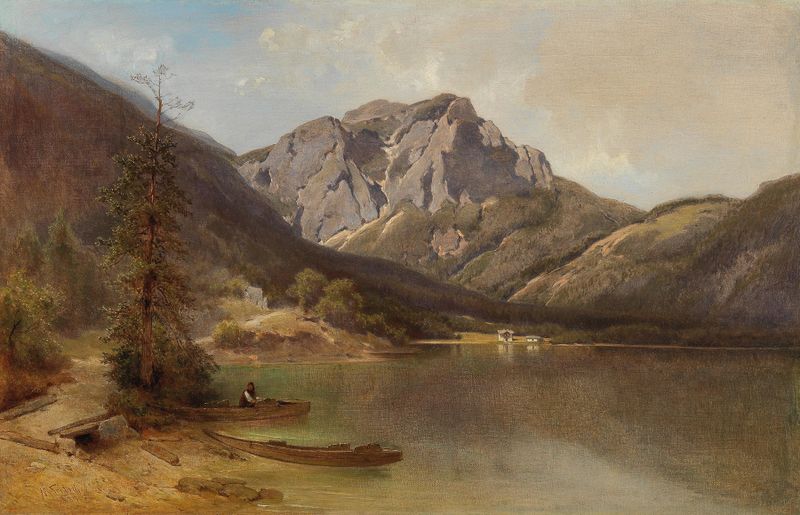
In the serene embrace of landscape art, the viewer finds an oasis of contemplation, a quiet reflection on the world’s innate beauty and complexity. Look to the foreground, where delicate strokes bring the meticulously painted houses to life, nestled against a backdrop of lush, rolling hills. Notice how the golden hues of the fields merge with the deep greens of the trees, creating a harmonious palette that speaks to both the vibrancy of life and the tranquility of solitude. The soft, diffused light bathes the scene, highlighting the gentle curves of the land while casting a warm embrace over the entire composition. Among the tranquil elements, there exists a subtle tension between the bustling life of the village and the overwhelming stillness of nature surrounding it.
The careful juxtaposition of human structures against the expansive landscape reflects a deeper commentary on faith—wherein the manmade seeks solace and purpose within the vastness of creation. Each detail, from the wisps of clouds overhead to the distant mountains, whispers of a connection that transcends the everyday. In 1875, while painting this piece, Melchior Fritsch was immersed in the evolving art scene of Austria, where realism was gaining momentum as artists sought to capture the essence of everyday life. Amidst a backdrop of political and social change in Europe, Fritsch’s work embodies a longing for stability and reflection, a desire to find beauty within the chaos of his time.