
Anvers, marine — History & Facts
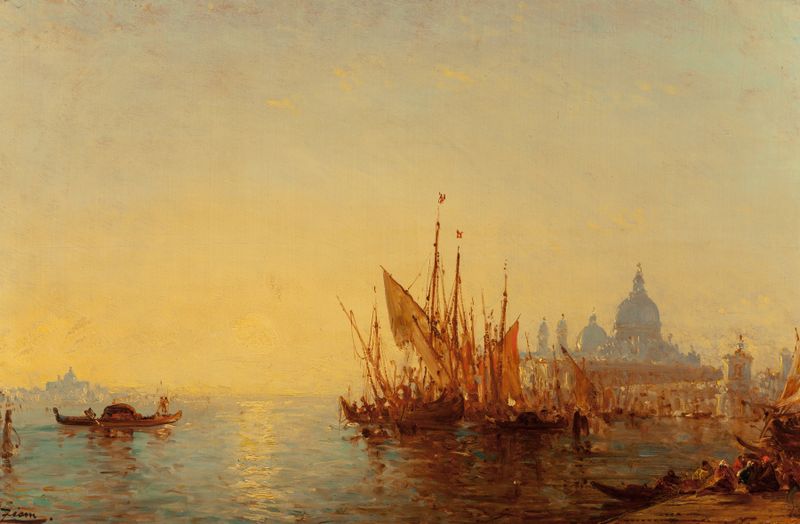
In the gentle embrace of twilight, where the horizon blurs the lines between sea and sky, mortality dances like a whispered breeze. It is here that the viewer encounters a world both serene and haunting, a reminder of life's fleeting beauty. Look to the left at the vibrant cerulean waters, where soft waves kiss the shore, carrying a promise of peace. Notice how Ziem masterfully blends shades of blue and gold, creating a luminous interplay that invites you deeper into the canvas.
The delicate strokes of white highlight the clouds, evoking a sense of movement, as they drift lazily across the sky, framing the vast expanse of the sea. Each brushstroke captures the essence of stillness, allowing us to feel the weight of time suspended in this tranquil moment. Yet, beneath the tranquil surface lies an undercurrent of existential reflection. The solitary sailboat, seemingly insignificant against the vastness of nature, serves as a poignant metaphor for human fragility.
The contrast between the boat’s fleeting presence and the eternal sea invites contemplation on our mortality and the legacy we leave behind. Light and shadow play delicately, hinting at the dichotomy of life—its beauty intertwined with inevitable endings. In 1850, while living in Paris, the artist created this piece amidst a burgeoning art movement that sought to encapsulate the beauty of nature through impressionistic techniques. Ziem's work, often celebrated for its vivid portrayals of maritime landscapes, emerged during a time of personal introspection as he grappled with themes of transience and the passage of time, reflective of both his life experiences and broader societal changes.
More Artworks by Félix Ziem
Browse all →
Venise
Félix Ziem
Coucher De Soleil À Venise
Félix Ziem
Constantinople
Félix Ziem
La place Saint-Marc, inondation de 1863
Félix Ziem
Bacino di San Marco
Félix Ziem
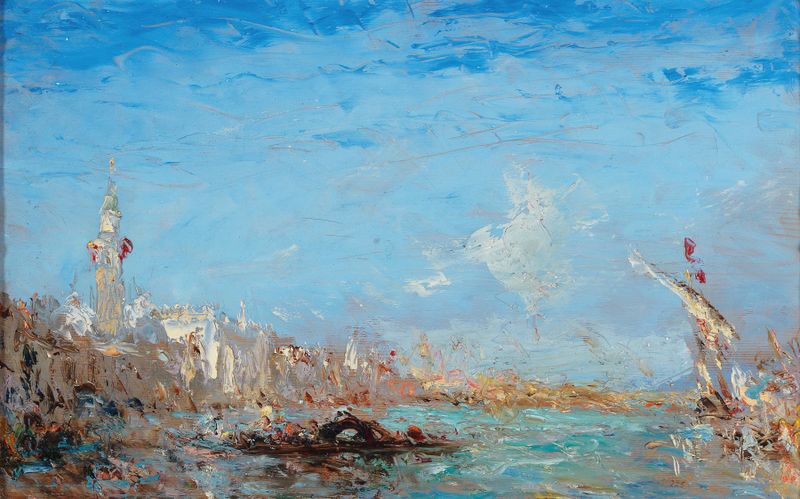
Canal Grande
Félix Ziem
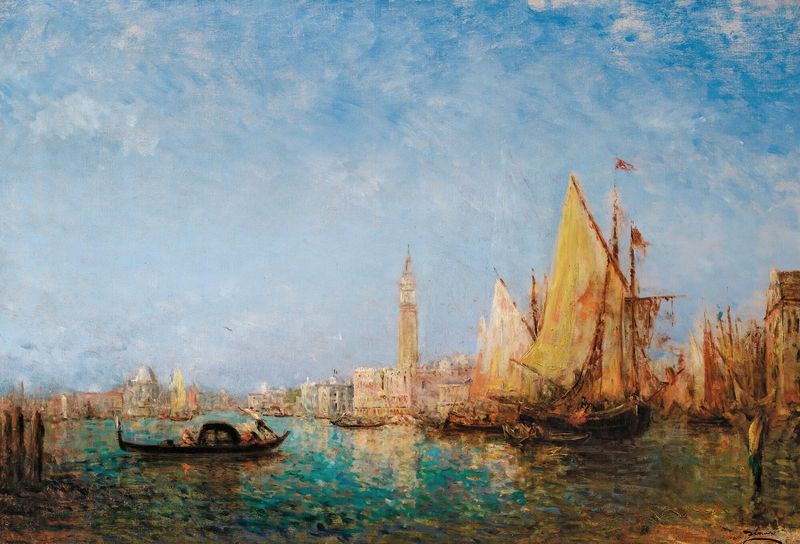
Le Palais Du Doge, Venise
Félix Ziem
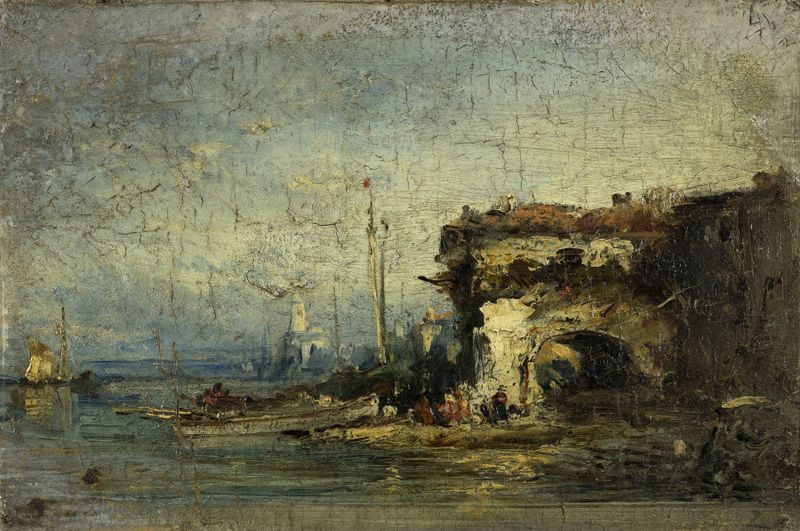
Vue d’Italie; la vieille porte
Félix Ziem
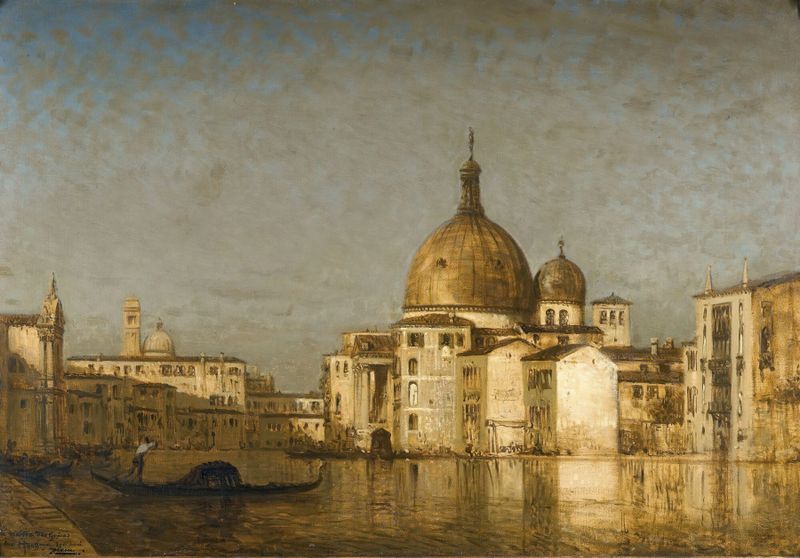
San Simeone Piccolo Au-Delà Du Grand Canal, Venis
Félix Ziem
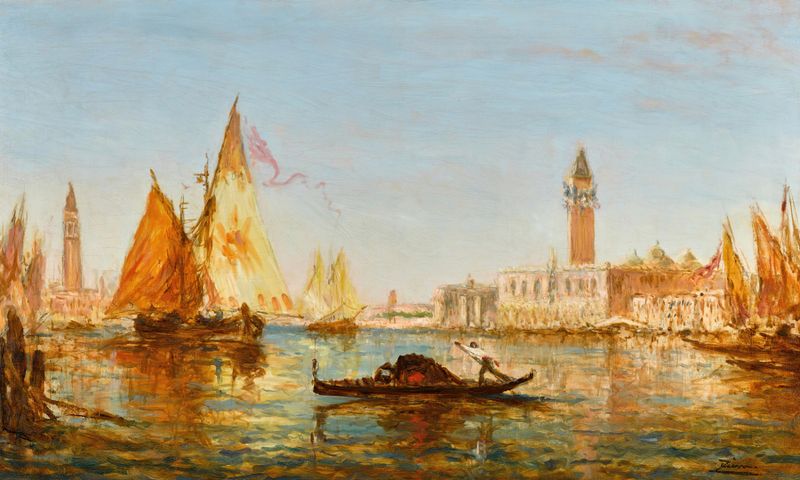
Venise, gondole et voiliers devant le Palais des doges et San Giorgio Maggiore
Félix Ziem





