
Août (La Belle Jardinière) — History & Facts
A young woman, half-dream and half-gardener, drifts through a golden thicket of sunflowers, her basket already brimming with the bounty of late summer. The eye is drawn first to her—her profile serene, her dress a pale echo of the green leaves that crowd around her, her gesture gentle as she gathers the season’s gifts. Sunflowers, tall and radiant, seem to bow toward her, their round faces echoing the circular motif that frames the month’s name: Août.
Below, a tranquil pond with blooming water lilies anchors the scene, its stillness a foil to the riot of life above. The palette is warm and soft, the light filtered as if through honey, and every line curves with the unmistakable grace of Art Nouveau. This etching, created by Eugène Grasset between 1896 and 1898, belongs to a world where allegory and decoration went hand in hand. Such works were often commissioned to mark the months, to adorn calendars or the walls of fashionable homes, celebrating the cycles of nature in the language of ornament.
Grasset, a pioneer of the Art Nouveau movement, brought to these allegories a sense of both the everyday and the enchanted, weaving together the practical rhythms of gardening with the mythic presence of the seasons. History has kept few traces of the journey of this particular print, now housed in the Musée Carnavalet, but its spirit remains unmistakable: a summer afternoon, forever caught between reality and reverie. Look again at the figure’s quiet absorption, and let the garden’s calm linger.
More Artworks by Eugène Grasset

Samuel Eviradnus 237 Maison de Victor Hugo
Eugène Grasset
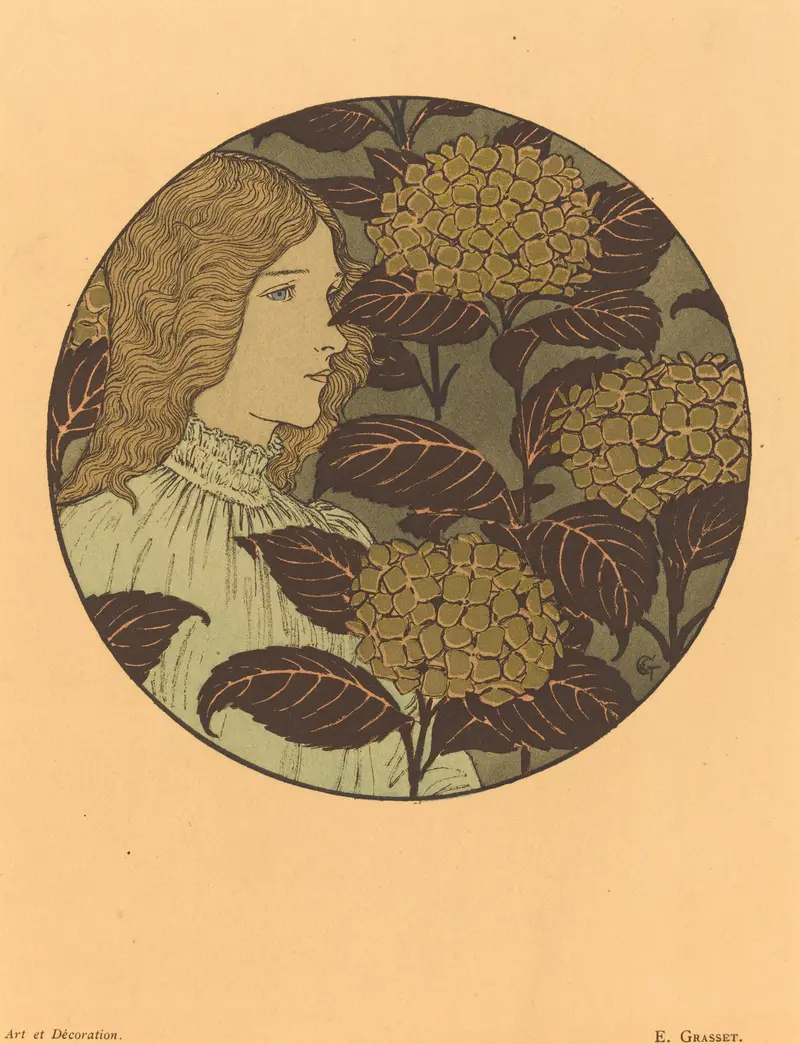
Portrait of a Girl (Roundel)
Eugène Grasset
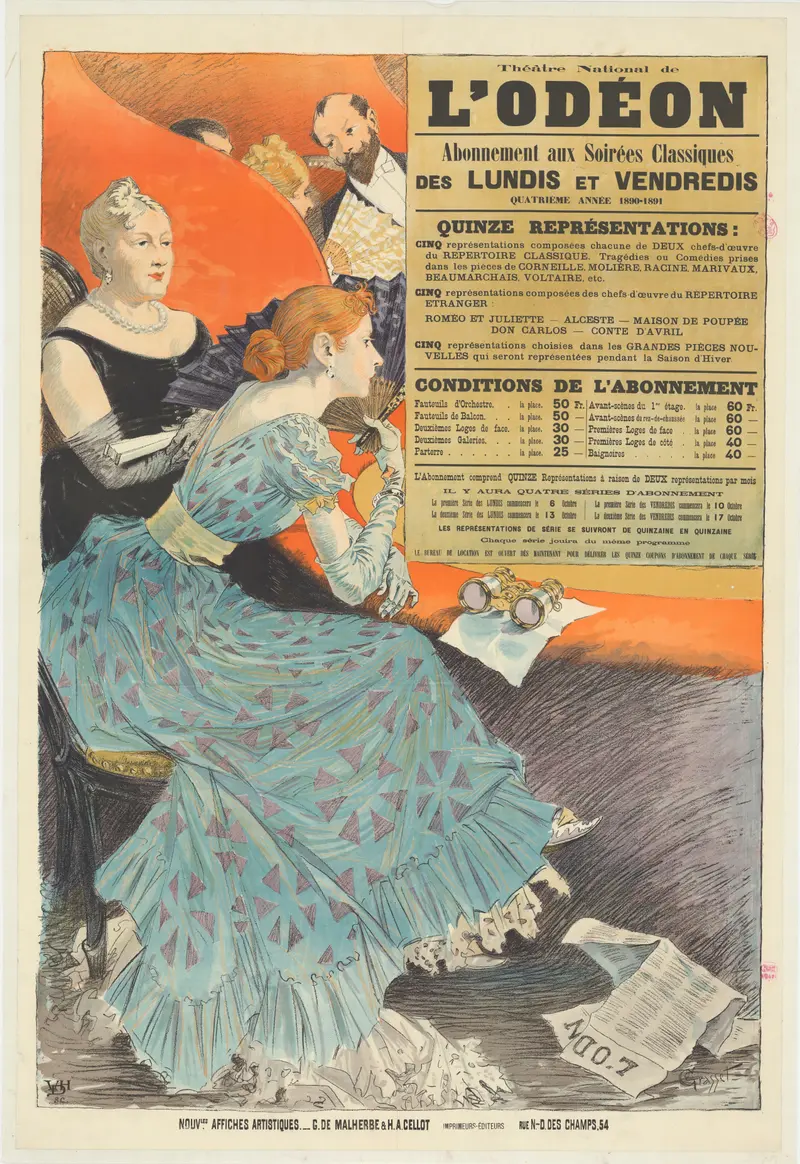
Théâtre National de l'Odéon
Eugène Grasset
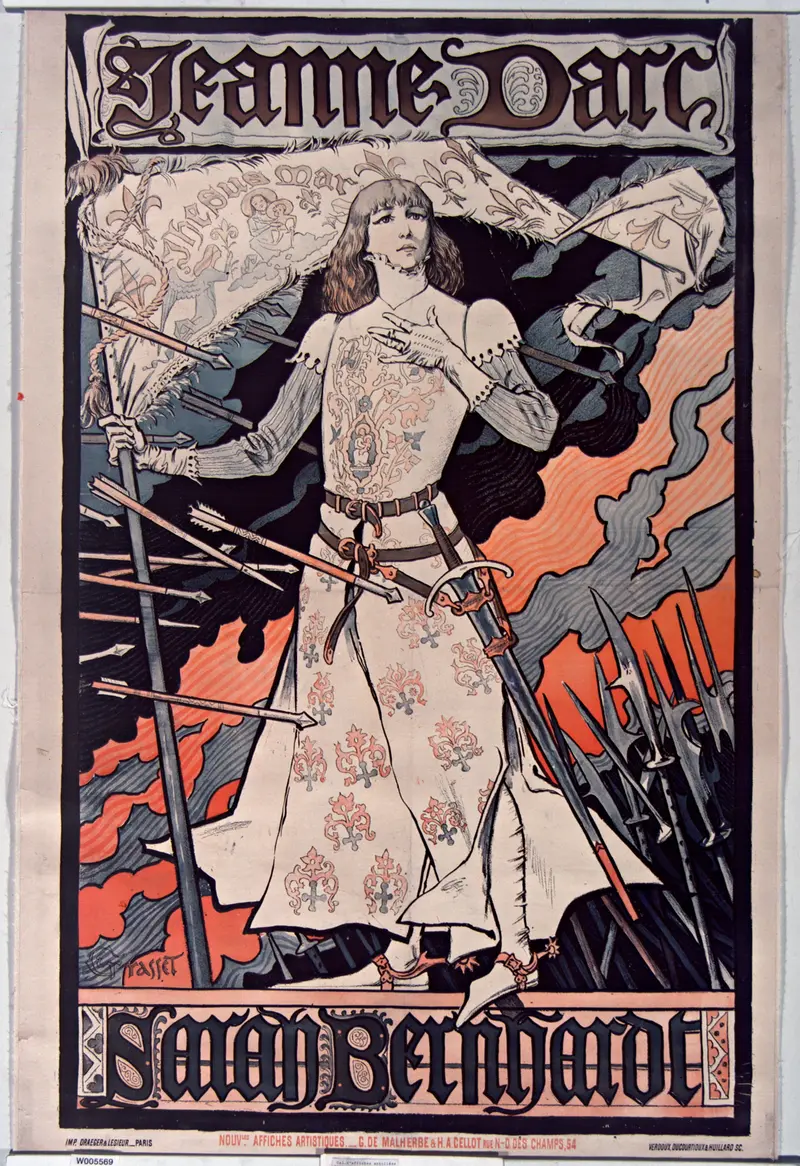
Jeanne d'Arc – Sarah Bernhardt
Eugène Grasset
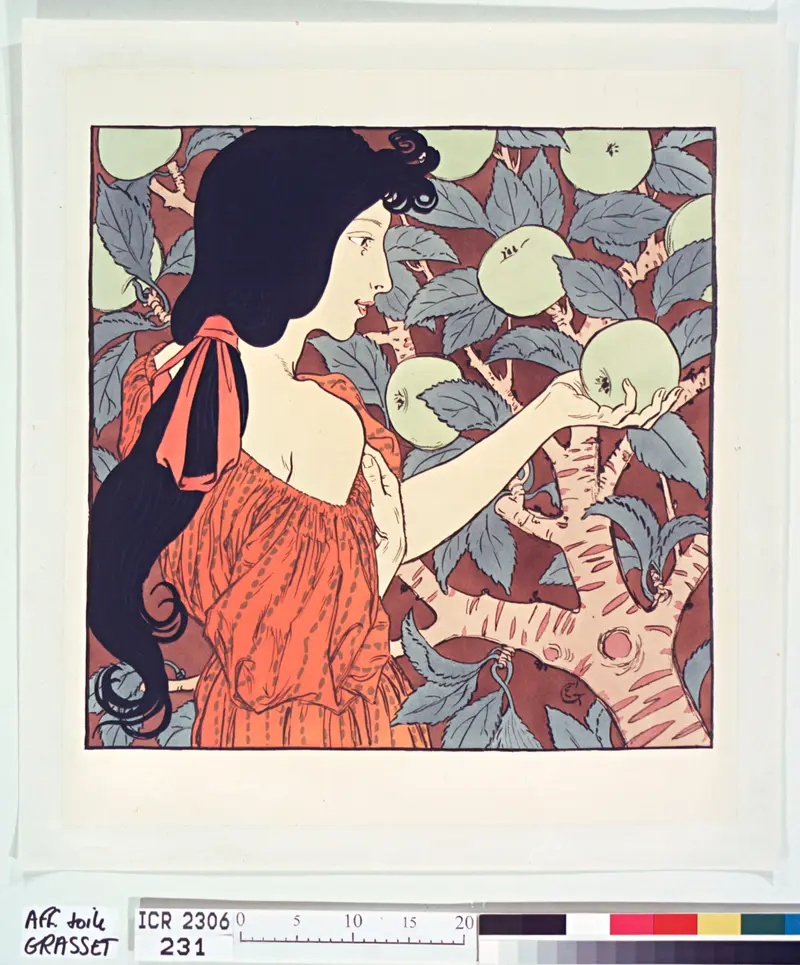
Tentation
Eugène Grasset

Mark Twain's Joan of Arc
Eugène Grasset
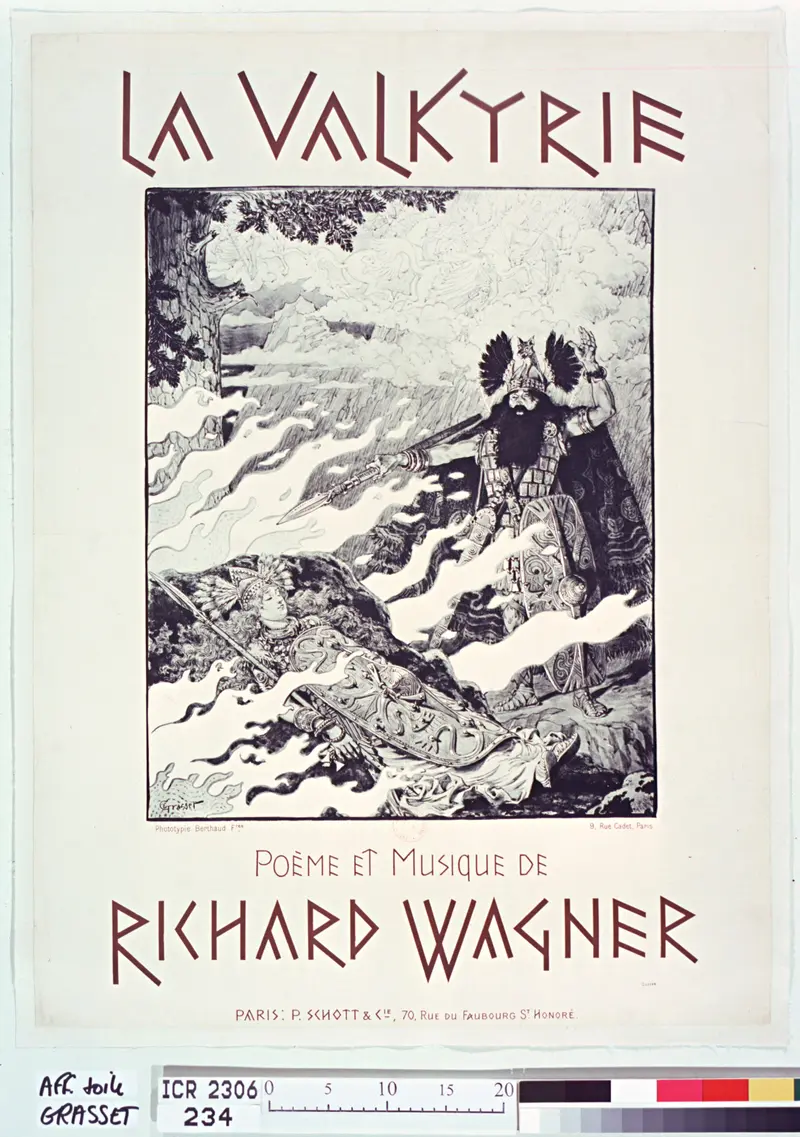
La Walkyrie
Eugène Grasset
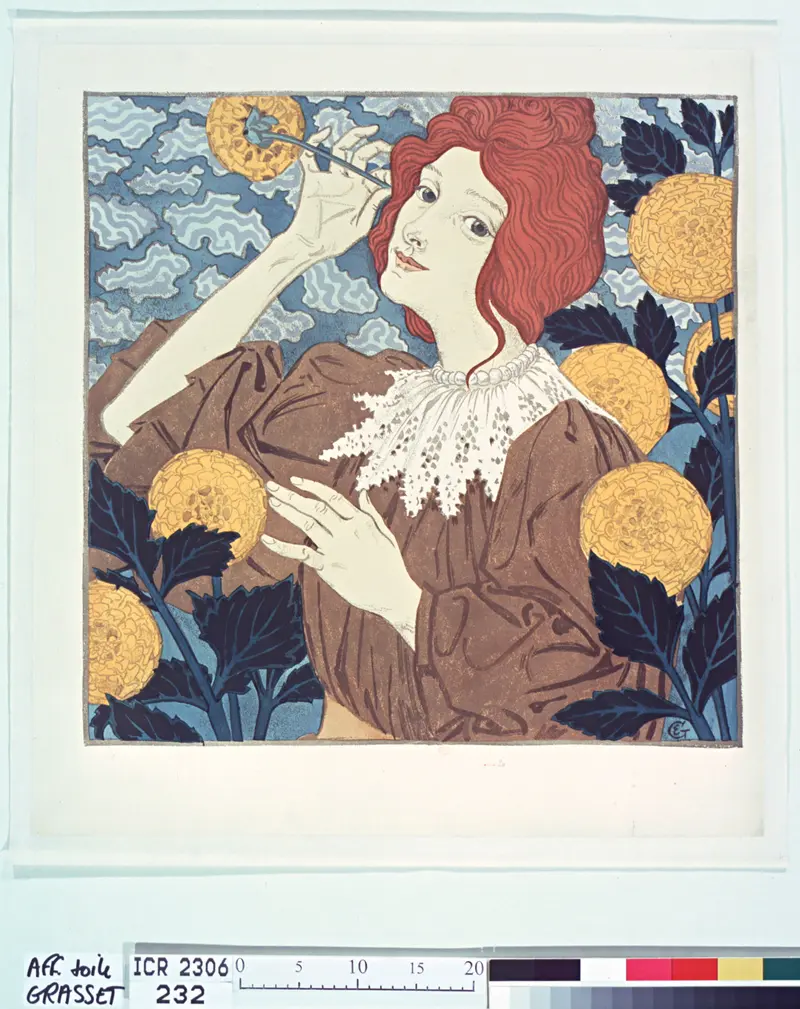
Coquetterie
Eugène Grasset
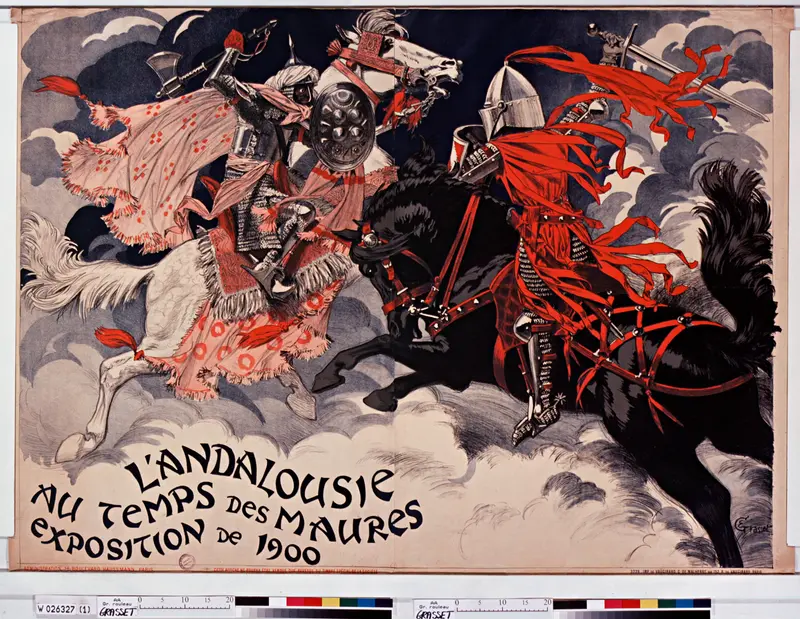
L'Andalousie au temps des Maures
Eugène Grasset
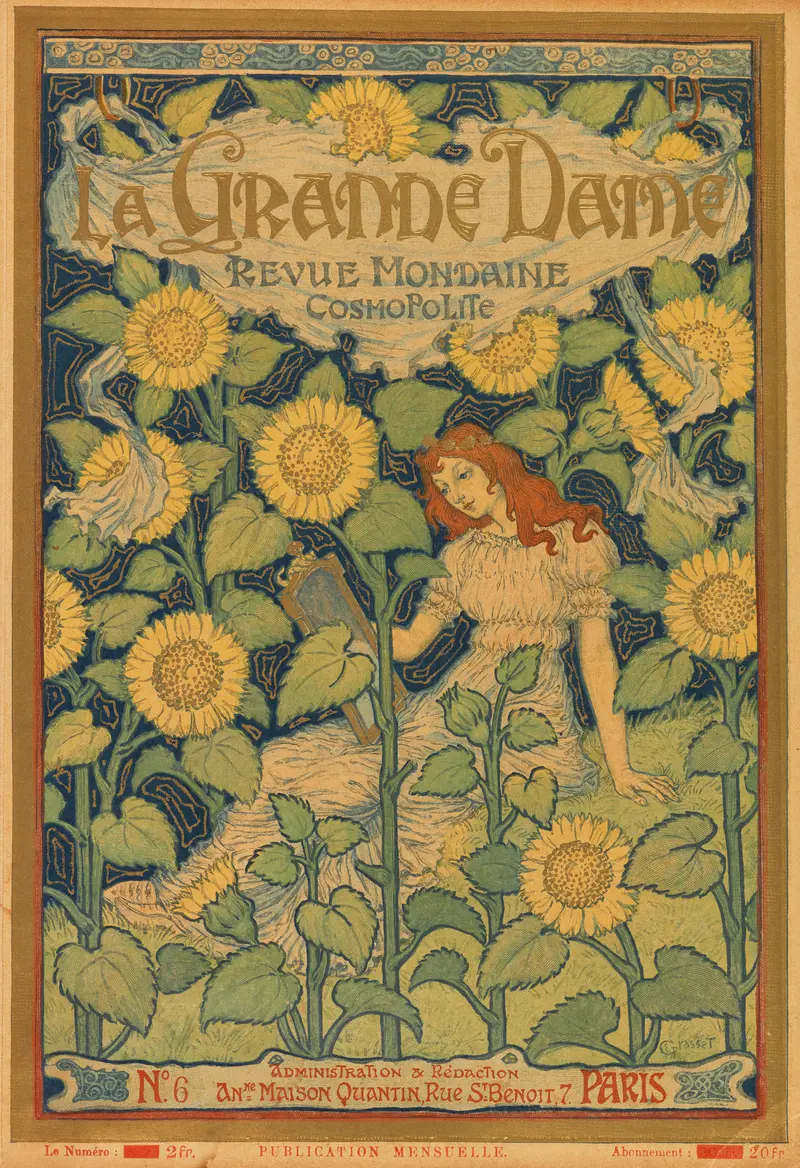
La Grande Dame
Eugène Grasset





