
Apostel Filippus — History & Facts
In the depths of each brushstroke lies a conversation between humanity and the divine, where faith interlaces with doubt, and certainty dances on the edge of inquiry. Look to the center of the piece, where the figure of Philip stands resolute. His expressive face, framed by flowing hair, seems to breathe life into the canvas. Notice how Dürer skillfully employs light to illuminate his features, casting gentle shadows that define the contours of his brow and emanate an air of wisdom.
The soft, muted color palette of earthy tones contrasts beautifully against the subtle vibrancy of his garment, drawing the viewer’s gaze and inviting contemplation. Hidden within the folds of Philip’s robes are the threads of his faith, a juxtaposition of earthly existence and celestial conviction. The intricate details of his attire speak to a life of devotion, while the slight tilt of his head suggests a quiet interaction with the viewer, as if inviting them to share in his spiritual journey. Dürer captures not only the physical presence of the apostle but also the weight of his mission, hinting at the challenges faced by those who navigate the complexities of belief and purpose. In 1503, Dürer created this work in Nuremberg, at a time when he was emerging as a prominent figure in the Northern Renaissance.
This period was marked by a growing interest in humanism and the intersection of faith with artistry. The artist sought to imbue his religious subjects with a palpable sense of humanity, reflecting the evolving perceptions of spirituality and art within his cultural milieu.
More Artworks by Albrecht Dürer
Browse all →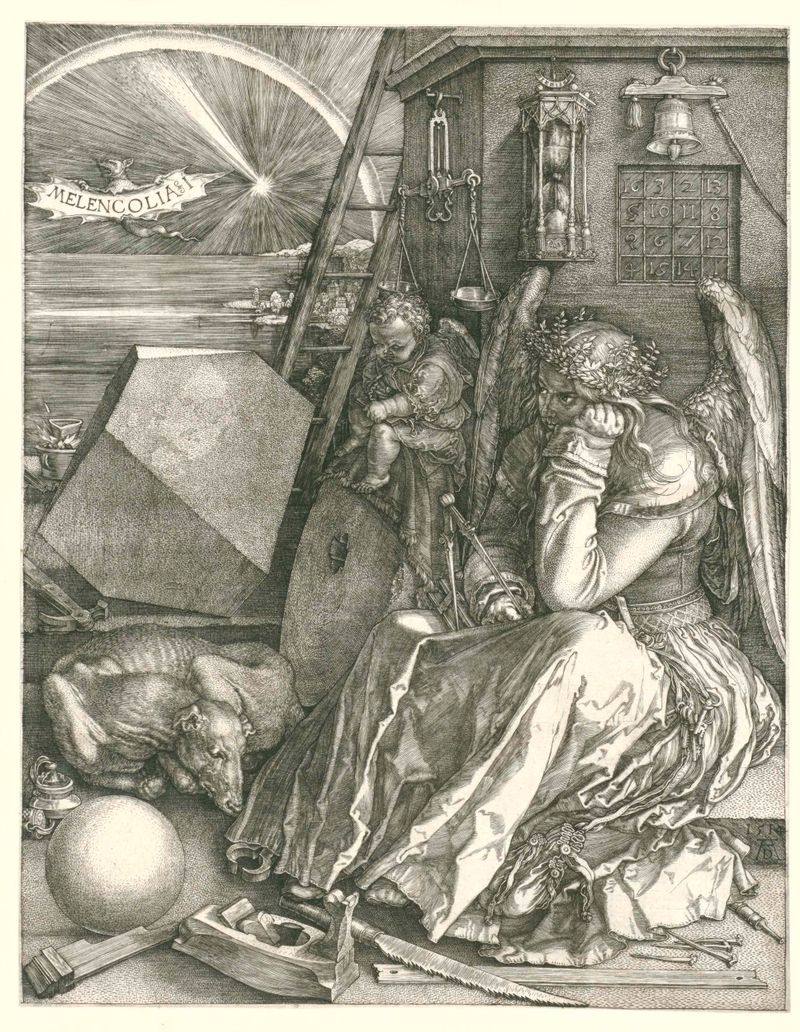
Melancholia
Albrecht Dürer
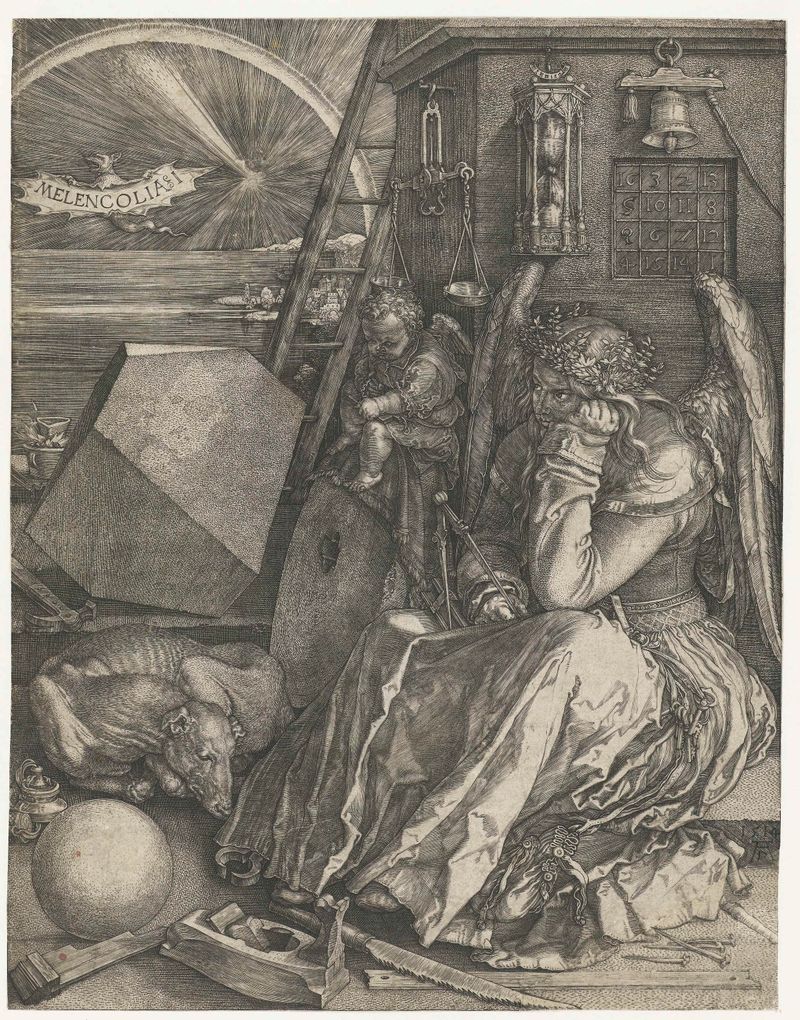
Melancholie
Albrecht Dürer

Neushoorn
Albrecht Dürer
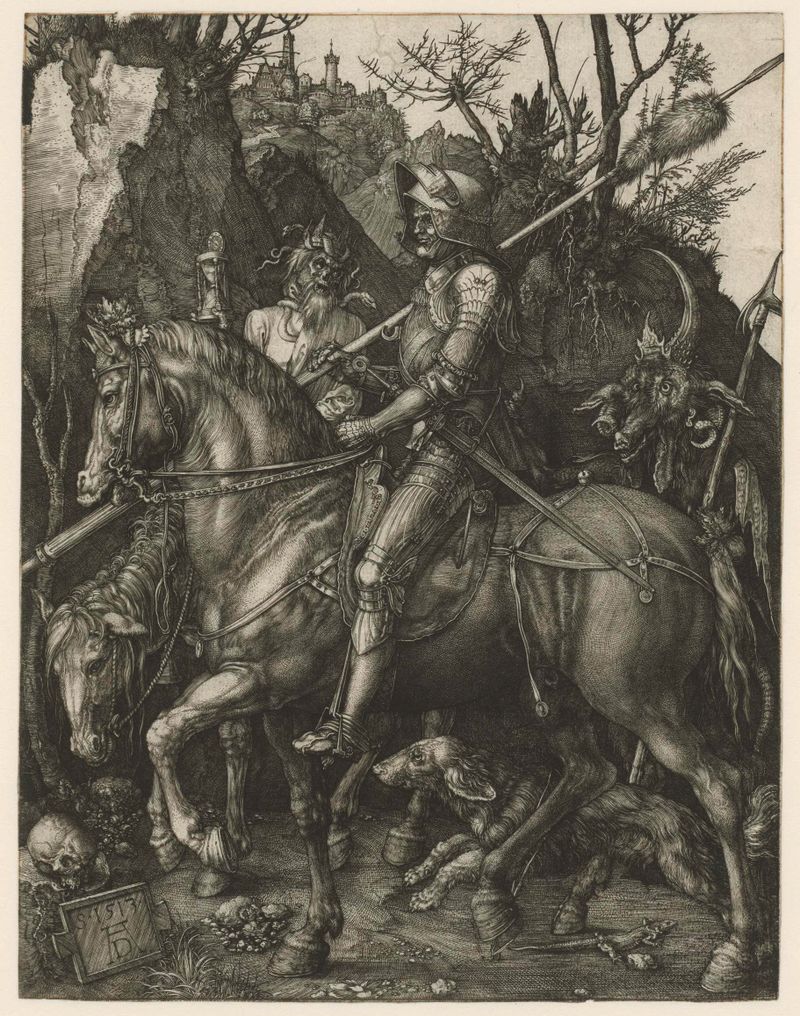
Knight, Death, and the Devil
Albrecht Dürer

De vier ruiters van de apocalyps
Albrecht Dürer

De vier ruiters van de apocalyps
Albrecht Dürer
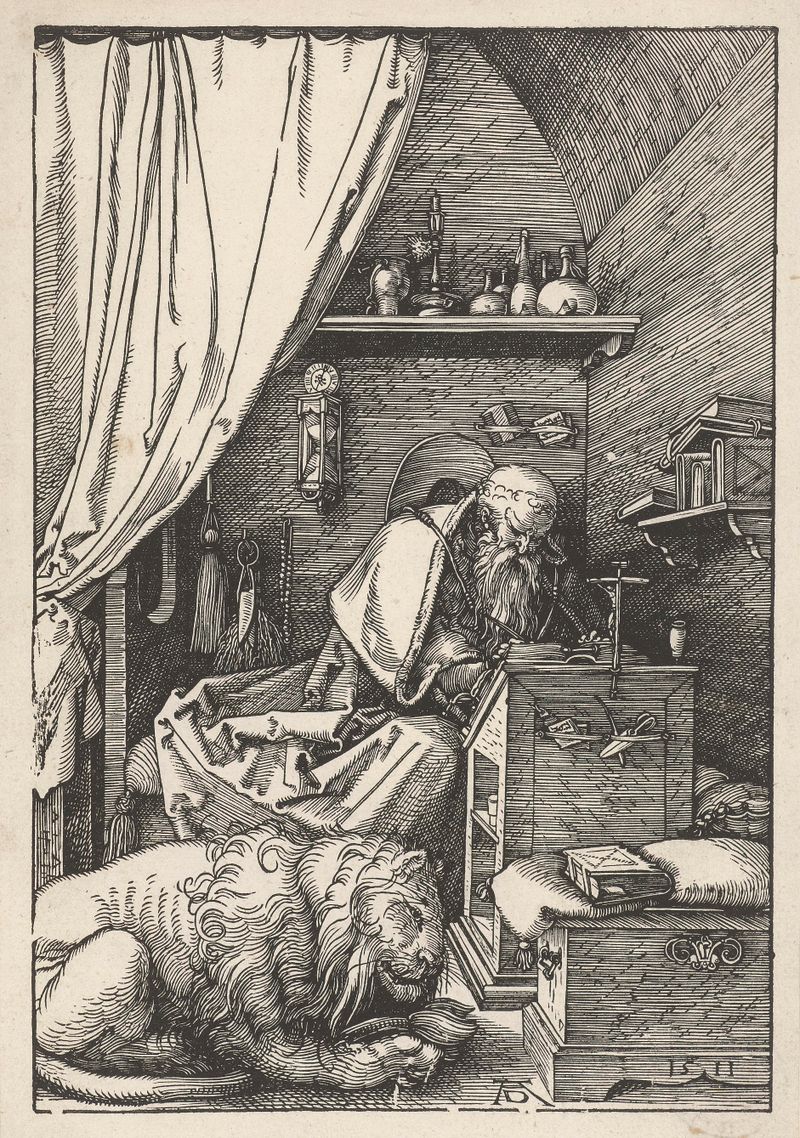
De Heilige Hiëronymus in zijn studeervertrek
Albrecht Dürer
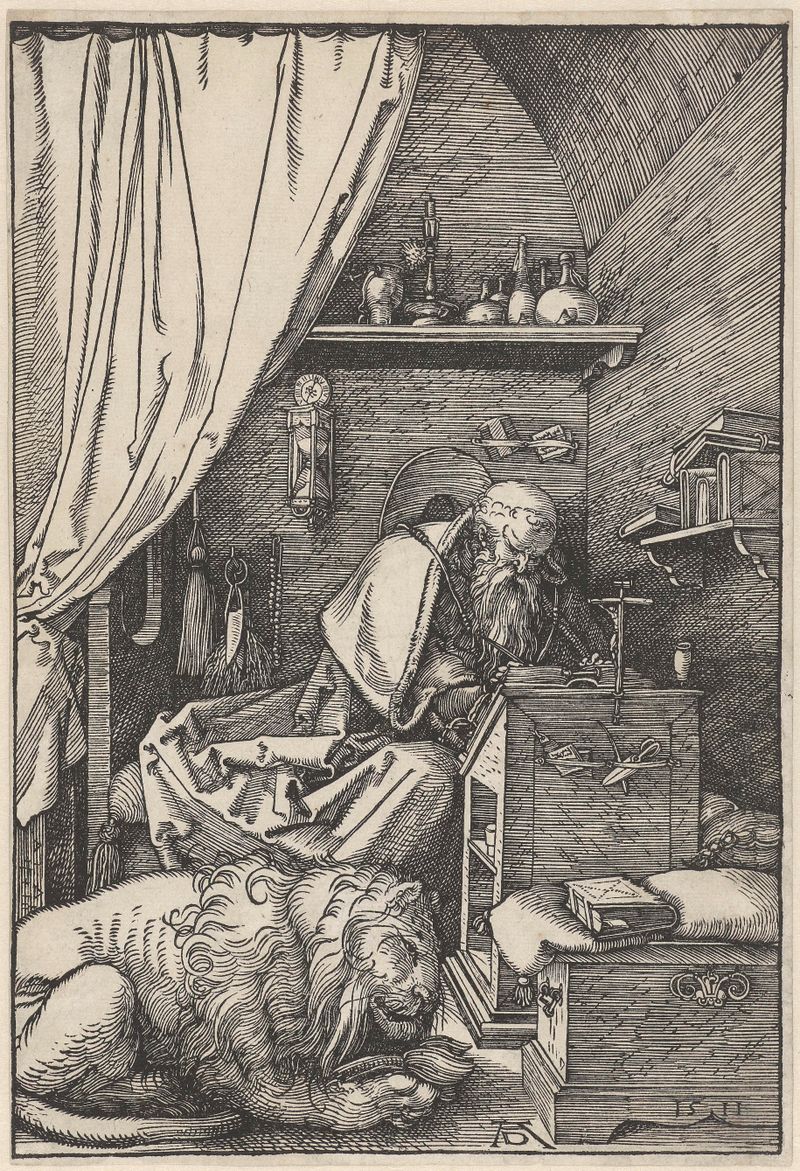
De Heilige Hiëronymus in zijn studeervertrek
Albrecht Dürer
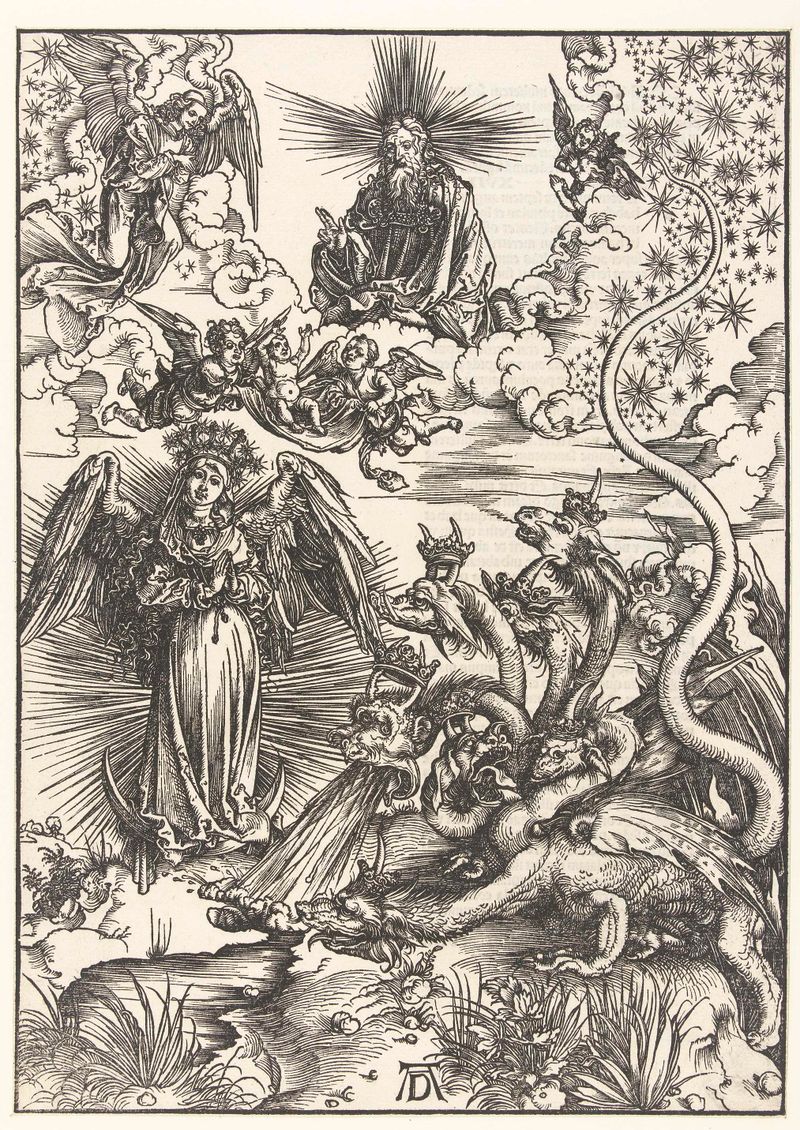
De apocalyptische vrouw en de zevenkoppige draak
Albrecht Dürer
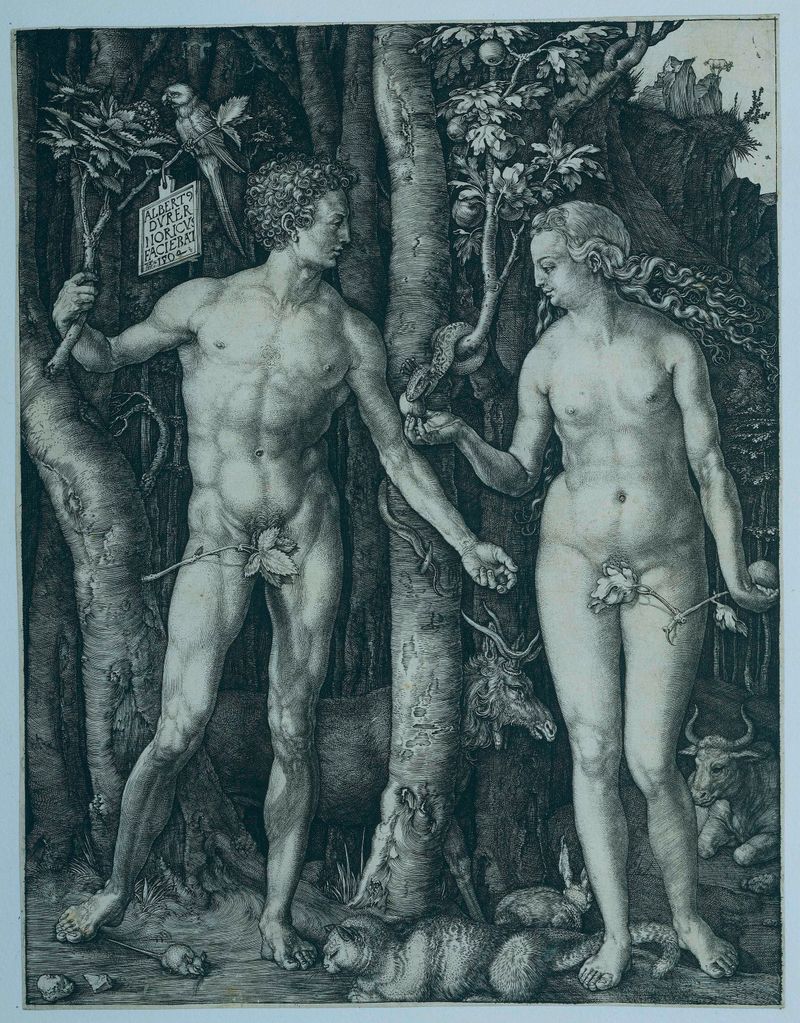
Adam en Eva
Albrecht Dürer
More Religious Art
Browse all →
The Return of the Prodigal Son
Rembrandt van Rijn

The Garden of Earthly Delights
El Bosco

Count Orgaz’ funeral
El Greco

The Hundred Guilder Print: the central piece with Christ preaching, the plate arched
Rembrandt van Rijn

The Descent from the Cross
Rogier van der Weyden

The return of the prodigal son
Rembrandt van Rijn